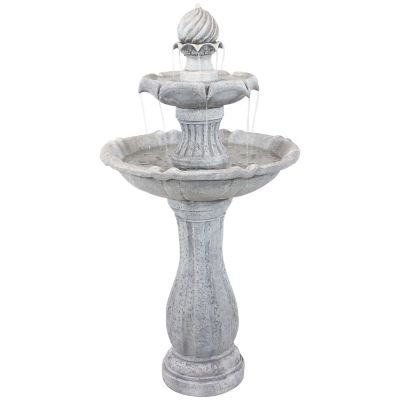
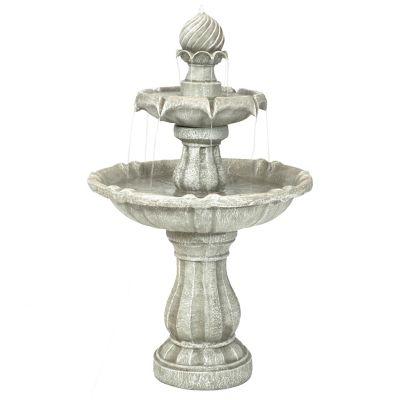
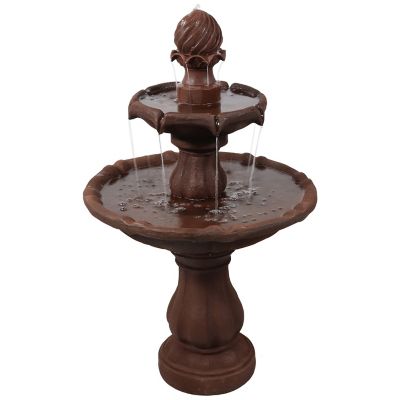
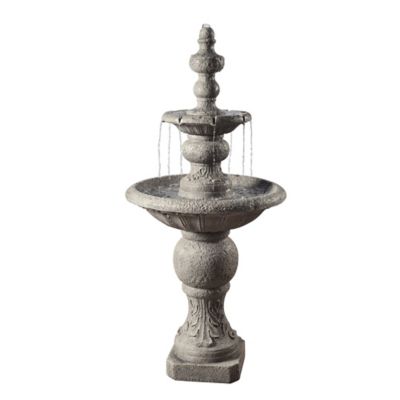
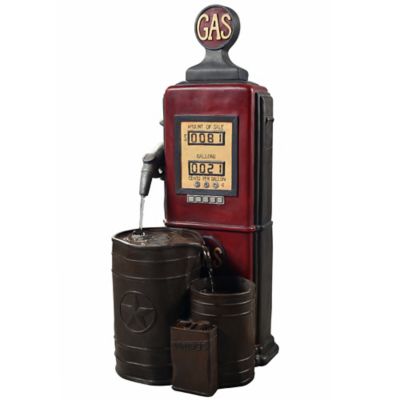
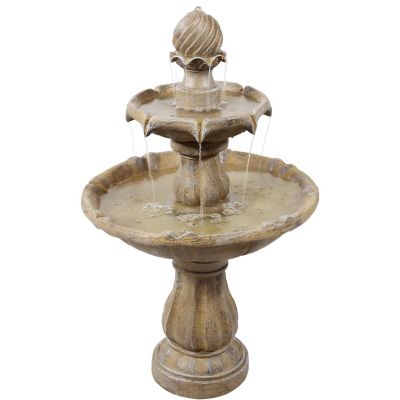
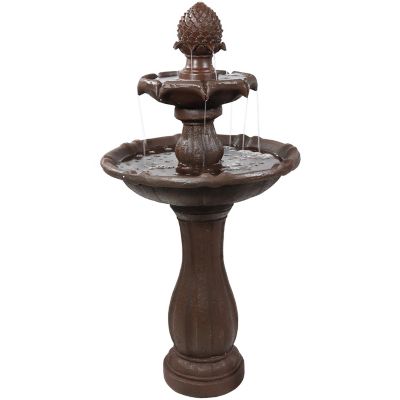
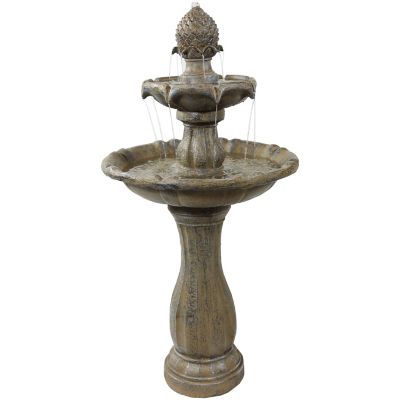
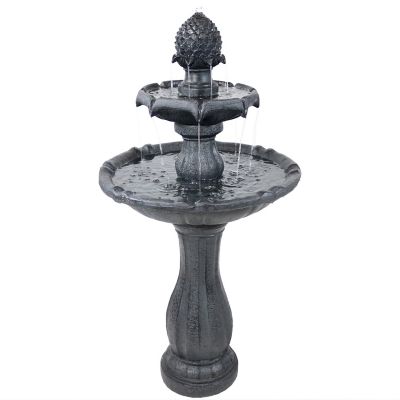
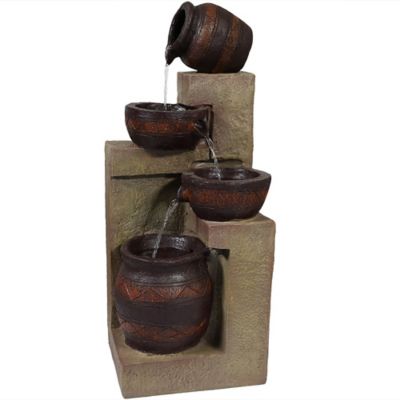
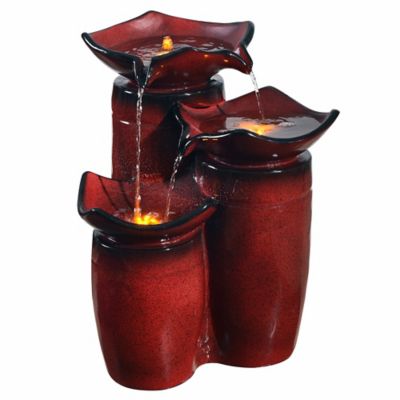
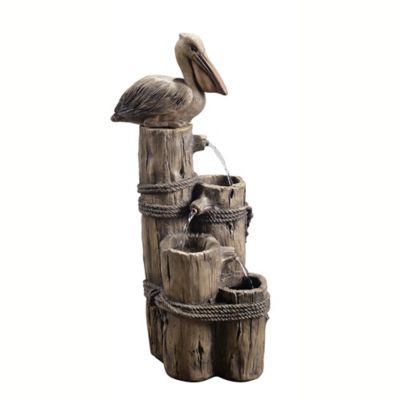
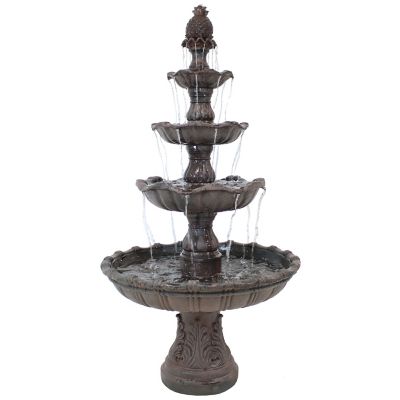
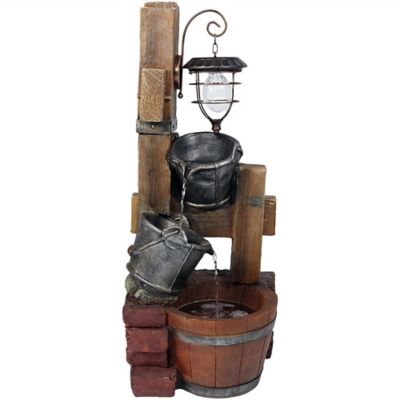
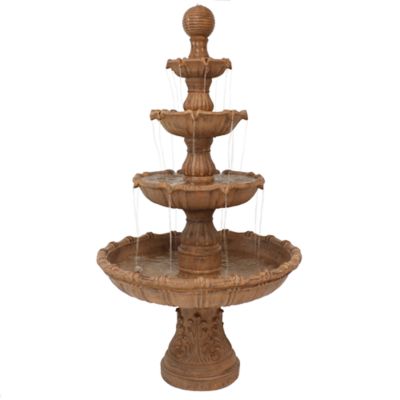
Water features are indoor or outdoor installations that hold or circulate water, including fountains, ponds, waterfalls, and small water gardens. They bring movement, sound, and a clear focal point to spaces ranging from a front porch to a wide backyard. A gentle trickle beside a porch swing creates a different feel from water tumbling over several tiers near a garden path, and both have a place around a country home. Many self-contained fountains keep water in a basin and recirculate it with a pump, so they do not need a permanent water supply connection, though they still need refilling. Freestanding fountains can anchor a planting bed or patio, while wall fountains bring moving water to narrower spaces without taking up as much floor area. Tabletop fountains suit smaller settings when their dimensions, splash pattern, and intended placement match the space. Ponds and container water gardens offer room for aquatic plants; fish require additional attention to water volume, filtration, oxygen, and species needs. Pondless waterfalls send water into a concealed reservoir rather than an open pond, creating a flowing-water effect with less exposed surface water. Sound is part of the appeal, too. A low drop may produce a light splash, while a taller cascade can sound fuller and carry farther across a seating area. Moving water may help soften the impression of nearby traffic or conversation, but it will not block outside noise. Scale matters as much as style: a broad basin can look right at home beside a roomy patio yet leave little walking space on a compact porch. The footprint, overall height, and clearance for filling and cleaning all affect how comfortably a feature fits. A fountain near a bench should leave room for boots, chair legs, and passing foot traffic, rather than making every trip through the yard a squeeze.
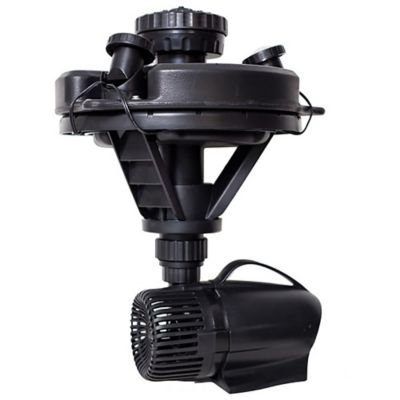
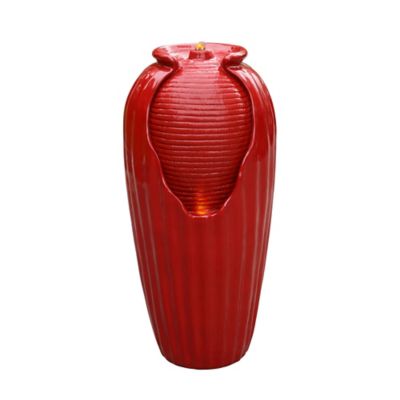
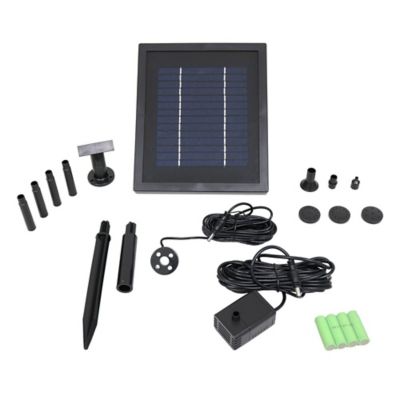
Materials give water features much of their character and influence their weight, handling, and upkeep. Resin and fiberglass can offer the look of stone with less weight, making larger shapes easier to position, though the base still needs firm support. Cast stone and concrete bring substantial weight and a grounded appearance that fits well among fieldstone paths, established shrubs, and brick patios. Their weight deserves attention on raised decks, shelves, and other surfaces with load limits, especially after the basin is filled. Ceramic offers glazed color and a smooth surface, while metal can introduce clean lines or a finish that changes in appearance over time. The material alone does not tell the whole story; construction, coatings, seams, and the maker’s care directions all influence long-term performance. An outdoor setting calls for a feature and electrical components rated for that setting, while an indoor fountain needs a placement that accounts for splashes and the surface beneath it. Pumps also need to match the job. Flow rate describes how much water a pump can move, and pumping height affects how much flow reaches the top of a fountain or waterfall. A pump that works well in a shallow bowl may not deliver the same result through a tall tiered feature. Tubing diameter, connection size, and any specified pump requirements help determine compatibility. Electrical models need suitable power access, with outdoor connections protected by a ground-fault circuit interrupter and arranged according to the equipment instructions and local requirements. Solar-powered fountains depend on their panel’s light exposure and system design; some operate only with sufficient sunlight, while others include battery storage. For matching components,
Fountain Accessories brings attention to the supporting parts that keep a fountain functioning as intended. Access to the pump compartment matters, too, since a tucked-away connection should not turn routine cleaning into a wrestling match with a heavy basin.
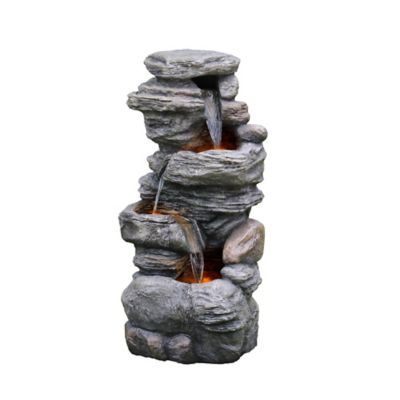
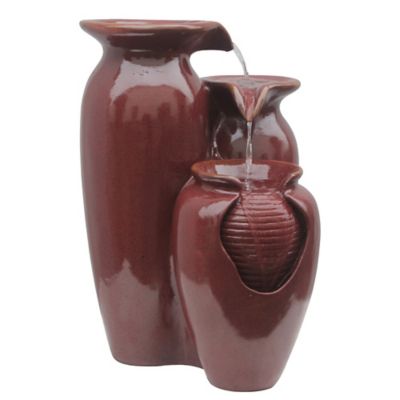
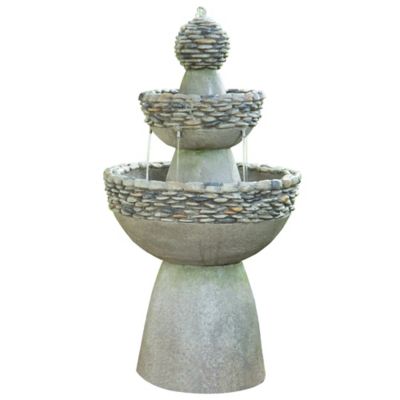
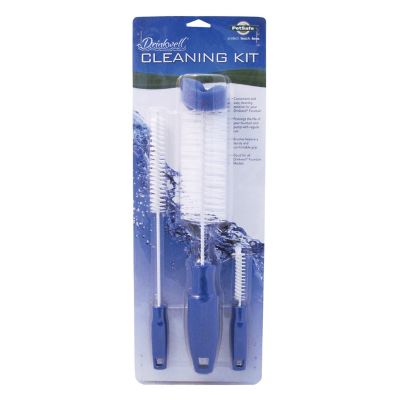
Everyday care helps a water feature stay pleasant to look at and listen to. Recirculating fountains still lose water through splashing and evaporation, and the pump needs the water level specified by its maker. A basin with an easy-to-see water level and a reachable fill area makes that upkeep less of a chore. Leaves, grass clippings, and loose soil can collect around an intake, especially near garden beds or a freshly mowed lawn, so access to screens and filters is worth considering. Pumps generally need to be disconnected from power before cleaning or servicing, with care performed according to the instructions. Smooth basin surfaces and removable parts can make wiping away residue simpler, while deep grooves and stacked tiers may take more attention. Mineral deposits can leave pale marks around the waterline, and any cleaner needs to suit the basin material, finish, and equipment. Water treatments also need to match the intended use: a treatment labeled for a fountain is not automatically suitable for a pond with fish or a basin visited by birds. A fountain should not be treated as a drinking source for pets or livestock unless it is designed for that purpose. Features intended for birds benefit from an appropriate shallow bathing area and regular cleaning; moving water alone does not keep a basin clean. Open water also calls for attention to children, pets, supervision, and any applicable barrier requirements. These practical details leave plenty of room for personal taste. A stone-look cascade can settle naturally beside a gravel walk, a glazed bowl can bring color to a quiet corner, and a simple vertical fountain can complement a porch without crowding it. For a garden-loving friend or family member, a smaller fountain can make a thoughtful gift when its size, power needs, and care requirements fit their home. The best fit balances the sound and appearance someone enjoys with the space and attention they can comfortably give it.