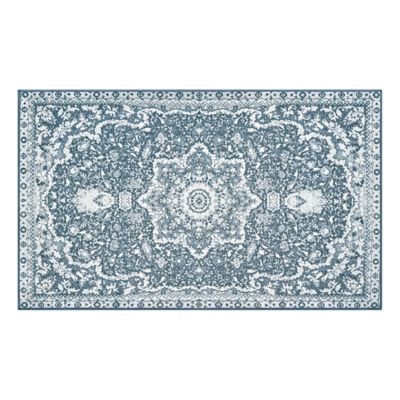
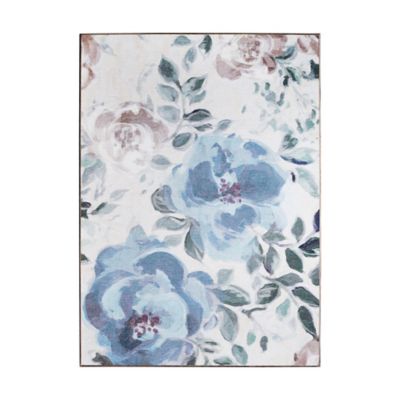
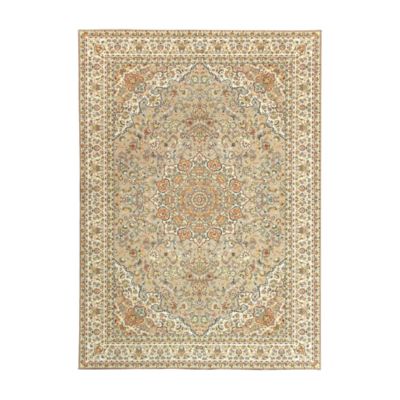
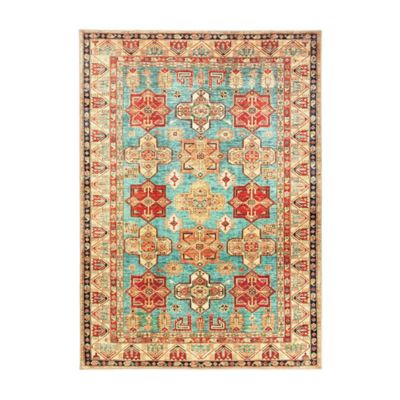
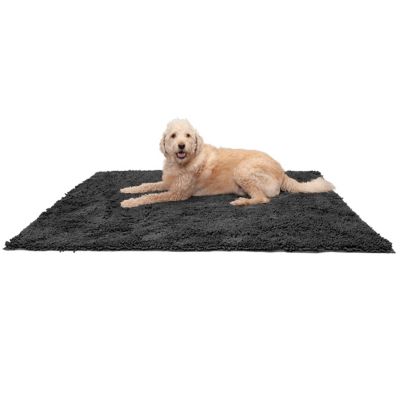
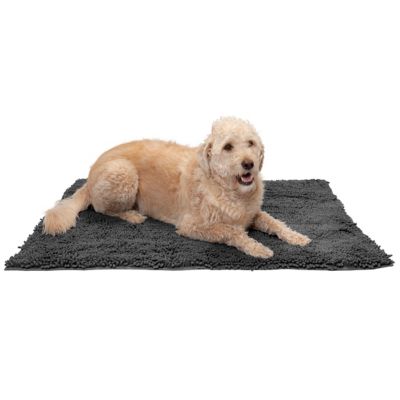
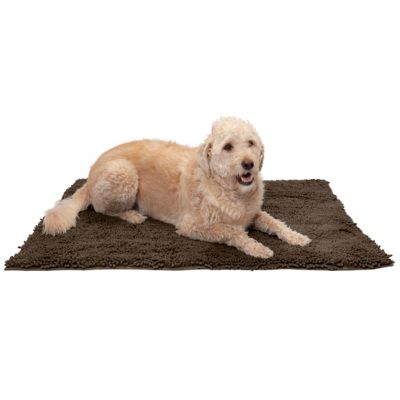
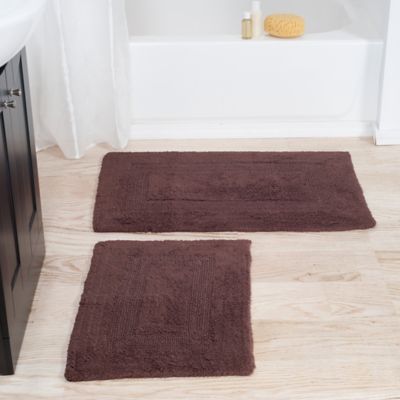
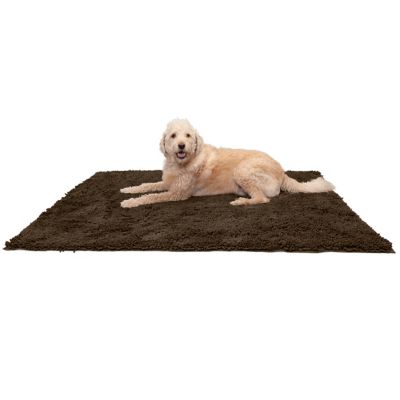
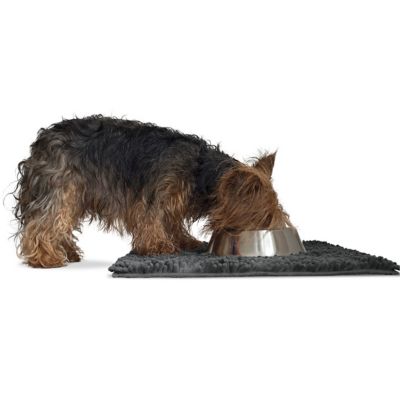
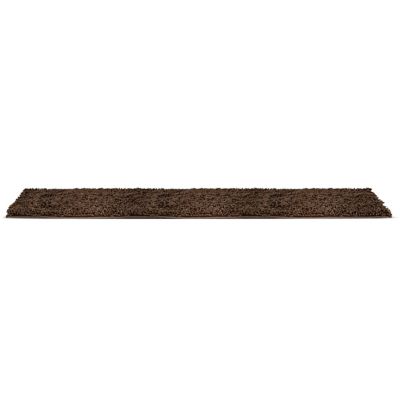
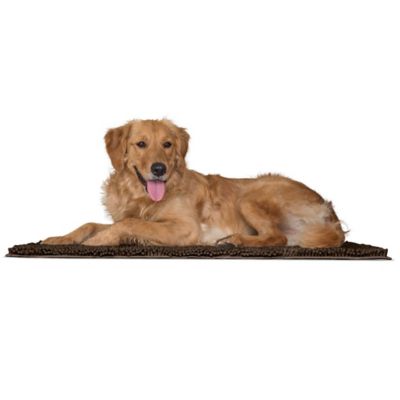
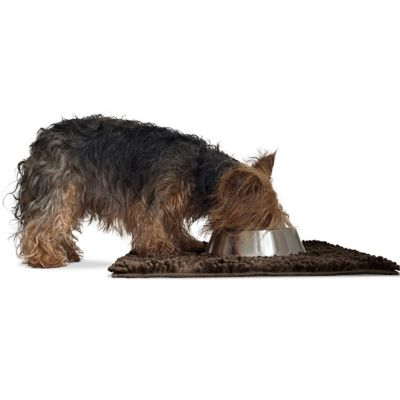
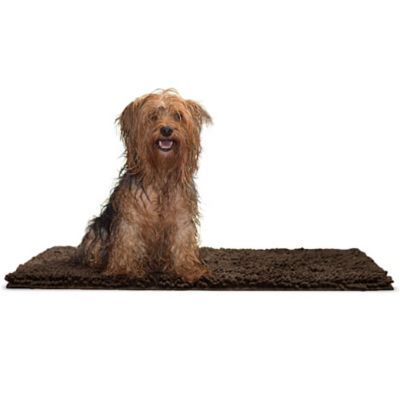
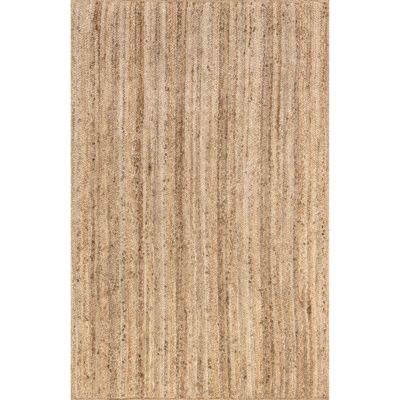
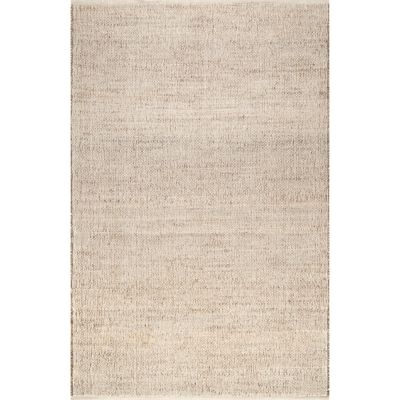
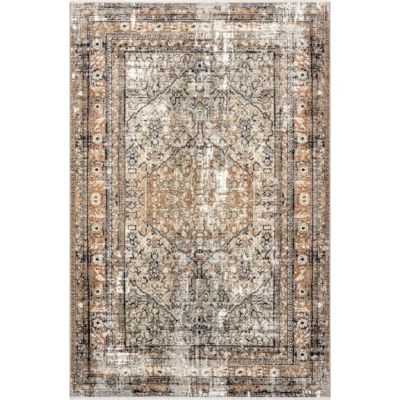
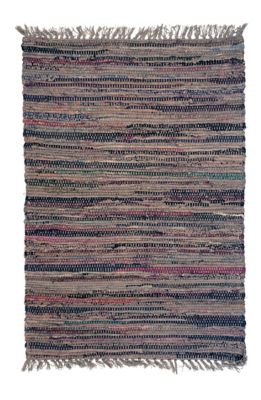
Washable rugs with non-slip backing make sense in homes where boots come off by the door, dogs settle close to their people, and the kitchen sees more than a little foot traffic. They add a softer surface underfoot while giving everyday dirt, crumbs, and pet hair a place to land that can be cleaned according to the care label. The backing is meant to help limit movement against a compatible floor, so a rug is less likely to scoot out of place with an ordinary step. That can be handy beside a kitchen sink, along a hallway, or near a laundry room counter where feet tend to follow the same path all day. A narrow runner suits a long walkway, while a smaller rectangle can define the spot where work shoes get traded for slippers. Larger rugs bring softness to sitting areas and open rooms without covering every inch of the floor. Size and placement matter just as much as appearance: a rug that crowds a doorway, catches beneath a swinging door, or leaves an edge in the middle of a walking path can become a nuisance. A low profile often works well near doors and under furniture, though the full thickness includes both the pile and the backing. In a dining space, enough coverage for chair legs to stay on the rug as seats move can help keep the setup feeling settled. Beside a favorite chair, a smaller rug can give bare feet a comfortable landing without spreading across the whole room. Homes with children, indoor pets, or regular visits from family may appreciate having a washable surface in those busy spots. There is still a difference between a rug for an indoor entry and a mat intended for outdoor exposure, and washable construction alone does not mean a rug belongs on a porch or beside a frequently splashed tub. Intended placement, floor compatibility, and the amount of daily traffic all shape how well a rug fits the job.
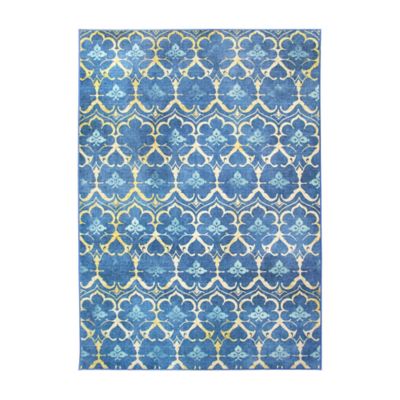
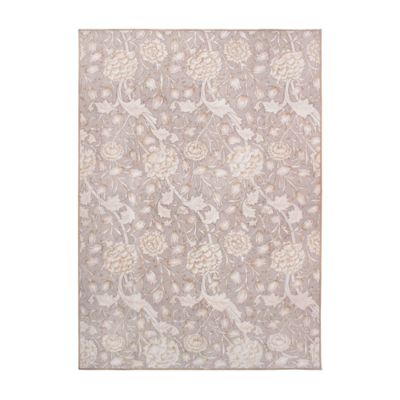
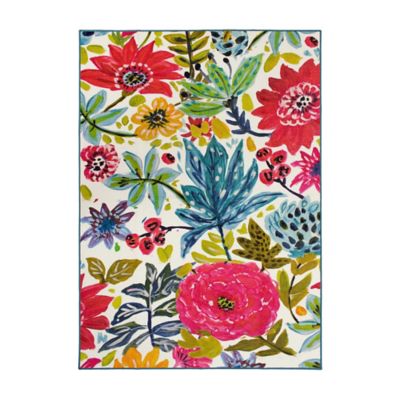
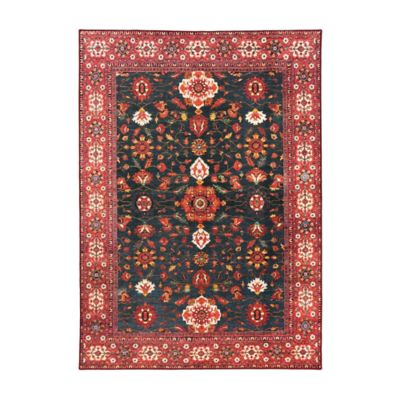
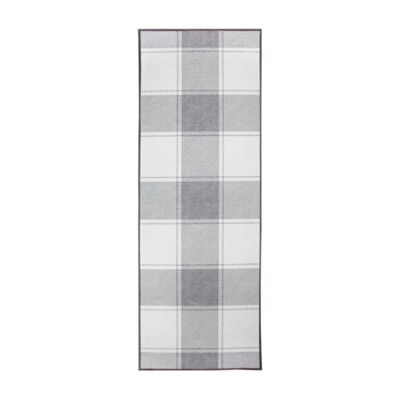
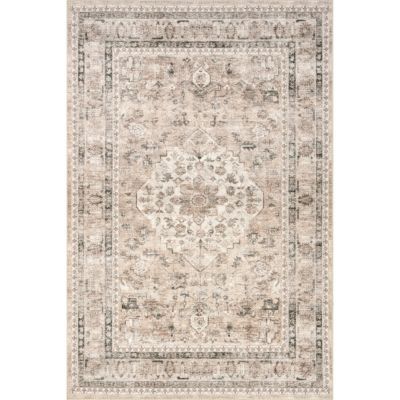
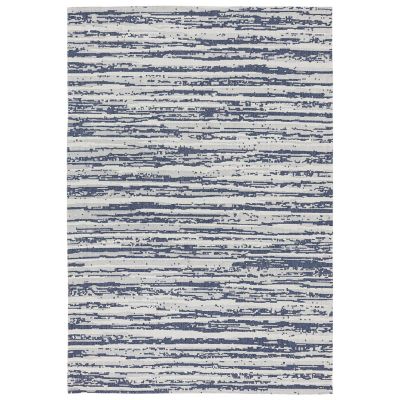
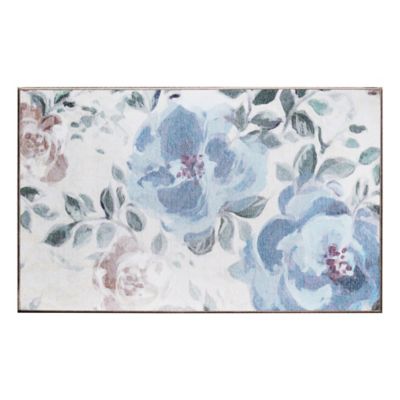
The feel and upkeep of a washable rug depend on its fibers, construction, and backing rather than appearance alone. Cotton can offer a soft, familiar feel, although shrinkage and drying requirements vary. Polyester and nylon appear in many rug constructions, with differences in softness, stain resistance, and how readily the pile springs back after foot traffic. A tightly woven or low-pile surface generally leaves less room for crumbs and grit to settle deep into the rug, while a plusher surface offers more cushioning but may take more effort to vacuum and dry. In a household with shedding pets, the way hair gathers on the surface can matter as much as the feel underfoot. Looped textures may also deserve a closer look around animals whose nails tend to catch on fabric. Rubber, latex, and other grip-style backings have different care limits and may not suit every floor finish. Some flooring manufacturers restrict certain backing materials, especially on surfaces that can discolor or react to prolonged contact. Compatibility with wood, laminate, vinyl, tile, or sealed concrete is worth confirming through both the rug and flooring care information. A non-slip backing works best within its stated conditions; it is not a promise that a rug cannot shift, and dirt or moisture underneath can interfere with contact. Flat edges, even corners, and a smooth underside help the rug sit as intended. Appearance has a practical side, too. Small-scale patterns and mixed shades can make stray crumbs or paw prints less noticeable between cleanings, while pale solid colors tend to show marks more clearly. Earthy browns, soft grays, muted blues, and simple stripes can sit comfortably alongside wood cabinets, painted furniture, and well-loved floors. Pattern size also changes the feel of a room: a small repeat can bring interest to a narrow hall, while a broader pattern has more room to show across an open floor. Bound edges and secure stitching help a rug keep its shape through everyday handling, though any rug will show wear over time.
Washability is most helpful when the rug fits the household’s actual cleaning routine. A machine-washable label does not mean every size will fit a home washer, and the rug’s weight when wet matters along with its dry dimensions. A large rug packed tightly into a drum may not have enough room to move, rinse, or spin properly. Some washable constructions call for a commercial-capacity machine, while others require hand washing or another method stated on the label. Water temperature, detergent type, and drying instructions can differ, particularly when a grip layer is attached to the underside. High heat may affect certain backings, so tumble drying is only appropriate when the care directions allow it. Air drying also takes room, and the rug needs to dry fully on both sides before going back onto the floor. Routine care between washes helps keep the fabric and backing from carrying more dirt than necessary. Loose grit can work against fibers under repeated footsteps, while sticky spills become harder to lift when left in place. Vacuum settings should suit the pile and edge construction, since an aggressive brush roll can pull at fringe or lightweight edges. Any additional rug pad needs to suit the backing and flooring rather than being added automatically; extra layers can change the height and way the rug rests. For quieter rooms, the same practical features can make daily comfort easier to maintain. A soft landing beside the bed is especially welcome where pets nap nearby or children tend to gather with books and toys, and
Washable Rugs For Bedrooms offers another way to focus on that setting. Whether the rug belongs beside a bed or along a busy passage, occasional checks for curling edges, loose seams, worn grip areas, or a cracked backing help reveal when its performance has changed. The best fit balances a comfortable surface, manageable care, and a shape that stays out of the way of everyday life.