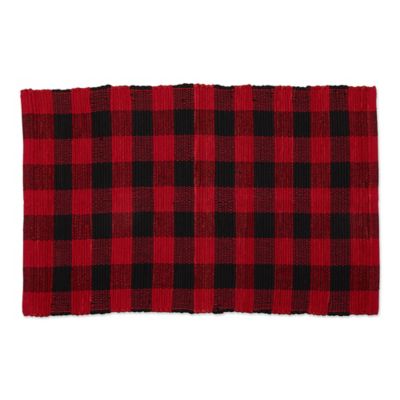
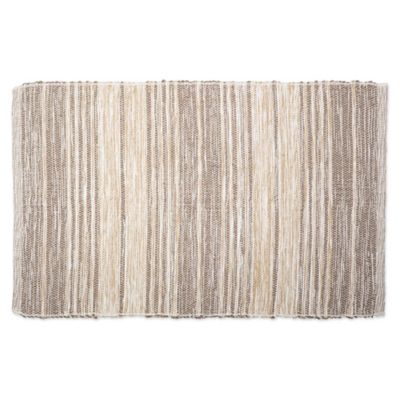
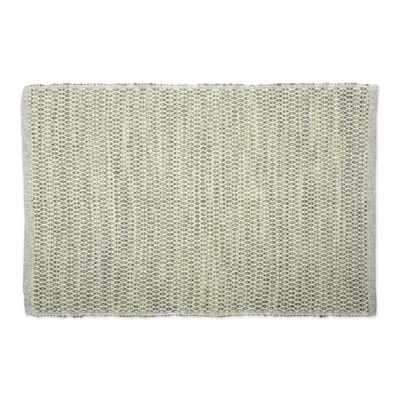
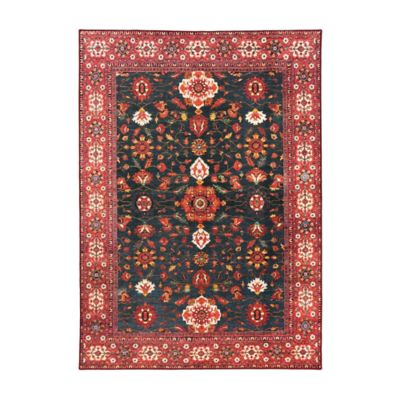
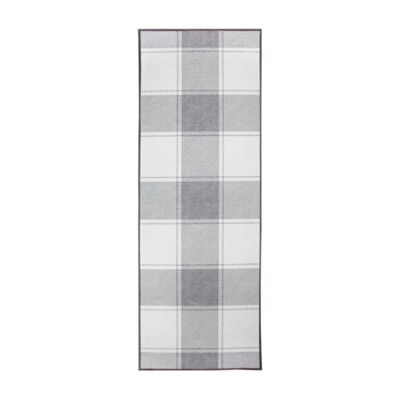
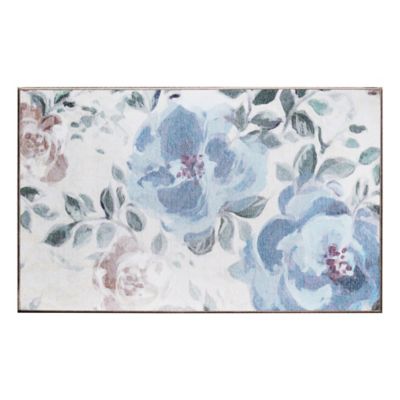
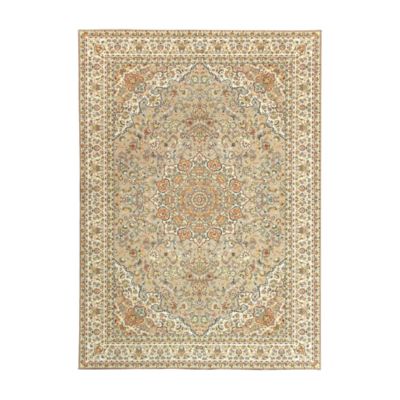
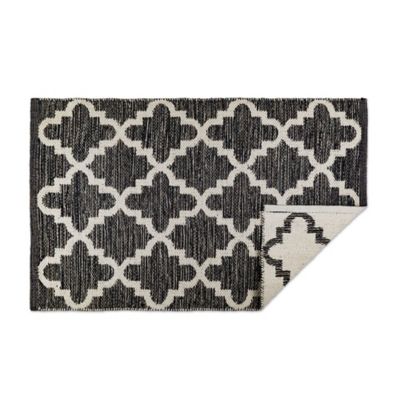
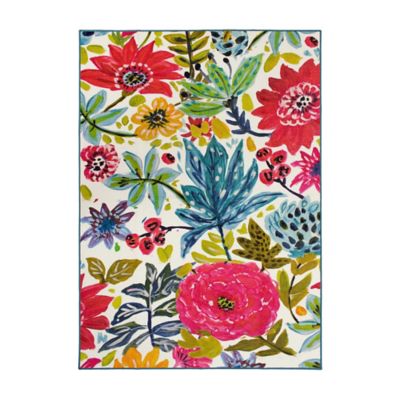
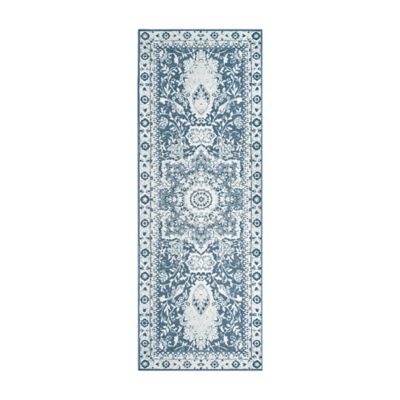
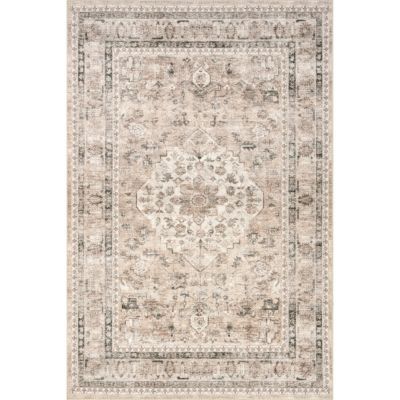
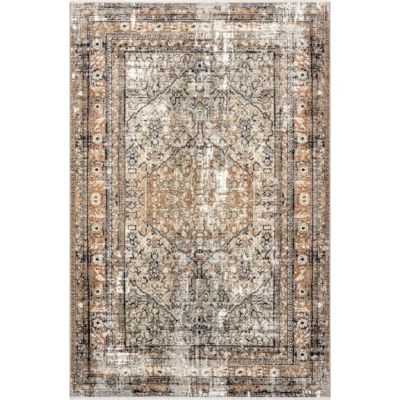
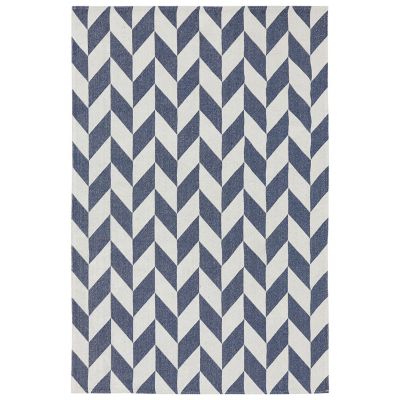
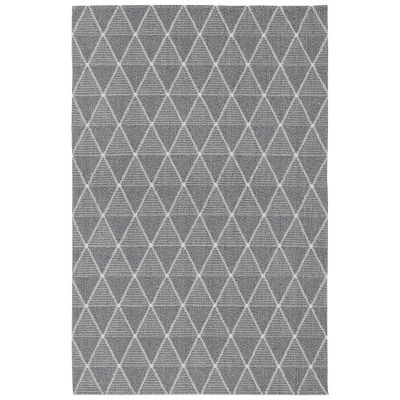
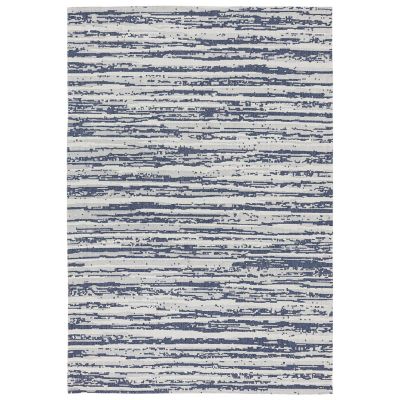
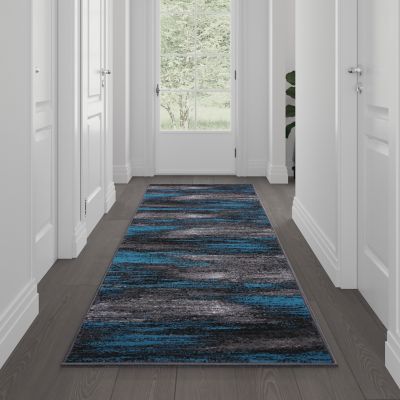
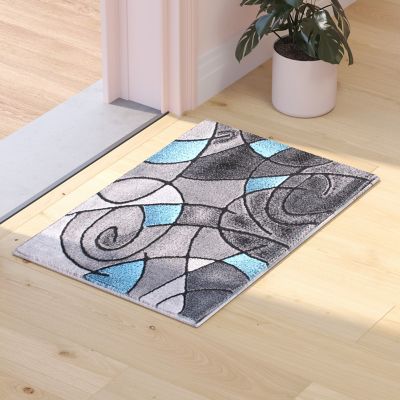
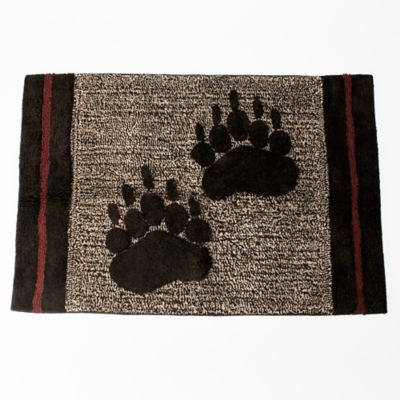
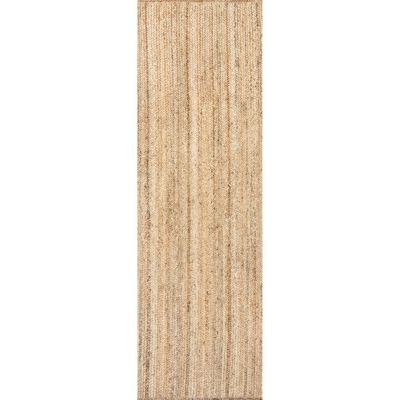
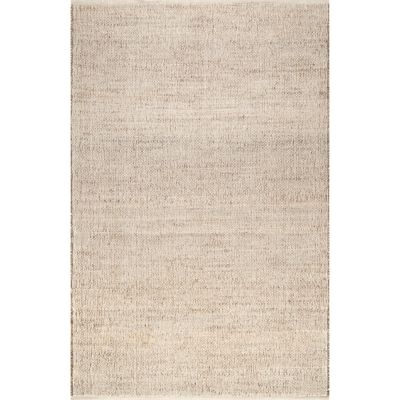
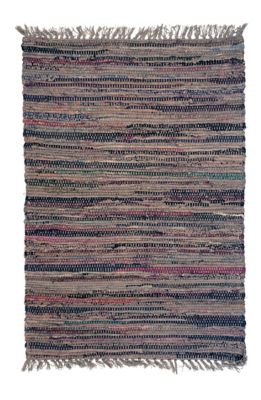
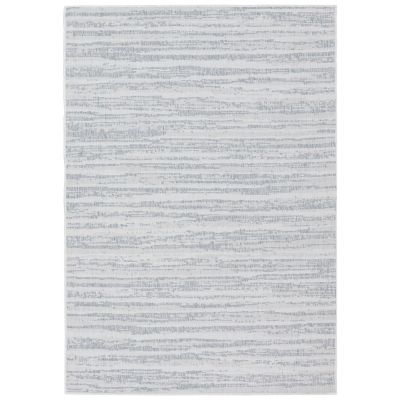
Washable rugs for bedrooms add a softer landing beside the bed while making everyday dust, tracked-in dirt, and small spills easier to handle. Machine-washable styles can go in a washing machine when the care label allows and the rug fits the machine’s capacity, giving busy households another way to keep bedroom floors feeling fresh. That convenience makes sense in a main bedroom, a child’s room, or a guest room where a little comfort goes a long way. The right size depends on where bare feet land and how furniture sits. A small accent rug beside a twin bed provides a comfortable spot for getting dressed, while a runner can fit along the open side of a bed in a narrow room. A larger area rug can extend beneath the bed and reach beyond both sides, bringing the sleeping area together without covering every inch of flooring. Common dimensions such as 5 by 7 feet, 6 by 9 feet, and 8 by 10 feet offer starting points, but the actual bed frame, nightstands, and walking space matter more than the size name alone. Measuring the open floor and marking the corners with removable tape can make the footprint easier to picture before choosing. There should be room for doors and drawers to open without dragging across the pile, and rug edges work best outside the spots where feet naturally turn or step down. Color and pattern help set the feel of the room, too. Earth tones pair easily with wood furniture, denim bedding, and simple quilts, while lighter shades can brighten a room with dark floors. Stripes, checks, faded patterns, and small repeating designs offer different looks without asking the whole room to change. A patterned surface may make little bits of lint less noticeable between cleanings, though no color takes the place of regular care.
Material and construction shape how a washable bedroom rug feels, how it wears, and what laundry day involves. Cotton can offer a soft, familiar feel and a flatter profile, though its absorbency may mean more drying time. Polyester and other synthetic fibers can provide softness with care needs that vary by weave, backing, and finish. The fiber name alone does not tell the whole story, so the full care label matters more than a general claim on the front of a package. Low-pile rugs tend to fit more easily beneath bedroom doors and allow a vacuum head to move across the surface with less resistance. They also give small furniture a steadier footing than a deeply textured surface might. A thicker pile can feel inviting beside the bed, but extra loft adds material to wash and dry and may hold onto hair more readily. Flatwoven rugs offer a lighter profile that suits tight spaces, though a rug pad may be needed for grip and cushioning. Some washable constructions have a removable top layer and a separate pad; others have an attached backing and are washed as one piece. With a layered design, each part may have different cleaning instructions, and the cover needs to sit flat after reassembly. An attached backing keeps the pieces together, but the whole rug still needs to fit the washer without being packed tightly into the drum. Nonslip backing can help limit movement, yet its grip depends on the floor surface, dust underneath, and the condition of the backing. Any separate pad should match the rug’s dimensions and be compatible with the flooring beneath it, especially where finishes have specific care requirements. Edges, binding, and corners deserve a look as well: a bedroom rug should lie flat, clear nearby furniture, and stay out of the way of everyday foot traffic.
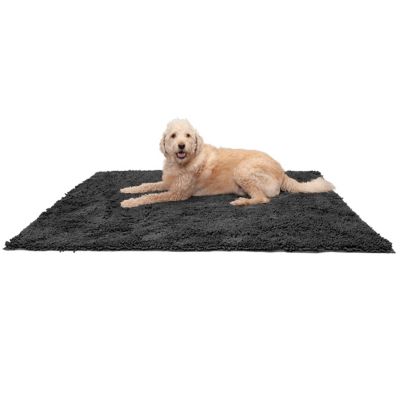
For homes with children or pets, washable bedroom rugs offer a practical balance between a comfortable floor and manageable cleanup. A reading spot beside a child’s bed, a place for a dog to settle nearby, or the stretch of floor in front of a dresser can all benefit from a washable surface. Washability does not automatically mean stainproof, chew-resistant, or waterproof, however. Spills still need prompt attention so moisture does not sit against wood or seep beneath the backing, and pet accidents may call for care beyond a regular wash. Shorter pile and a less open weave may be easier to manage around shedding pets, while fringe and loose loops can invite tugging or snagging. Routine vacuuming helps remove grit before it works deeper into the fibers; the rug’s instructions should determine whether a rotating brush is appropriate. When a full wash is needed, detergent type, water temperature, cycle setting, and drying method should all follow the care label. Machine washable does not automatically mean dryer-safe, and high heat can affect certain fibers or backings. A rug that feels manageable when dry can become much heavier when wet, so its weight and the washer manufacturer’s load guidance belong in the decision alongside color and size. Larger rugs may require a larger-capacity machine rather than a standard home washer. Complete drying matters before the rug returns to the bedroom, particularly beneath a bed where airflow is limited. Comparing
Machine Washable Area Rugs by dimensions, pile height, backing, and care requirements can help narrow the choice to something that suits both the room and the household routine. The best fit leaves a comfortable stretch of rug where feet touch down, keeps walking paths clear, and makes cleanup realistic after a long day. That combination brings everyday comfort to the bedroom without turning a small spill into a bigger chore.