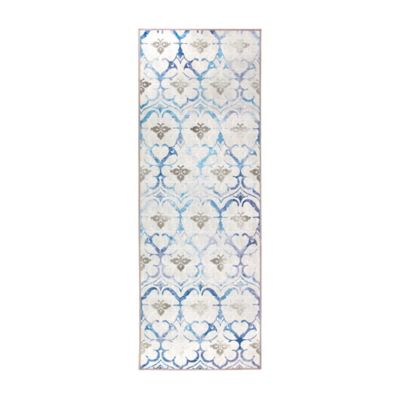
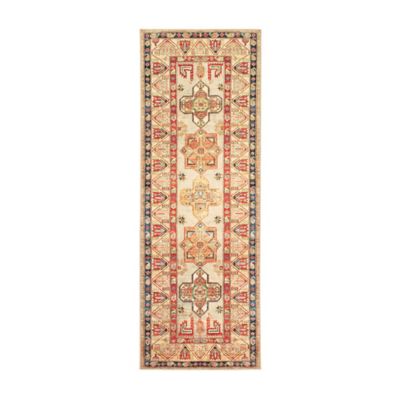
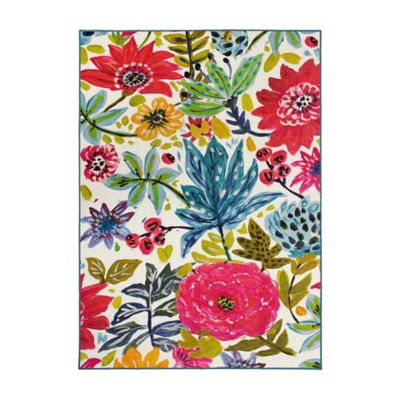
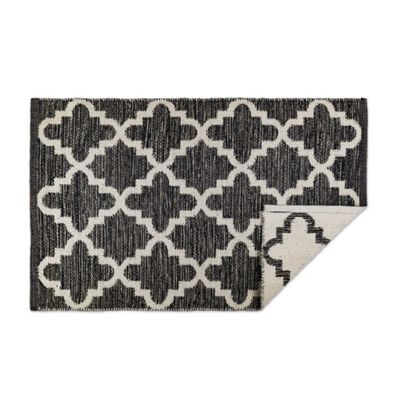
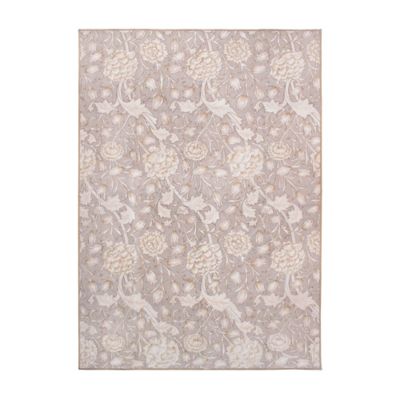
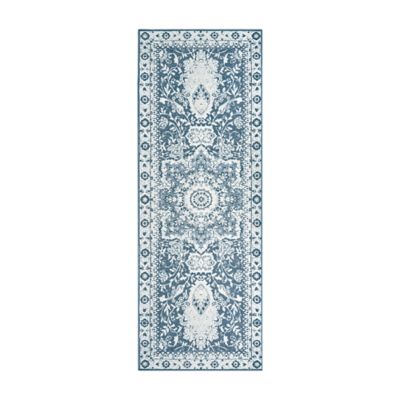
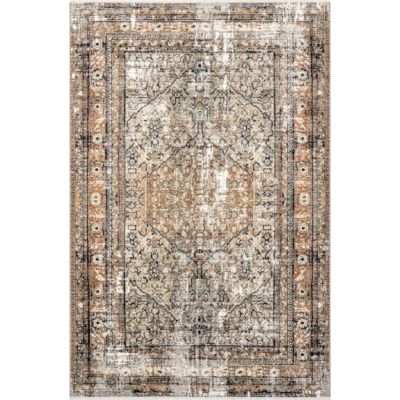
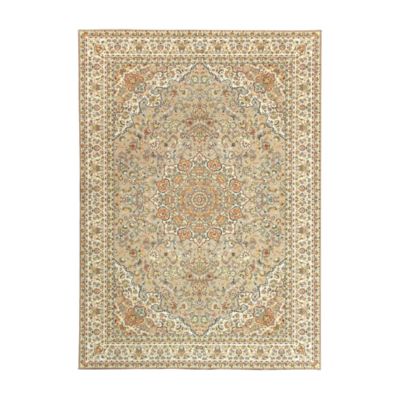
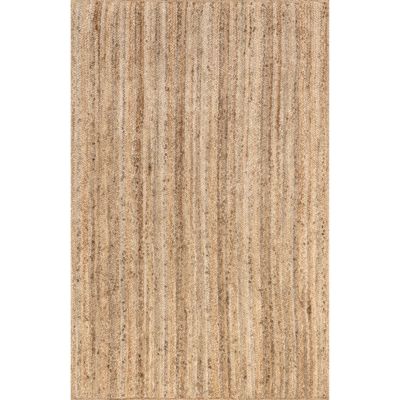
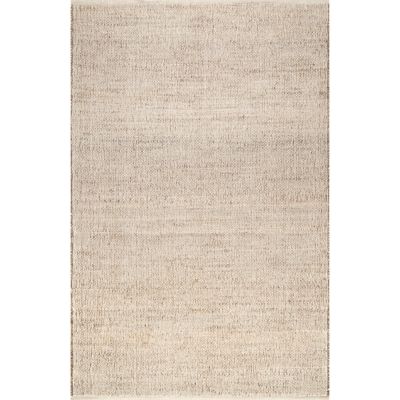
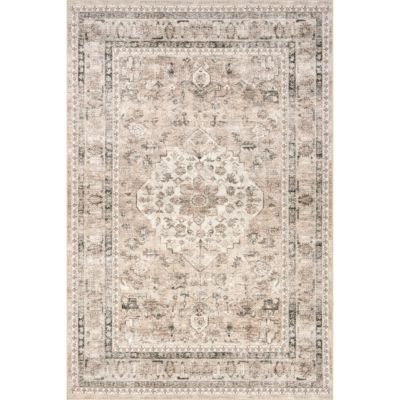
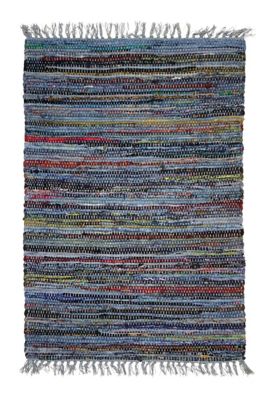
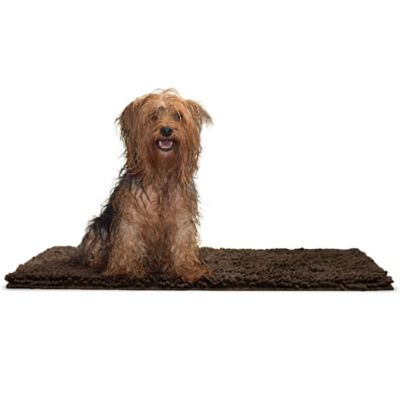
Machine washable runner rugs bring a softer feel to narrow spaces while making everyday cleanup more manageable. Their long, slim shape fits the places where feet tend to follow the same path: down a hallway, past the kitchen sink, through a laundry room, or between the back door and the rest of the house. In a busy country home, that might mean a spot for taking off chore boots or a comfortable stretch of floor beside the counter where lunches get packed. A washable runner can catch loose dirt and crumbs before they spread farther across the floor, though regular vacuuming still matters. The main benefit is straightforward: when the care label allows it and the rug fits the washer, a deeper cleaning does not have to mean washing the whole thing by hand. Construction makes a difference here. Some machine washable runners are single-piece rugs with the backing attached, while others have a removable fabric cover that separates from a pad underneath. With a two-piece design, the cover may be machine washable even when the pad is not. A single-piece runner keeps the layers together, but its full size and weight count toward the washing machine’s capacity. Both styles can work well for households with children, pets, or plenty of foot traffic, provided the rug’s care requirements suit the household routine. Washability does not automatically mean waterproof, stainproof, or suitable for outdoor placement; those are separate features that need to be stated on the rug’s label. For kitchens and entryways, a low profile can help keep the runner out of the way of moving feet and swinging doors. Beside a bed or along a quieter hallway, a slightly softer surface may matter more. The right choice balances the feel underfoot with the practical demands of the space, rather than treating every room as if it sees the same kind of traffic.
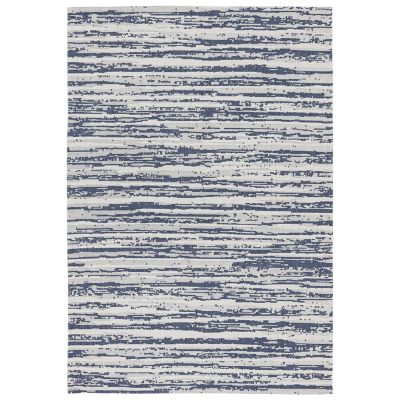
Materials, weave, and backing all affect how a machine washable runner rug feels and how it holds up to repeated cleaning. Polyester is common in washable designs because it can provide softness, clear pattern detail, and good color retention, though stain resistance and drying time vary by construction. Cotton can offer a soft, absorbent surface, but some cotton rugs may shrink or change shape if washed or dried outside their care directions. Synthetic blends can combine different fiber characteristics, so the complete fiber content and care label tell more than the material name alone. No fiber makes a rug machine washable by itself; the stitching, dyes, backing, and overall construction must also tolerate the process. Low-pile and flatwoven runners tend to leave less depth for crumbs and grit to settle into, which can be handy along kitchen cabinets or near a pet’s usual path through the house. A thicker pile offers a different feel, but it also adds height, weight, and material to wash and dry. Neat edge binding and secure stitching matter in a hallway that gets crossed all day, especially where shoes regularly brush the edges. Backing deserves the same attention. A nonslip backing can help limit movement, but its grip depends on the floor surface and keeping the contact area clean. A separate rug pad may improve traction or cushioning when the rug manufacturer permits one. Floor compatibility matters, too, since some backing materials and pads are not recommended for certain wood, vinyl, or other finished floors. Pattern and color have a practical side as well. Small repeating patterns, mixed tones, and medium shades can make bits of lint or a few crumbs less noticeable between cleanings. Lighter colors can brighten a narrow passage, while darker shades create a stronger outline against pale flooring. Neither replaces cleaning, but each changes how the runner looks during an ordinary day of meals, chores, and trips through the house.
Fit starts with the usable floor space, not just the wall-to-wall measurements. A runner generally looks settled when there is visible flooring along both sides and enough room at the ends to avoid crowding a doorway or landing. In a kitchen, its width should suit the aisle without pushing the edges under cabinet doors or into nearby walking routes. Door clearance needs to account for both the rug and any pad, and the runner should lie flat without curled corners or bunching. A long hallway may call for more coverage than a small laundry room, but a larger rug also brings a larger laundry load. Washer capacity is worth checking before settling on a size: a rug needs room to move in the drum, and a tightly packed load may not clean or rinse properly. The washing machine manual and the rug’s care instructions should agree on what the appliance can handle. Routine care usually starts with removing loose grit, shaking out debris where practical, and vacuuming with a setting suited to the rug’s pile and edges. Spills are best blotted promptly rather than rubbed deeper into the fibers, with any cleaning solution checked against the care label. Many washable runners call for cold water, a gentle cycle, and mild detergent, but those directions are not universal. Bleach, fabric softener, and dryer heat may affect colors, fibers, or backing unless specifically permitted. Some rugs can tumble dry on a stated setting; others need air drying, and a wet runner may need support so its weight does not stretch it out of shape. Complete drying before the rug goes back on the floor helps keep moisture from being trapped underneath. These details make a difference in homes where the runner earns its keep every day, whether that is alongside a sink, outside the laundry area, or down the hall from the bedrooms. For wider spaces that need more floor coverage,
Machine Washable Area Rugs offer a different shape for seating areas and open rooms. A well-fitting washable runner keeps the focus on the narrow spaces, adding color and comfort without getting in the way of everyday life.