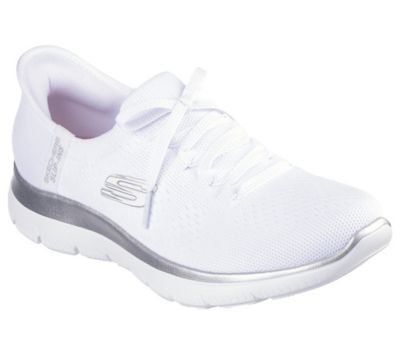
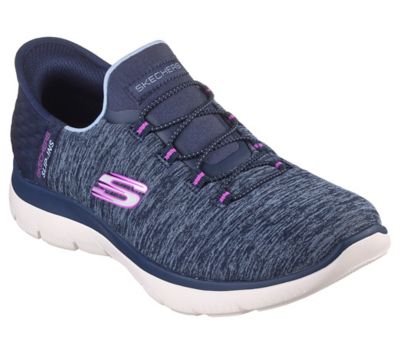
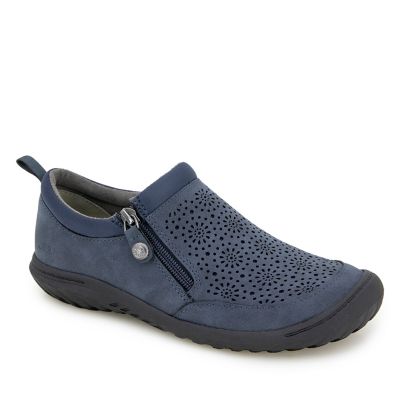
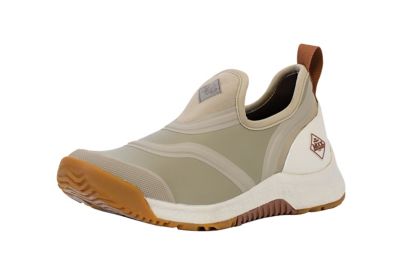
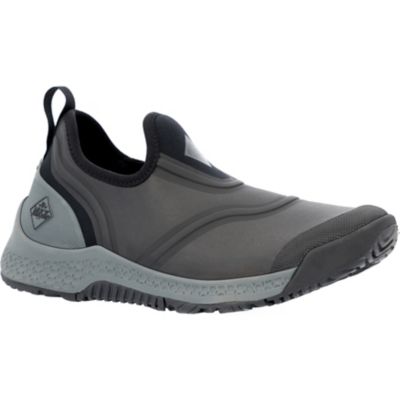
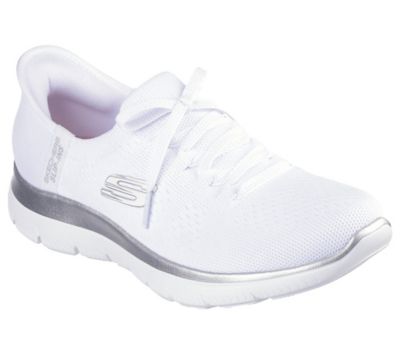
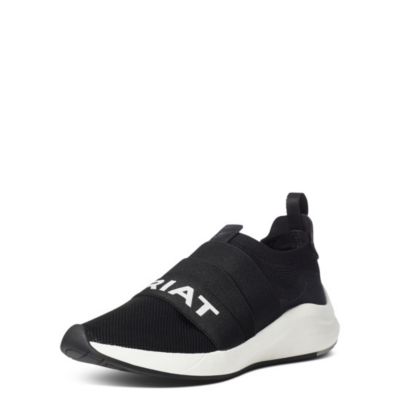
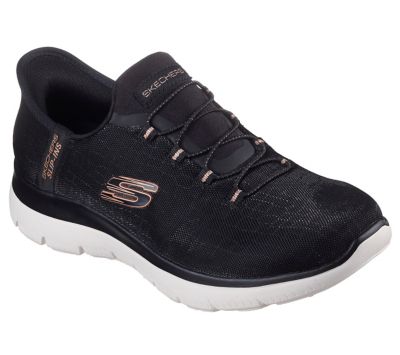
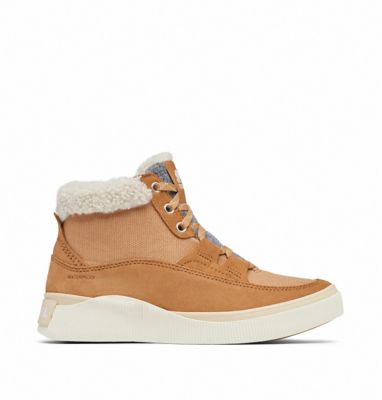
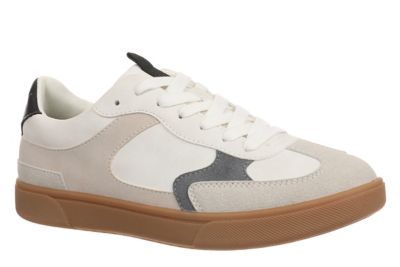
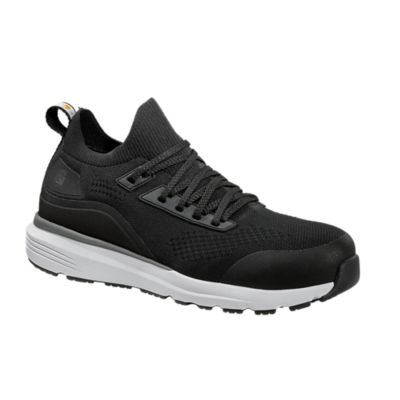
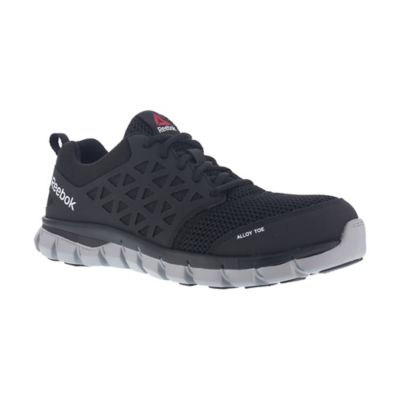
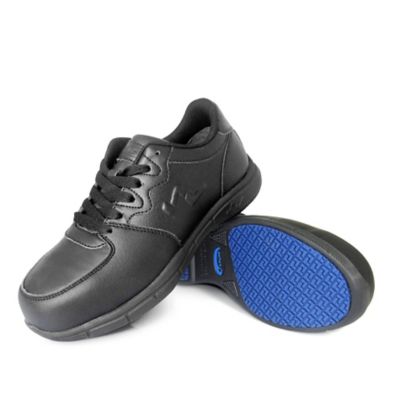
Vegan sneakers for women are shoes made without animal-derived materials in their uppers, linings, soles, trims, or adhesives. They bring an animal-free approach to familiar everyday footwear, from simple lace-ups and easy slip-ons to sport-inspired shapes with cushioned soles. Cotton canvas, synthetic mesh, microfiber, and synthetic leather alternatives are common materials, each with a different feel underfoot and against the foot. Canvas has a casual, textured appearance that pairs easily with jeans, while mesh allows more airflow and often gives a sneaker a lighter feel. Smooth synthetic uppers offer a more structured look and can be easier to wipe clean after a day of errands. Some constructions incorporate recycled polyester or plant-derived ingredients, although those details are separate from whether the entire shoe is vegan. A plant-based leather alternative may still contain synthetic binders, and recycled content alone does not establish that a sneaker is animal-free. The vegan designation matters across the whole shoe, including smaller components that are not visible from the outside. A fabric upper, for example, does not tell the full story about glue, backing materials, or heel patches. Clear material information helps distinguish an animal-free sneaker from one that simply has a nonleather appearance. Style matters, too, especially for shoes that handle several parts of the day. A low-profile pair can look right with straight-leg jeans and a button-down for lunch in town, while a more athletic silhouette fits naturally with leggings or joggers for a walk around the neighborhood. Neutral colors keep outfits simple, and brighter accents add personality without changing the practical role of the shoe. For women who prefer animal-free footwear, these sneakers offer an everyday option for trips to the feed store, afternoons at a community fair, and the ordinary miles between the driveway and the front door.
Comfort in women’s vegan sneakers depends on the shape and construction of the shoe, not just the material label. A flexible canvas upper feels different from a structured synthetic one, and padding around the collar can change how securely the heel sits. The best everyday fit leaves room for the toes to spread without letting the foot slide forward or the heel lift with every step. Width matters as much as length: a shoe can have enough space at the front and still press across the ball of the foot. Rounded fronts often appeal to shoppers who prefer a less tapered shape, though the amount of space depends on the individual design. Shoppers comparing that silhouette can also explore
Womens Round Toe Sneakers, keeping in mind that toe shape and vegan construction are separate details. Socks, footbeds, and lacing also affect how a pair feels through a full day. Someone who wears thicker socks or an orthotic may need more interior depth, while a removable footbed can make room for a preferred insert. Adjustable laces allow a closer fit over the instep; slip-on styles trade that adjustment for quick entry when heading out the door. Cushioning can soften the feel of pavement, but a very soft sole is not always the steadiest choice for someone standing at a counter for hours. A supportive platform, secure heel, and outsole suited to the walking surface all contribute to comfort. Tread with some depth can help on packed gravel, while flatter patterns may feel more natural on smooth indoor floors. Intended use remains important: casual sneakers suit everyday walking and errands, but running, court sports, and gym training call for footwear built for those movements. Around livestock, heavy equipment, or jobs with protective-footwear requirements, an everyday sneaker is not a substitute for task-appropriate work shoes or boots.
Wear life comes down to materials, construction, daily demands, and care. Areas worth attention include the connection between the upper and sole, reinforcement around the toe, and stitching near places that bend with each step. A flexible shoe should move with the foot without pinching across the forefoot, while the heel lining should feel smooth rather than rough or loosely fitted. Different materials also show wear in different ways. Canvas can pick up marks along the toe and sidewalls, mesh can catch on rough edges, and coated synthetic surfaces may crease where the foot bends. Regular cleaning helps keep those small signs of daily life from becoming a bigger chore. Loose dirt usually comes away with a soft brush, and a lightly damp cloth can handle many surface marks on smooth uppers. Fabric sections may need a mild cleaning solution, but the care label should determine the method. Machine washing is appropriate only when the manufacturer allows it, since soaking and agitation can affect adhesives, cushioning, or surface finishes. Air-drying away from direct heat helps protect the shoe’s shape; putting sneakers away while damp can leave the lining unpleasant for the next wear. Removable footbeds and laces can be cleaned separately when their care directions permit, making it easier to reach the parts that collect everyday grime. Any conditioner or treatment should suit the upper material, and shoppers maintaining an animal-free routine may also want to check ingredients in shoe-care supplies. Vegan sneakers can make a thoughtful gift for a daughter heading to college, a sister who walks everywhere, or a friend who prefers animal-free clothing and footwear. Knowing the recipient’s usual size, width, and favorite shoe shape makes that choice more personal and practical. Whether the pair is for a gift or a regular spot by the door, the strongest match brings together animal-free construction, a comfortable fit, straightforward care, and a style that feels at home in the wearer’s everyday routine.