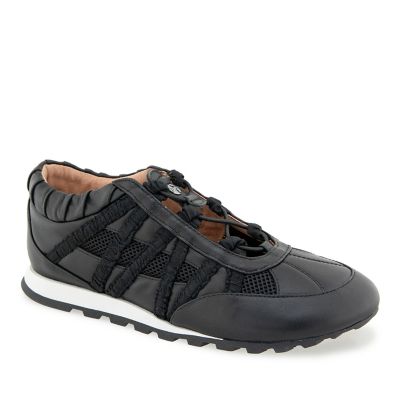
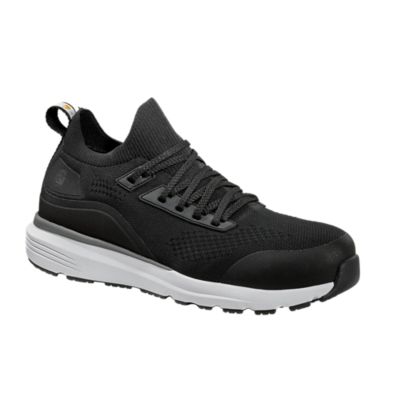
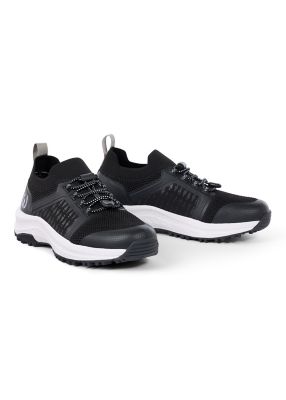
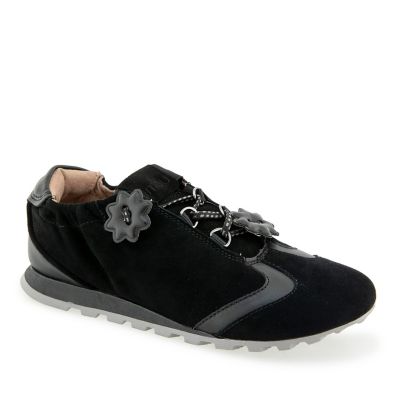
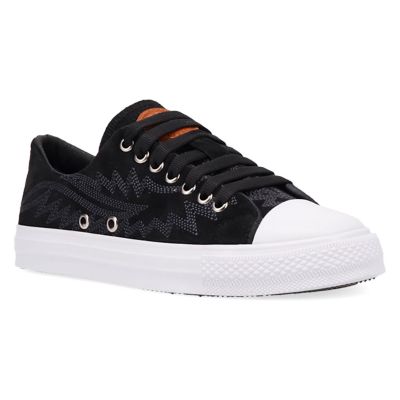
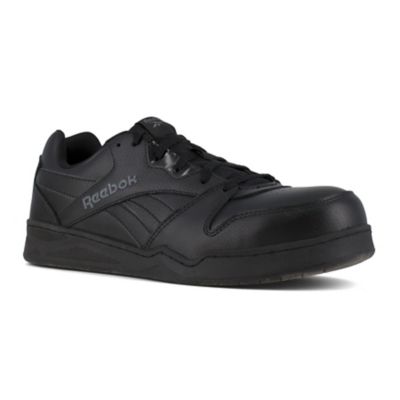
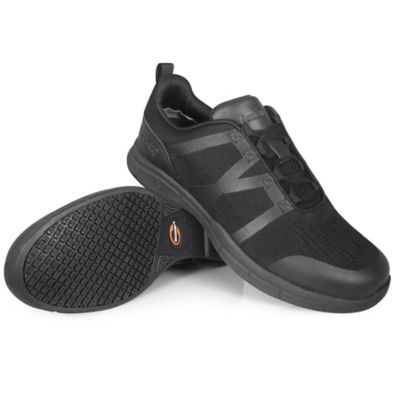
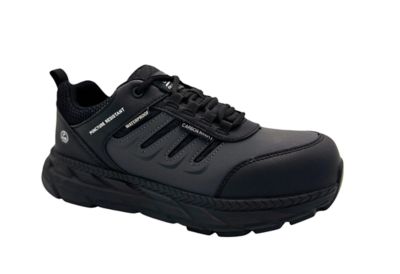
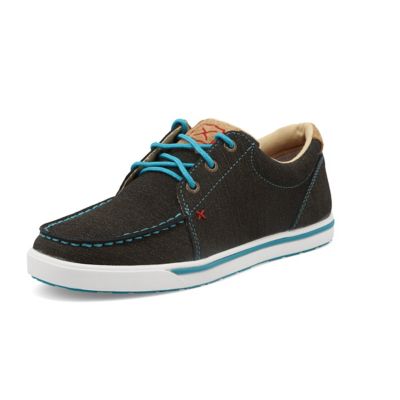
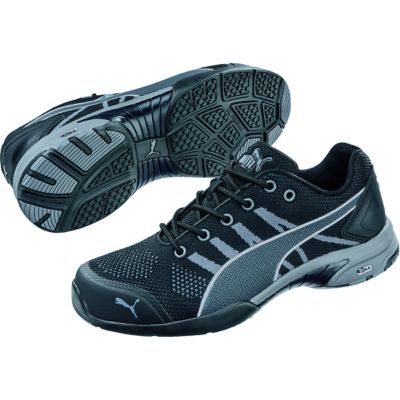
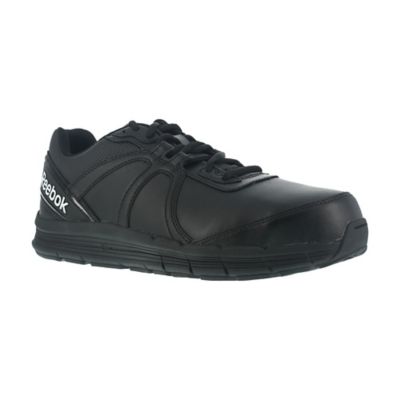
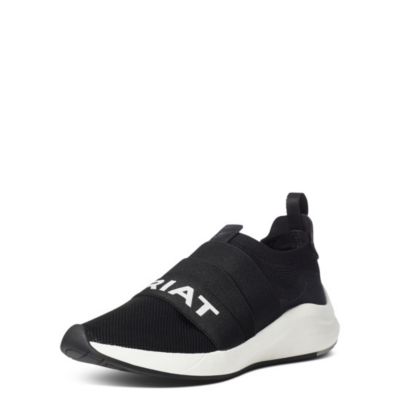
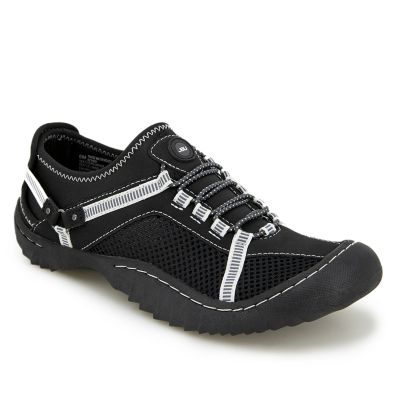
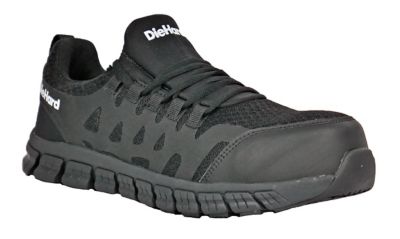
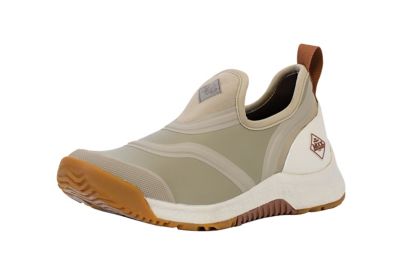
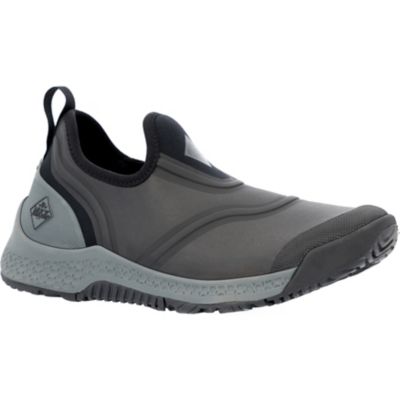
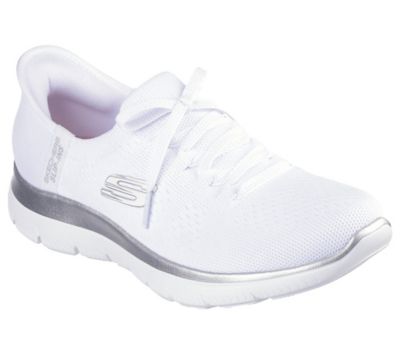
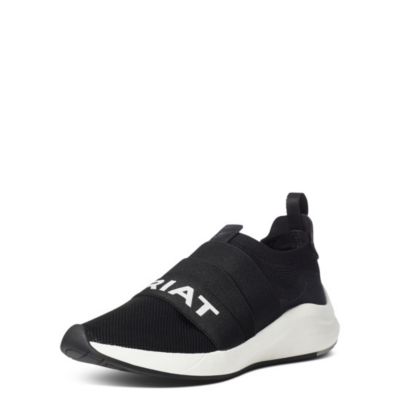
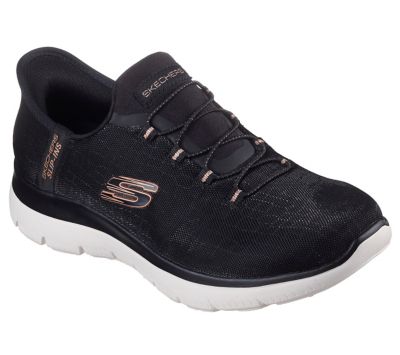
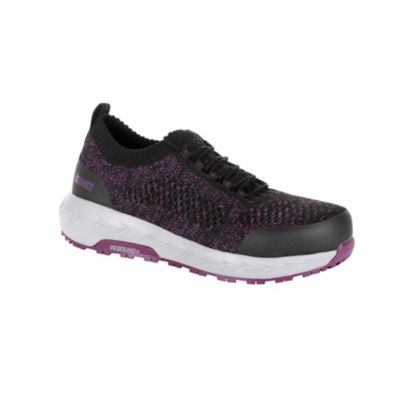
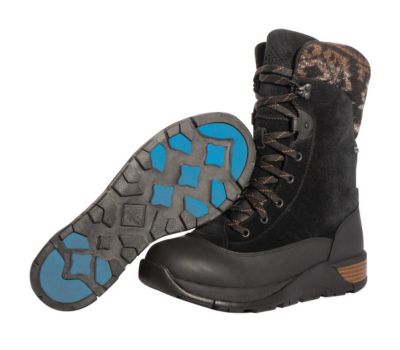
Women's black walking sneakers fit the kind of day that starts with a walk down the lane and keeps going through errands, appointments and a few extra laps around town. Their simple color pairs easily with jeans, leggings, joggers and casual work pants, so there's no need to change shoes just to head from a neighborhood walk to the grocery store. All-black styles have a low-key look, while black uppers with contrasting soles or stitching add a little definition. Beyond appearance, construction makes a difference in how a sneaker feels after more than a quick trip across the parking lot. Mesh and knit uppers generally allow more airflow and give around the foot, while leather and synthetic panels can add structure around the heel and sides. A softly lined collar can help limit rubbing near the ankle, and a smooth interior matters when several thousand steps are part of an ordinary day. Underfoot, foam cushioning helps soften contact with pavement, but the deepest or softest sole isn't automatically the best match for every walker. Some women prefer a firmer feel that keeps each step steady; others appreciate more cushioning for longer stretches on hard surfaces. A shoe that bends near the ball of the foot can make rolling forward feel natural without leaving the whole sneaker floppy. Rubber outsole sections take much of the contact with sidewalks and store floors, while tread placement affects grip and flexibility. For someone walking the dog, making the rounds at a community center or getting steps in along a paved park loop, these small construction details can matter more than a flashy look. Black walking sneakers work best when their shape, materials and support suit the places they'll actually go, whether that means a steady daily route or plenty of short trips from one stop to the next.
Fit deserves just as much attention as cushioning, especially when a pair will stay on for hours. Start with the socks normally worn for walking, since a thicker sock can change how the toe box and heel feel. Both feet need room to settle naturally, with roughly a thumb's width ahead of the longest toe and enough space across the front for toes to spread without pressing into the sides. That extra room shouldn't come from buying a shoe so long that the heel slides with every step. A wider fit may be a better answer when the forefoot feels squeezed but the length already feels right. Lace-up closures offer several points of adjustment, making it easier to ease pressure over the top of the foot while keeping the heel secure. Stretch panels and pull-on constructions can simplify getting dressed, though they still need to hold the foot comfortably during turns and longer strides. Try walking on a clean indoor surface, changing direction and pausing on the balls of the feet to notice slipping, pinching or a seam that catches. Feet can expand through the day, so an afternoon fitting often gives a more useful picture than trying shoes on first thing. Shoes shouldn't need painful breaking in to become wearable. If an orthotic is part of the routine, check whether the footbed comes out and whether enough depth remains once the insert is in place. Intended use matters, too: a sneaker suited to paved paths isn't necessarily the right footwear for rough ground, ladders or work that calls for protective features. For jobs where slick floors are a concern,
Women's Black Slip Resistant Sneakers offer a related category to consider alongside workplace footwear requirements. Check the stated traction features and any required testing information rather than assuming that a dark rubber sole provides slip resistance. Even footwear designed for traction needs sensible footing and regular attention to the condition of its tread.
Keeping black walking sneakers looking tidy and feeling comfortable usually comes down to simple, consistent care. Fine dust can make a dark upper look dull, especially around stitching and textured panels, so brush away loose dirt before reaching for water or cleaner. A soft brush or dry cloth is a good starting point; after that, follow the care label for the upper material. Mesh, knit, leather and synthetic surfaces don't all respond the same way to soaking, scrubbing or cleaning solutions. For washable surfaces, a damp cloth and a small amount of suitable mild cleaner may handle everyday marks without a full wash. Avoid putting sneakers in a washing machine unless the manufacturer's directions allow it, and keep them away from direct heat while drying. Letting shoes air out between outings helps the lining and footbed dry, particularly after a long walk. Removable insoles can be lifted out for airing when the care instructions permit, and laces can be cleaned separately so grit doesn't stay trapped around the eyelets. Black fabric and leather can show light-colored residue, so removing cleaner thoroughly matters as much as lifting the original mark. Regular wear checks help keep a comfortable pair in rotation without hanging on past its useful life. Look for tread worn smooth in high-contact areas, a heel that has collapsed to one side or cushioning that feels noticeably flatter than before. A sneaker may still look presentable from above while the support underneath has changed. Rotating between pairs can give each one time to dry and makes it easier to notice differences in feel. For a practical gift, black walking sneakers can suit someone who enjoys daily walks or spends plenty of time on the go, but knowing her size, width and preferred underfoot feel matters more than guessing from appearance. The best match is a pair that fits her routine comfortably, cleans up without much fuss and feels steady from the first errand to the last stretch home.