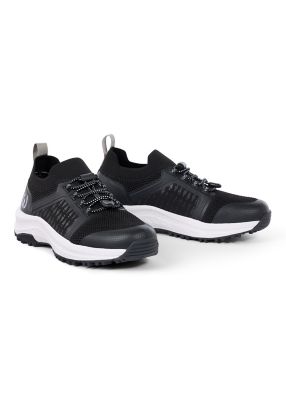
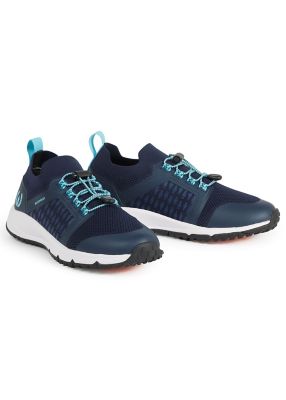
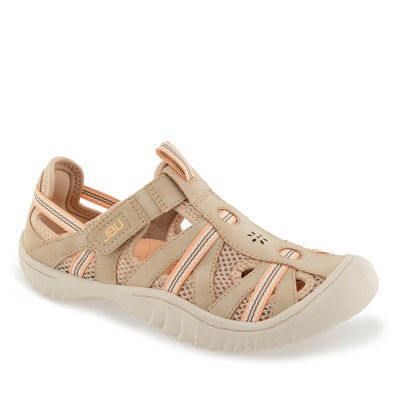
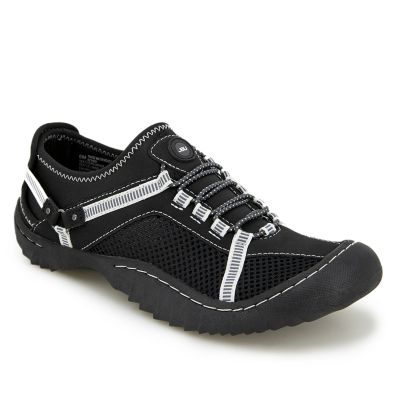
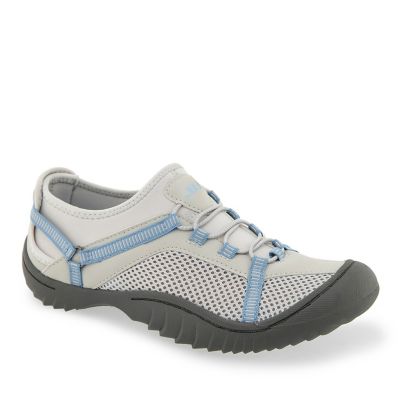
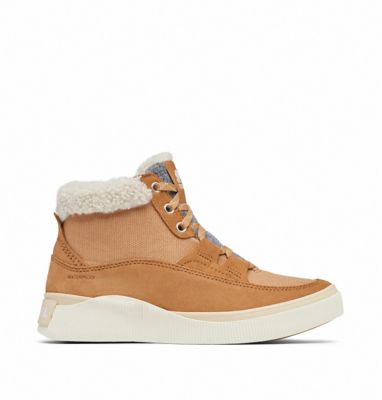
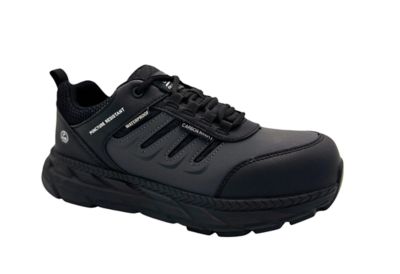
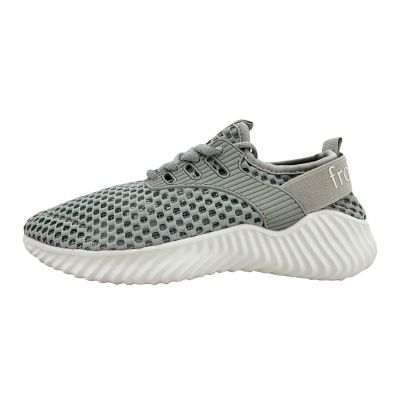
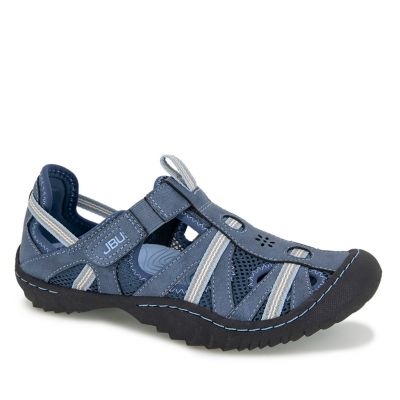
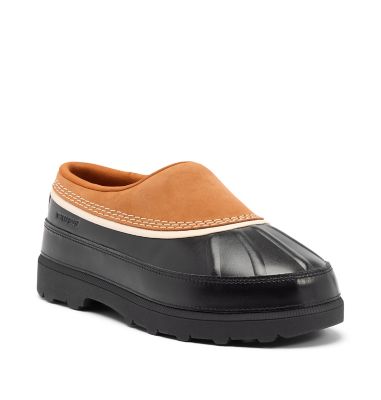
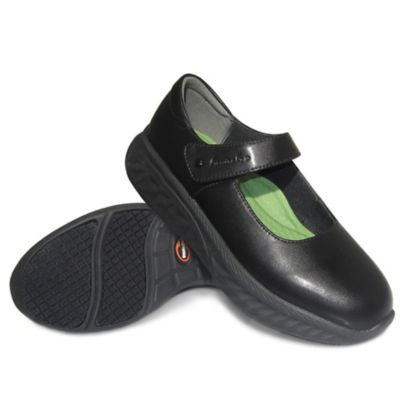
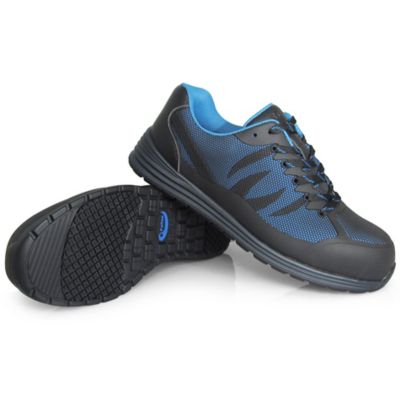
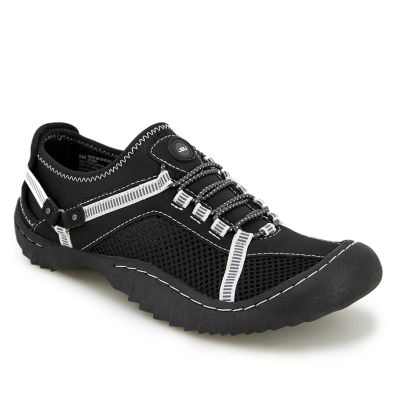
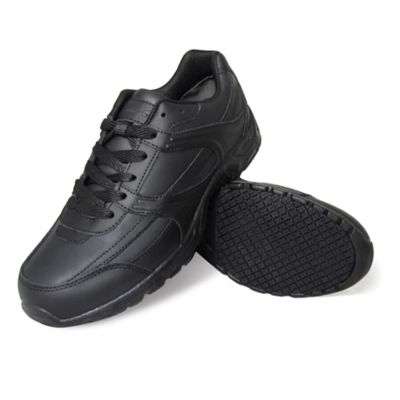
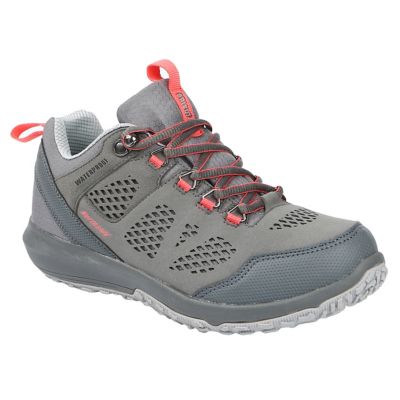
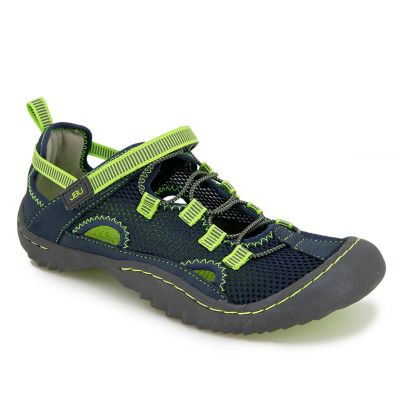
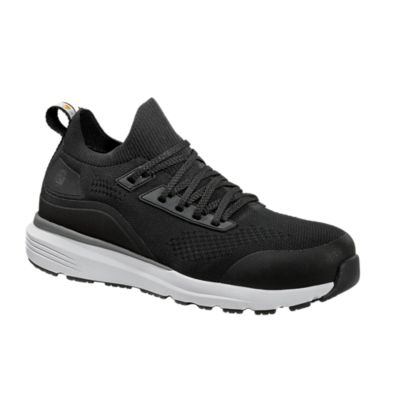
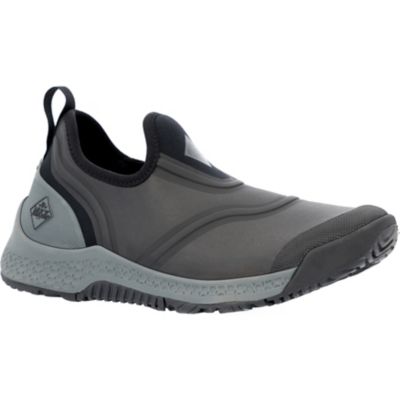
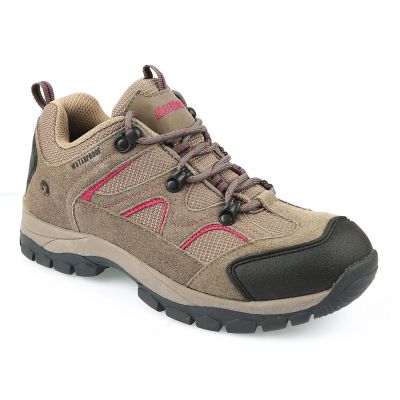
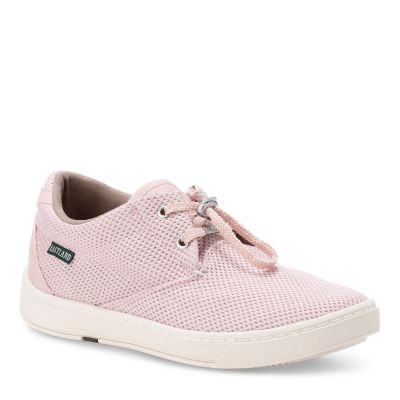
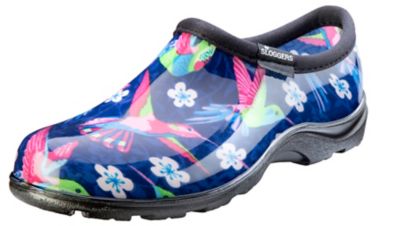
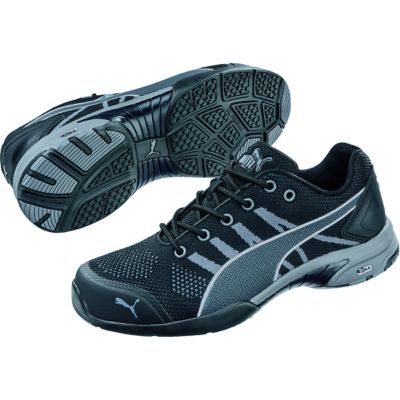
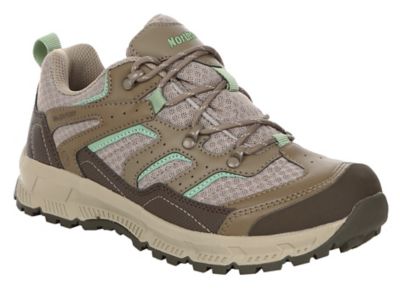
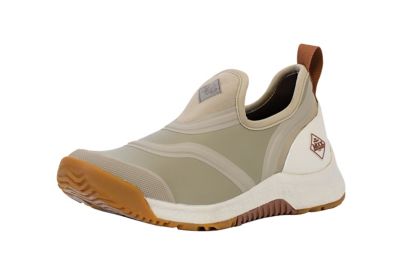
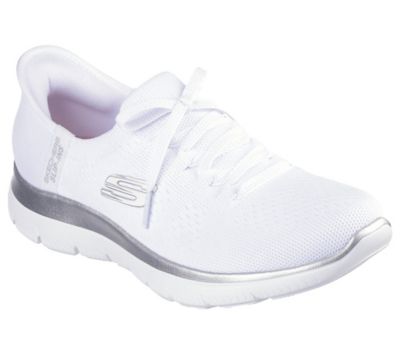
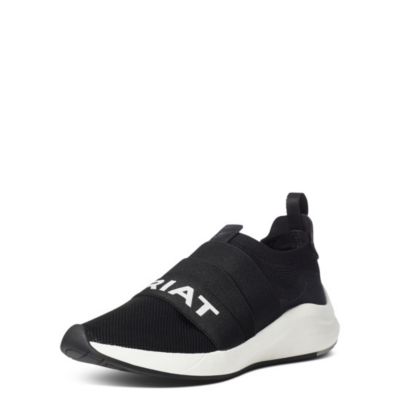
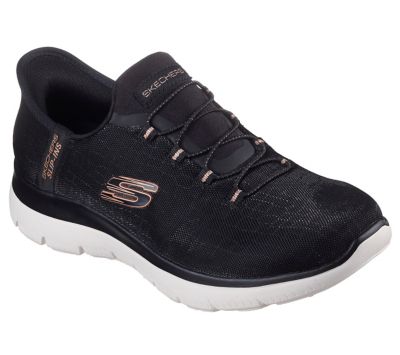
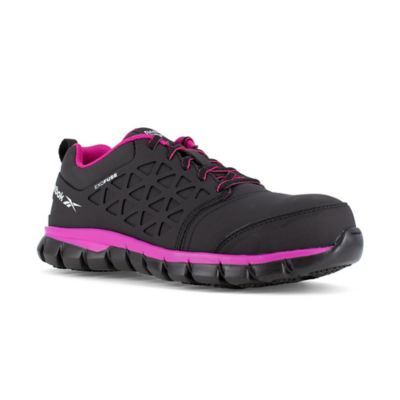
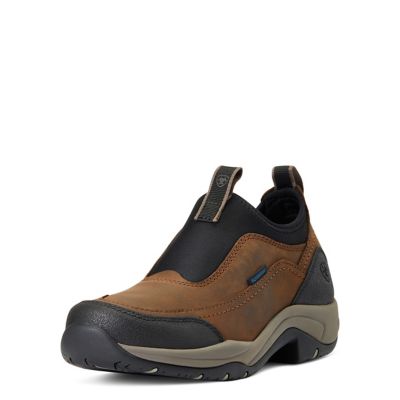
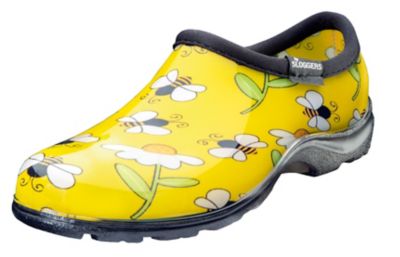
Women's water-resistant sneakers bring everyday walking comfort to the damp stretches between the house, the truck and the next stop in town. They're a practical match for light rain, wet grass and small splashes when a full-height boot feels like more footwear than the day calls for. Water resistance means a shoe can slow moisture from getting through its upper; it does not mean the shoe will keep feet dry through prolonged rain, standing water or deep puddles. Performance depends on the materials, construction, condition and length of exposure. Tightly woven textiles, treated leather and synthetic uppers can each provide some resistance to moisture, while a water-repellent finish helps droplets bead on the surface rather than soak in immediately. Open mesh panels, tongue openings and unsealed seams can still give water a way inside. Waterproof construction offers a different level of protection, often through a membrane or inner barrier combined with sealed seams, though water can still enter over a low collar. For everyday styles with that added protection,
Women's Waterproof Casual Shoes offers a related category to consider. Neither description alone tells the whole story about comfort: airflow, lining materials and sock choice also affect how feet feel through a long day. A lightly lined sneaker may suit errands and short walks, while a more enclosed upper can feel different after hours on your feet. These shoes make sense for walking from a gravel driveway into the feed store, crossing a damp parking lot or taking the long way around the neighborhood with the dog. They aren't a substitute for tall waterproof footwear in standing water or for protective work footwear around livestock, heavy equipment or other job hazards. That distinction matters when a day includes both a quick trip into town and chores that call for more coverage.
Fit makes a noticeable difference in women's water-resistant walking sneakers, especially when a short errand turns into several hours on the move. The toe box needs enough room for toes to spread without the foot sliding forward on a slope, and the heel should sit securely without rubbing at the collar. Foot shape matters as much as the size printed inside: a narrow heel, broad forefoot or higher instep can change how the same style feels. Trying shoes with the socks intended for everyday wear gives a better sense of the fit, particularly when thicker socks take up extra room. Feet may swell during a day of walking, so a snug fit first thing in the morning can feel cramped by the last stop. Laces allow tension to vary across the top of the foot, while slip-on designs depend more heavily on the shape of the opening and the hold around the heel. A removable footbed can leave room for an insert when the shoe has enough depth, but replacing it with a thicker insert may crowd the toes or lift the heel too high. Underfoot, cushioning softens contact with hard ground, while a stable platform helps the foot feel settled on uneven paths. More cushioning doesn't automatically mean more support, and an especially soft sole may not feel steady to every wearer. Outsole design deserves the same attention as the upper. Rubber compounds and tread patterns affect grip, but no sneaker can promise sure footing on every wet surface. Deeper lugs can help on loose dirt and gravel, while shallower tread may feel smoother on pavement and collect less debris. Mud, wet leaves, slick boards and smooth concrete each present different footing. For a day split between porch steps, store aisles and a packed-dirt path, comfort comes from the whole shoe working together rather than any single feature.
Materials and care help determine how women's water-resistant casual sneakers hold up over repeated wear. Leather uppers can develop creases where the forefoot bends and may need a compatible care product to keep the material supple. Textile and synthetic uppers have different cleaning needs, especially when several materials meet around the toe, heel and sole. Reinforced areas can help protect high-contact spots from scuffs, while sound stitching and firmly attached soles matter when shoes regularly cross gravel or brush against rough steps. Fine grit left in seams and flex points can contribute to wear, making a little routine cleanup worthwhile. A soft brush can lift dry dirt from the tread and upper, and a damp cloth can handle many surface marks without soaking the shoe. The care label remains the best reference for cleaners, washing methods and treatments; a washing machine or harsh cleaner can damage finishes, adhesives or internal layers. After a wet outing, opening the tongue and removing removable insoles helps air reach the inside. Drying at room temperature, away from a heater or direct high heat, is gentler on the materials. A water-repellent finish may need renewal over time, but any treatment should match the upper and the maker's directions. Spray alone won't turn a water-resistant sneaker into waterproof footwear. Keeping an eye on flattened tread, split seams and worn lining also helps show when a pair is no longer giving the same comfort or protection. For everyday outfits, low-profile shapes work easily with jeans, work pants and casual leggings, giving these sneakers a place beyond a single task. They can also make a thoughtful gift for someone who walks the dog, spends time outdoors or prefers sneakers for trips into town, provided the size and fit preferences are known. The right match balances splash protection, comfortable movement and upkeep that fits into an ordinary day.