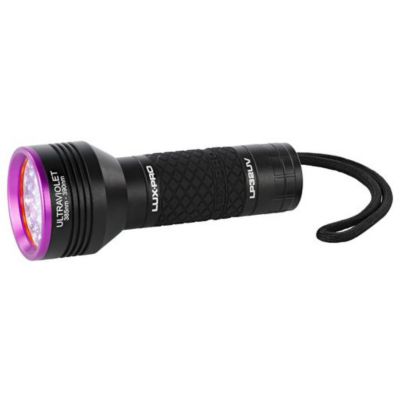
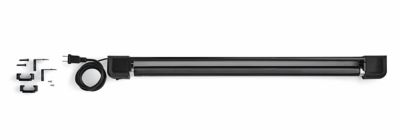
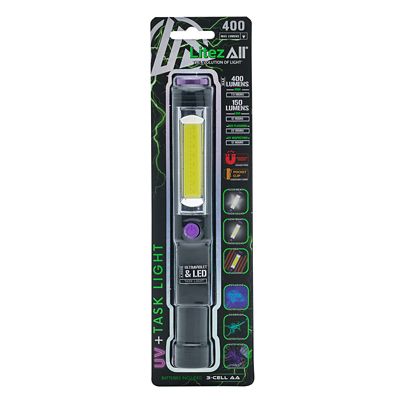
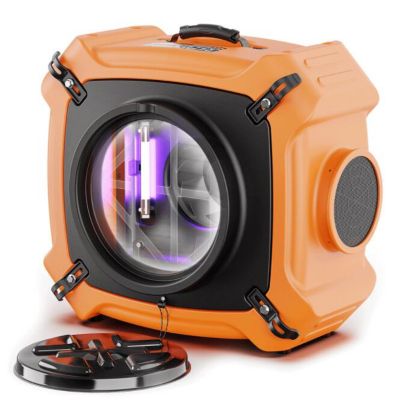
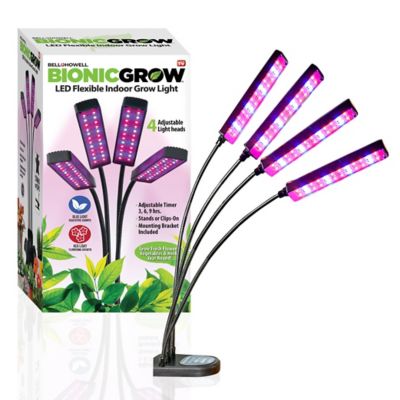
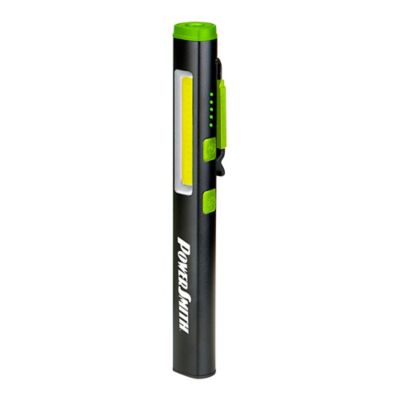
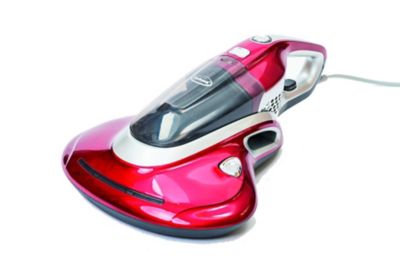
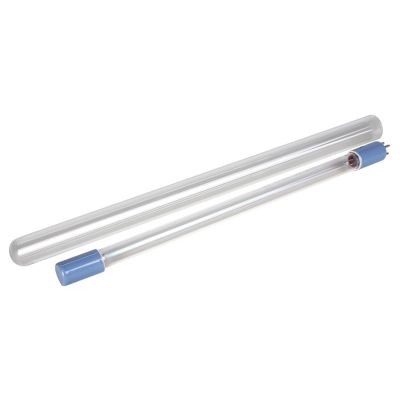
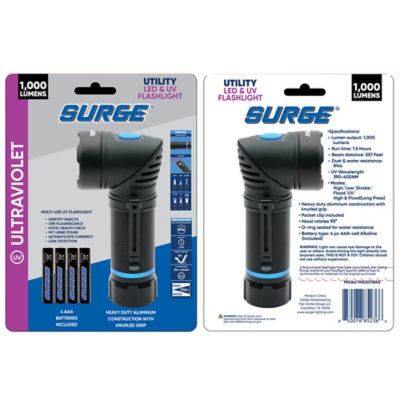
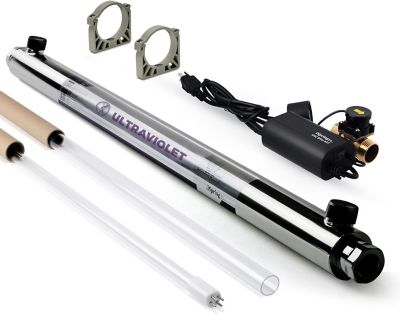
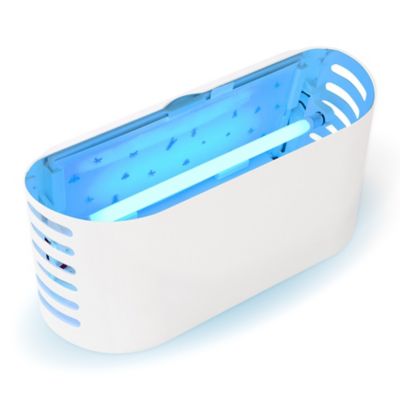
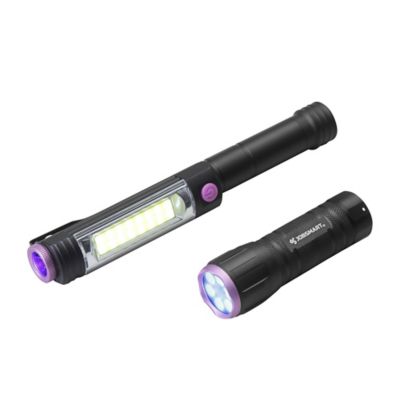
UV lamps are made for a range of jobs, from curing gel nail polish to helping with inspection, crafts, mineral identification, and other specialty work. Although these lamps may look alike at a glance, the type of ultraviolet light they produce makes a big difference. UVA lamps give off long-wave ultraviolet light and are often used for fluorescent materials, artwork, minerals, gemstones, leak detection, and certain testing tasks. UVB lamps are more specialized and are commonly associated with animal care applications that require carefully managed light exposure. UVC lamps produce short-wave ultraviolet light and are designed for germicidal applications, such as treating air or surfaces in an unoccupied room. A UV LED nail lamp, on the other hand, is built to cure compatible gel polish and usually uses wavelengths around 365 to 405 nanometers. When shopping UV lamps, start with the task at hand, then compare wavelength, wattage, coverage area, timer settings, power source, lamp size, and operating instructions. A compact lamp can fit neatly on a workbench, craft table, manicure station, or sorting tray, while a larger unit may be better suited to repeated use or a wider working area. If you are outfitting a barn office, repair room, salon corner, workshop, or home lab, it can also help to think about storage and cleanup. A lamp that is easy to wipe down, simple to position, and convenient to put away is more likely to earn a regular spot in your routine. For spaces that need a softer, everyday glow rather than ultraviolet output, browse
White Lamps for general lighting options.
Many people choose UV lamps for hands-on hobbies and practical work around the house. A nail curing lamp can be a useful gift for someone who enjoys doing gel manicures at home, packs a personal care kit for travel, or likes keeping a small beauty setup on the bathroom counter. Look for a model with even light coverage, an automatic sensor, multiple curing times, and enough room for the hand or foot being treated. Using the lamp with gel products made for that lamp’s stated wavelength helps the finish cure properly instead of staying soft or tacky. UV lamps also have a place in craft rooms and workshops, where UVA light can make fluorescent paints, fibers, resins, security marks, and certain materials stand out. Collectors may use long-wave UV light to inspect minerals and gemstones, while homeowners and technicians may use it to help locate fluorescent dyes used for leak checks or other maintenance work. In these settings, a handheld design can be handy for checking a small item, while a stand-mounted or bench-style lamp may make repeated inspection easier on the hands. Keep in mind that ultraviolet light is not the same as ordinary visible light, even when the lamp appears dim or its glow is hard to see. Wear eye protection rated for the lamp’s output when the instructions call for it, avoid staring into the light, and follow the recommended distance and run time. Protective gloves, long sleeves, and a clear work area can add another layer of care during extended use. For animal-related applications, choose equipment only for the species and purpose listed by the manufacturer and follow veterinary or husbandry guidance rather than guessing at exposure times.
Safety matters most with UVC lamps and with any UV device used near skin or eyes. Direct exposure to UVC can cause painful skin burns and serious eye injury, while extended exposure to UVA or UVB can also harm skin and eyes. Never operate a room-sanitizing UVC lamp while people, pets, livestock, or plants are in the treatment area unless the equipment is specifically designed and approved for occupied-space use. Before starting a cycle, remove everyone from the room, close off the area, and use any remote control, timer, motion sensor, shield, or interlock supplied with the unit. Follow the stated coverage area and run time; more exposure is not automatically better, and a lamp cannot replace ordinary cleaning, ventilation, handwashing, or other sanitation practices. If the unit produces ozone, ventilate the room exactly as directed before reentry, since ozone can irritate the lungs and may be especially troublesome for children, pets, and people with breathing concerns. Keep UV lamps away from flammable materials, moisture, dusty bedding, hay, feed, and clutter, and make sure cords are protected from chewing, pinching, heat, and foot traffic. Inspect bulbs, housings, and plugs before each use, and replace damaged parts instead of trying to patch them up. UV output may weaken as a bulb ages even when the lamp still turns on, so check the manufacturer’s replacement guidance and clean the lens or cover as instructed. During the warmer part of the year, a portable lamp can be useful for mobile projects in a shaded, well-organized workspace; as cooler weather keeps more chores indoors, a compact unit can help make a workbench, mudroom, craft table, or grooming area more useful. Choosing the right UV lamp comes down to matching the light source to the job, planning for safe handling, and selecting a design that fits the way you actually work.