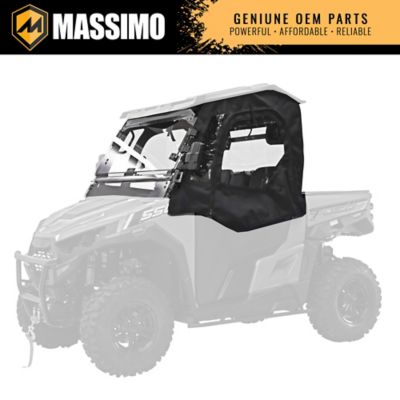
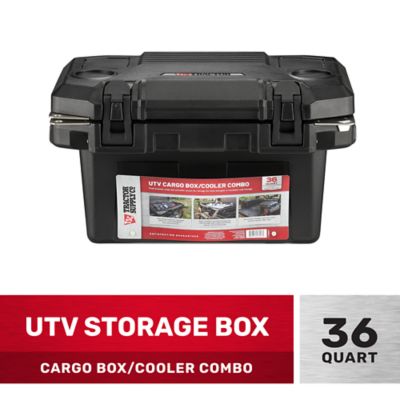
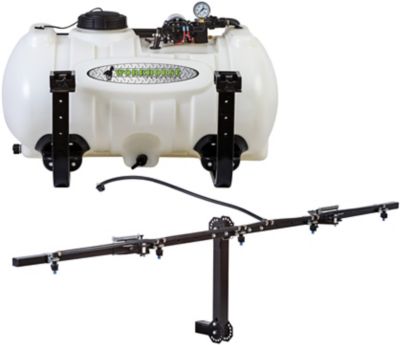
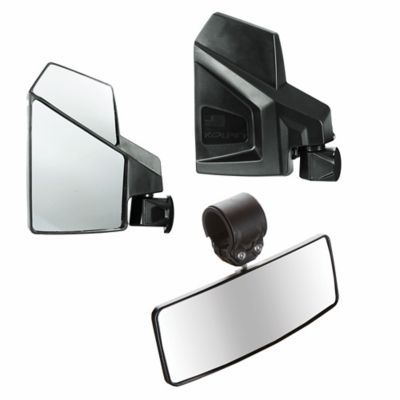
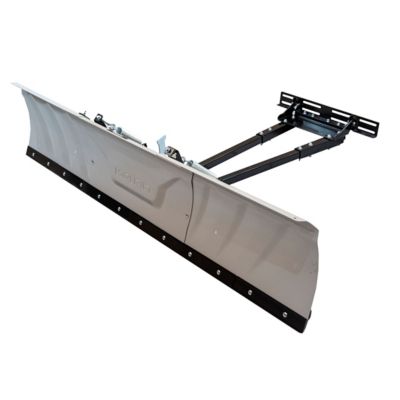
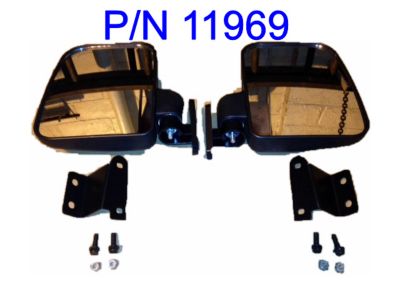
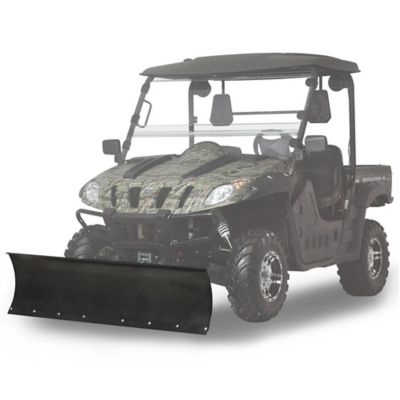
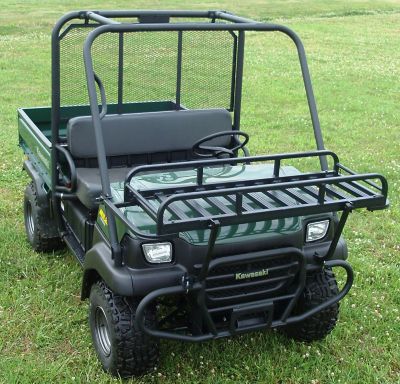
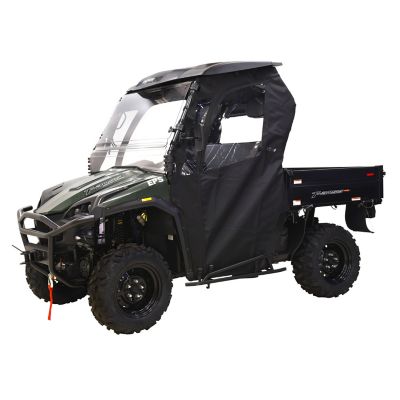
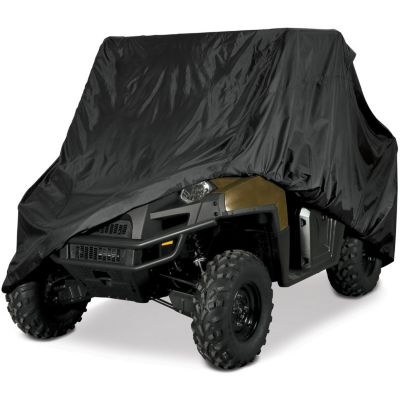
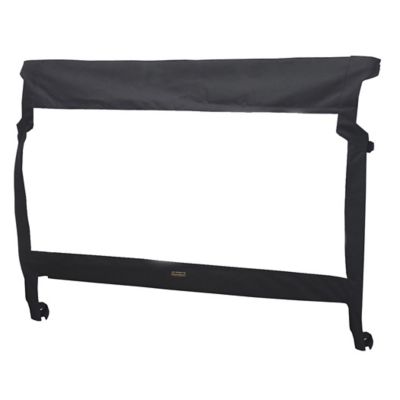
UTV parts and accessories help a side-by-side handle the jobs and outings that fill a day in the country, from checking fence and hauling feed to traveling wooded trails. Replacement parts support the machine’s upkeep, while accessories add functions such as cargo organization, weather coverage, lighting and underbody protection. The right combination depends on where the vehicle travels, what it carries and how often it leaves the shed. A utility vehicle working around livestock faces different demands than one spending most of its time on rocky recreation trails, even when both machines look much alike. For everyday chores, accessible storage and secure hauling space can keep tools from sliding across the cargo bed on every turn. For uneven ground, protective components can help shield exposed areas from contact with brush and debris, though they do not make a vehicle immune to damage. Cab accessories can make a difference when cool air blows across an open pasture or damp leaves cover the trail. Roof coverage, windshields and compatible enclosures offer different levels of shelter, with ventilation and visibility remaining important in changing weather. Clear panels may collect dust, fog or water spots, so their material and care requirements matter as much as their shape. Added lighting can support visibility during permitted low-light operation, but beam placement, electrical compatibility and local rules all affect its suitability. Mirrors can improve the view around a machine, without replacing a direct look before backing or turning. Across these categories, useful upgrades serve a clear purpose rather than simply adding weight or taking up space. Ranchers, property owners, hunters and trail riders often value the same practical details: controls that remain within reach, doors that open freely and equipment that stays secure over rutted ground. UTV accessories earn their place when they make the vehicle better suited to its regular work without interfering with safe operation or routine maintenance. A machine that moves between chores and recreation benefits from equipment that fits both settings without getting in the way.
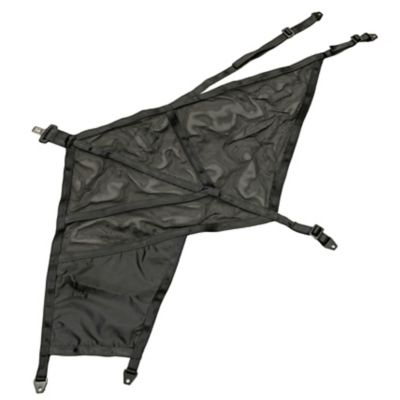
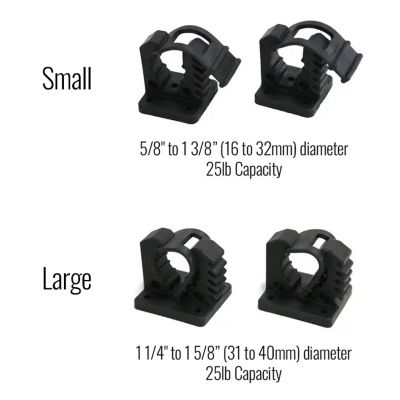
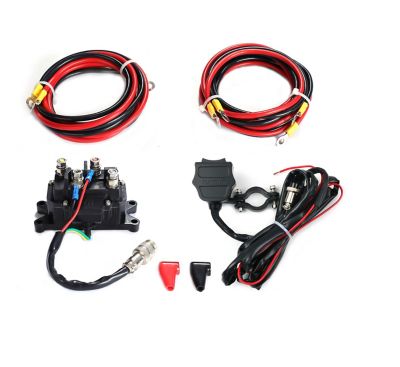
Fit is one of the biggest considerations for UTV replacement parts and side-by-side accessories. Compatibility can depend on the vehicle’s make, model, year, trim level and seating configuration, along with changes already made to the machine. Similar-looking vehicles may have different mounting points, frame dimensions, electrical connections or bed layouts. Even accessories described as universal may require a particular tube diameter, mounting surface or clearance. Vehicle-specific fit information and installation requirements provide a firmer basis for selection than appearance alone. A cab component needs to work with neighboring panels, and a cargo attachment needs room for the bed to tilt if that function is part of the vehicle’s design. Access to service points matters, too; an attachment that blocks a latch or maintenance area can turn a small task into a longer job. Materials influence weight, corrosion resistance and how a part handles everyday wear. Steel can provide strength in demanding applications, while aluminum generally offers lower weight and resistance to rust. Protective finishes help metal surfaces withstand outdoor exposure, although scratches and worn edges still need attention. Molded plastics and other polymers vary in flexibility, impact resistance and tolerance for sunlight. Clear windshield materials also differ in scratch resistance and cleaning needs, making the manufacturer’s care directions especially important. Fabric cab components bring their own considerations, including seam construction, attachment security and whether the material needs to dry before storage. Through the cooler months, mud, moisture and repeated temperature changes put these details to the test. Parts near moving assemblies also need the specified clearance throughout the vehicle’s normal range of motion. Replacement components should match the required specifications rather than merely fitting into the same space. For equipment with electrical connections, voltage, circuit capacity, weather protection and proper installation all matter. These details help separate a fitting addition from one that creates interference, excess electrical demand or extra maintenance. They also help preserve the functions that already make the machine useful, whether that means easy engine access, an unobstructed view or a bed that empties without removing half the attachments.
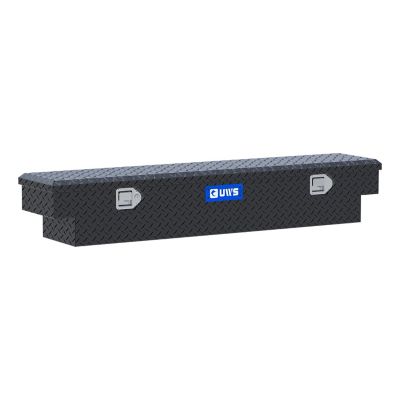
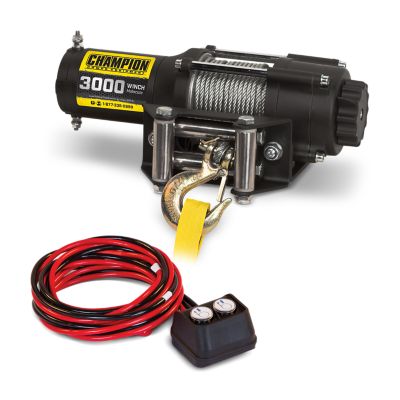
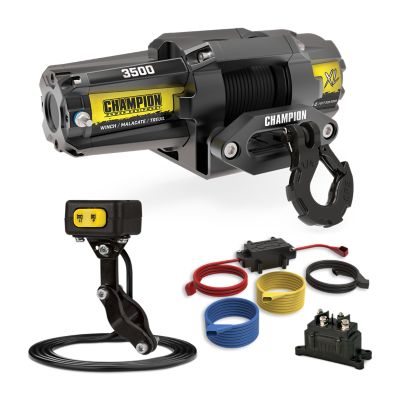
Cargo handling and recovery equipment bring another set of considerations to UTV parts and accessories. A side-by-side carrying fencing supplies across a pasture needs a balanced, secured load, not just enough room to pile everything in. Storage compartments and bed attachments can separate small hardware from larger gear and help keep frequently needed tools close at hand. Their own weight counts toward the vehicle’s limits, along with passengers, cargo and other added equipment. Vehicle payload and towing ratings still apply after accessories are installed, and an attachment does not raise those ratings. Loads also need to leave seat belts, exits, controls and sightlines clear. Recovery equipment calls for a compatible mounting arrangement, appropriate ratings and operation according to both the vehicle and equipment instructions. Soft ground beside a creek or a muddy approach to a gate can place very different demands on a machine than a firm gravel lane. No accessory replaces sound judgment about terrain, traction or whether a route is safe to travel. For hunting trips and land management, quiet storage, protected gear and secure carrying arrangements can be more useful than a crowded cab. Related
ATV Hunting Accessories may also be worth considering for outdoor hauling and organization needs, with compatibility checked separately for the vehicle involved. Practical accessories can make thoughtful gifts for a property owner or trail rider when the recipient’s machine details and regular activities are known. Long service life depends partly on what happens after the ride: mud trapped around brackets, moisture inside storage spaces and loose mounting hardware can all create problems over time. Cleaning methods should suit each material, with particular care around clear panels, seals and electrical connections. Inspection intervals, fastener checks and replacement schedules belong to the manufacturer’s instructions, especially for components exposed to vibration or heavy loads. A well-matched setup leaves room for that upkeep while keeping the machine ready for its usual tasks. Whether the day involves carrying supplies to a far gate or following an established trail, practical fit, manageable weight and straightforward care remain central to a useful UTV setup.