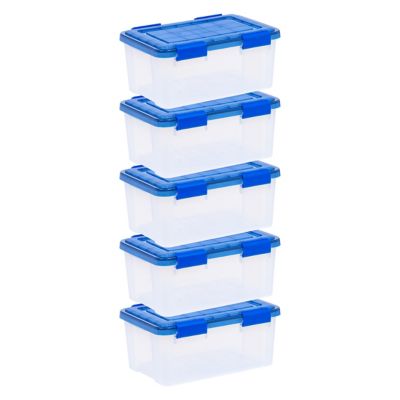
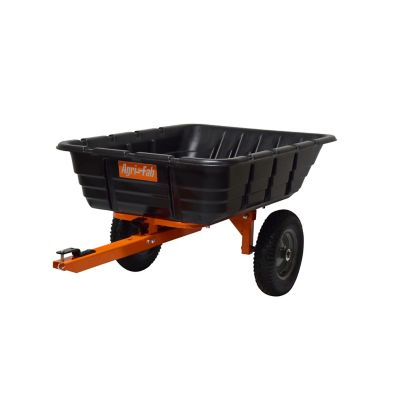
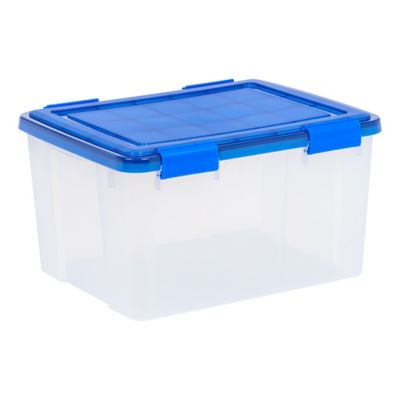
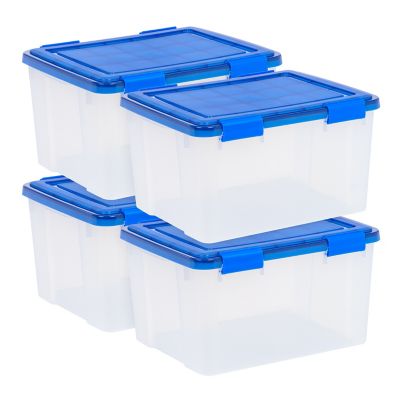
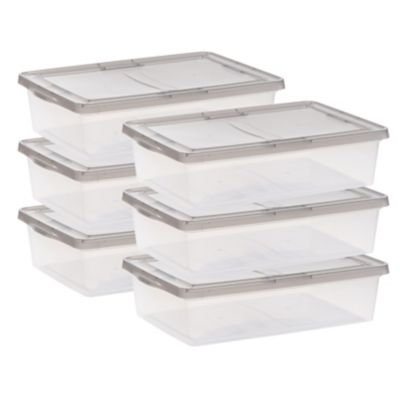
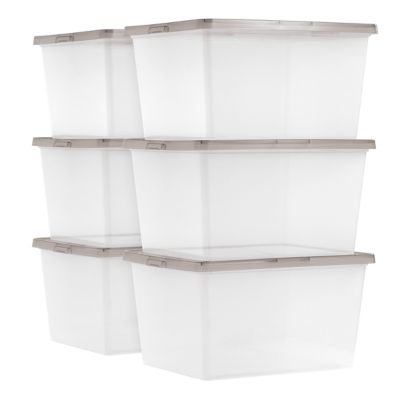
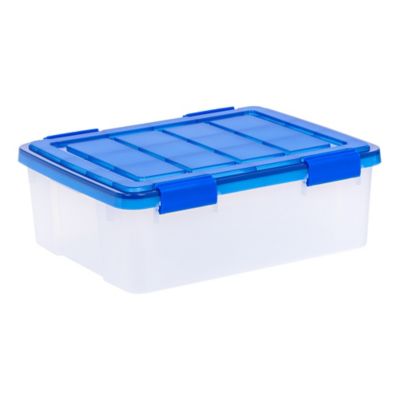
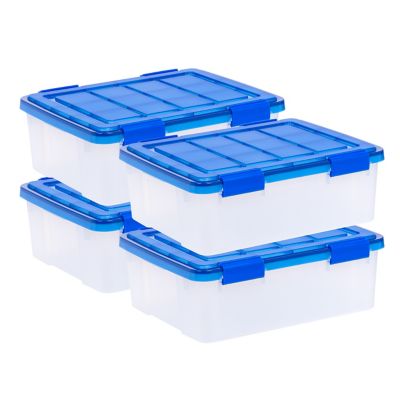
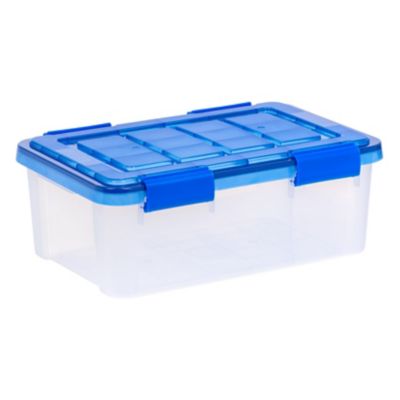
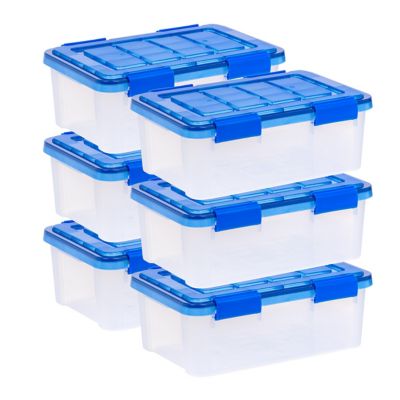
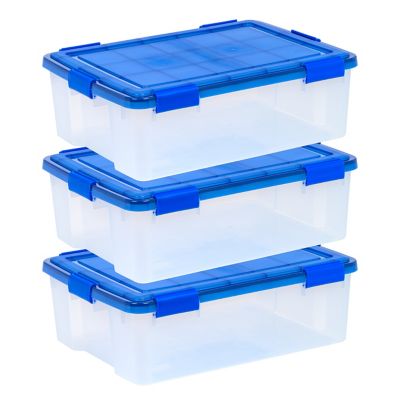
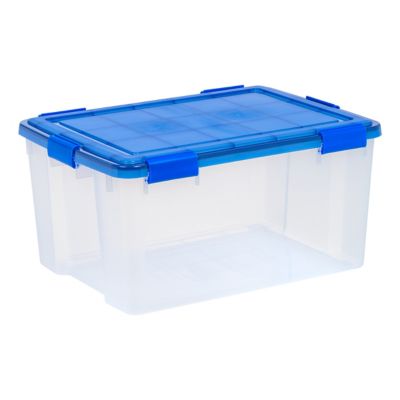
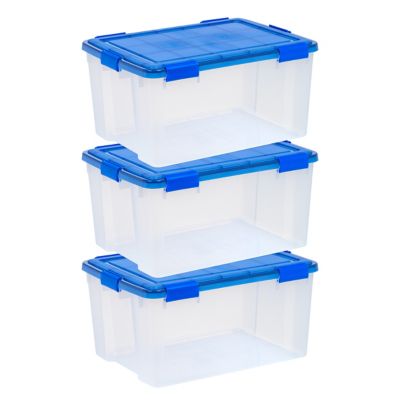
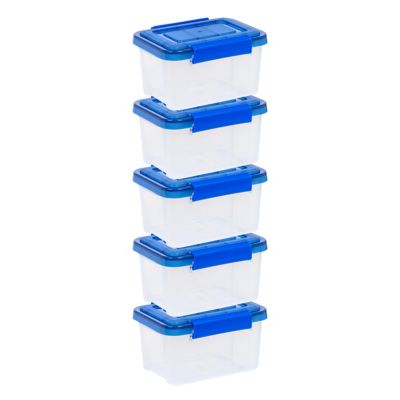
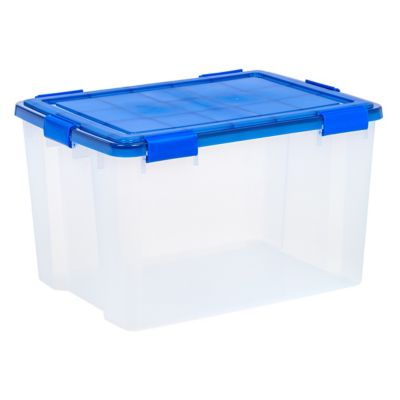
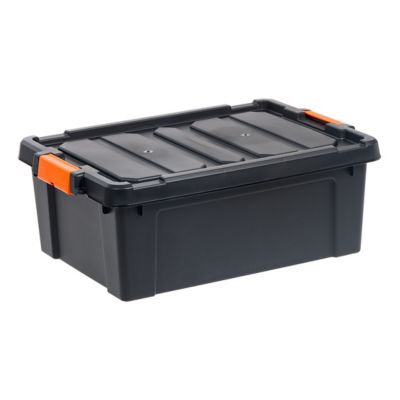
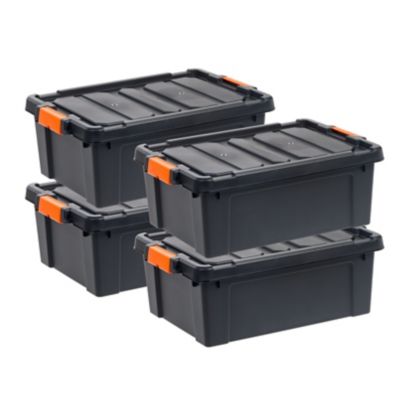
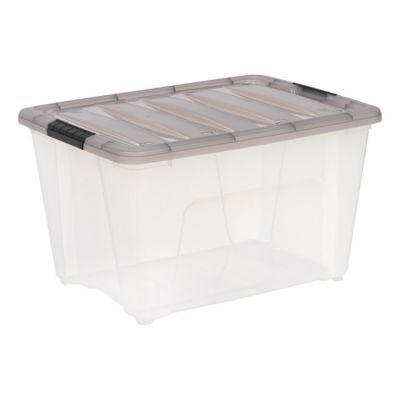
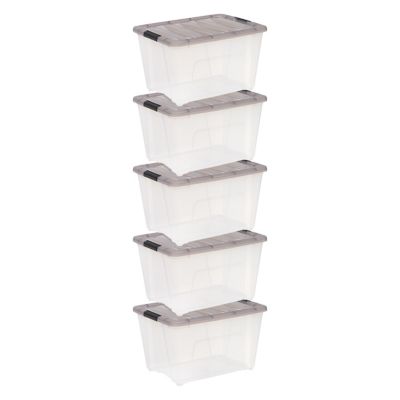
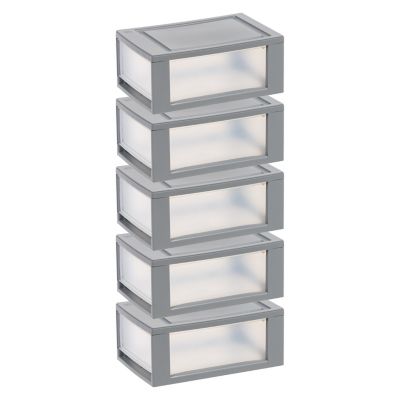
Utility storage gives tools, cleaning supplies, household essentials, and work gear a place to land between jobs. In a garage, laundry room, mudroom, or farm shop, the right arrangement helps keep walkways clear and puts everyday supplies within reach. Open shelving, enclosed cabinets, wall-mounted storage, and rolling carts serve different purposes, so a practical setup often brings a few formats together. Open shelves make it easy to spot a container or grab a tool without opening doors, while cabinets keep their contents out of sight and can help limit dust settling on stored supplies. Wall-mounted storage leaves more floor space open, and mobile storage brings supplies closer to the work. The best fit depends on what needs a home, how much it weighs, and how often it comes off the shelf. A row of small containers has different support needs than a collection of heavy tools, and a laundry nook calls for a different footprint than a roomy workshop. Shelf depth matters just as much as overall height: deep shelves hold larger belongings, but smaller supplies can disappear behind the front row. Shallower storage keeps labels visible and makes better use of a narrow passage. Adjustable shelves offer room for containers of different heights without leaving large gaps above them. For someone moving between household chores and work around the property, having supplies grouped by task can save a lot of back-and-forth. Cleaning supplies near the utility sink, repair essentials near the workbench, and frequently reached-for gear near the door all support a smoother routine. Storage that fits the way a space actually works is more useful than a setup that simply fills an empty wall. A clear surface for setting down a load, enough room to turn around, and an unobstructed path to the next task make a real difference when hands are full.
Materials and construction shape how utility storage performs over time. Steel shelving and cabinets can suit demanding garage and workshop tasks, though weight capacity depends on the complete design, including the frame, shelves, connections, and installation. A metal frame does not automatically mean every shelf can carry the same load. Published ratings may apply to each shelf or to the entire unit, and they often assume weight is spread evenly rather than concentrated in one spot. Heavy belongings generally belong on lower shelves, where they are easier to handle and help keep the center of gravity low. Plastic storage is often lighter to move and easy to wipe down, making it a practical choice for household supplies and spaces where occasional splashes are part of the job. Its load limits still matter, especially across wide shelves that may flex under weight. Engineered wood can give indoor utility storage a more finished appearance, but edges, joints, and surface finishes need attention wherever spills are likely. Solid shelf surfaces support small containers without gaps underneath, while wire shelves allow airflow and make it easier to see contents from below. Small feet or narrow containers may need a suitable liner on an open shelf, provided the storage maker allows one. Finishes also deserve a close look: protective coatings on metal help resist corrosion, but scratches and standing water can shorten their service life. Smooth surfaces simplify cleanup after a leaking bottle or dusty chore, and accessible corners make routine care less of a struggle. A damp cloth and a cleaner approved for the material are often enough for ordinary upkeep, followed by drying where needed. Hinges, shelf supports, fasteners, and casters benefit from periodic checks, particularly in spaces with frequent loading and unloading. Long service life comes from matching the storage to the workload, staying within its ratings, and taking care of small problems before they become bigger ones.
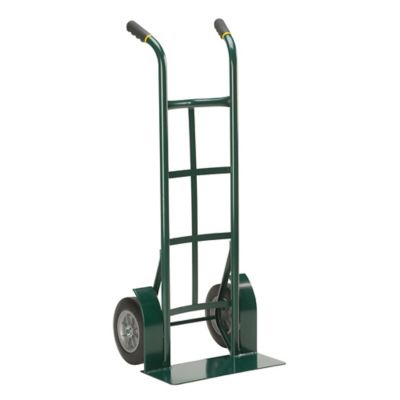
Fit is about more than whether a cabinet or shelving unit clears the doorway. Overall width, depth, and height need to work alongside door swings, drawers, nearby appliances, and the space a person needs to carry something past. In a laundry room, a cabinet door should not block access to the washer; beside a workbench, a rolling cart needs room to turn without catching the bench legs. Vertical storage can make good use of a small footprint, but tall freestanding units need anti-tip protection as directed by the manufacturer, with anchors suited to the wall construction. Wall-mounted storage likewise depends on appropriate mounting hardware and a supporting surface capable of carrying the planned load. Floors should be level and sound enough for the unit and its contents, with any leveling adjustments made according to the instructions. Enclosed storage can be especially helpful where children or animals share the space, although an ordinary latch is not the same as a lock or child-resistant closure. Cleaning chemicals belong in their original labeled containers, separated from food and animal feed, with any label requirements for ventilation and storage followed. Rolling utility storage suits supplies that travel between a bench, sink, and work area, but caster size, floor seams, thresholds, and loaded weight affect how smoothly it moves. Locking casters help hold a cart in position while supplies are being reached for; they do not replace a stable, level surface. For moving heavier loads between storage areas,
Utility Hand Trucks offer another way to handle the trip, with load ratings and load shape guiding the fit. Back at the shelf, readable labels and containers sized for the space help keep small parts from getting lost behind larger gear. A little breathing room between groups makes it easier to return supplies where they belong instead of balancing them on the nearest open edge. Whether the space serves a busy household, a home workshop, or daily chores around the property, well-matched utility storage keeps the essentials organized without getting in the way of the work.