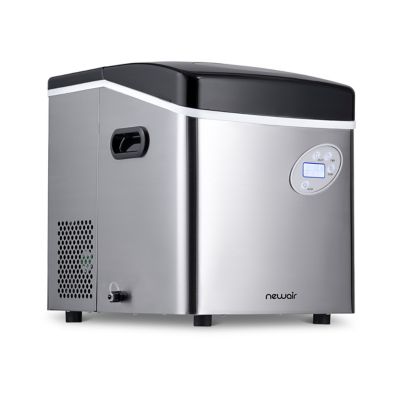
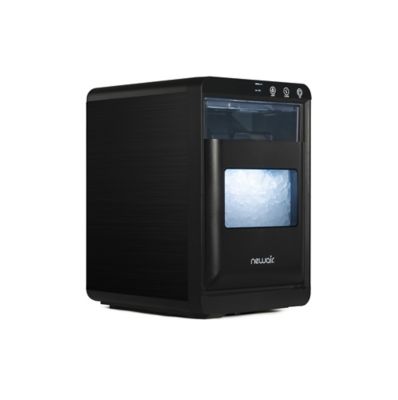
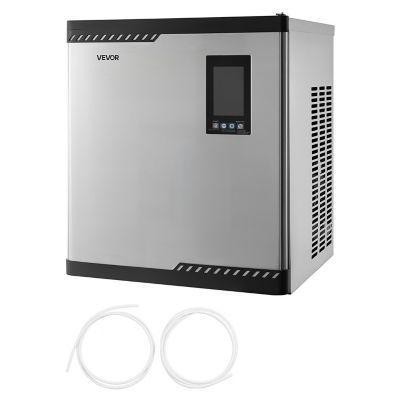
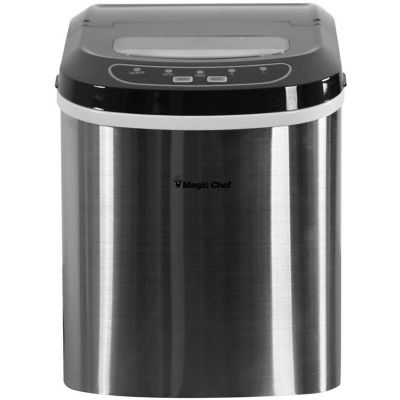
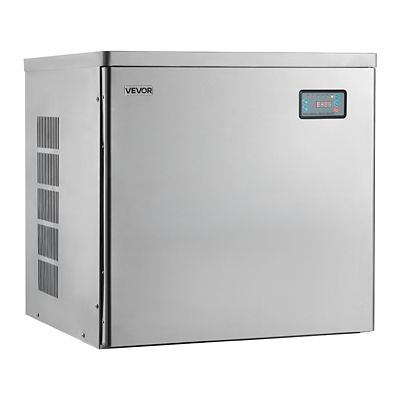
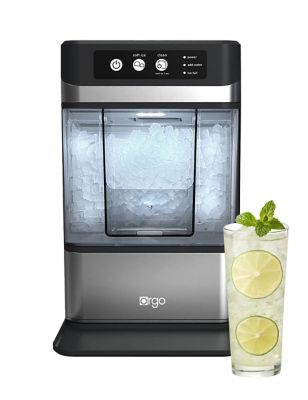
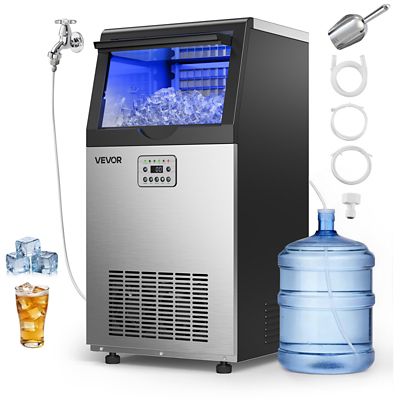
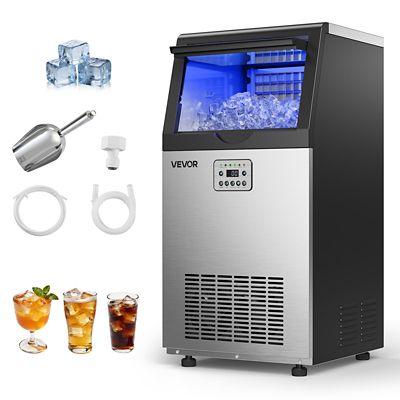
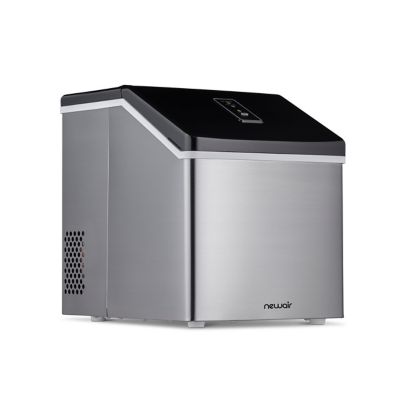
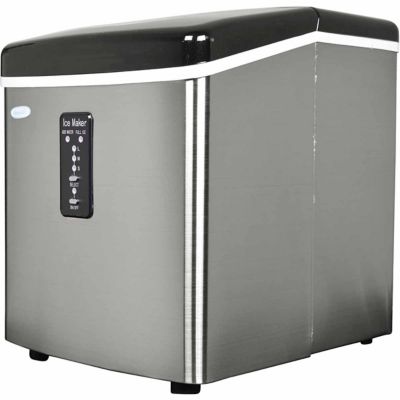
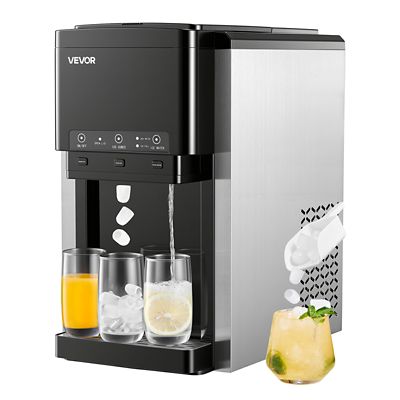
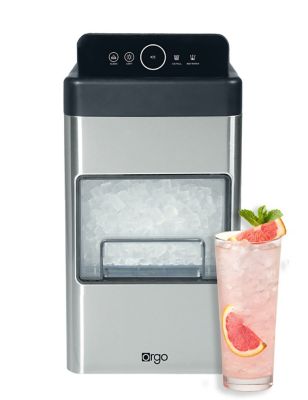
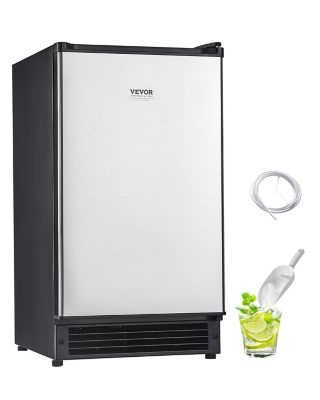
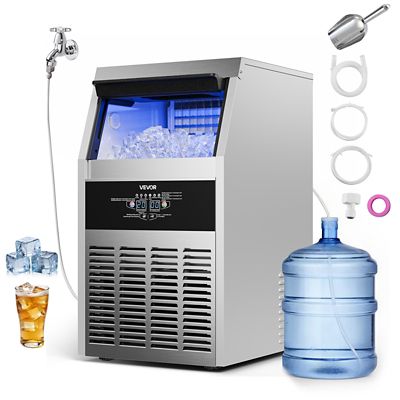
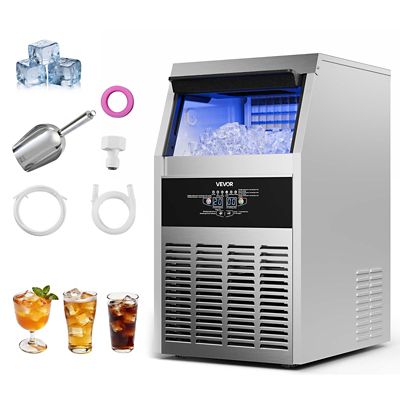
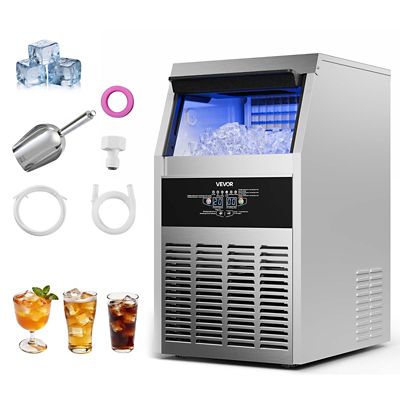
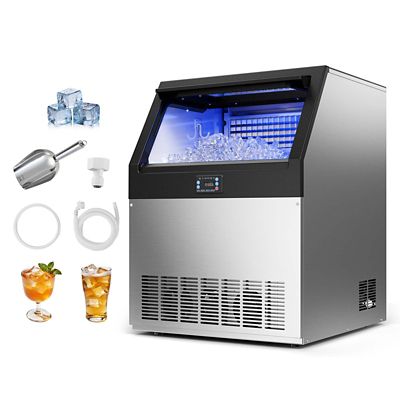
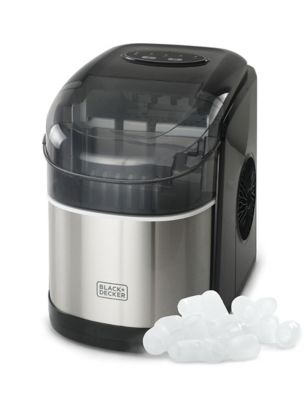
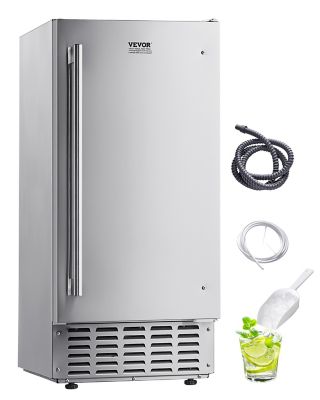
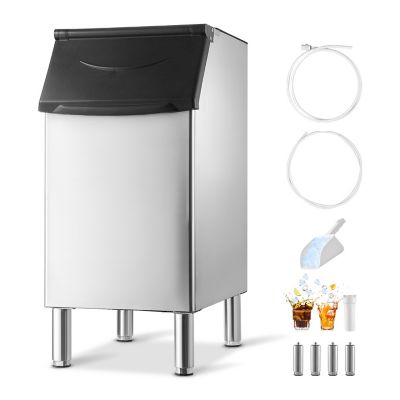
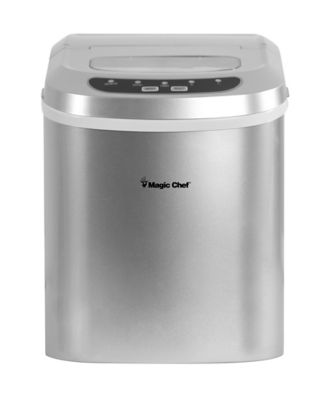
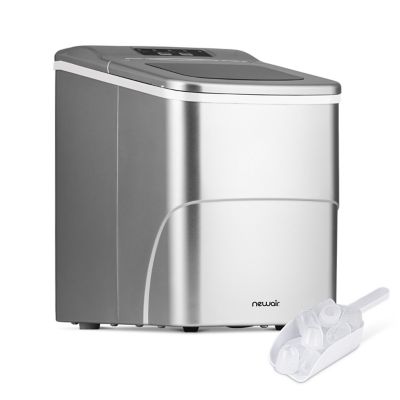
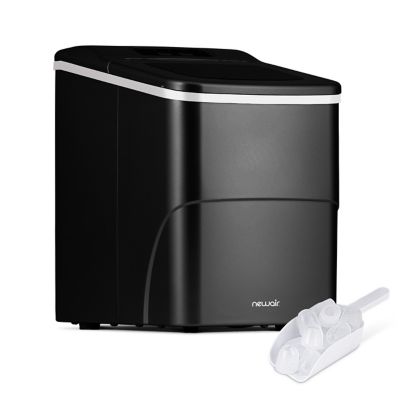
Stainless steel ice makers are appliances that produce ice in countertop, freestanding and undercounter designs, giving kitchens, break rooms and gathering spaces an ice supply separate from the refrigerator. Countertop models typically suit smaller spaces and occasional entertaining, while larger freestanding and undercounter machines can serve households that go through several rounds of drinks each day. Many portable countertop designs have a reservoir filled by hand, so they can work without a permanent water connection. They still need a suitable electrical outlet, a level surface and the clearance listed by the manufacturer. Plumbed models connect to a water supply, and some also require a drain, making their location more of a long-term decision. An undercounter ice maker designed for built-in installation generally vents through the front, while a freestanding machine may need open space around its sides or back. Those differences matter when fitting an appliance beside cabinets or beneath a counter. Overall dimensions tell only part of the story: the lid or door needs room to open, the basket must be accessible, and water connections need space behind the cabinet. A countertop unit also needs enough overhead room for filling and scooping without bumping into a shelf. For a farmhouse kitchen with limited counter space, the footprint may matter more than a large daily production figure. In a roomy pantry or dedicated drink station, a plumbed machine may make more sense than carrying water to a reservoir. The stainless steel description commonly refers to the cabinet or exterior finish; interior components, bins and lids can contain other materials. Finish details also vary, from brushed surfaces to smoother panels that catch more fingerprints. Matching nearby appliances can help the space feel pulled together, but access, ventilation and water requirements are what make the setup practical day after day. Door swing and access to the shutoff valve are worth considering, too, especially when a machine sits between cabinets. A little open space for routine cleaning can save the hassle of pulling an appliance out whenever the bin or filter needs attention.
Ice shape, production capacity and storage capacity make a noticeable difference in everyday use. Bullet ice, common in portable countertop machines, has a rounded shape with a hollow center and works well for filling glasses throughout a family meal. Nugget ice consists of smaller, chewable pieces that settle around a drink, while cube-style ice offers a more solid shape for iced tea, lemonade and mixed drinks. The shape depends on the machine’s design, so a stainless steel exterior alone does not indicate what comes out of the basket. Daily production describes how much ice a machine can make over a stated testing period; storage capacity describes how much its bin can hold at one time. A machine with a substantial daily output may still have a relatively small basket that needs frequent emptying during a busy gathering. Published production figures also depend on operating conditions, including the water supply and installation environment. For a household filling a few tumblers at supper, a smaller basket may be plenty. Filling drink dispensers or keeping several pitchers ready for a family reunion calls for closer attention to both output and bin size. The time to the first batch matters when drinks are being poured soon, but it does not tell the whole story about sustained production. Many countertop ice makers have insulated baskets rather than freezer compartments, so finished ice can melt while it sits. Some return that meltwater to the reservoir for another cycle. Ice intended for later belongs in suitable freezer storage rather than being left in a basket that does not keep it frozen. Water also affects the experience. Mineral content can contribute to scale buildup, and odors or tastes in the supply may carry into the ice. Where filtration is supported, the correct filter and replacement schedule help maintain the intended operation. Full-bin sensors, low-water alerts and accessible controls can make an appliance easier to manage when the kitchen is busy and nobody has time to keep checking the basket.
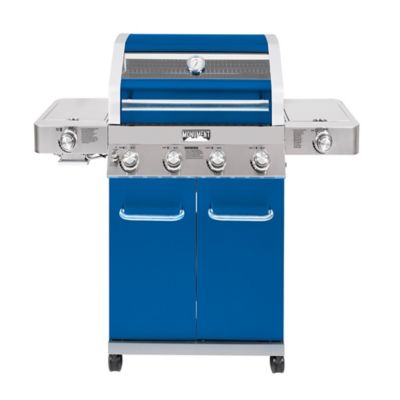
Stainless steel brings a straightforward, work-ready look to an ice maker, but keeping that finish in good shape still takes regular care. It resists corrosion rather than being completely rustproof, and standing moisture, salty residue or harsh cleaners can leave marks or damage the surface. A soft cloth, a cleaner approved for the finish and wiping with the grain are generally a better fit than abrasive pads. Drying the cabinet after wiping helps reduce water spots around the lid, handle and dispenser area. Inside, removable baskets and scoops make routine washing easier, while accessible reservoirs help with the cleaning schedule. A self-cleaning cycle can assist with maintenance, but it does not automatically replace washing removable parts, removing mineral deposits or sanitizing as directed in the appliance instructions. Keeping the scoop clean and out of contact with hands, drink rims and nearby food helps keep the ice ready for serving. These details matter whether the machine supports a busy household, a tidy farm office break area or a drink station for friends stopping by after chores. For a backyard cooking space centered on
Stainless Steel Propane Grills, an ice maker can support the serving area, but outdoor placement is appropriate only for a model specifically rated for that setting. Clearance from grill heat and a suitable electrical connection remain important. Inside the house, operating sound deserves attention near a dining table or an open living area; compressors, fans and ice dropping into a bin all contribute to normal appliance noise. A stainless steel ice maker can also be a thoughtful housewarming gift for someone who entertains often or enjoys a dedicated beverage station, provided the space and connection requirements are settled first. The right fit comes down to how the household serves drinks, how often the basket needs refilling and how easily the machine fits into the daily routine.