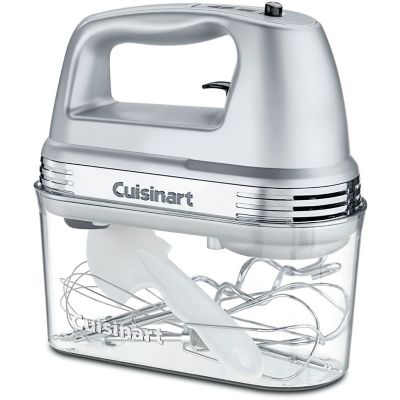
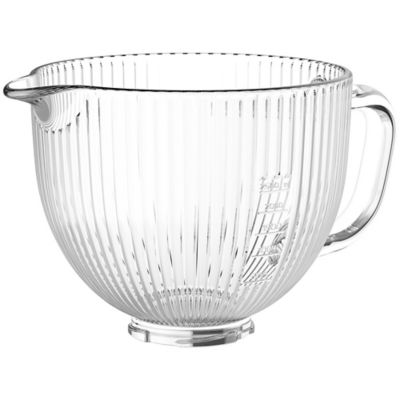
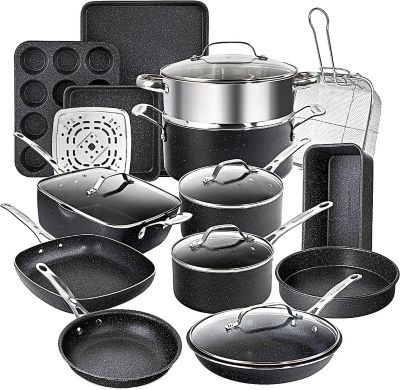
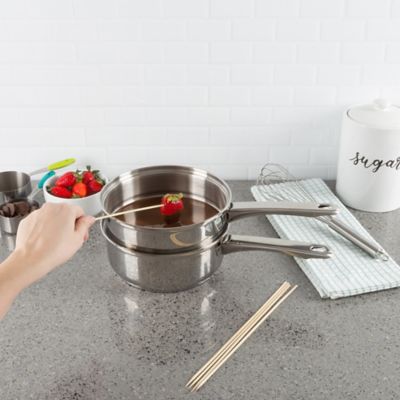
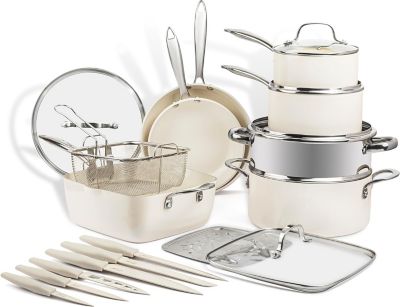
Gifts for bakers and cooks include kitchen tools, cookware, bakeware, measuring equipment, and kitchen textiles that support everything from everyday suppers to a favorite family pie. The most thoughtful choices fit the way someone already likes to spend time in the kitchen, whether that means kneading bread by hand, feeding a tableful of relatives, or getting a skillet meal together after chores. For a baker, comfortable mixing tools, clearly marked measurements, and bakeware suited to familiar recipes can make the work more enjoyable. For a cook, easy handling, useful cooking capacity, and materials that suit the stovetop often matter more than extra features. There is plenty of overlap between the two: bowls serve for bread dough and chopped vegetables, measuring tools handle flour and broth, and sturdy kitchen utensils help with both cake batter and gravy. A gift does not have to introduce a whole new cooking routine to earn a place on the counter. Sometimes the welcome addition is something that makes an old favorite easier to prepare, from biscuits for Sunday breakfast to a casserole headed to a neighbor’s house. Size matters here, too. Someone cooking for two may appreciate manageable pieces that fit a smaller sink, while the person who brings dessert to every family gathering may need more mixing room and a comfortable way to carry food. For beginners, straightforward tools with readable markings and simple care requirements help keep attention on the recipe. More practiced bakers and cooks may appreciate equipment that supports a particular task, such as handling sticky dough, checking doneness, or moving food neatly from work surface to pan. Kitchen gifts feel personal when they reflect those everyday habits rather than simply adding another object to a crowded cupboard. Even storage preferences tell a useful story: nesting pieces suit tight cabinets, while tools with hanging loops can stay within reach near a busy work area.
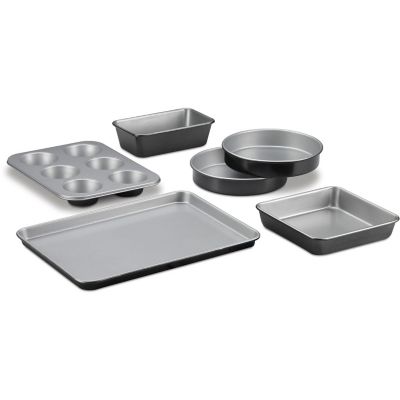
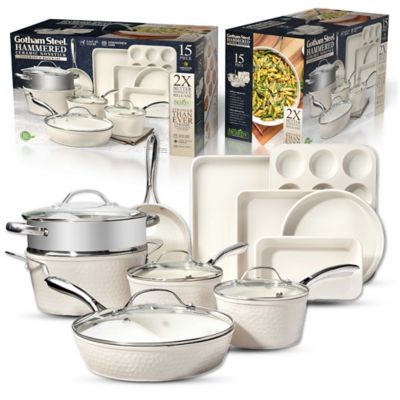
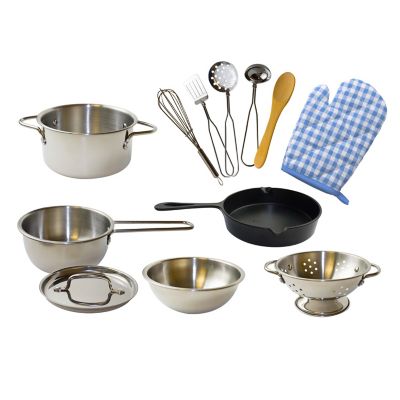
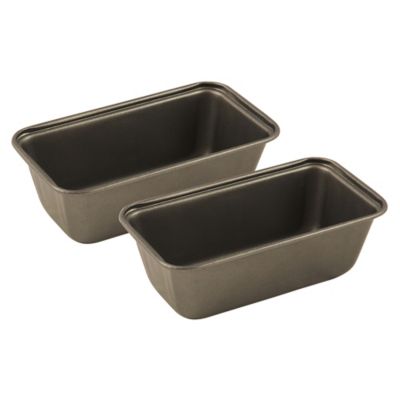
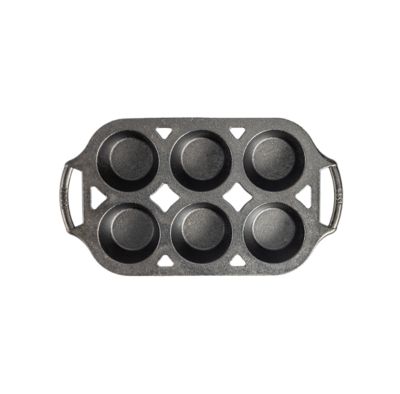
Materials make a real difference in how kitchen gifts feel in the hand, perform during cooking, and fit into cleanup afterward. Stainless steel is common in mixing and preparation tools because it is nonreactive and works well for many everyday tasks. Aluminum bakeware conducts heat readily, while the finish, thickness, and pan shape can all influence browning. Dark baking surfaces can brown the bottoms and edges of baked goods more quickly than lighter surfaces, so familiar recipes may need a little adjustment. Cast iron holds heat well and suits cooking that moves from stovetop to oven when the piece and its handles are rated for both. Its weight is worth considering, especially for someone who finds lifting a full pan difficult. Bare cast iron generally needs prompt drying and ongoing seasoning care, while enameled surfaces have different cleaning requirements and benefit from protection against chips. Glass and ceramic bakeware offer a clear or finished serving surface, but both need handling that respects the maker’s limits on direct heat and sudden temperature changes. Wood brings a comfortable grip to many preparation tools, though soaking and dishwasher cleaning can lead to splitting or warping. Silicone can offer flexibility for scraping bowls and working around coated surfaces, with heat limits that vary by product. Nonstick finishes also call for compatible utensils and cleaning methods to help protect the surface. These details matter because a gift should fit the recipient’s routine after the meal is over, not just look good when it is opened. Dishwasher compatibility, access around seams and handles, and the amount of drying or maintenance involved all affect everyday convenience. Physical fit deserves the same attention: bakeware needs room inside the oven, lids need clearance in storage, and handles should leave enough space for a secure grip with an oven mitt. A broad handle may feel comfortable at the counter yet take up more cabinet space. Construction details such as securely attached handles, smooth rims, and stable bases are worth considering for equipment that will see regular kitchen duty.
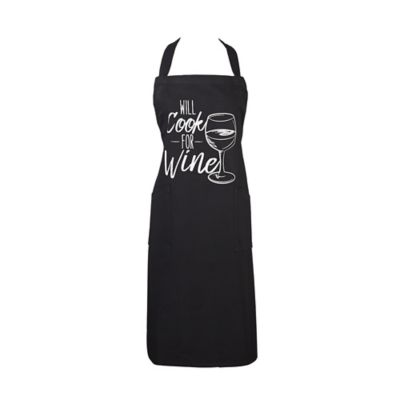
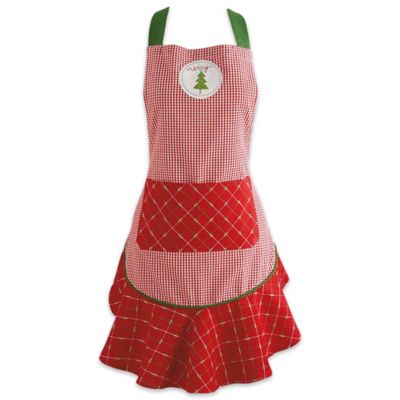
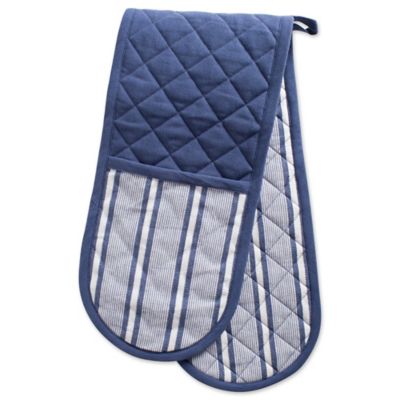
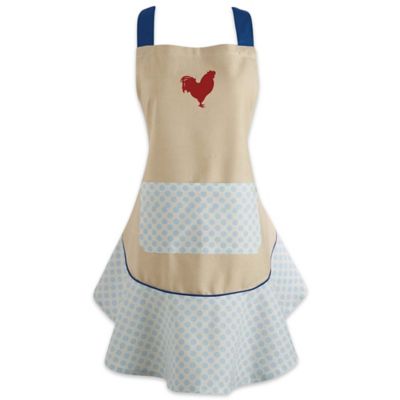
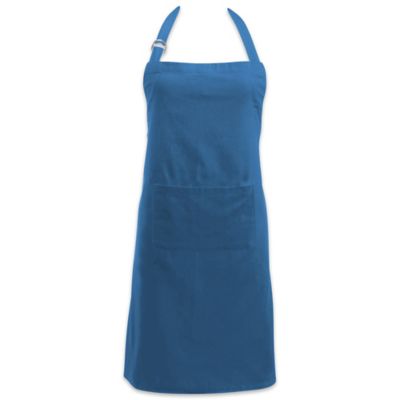
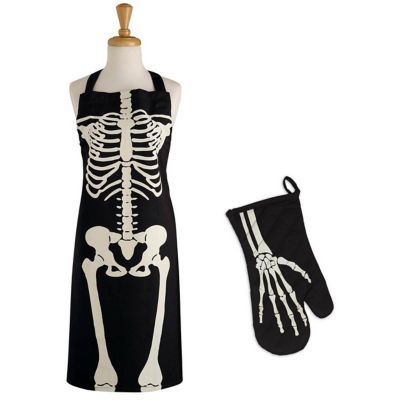
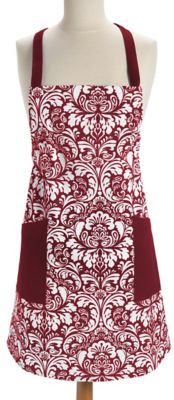
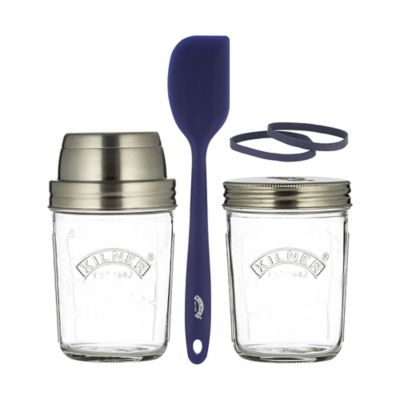
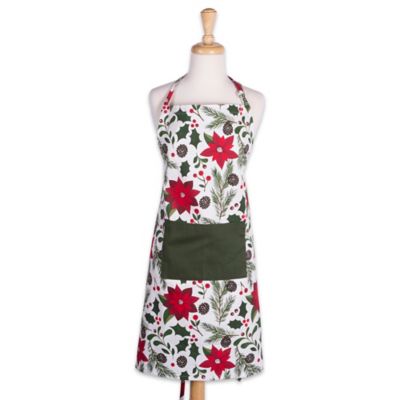
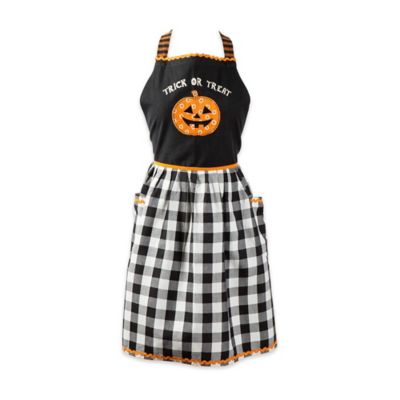
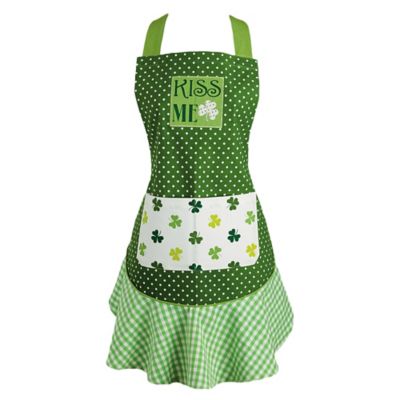
Good kitchen gifts also support the small tasks that keep a recipe moving along. Clear measurement markings help when flour-dusted hands are busy and the next ingredient needs to go in. Dry measuring tools work well for leveling ingredients, while liquid measuring vessels provide room to read the amount without filling to the brim. A kitchen scale can simplify recipes written by weight and help divide dough into similar portions. A food thermometer serves a different purpose, helping check internal temperature rather than relying only on color or elapsed cooking time; the right measuring range and probe design depend on the task. Comfortable grips, balanced weight, and controls that are easy to read can be especially welcome for someone who spends a long stretch preparing a family meal. Kitchen textiles bring their own practical considerations. Apron ties should fasten comfortably, pockets should sit where they are easy to reach, and fabric care should suit the splatters that come with stirring sauce or rolling pastry. Heat-protective textiles need to stay dry and be handled according to their care and safety directions. For a recipient who enjoys sharing food, the connection between preparation and serving matters as well: manageable weight and a shape that fits the table can make oven-to-table pieces especially useful. Birthdays, housewarmings, weddings, and thank-you gifts all lend themselves to something that supports a well-loved kitchen routine. For a gift centered on Mom’s baking traditions,
Baking Tools For Mother's Day offers a related place to explore. The strongest gifts for bakers and cooks leave room for the recipient’s own recipes and preferences. They belong beside a flour-speckled recipe card, within reach of the stove, or ready for the next potluck dish—not tucked away waiting for a special occasion. Thoughtful sizing, sensible care, and a clear everyday purpose help a kitchen gift become part of the meals and memories that follow.