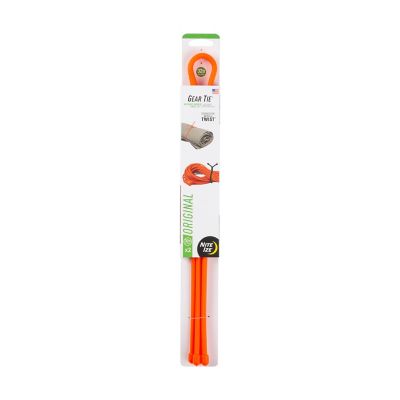
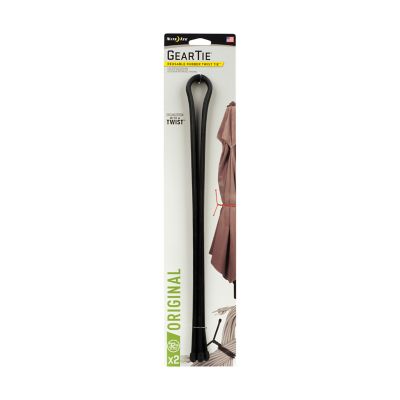
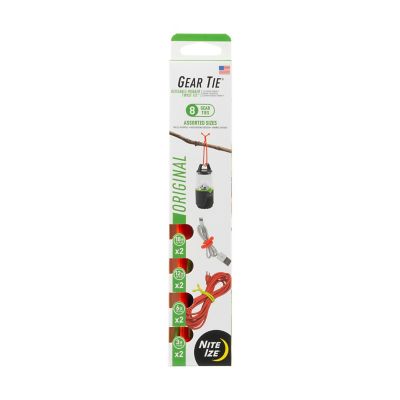
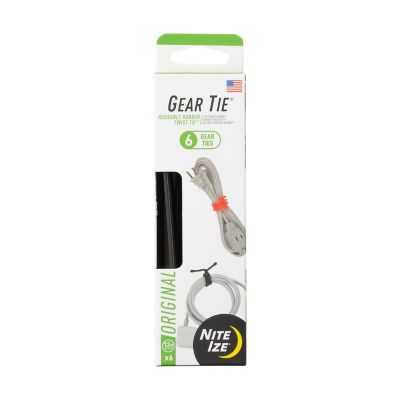
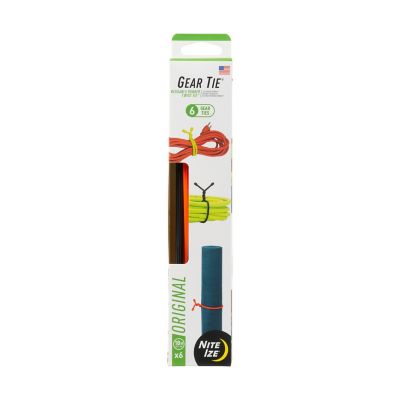
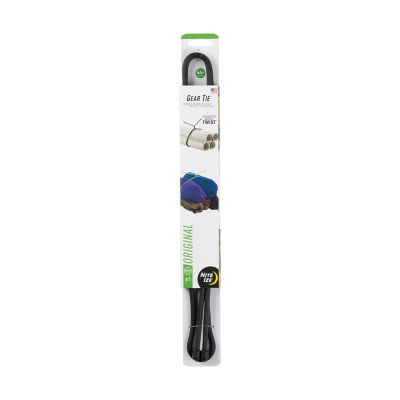
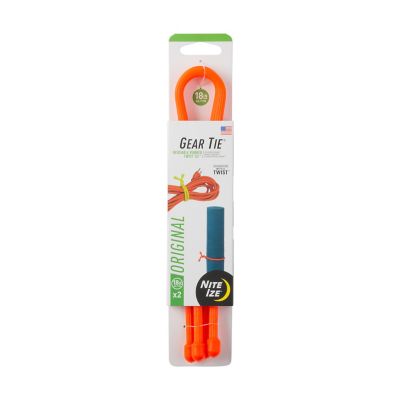
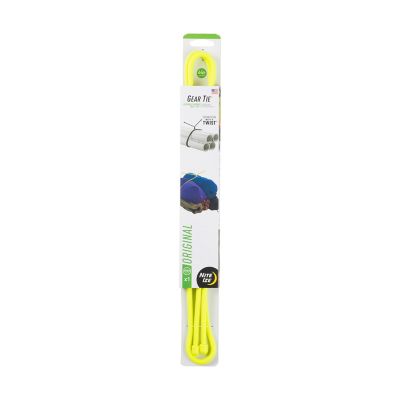
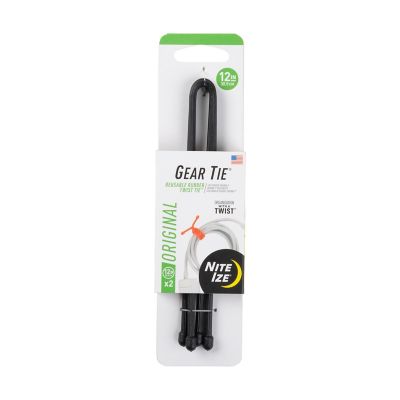
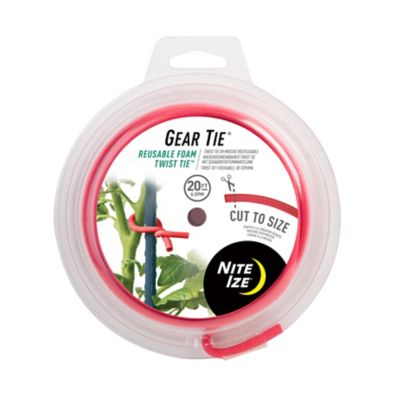
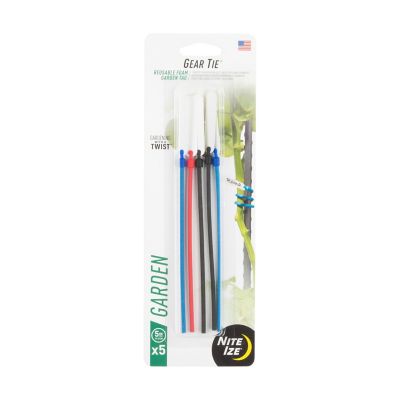
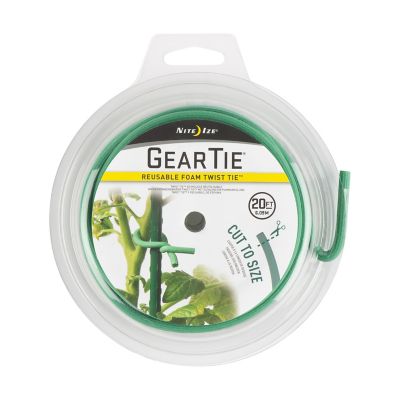
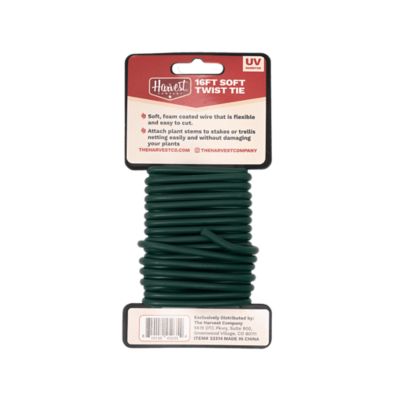
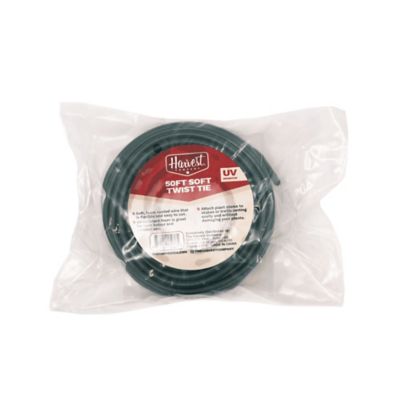
Reusable rubber twist ties are flexible fasteners that typically combine a bendable wire core with a grippy rubber or rubber-like outer coating. They wrap around cords, cables, and other loose materials, then twist together to hold the bundle in place. When something needs to come out, the ends untwist without cutting the tie, making this style handy for gear that gets packed, unpacked, and put back to work. Around a shop, barn, garage, or utility room, that can mean keeping a charger cord with its charger, gathering loose leads on a workbench, or keeping a coiled extension cord from spreading across a shelf. The wire provides structure, while the coating gives the tie a softer contact surface than bare metal. Some designs have a silicone exterior, and the exact coating and core construction affect grip, flexibility, and suitability for different jobs. A textured surface can help the wrap stay put, though the hold also depends on the size and shape of the bundle. These ties make sense wherever the fastening needs to change along with the task: a cord gets pulled out for a repair, a length of tubing comes off the shelf, or a small bundle travels between the house and the outbuilding. Their appeal is straightforward: a simple wrap can keep loose lengths together, and the same fastener can go back around the bundle afterward. Unlike a permanent attachment, a twist closure leaves room to rearrange things without starting over with a new fastener each time. The coating also separates the wire from the surface being bundled, provided that covering remains intact. That makes its condition worth a look, especially around painted equipment, finished handles, and cable jackets. For everyday organization, the right tie feels easy to bend by hand while still having enough structure to keep its wrapped shape.
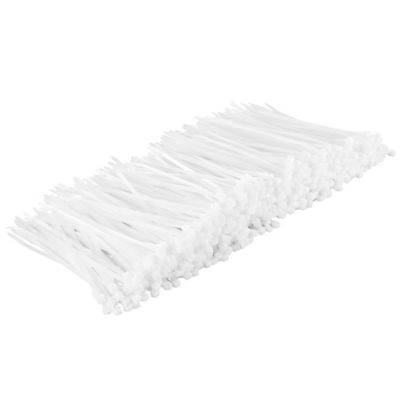
Length and thickness matter just as much as the material. A tie needs enough reach to circle the bundle and leave room for the ends to twist together; a length that barely meets around a coil may not leave a workable closure. On the other hand, lots of extra length can leave tails sticking into a drawer or catching on nearby gear. Shorter, slimmer ties generally suit small cords and narrow bundles, while longer versions give more wrapping room around larger coils or several pieces gathered together. The overall diameter of the bundle is only part of the fit, since stiff cable, bulky plugs, and uneven shapes can all change how the wrap sits. A round bundle tends to be easier to encircle than an awkward handful of handles or fittings. Thickness affects handling, too: a heavier wire core may take more effort to bend, while a thinner tie may be easier to tuck into a small storage space. Product dimensions and stated applications are more useful than appearance alone when comparing options. The goal is a snug wrap that contains the bundle without crushing it. Electrical cords, irrigation tubing, and other flexible materials can be damaged by excessive pressure, so tighter is not always better. For fastening jobs that call for a locking strap rather than a bendable wire tie,
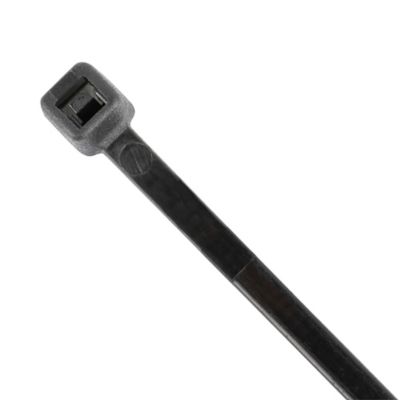
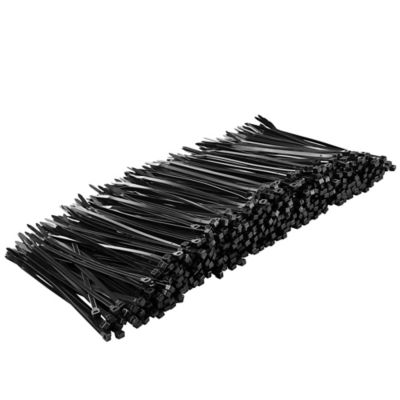
Self Locking Cable Ties provide another fastening style, with release features and removal methods that depend on the design. Rubber twist ties are primarily organizational fasteners, not a stand-in for rated lifting equipment, towing hardware, or cargo restraints. A coated wire should not be treated as electrical insulation, either. Any hanging application needs to match the manufacturer's stated purpose and limits. Keeping ties and bundled cords clear of moving machinery, hot equipment surfaces, and walking paths helps keep a tidy setup from becoming a snag or trip hazard.
For folks who move between chores, repair work, and hobbies, reusable rubber twist ties can help keep the little things from becoming a tangled mess. A neatly coiled cord takes up less sprawling space in a tool bag, and a fastener that opens by hand makes it easier to pull out just what is needed. At a bench, separate bundles can keep power leads apart from charging cables instead of leaving everything in one knot. In a shed, a tie around a manageable coil of small tubing can keep the loose end from wandering behind the shelf. They can also hold empty storage bags together or gather loose straps before gear goes into a cabinet, as long as the application suits the tie's design. Bright colors may make a bundle easier to spot against a crowded bench, while subdued colors may blend into a home office or entertainment setup. Color can help distinguish groups, but it does not replace a proper label where identification matters. For someone who is always straightening the tool bag or sorting cords, this kind of small fastening supply can make a practical gift alongside other organizational essentials. Repeated handling does call for a little care. Dirt and grit caught on the coating can rub against whatever the tie touches, so cleaning according to the manufacturer's directions helps protect both surfaces. A gentle wipe is often enough for everyday dust; strong cleaners or solvents may not suit every coating. Broad bends are generally easier on a wire core than sharply creasing the same spot over and over. Before another wrap, a quick check for splits, exposed wire, loose end coverings, or a core that no longer holds its shape can reveal when a tie needs replacing. Storing ties loosely rather than leaving them sharply folded helps keep them ready for the next job. With a sensible fit and a little attention between tasks, reusable rubber twist ties offer a straightforward way to keep frequently handled gear together without making it hard to get back out.