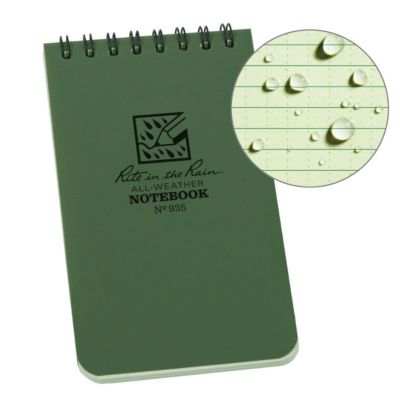
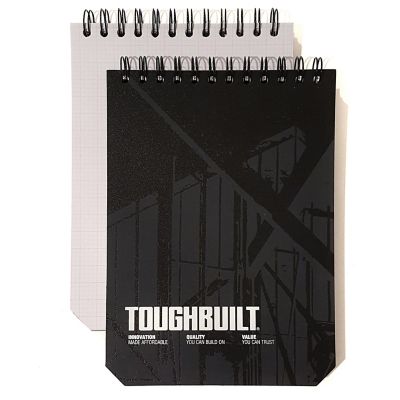
A top spiral notebook has its binding along the upper edge rather than down one side, leaving the writing area clear of rings beside the hand. That simple layout can make everyday note-taking more comfortable for both left-handed and right-handed writers, especially when jotting down measurements, keeping class notes, or recording chores at the kitchen table. Pages flip upward and often fold behind the cover, so the notebook takes up less room than an open two-page spread. That comes in handy on a narrow workbench, a crowded desk, or a feed-room shelf where there is just enough space to set down a pad. Pocket formats around 3 by 5 inches or 4 by 6 inches suit quick reminders, fence-line observations, and the measurements that otherwise end up scribbled on scraps of paper. Larger formats, including letter-size pages around 8.5 by 11 inches, leave more room for assignments, meeting notes, sketches, and longer records. Dimensions usually describe the page or notebook body, so the binding may need a little extra clearance inside a pocket, drawer, or carrying case. Page orientation matters, too: a tall, narrow pad handles differently from a wide format, even when both have a spiral across the top. For someone standing beside a trailer and writing down hitch measurements, a compact notebook with a firm back can be easier to manage than a large, flexible pad. For a student working through several lines of math or a farm office keeping detailed equipment notes, more page space can save a lot of flipping. The best fit comes down to how much needs to go on each page and where the notebook will spend its day. A small pad encourages brief entries that are easy to scan later, while a full-size notebook gives related details room to stay together.
Paper and page layout shape how a top-bound notebook feels in daily use. Wide-ruled pages offer extra space between lines for larger handwriting, while college ruling fits more writing into the same area. Grid paper helps keep columns, rough plans, and measurements lined up; dot-grid pages provide a lighter framework for mixing words with sketches. Unlined paper leaves room for freehand drawings, whether that means a garden layout, a gate opening, or a quick diagram of how parts fit together. Paper weight, often listed in grams per square meter, can offer a clue about thickness, but it does not tell the whole story about ink performance. Surface finish, pen type, and ink flow also affect feathering, show-through, and drying time. Pencil and everyday ballpoint writing generally place fewer demands on paper than a wet-writing marker or fountain pen. Anyone planning to write on both sides will want paper that keeps the reverse side readable with their preferred writing tool. Acid-free paper can help limit yellowing over time, which matters when keeping records that may need another look years down the road. Perforated sheets are handy for passing along a supply list or removing a finished assignment without leaving a ragged edge, though the tear line can reduce the width of the detached page. A notebook without perforations may be a better match when keeping every entry together matters more than handing pages off. Sheet count and page count also deserve a close look: a sheet has two sides, so those terms do not always describe the same amount of writing space. Blank space at the top of a page can hold a date, job name, or equipment number, making entries easier to find later. Consistent labels help turn a simple notebook into a useful record rather than a stack of disconnected notes, especially when several repairs, classes, or chores share the same pad.
Cover materials, backing, and binding construction influence how well a notebook handles being carried from place to place. Flexible paperboard covers keep weight down and slip easily into a bag, while thicker board or plastic covers provide more protection against bent corners and everyday scuffs. A stiff back is especially helpful when there is no table nearby, giving the page support while someone writes standing up in a barn aisle or beside a piece of equipment. Spiral wire should turn pages freely without catching, and neatly finished wire ends are less likely to snag a shirt pocket or the lining of a tote. Twin-wire binding uses paired loops along the top edge and can let pages turn smoothly, although any exposed binding needs room to avoid being crushed. Covers that wipe clean can be practical around dusty workspaces, but a wipeable cover does not mean the paper inside can handle spills. Specialized moisture-resistant paper may suit notes made around splashes or damp hands; compatible writing tools depend on the paper, so pencil or a particular pen type may be necessary. For ordinary paper, keeping the notebook away from drink containers, grease, and wet surfaces helps protect both the sheets and the writing. A pouch or separate bag compartment can keep loose tools from denting the binding. At home, a
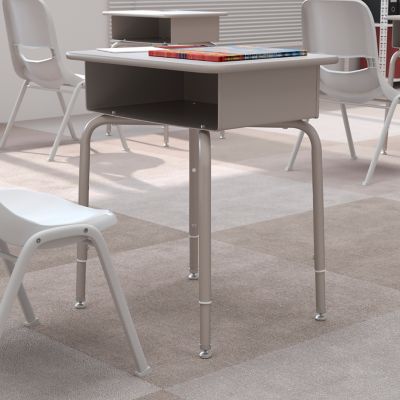
Back To School Study Desk gives students a place to spread out larger notebooks, keep writing supplies close, and review assignments without balancing everything on their knees. Beyond schoolwork, a top spiral notebook fits naturally into household lists, livestock observations, project measurements, and maintenance records. It can also make a thoughtful, practical gift for a student, gardener, mechanic, or anyone who likes putting pencil to paper. Matched to the person's handwriting, carrying habits, and daily tasks, this straightforward notebook format keeps the next note close at hand.