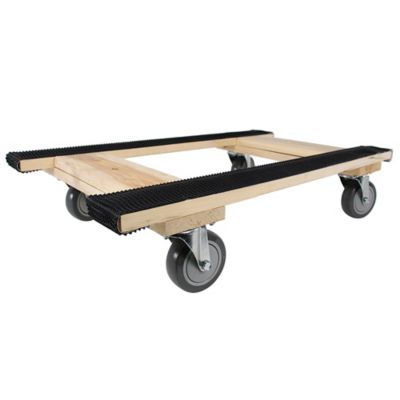
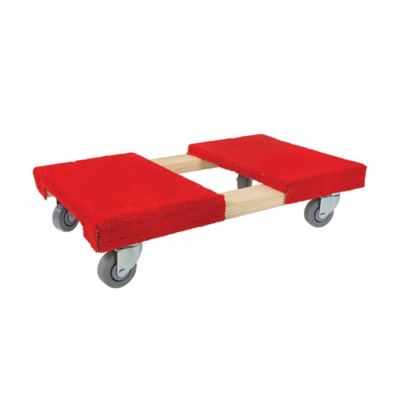
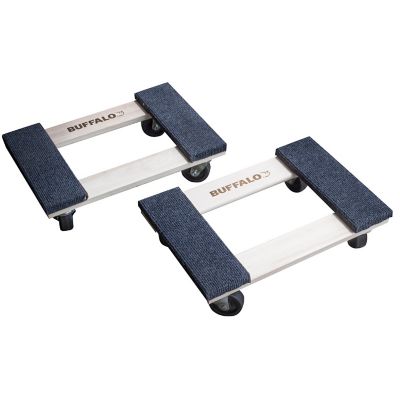
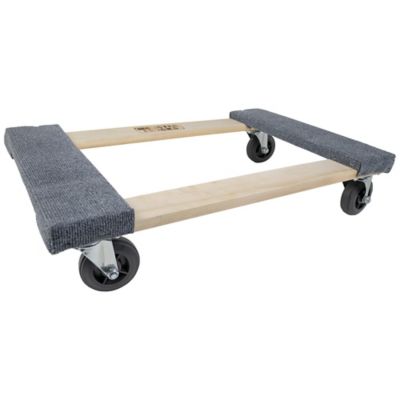
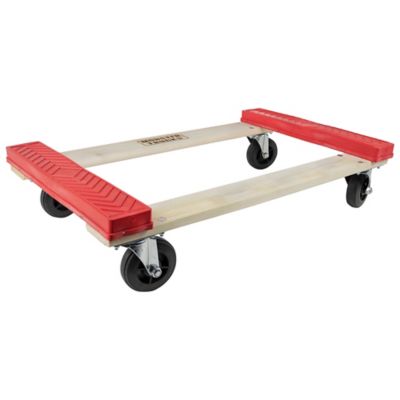
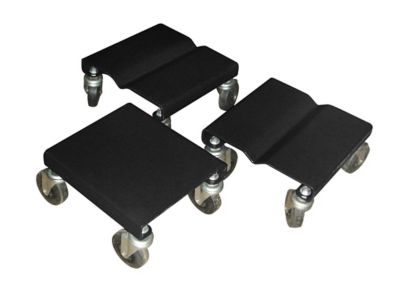
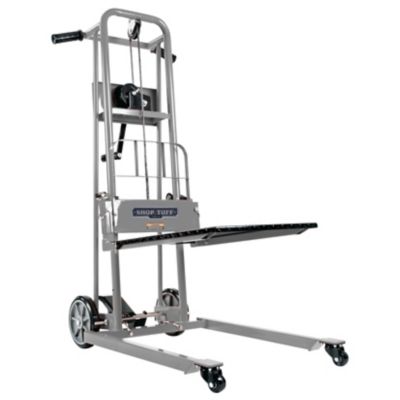
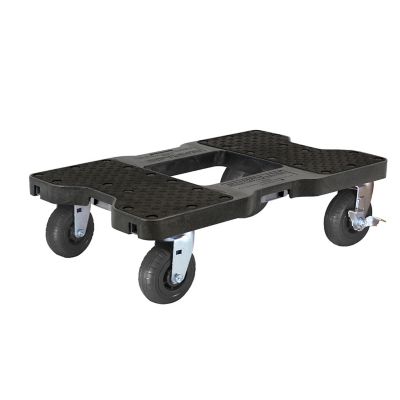
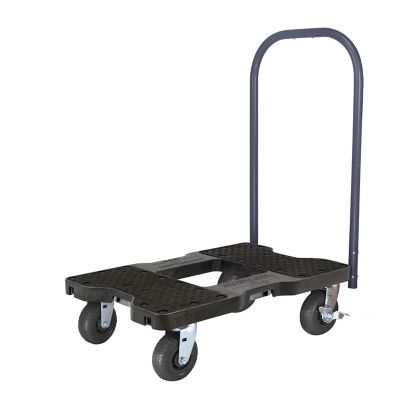
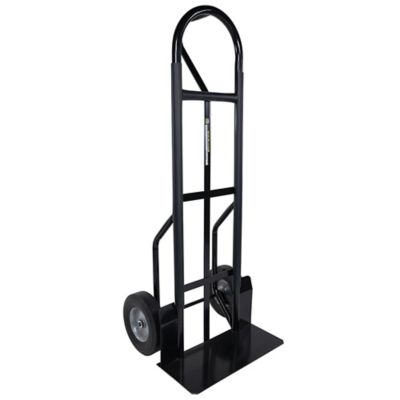
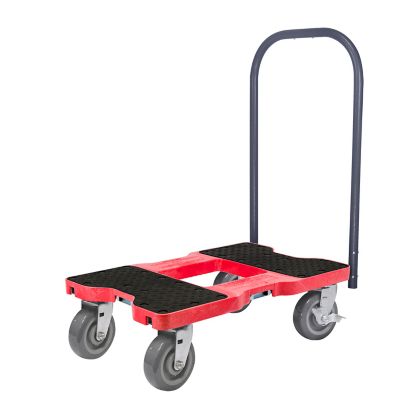
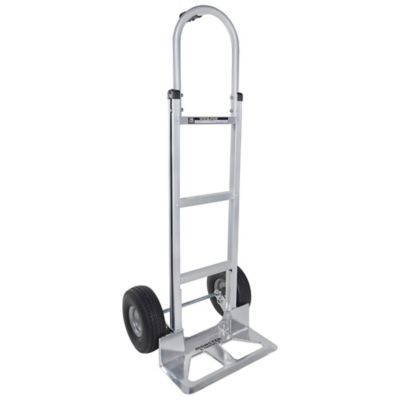
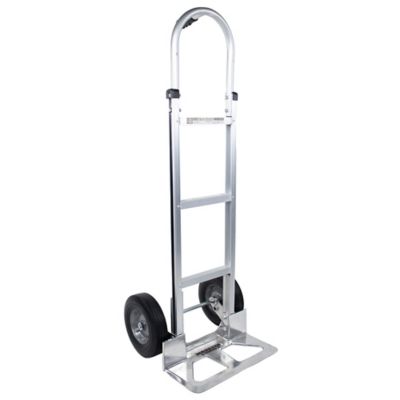
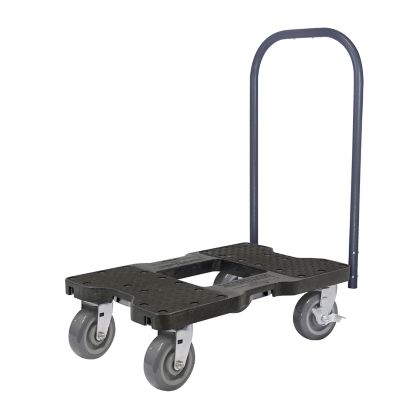
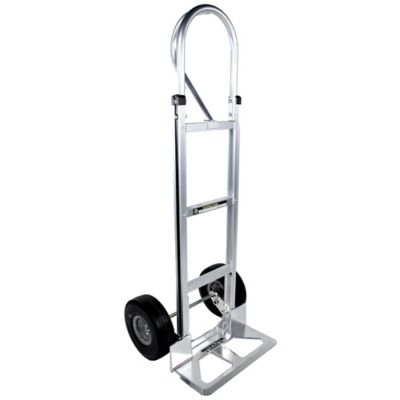
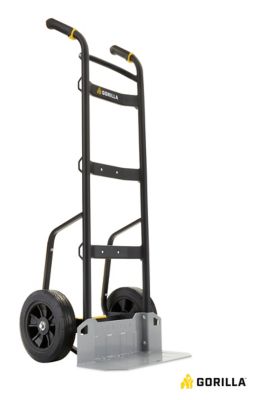
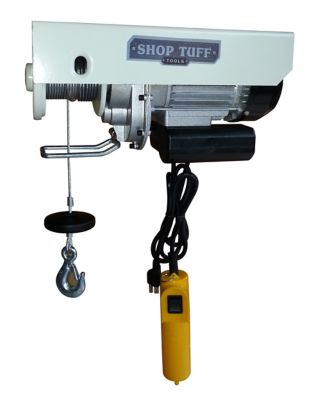
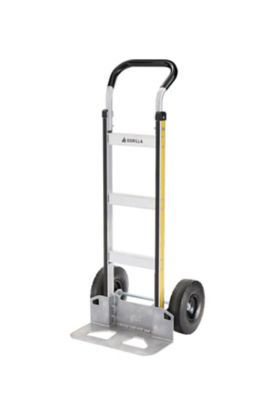
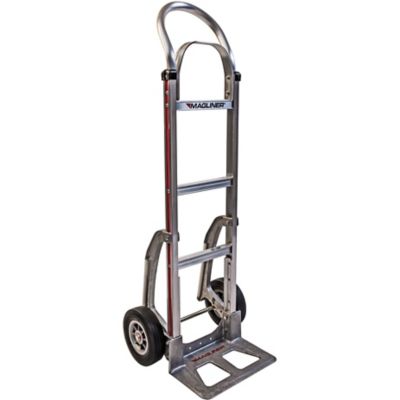
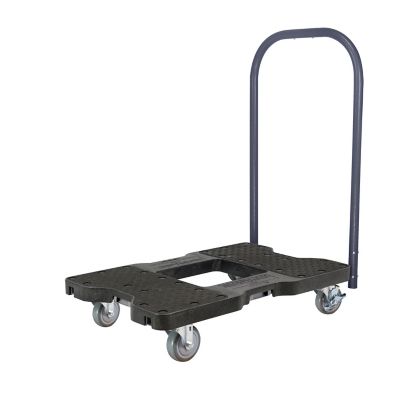
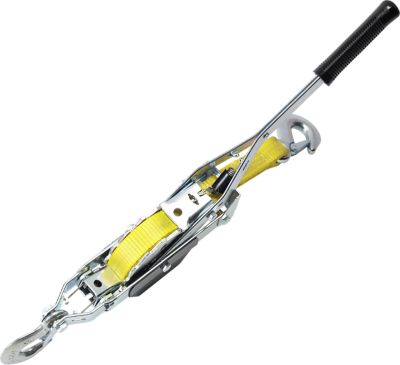
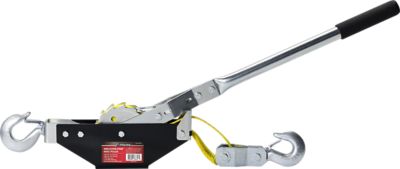
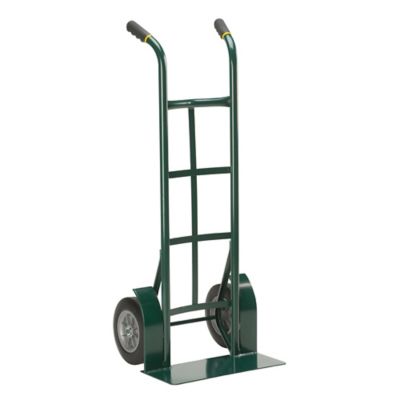
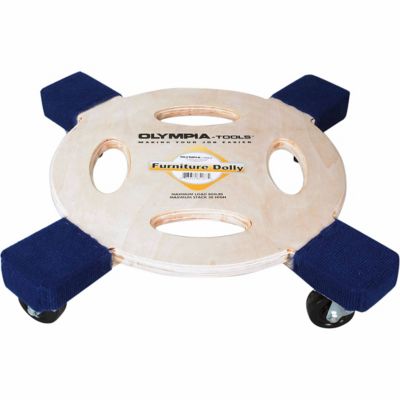
Tools for moving heavy objects include dollies, hand trucks, platform carts, pallet jacks, lifting straps, furniture sliders, pry bars, and hoists. The right category depends on the load’s weight and shape, the surface beneath it, and whether the job calls for rolling, sliding, or lifting. Around a farm, garage, or workshop, that can mean shifting a loaded cabinet, bringing feed from a storage area to the barn, or positioning equipment without dragging it across the floor. Upright hand trucks suit loads that can rest securely against a frame with their base supported on a toe plate. Four-wheel platform carts offer a broader deck for boxes, containers, and supplies, while low-profile furniture dollies support large pieces closer to the ground. Their open platforms can accommodate different shapes, but keeping the load centered and secured still matters. Pallet jacks serve a different purpose: their forks fit beneath compatible pallets to raise them just enough for transport over suitable, firm surfaces. For shorter moves inside a building, furniture sliders can reduce friction beneath furniture legs or broad bases when their contact material matches the flooring. Lifting straps give a coordinated team another way to support certain loads, though strap ratings never replace an honest assessment of each person’s lifting ability. Hoists and lifting jacks address jobs that require vertical movement rather than a trip across the shop. These categories serve homeowners rearranging a workspace, farm crews handling supplies, maintenance workers relocating equipment, and contractors transporting materials. A wide, low load presents different challenges than a tall cabinet with its weight concentrated near the top. That is why rated capacity, balance, support points, and the route through the building belong in the same conversation. A tool that handles the weight on paper still needs the right dimensions and design for the actual job.
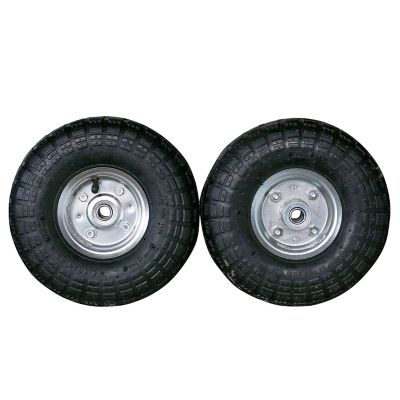
Wheel and frame construction make a noticeable difference once a load starts moving. Steel frames provide substantial support for demanding handling work, while aluminum designs can reduce the weight of the moving tool itself. Welds, axle construction, deck support, and handle attachment all contribute to how equipment stands up to repeated trips between a storage room and a work area. Decks may feature metal, wood, or padded contact surfaces, each with different care needs and benefits for the load resting above it. Padding can help limit scuffs, but it cannot make up for grit trapped between the pad and a finished surface. Wheel material deserves just as much attention. Hard wheels often roll easily on smooth concrete, while suitable nonmarking rubber or polyurethane wheels can help protect finished floors. No wheel is right for every surface, and flooring compatibility depends on the wheel compound, load, and floor finish. Larger wheels generally negotiate small surface irregularities more readily than smaller casters, although thresholds and gaps can still stop a loaded cart abruptly. Pneumatic tires can cushion travel over uneven ground, while solid tires avoid air-pressure upkeep; neither feature alone makes equipment suitable for every outdoor route. Swivel casters help with turns in close quarters, and fixed wheels can make straight travel easier to manage. Brakes can help limit unwanted rolling where the equipment design permits, but they are not a substitute for a level staging area. Fit also includes platform width, toe-plate depth, fork spacing, handle height, and clearance beneath the load. A cart that carries a cabinet comfortably may still be too wide for the doorway between the shop and the storage room. Tall loads can block sightlines or become unstable during turns, so overall dimensions matter alongside weight. Manufacturer ratings apply under stated conditions, and the working limit belongs to the complete setup—not a guess based on frame size or the sum of individual wheel ratings.
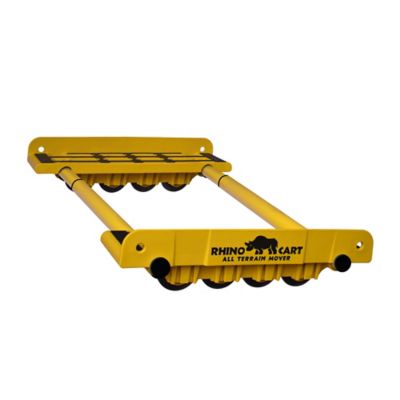
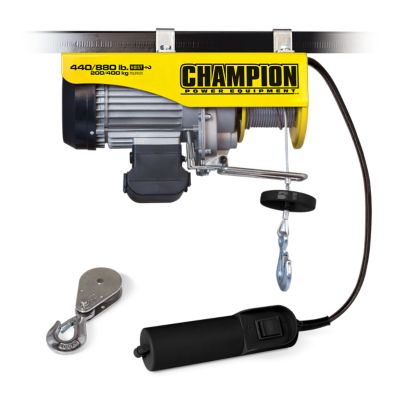
Some jobs call for controlled lifting before anything can roll. Pry bars and lever-style moving tools provide leverage for limited positioning work, while machinery-moving equipment supports certain concentrated loads that ordinary furniture dollies are not built to carry. These tools need contact points that can bear the force without damaging the object or allowing it to slip. A furniture edge, sheet-metal panel, or equipment cover may not be a suitable lifting point. Hoists offer controlled vertical movement for compatible loads, but the supporting structure, attachment hardware, and lifting accessories all need appropriate ratings for the intended arrangement. A lifting jack is not a permanent support, and a raised load needs support specified for that task before work takes place around it. People should remain clear of suspended loads. Stair travel is another separate consideration: ordinary wheeled carts are not interchangeable with equipment expressly designed and rated for stairs. Across these categories, securement straps, protective contact surfaces, and well-placed handles can make a move easier to control, provided they suit the equipment and load. Moving gear fits alongside other
Heavy Duty Tools for the lifting, positioning, and handling work that comes with keeping a property running. Long service life also depends on care between jobs. Clean wheels keep grit from traveling onto finished floors, clear axles roll more freely, and sound fasteners help frames stay together as intended. Fabric straps need checks for cuts, fraying, damaged stitching, and worn hardware; lifting components need the inspections and maintenance their manufacturers specify. Dry storage helps protect metal parts and keeps padded surfaces and straps out of standing moisture. Equipment with bent frames, cracked wheels, damaged hooks, or missing labels needs attention before another load goes on it. For a shop that moves supplies every day or a household facing an occasional furniture move, matching the equipment to the load and keeping it in working shape matters far more than choosing the biggest-looking frame.