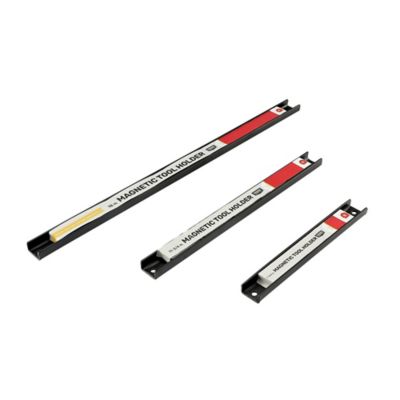
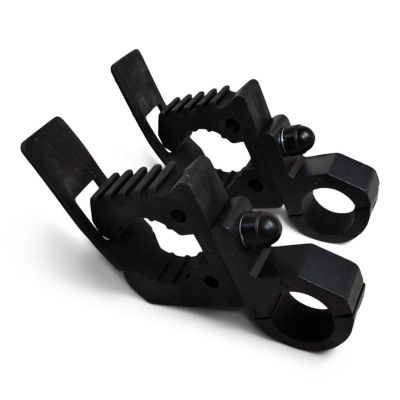
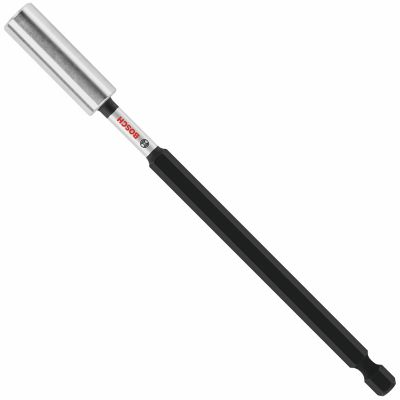
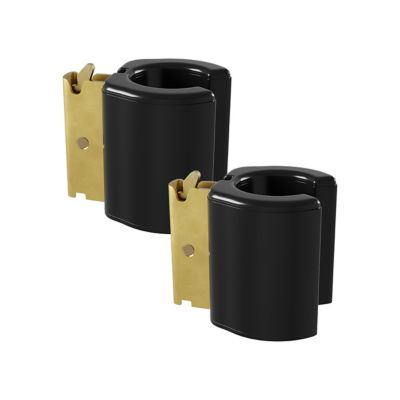
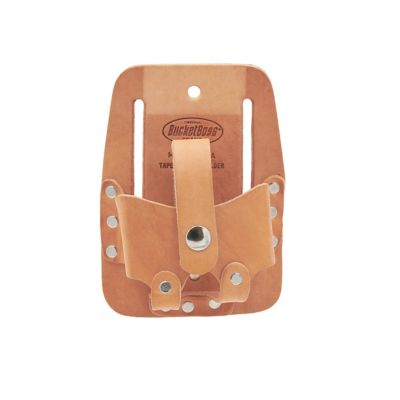
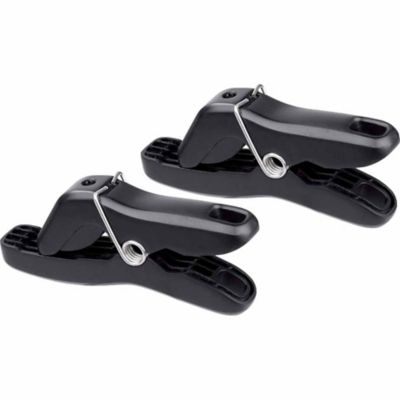
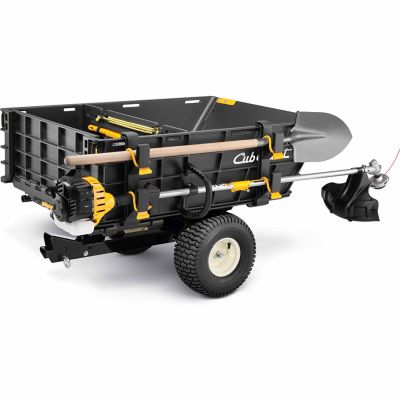
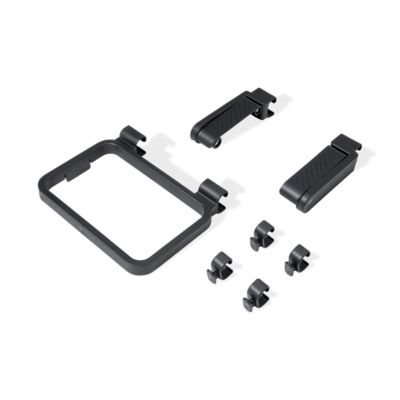
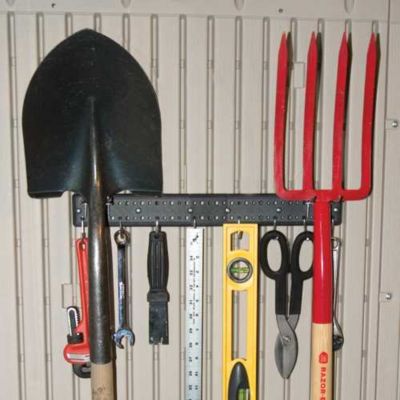
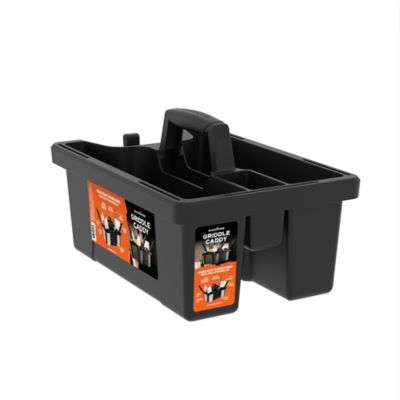
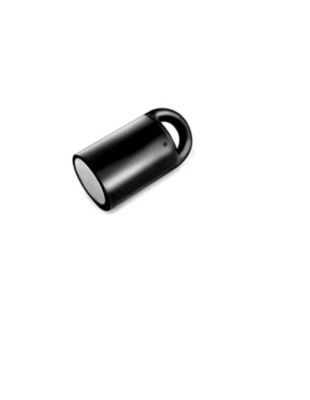
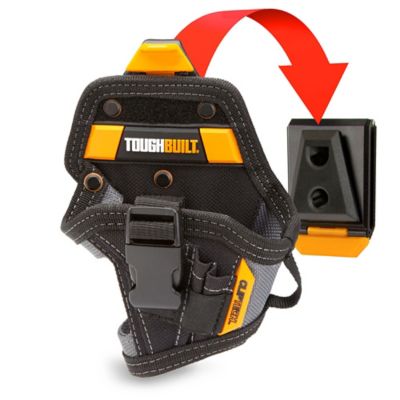
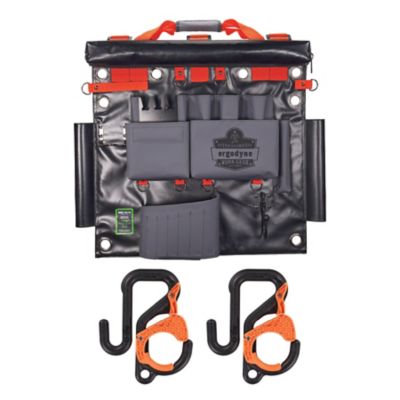
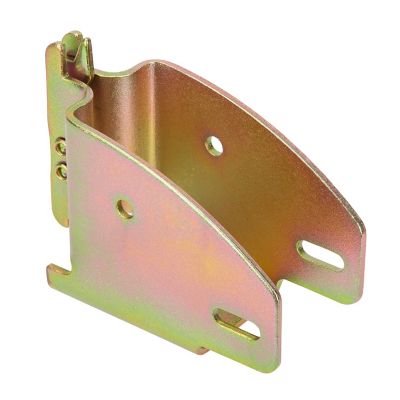
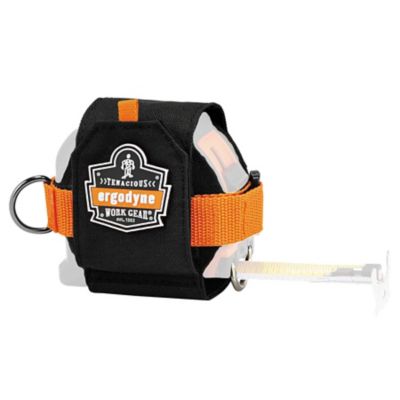
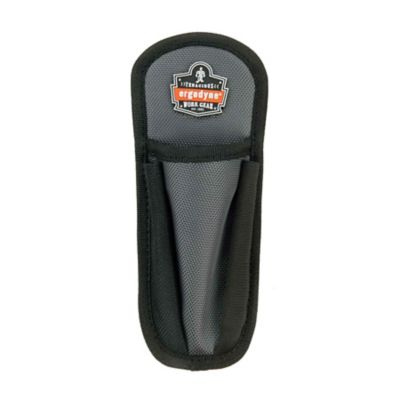
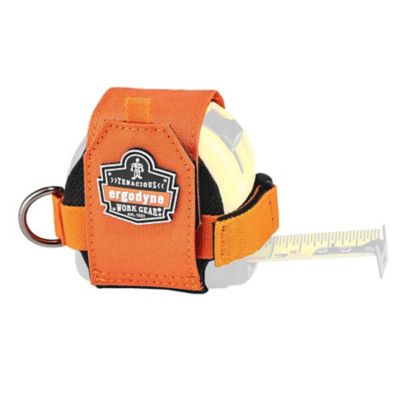
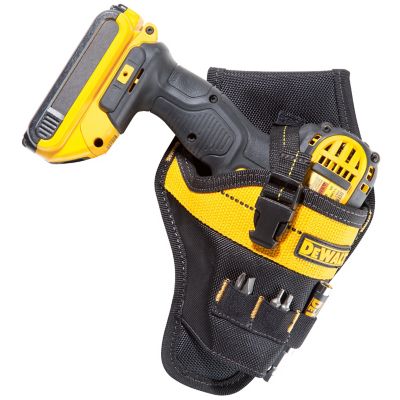
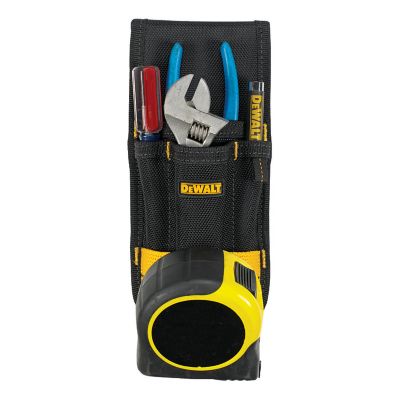
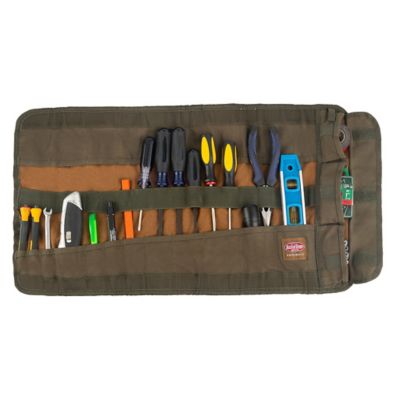
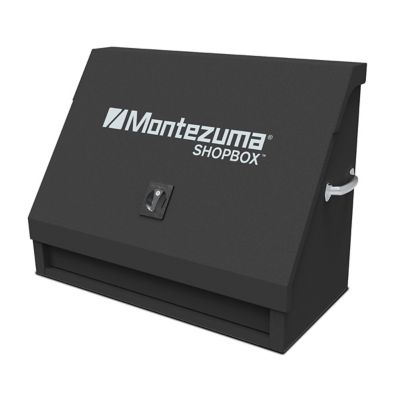
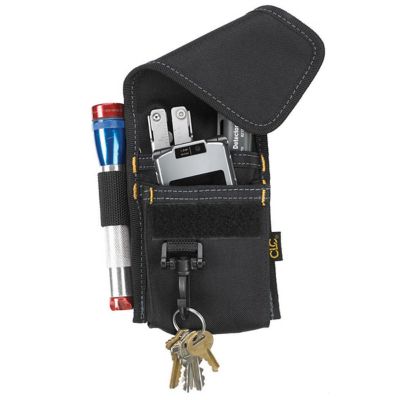
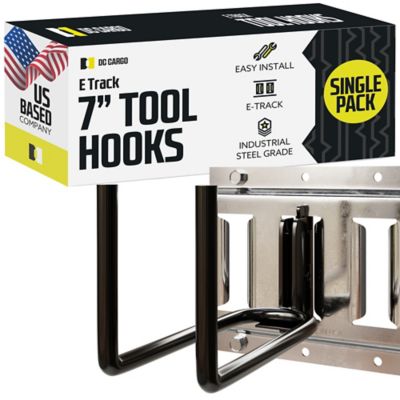
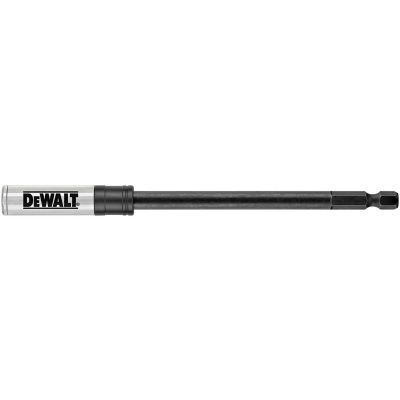
Tool holders keep hand tools, power tools, and yard tools secured and organized, whether the job starts at a garage workbench, beside a barn door, or out by the fence line. Depending on their design, they can mount to a wall, fit inside a toolbox, sit on a bench, or attach to a belt for work away from the shop. A holder gives each tool a spot of its own, helping keep handles within reach and work surfaces clear for the task at hand. Magnetic tool holders grip compatible steel tools without enclosing them, making it easy to spot the wrench or pair of pliers needed for a repair. Slotted racks, clips, and individual loops support tools by their handles or bodies, while hooks and rails can accommodate longer equipment such as rakes, shovels, and brooms. Power tool holders often have shaped openings that support a tool in a particular position; some designs also provide separate space for batteries and accessories. Portable pouches and belt-mounted holders serve a different purpose, keeping a few frequently needed tools close during chores that take someone from one end of the property to the other. For small driving accessories,
hex bit holders connect compatible bits to a driver, rather than serving as wall storage. That distinction matters because the term tool holder also covers machine-shop components that secure cutting tools in equipment. Those holders depend on exact machine and cutting-tool compatibility, not simply the amount of storage space on a wall. Around a home shop or farm building, though, the main purpose is usually straightforward: keeping equipment supported, separated, and easy to put back. Someone maintaining tractors may need room for several wrench sizes near the bench, while a gardener may want long handles off the floor beside the shed entrance. The most useful arrangement matches the tools and the work, rather than making every task fit the same storage setup.
Materials and fit make a real difference in how tool holders handle everyday chores. Steel racks and brackets can support substantial loads when their construction, fasteners, and mounting surface are rated for the task. Powder-coated or plated finishes help protect exposed metal, although scratches and trapped moisture can leave it vulnerable to rust. Molded plastic holders offer a lighter option and do not rust, but their load limits and temperature ratings still matter, especially in an unheated shed. Rubber-coated hooks and cushioned contact points can help keep tool handles from sliding and reduce rubbing against painted surfaces. Fabric pouches offer flexibility on the move, with stitching, reinforced edges, and attachment points affecting how well they stand up to repeated carrying. Leather holders call for care appropriate to the material and enough room for the intended tool without an overly loose fit. Across these styles, dimensions deserve as much attention as the overall size of the rack. A slot that fits a narrow screwdriver shaft may not accept a thick grip, and a hook deep enough for one shovel might not safely hold several. Cordless tool storage needs clearance for the tool body and, where the design permits, an attached battery. Magnetic holding strength depends on the magnet, the tool’s weight, and how much compatible metal makes contact; not every metal tool will attach. Wall-mounted storage also depends on what sits behind the bracket. Studs, masonry, and other mounting surfaces require suitable hardware, and the holder’s stated capacity does not override the limits of the wall or fasteners. Over a workbench, enough space below a rack allows tools to lift free without bumping a shelf. Beside a doorway, hooks should leave clearance for people carrying feed sacks, lumber, or other equipment. These details help a storage setup hold up through repeated reaching, lifting, and putting tools away, without crowding the space where the work happens.
A well-matched tool holder fits the rhythm of a working space. Frequently reached-for hand tools belong where they can be seen and grasped comfortably, while heavier equipment benefits from lower placement that limits awkward lifting. In a busy garage, separating sharp edges from cords and keeping long handles out of walking paths can make the area easier to move through. Holders with positive retention, such as a latch or fitted clip, may be appropriate where tools could otherwise shift, but stationary wall storage should not be treated as transport storage unless the manufacturer rates it for that purpose. A work vehicle brings vibration, bumps, and sudden stops that a shop wall does not. Farm buildings bring their own conditions, from airborne dust to moisture carried in on muddy equipment. Open racks make dirt easier to spot and allow airflow around tools, but they do not replace drying wet equipment before putting it away. A quick wipe of contact surfaces helps keep grit from rubbing against handles and finishes. Magnetic strips need occasional attention so metal filings do not build up where hands reach, while pouches benefit from having loose debris emptied from their pockets. Loose fasteners, bent hooks, cracked plastic, and worn stitching are signs that a holder needs attention before it carries another load. During the cooler months, storage that keeps tools away from damp floors is especially helpful, though moisture and condensation still need managing throughout the building. Tool holders suit homeowners tending a small yard, mechanics working through repairs, livestock owners keeping chore tools close, and tradespeople carrying equipment between jobs. They can also make a practical gift for someone setting up a workshop or sorting out an overcrowded shed, particularly when the tool sizes and mounting space are known. Whether the goal is clearing a bench for a repair or keeping the right pair of pliers close at hand, the value comes from a secure fit and a sensible place to put things back when the job is done.