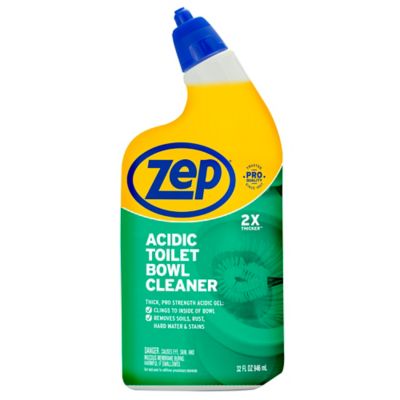
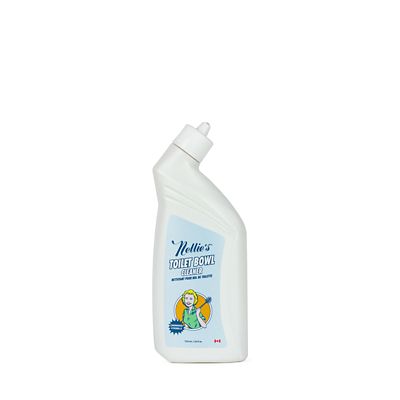
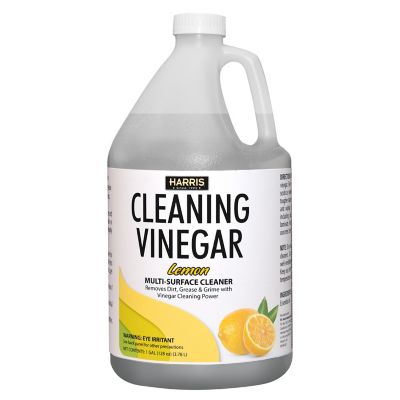
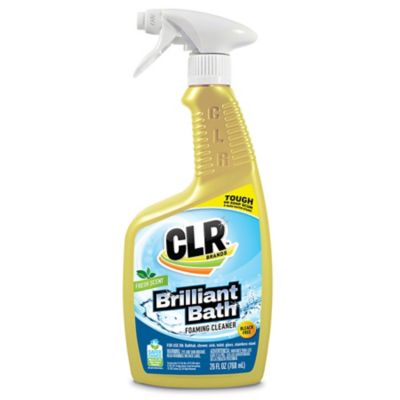
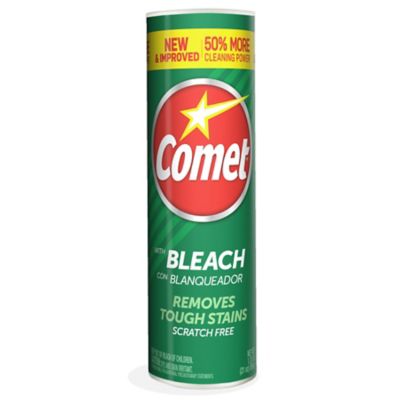
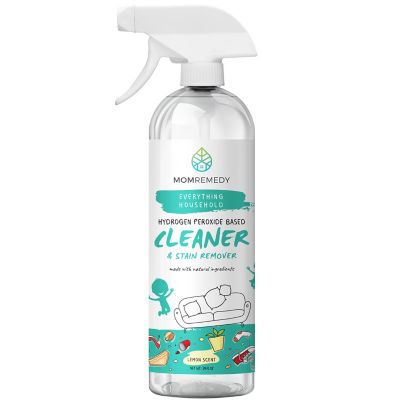
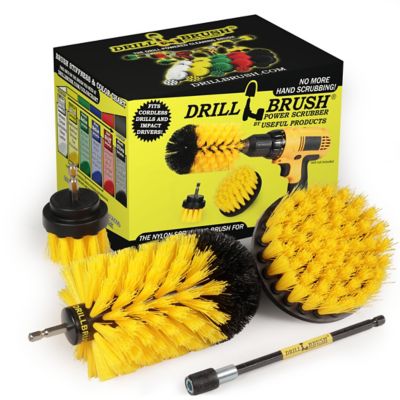
Toilet cleaner helps keep bathrooms, guest spaces, mudroom lavatories, and basement half-baths fresh through everyday use, muddy boots, dusty work clothes, and all the traffic that comes with a busy home or homestead. The right formula depends on what you need to tackle. A clinging liquid gel is a handy all-around choice because it can coat the bowl beneath the rim, where grime and bacteria can build up out of sight. Bleach-based formulas are often chosen for whitening porcelain, freshening the bowl, and addressing mold or mildew stains, while acidic or descaling cleaners are better suited to hard water rings, rust marks, and mineral scale. Homes with well water may see those orange-brown rust stains or chalky deposits return more often, especially in areas with hard water, so a cleaner made for mineral buildup can save plenty of scrubbing. For households looking to reduce plastic use, tablets, strips, and other concentrated or plant-based options offer a convenient alternative when used according to the package directions. Before buying, consider the number of bathrooms in the home, how often each one is used, the age and finish of the toilet, and whether children, pets, guests, or livestock-handling family members regularly pass through the space. A larger household may appreciate a cleaner that works quickly between chores, while a seldom-used guest bath may need a formula that helps prevent stale odors and ring buildup during periods of lighter use. Toilet cleaner can also make a practical housewarming gift when paired with a brush, gloves, or other basic cleaning supplies, especially for someone moving into a farmhouse, rental, workshop apartment, or first home. For cleaning beyond the bowl, an
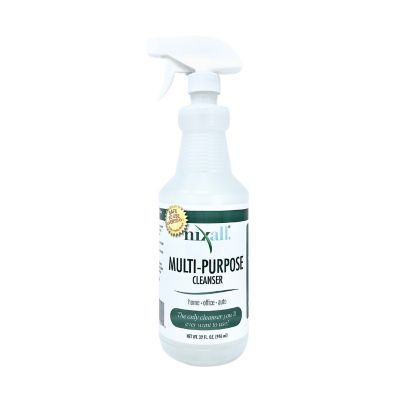
All Purpose Household Cleaner can help handle compatible surfaces around the bathroom, such as floors, sinks, and sealed counters; always check the label before using any cleaner on painted, natural stone, wood, or specialty finishes.
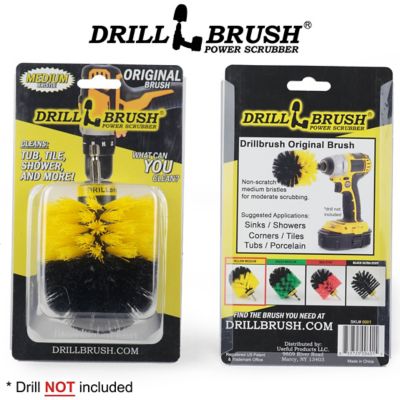
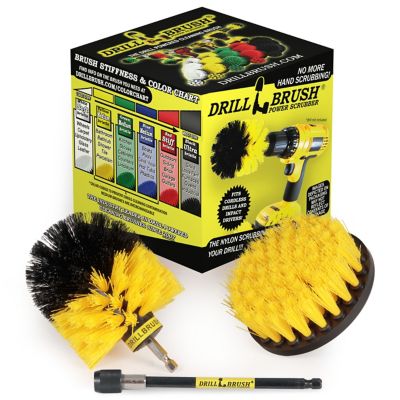
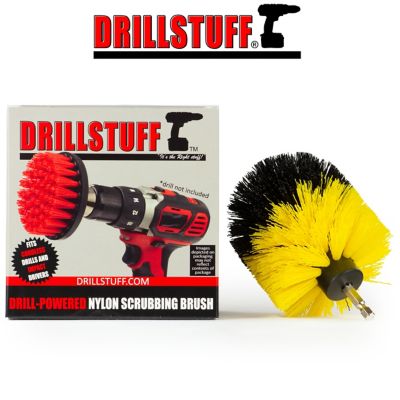
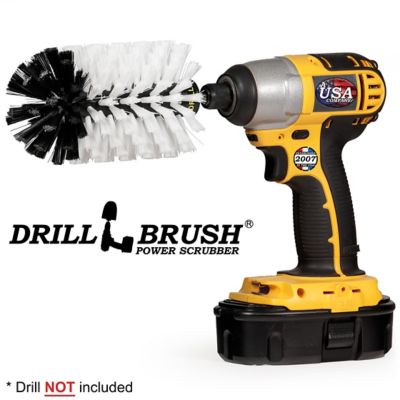
For a thorough routine, start by opening a window or running the exhaust fan and putting on household cleaning gloves. If the outside of the toilet has collected dust, hair, or bits of straw from the barn, wipe those dry before adding liquid so the mess does not turn into muddy streaks. Flush first if needed, then apply the toilet cleaner beneath the rim, working around the bowl so the gel reaches the upper sides and runs down across the porcelain. Let it sit for the time listed on the label—many formulas work best after several minutes of contact—rather than brushing immediately and rinsing the cleaner away. Use a sturdy toilet brush to scrub beneath the rim, around the waterline, and across any visible ring or stained area. A brush with firm, angled bristles can reach the back of the bowl and the narrow channel where water enters. Flush to rinse, then inspect the bowl in good light; stubborn mineral deposits may need a second application, and heavy scale may require a cleaner specifically labeled for descaling. Avoid using abrasive tools that can scratch porcelain, and do not use a pumice stone unless the product directions and toilet manufacturer allow it. The outside of the bowl, seat, lid, handle, and nearby floor should be cleaned separately with products approved for those surfaces. For everyday upkeep, a quick brush and flush every few days can keep residue from hardening, while a deeper cleaning once a week or as needed helps manage odors and visible buildup. During warmer weather, ventilation and prompt cleaning can help keep bathrooms from feeling stuffy; during cooler months, when windows may stay closed, following contact times and using an exhaust fan becomes even more important. In a farmhouse or rural home, keeping a spare bottle or pack of cleaner on the utility shelf can be useful when guests arrive, muddy chores track extra soil indoors, or a second bathroom suddenly gets more use than usual.
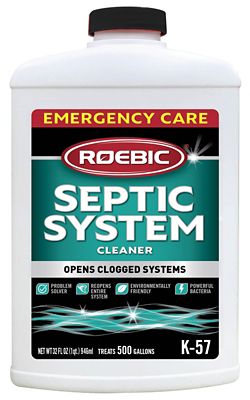
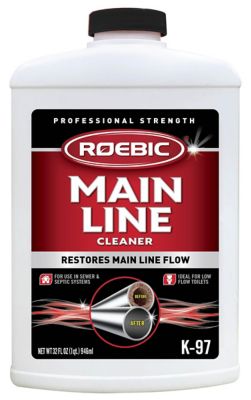
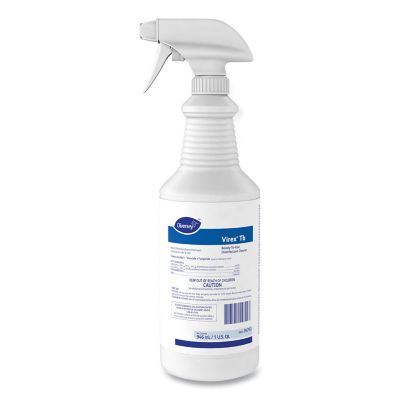
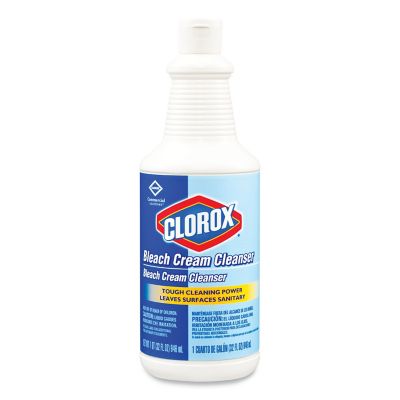
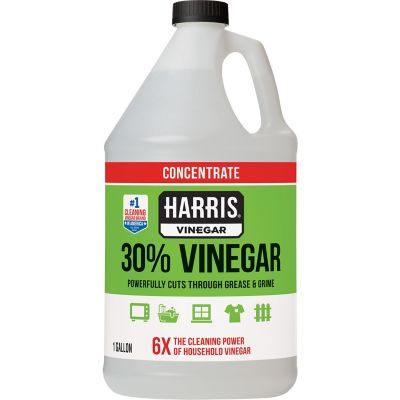
Safety matters with every toilet cleaner, especially formulas containing bleach or acids. Never mix bleach-based cleaner with ammonia, vinegar, acidic bowl cleaner, drain opener, or any other household chemical, since dangerous fumes can form. Use one product at a time, flush thoroughly before changing cleaners, and keep the container in its original labeled packaging. Store it upright and out of reach of children and pets, including dogs that may nose around a low bathroom cabinet. If the home uses a septic system, look for labeling that identifies the cleaner as septic-safe or suitable for septic systems, and use only the recommended amount; regular toilet cleaning products generally go through the plumbing, but excessive chemical use is not a good habit for the system. Older toilets, colored bowls, specialty coatings, and composting or low-water systems may have their own care requirements, so check the manufacturer’s instructions when available. Tablets that sit in the tank should only be used when specifically approved, since some formulas can affect rubber seals or internal parts over time. Choose a cleaner with clear directions for the problem at hand, whether that means routine freshening, whitening, disinfecting where the label permits, or breaking down rust and hard water scale. With the right toilet cleaner, a dependable brush, safe storage, and a few minutes of regular attention, the bathroom can stay clean and ready for family, hired hands, overnight guests, and everyone coming in from the field.