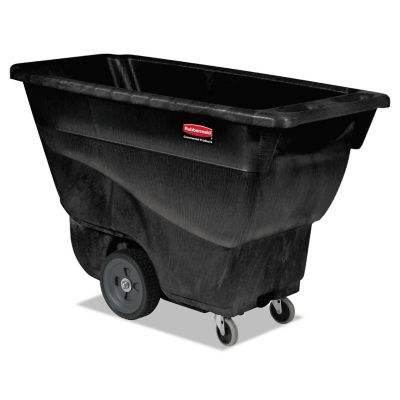
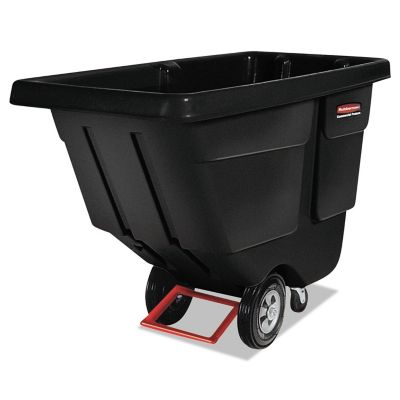
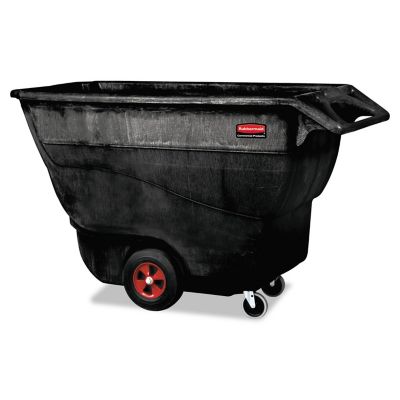
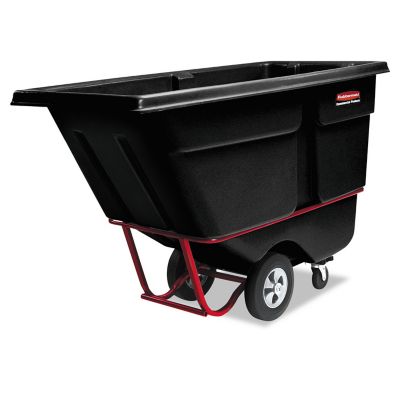
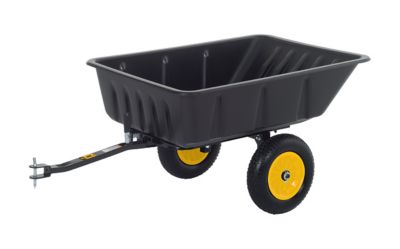
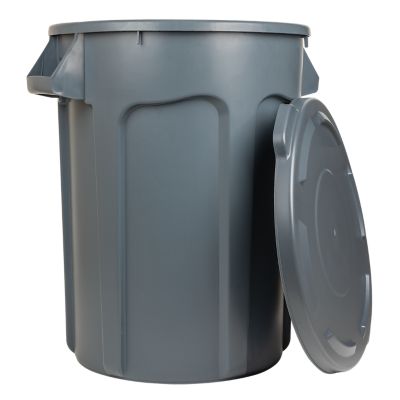
Tilt trucks are handy material-handling carts built to move, hold and dump loose loads with less lifting and carrying. In farm shops, barns, warehouses, maintenance areas and busy back rooms, they can help haul feed, bedding, mulch, soil, gravel, firewood, laundry, trash and other bulky materials from one spot to another. Most are shaped with a deep bin, sturdy wheels and a balanced frame that lets one person roll the load and tip the container forward when it is time to empty it. That simple design can save a good bit of back-and-forth work. Instead of carrying armloads of bedding across a barn or trying to shovel debris into a fixed bin, you can load the truck close to the material, guide it where it belongs and use the tilt function to dump it in a controlled manner. Tilt trucks come in a range of sizes and capacities, so it helps to think about the jobs you handle most often. A smaller truck may be easier to maneuver through gates, aisles and storage areas, while a larger-capacity model can cut down on trips when moving lighter, bulky material. Pay attention to the rated capacity as well as the bin volume, since a truck filled with damp soil, grain or wet waste can become much heavier than the same amount of dry leaves or empty packaging. Wheel size and type also matter. Larger wheels tend to roll more smoothly over gravel, thresholds and uneven concrete, while casters can make a truck easier to turn in a tight work area. If the truck will spend time outdoors, look for construction that stands up to sun, moisture, rough handling and repeated loading. A smooth interior is useful for dumping and cleanup, and a molded or corrosion-resistant body can be a practical choice around livestock areas, wash bays and changing weather.
Before choosing a tilt truck, consider where it will be used, what it will carry and who will be moving it. Measure doorways, stall openings, trailer ramps and storage spaces so the loaded cart will fit without a struggle. A narrow profile can be especially helpful in a tack room or crowded shop, while a broad, stable base may be more important for heavier loads or rough ground. Handles should feel comfortable and give you enough leverage to steer and tip the truck without twisting your body. Check the wheel layout, frame strength and tipping mechanism, and make sure the unit returns to a stable position after unloading. Some designs are intended for manual tilting, while others may use a controlled release or assisted dumping feature. Follow the manufacturer’s instructions for the intended load limit, tipping angle and operating surface. Keep both hands and feet clear of pinch points, do not stand downhill from a rolling or dumping truck, and make sure the path is free of people, pets, cords and loose tools before moving. On slopes, take extra care: even a well-balanced cart can gain momentum when heavily loaded. Engage any wheel lock when the truck is parked, load heavier material low and toward the center, and avoid stacking items so high that they block your view. A quick rinse or sweep after hauling feed, manure, soil or wet debris can help prevent buildup, odors and premature wear. During the warmer part of the year, tilt trucks are useful for spreading garden amendments, hauling landscaping material and clearing storm debris; during cooler months, they can help move firewood, shop waste, leaves and bedding. Keeping the wheels, axles and moving parts clean and checking for loose hardware before a busy workday can make the cart easier to control and ready for the next job.
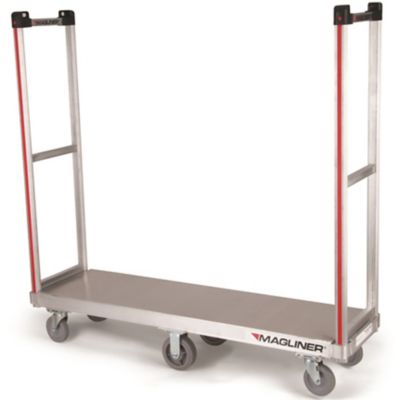
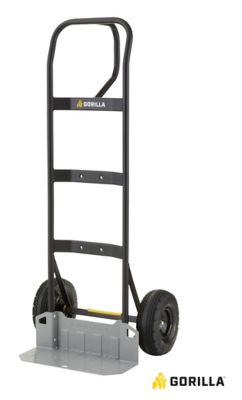
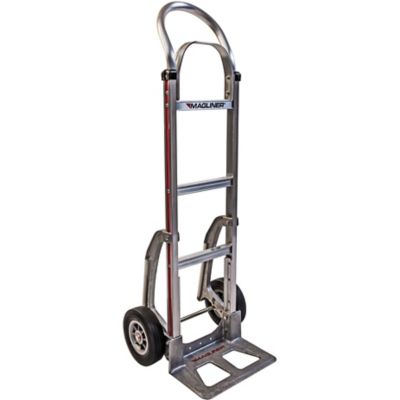
Tilt trucks are a practical fit for property owners, farmers, grounds crews, kennel operators, custodial teams, contractors and anyone who regularly moves more than is comfortable to carry by hand. They can also make a thoughtful gift for a new homeowner, a family member setting up a workshop or a neighbor who spends weekends tending a large garden or small acreage. Unlike a tool used for one specialized repair, a good tilt truck can earn its keep in several parts of the property. One day it may carry a load of wood chips from the driveway to a planting bed; the next, it may roll bags of feed from the barn aisle to storage or collect trimmings after fence-line work. For jobs that call for a different style of manual transport, browsing
Delivery Hand Trucks can help you compare options designed for upright loads and tighter maneuvering. Keep in mind that “tilt truck” can refer to more than one kind of equipment. In commercial transportation, the term may describe a truck cab that tilts forward to provide access to the engine and transmission, while a tilt-bed or tilt-trailer uses a hydraulic system to lower a bed for loading machinery or disabled vehicles. Those systems have different operating procedures and should only be used according to the vehicle or equipment manufacturer’s directions. The products grouped on this page are generally intended as wheeled material-handling bins or carts for moving and dumping supplies. Choosing the right capacity, wheel design, body material and tipping style will help match the truck to your property and reduce unnecessary lifting. Used on a firm, level route and kept within its rated load, a tilt truck can become one of those dependable shop and yard tools that quietly saves time every season.