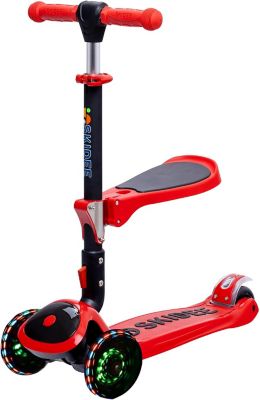
Three-wheeled tricycles offer a broad base of support for riding, with many adult designs also providing room for everyday cargo. They appeal to adults, older riders and people who prefer the feel of three wheels over a two-wheel bicycle, while smaller tricycles give children a way to practice pedaling and steering. Most upright adult tricycles place one wheel in front and two in back, creating space for a basket between the rear wheels. That layout can make a relaxed ride along a level paved lane or a trip through the neighborhood feel more manageable, especially for someone who would rather not balance a bicycle at every stop. Three wheels do not prevent tipping, though, and a tricycle handles differently from a bicycle when turning or crossing a slope. The right match depends on the rider, the route and what needs to come along. Frame materials are part of that decision. Steel frames generally bring more heft, while aluminum frames can reduce the weight that needs to be moved into a shed or positioned beside a garage wall. Total weight varies with the frame, wheels, drivetrain and cargo setup, so the material alone does not tell the whole story. Frame joints, protective finishes and securely mounted components also matter for equipment that gets regular outings. Wheel size and tire construction affect the ride as well. Larger wheels generally roll over small surface irregularities more easily, while compact wheels can suit smaller frames and tighter storage spaces. Air-filled tires offer cushioning but require pressure checks; solid tires avoid air loss but often feel firmer under the rider. Wide tires are not a promise of easy travel across pasture, loose gravel or rutted ground. Smooth, firm routes remain the better setting for many everyday tricycles, and the intended riding surface should match the manufacturer’s recommendations.
Fit makes a bigger difference than a roomy seat alone. On an adult tricycle, the relationship between the saddle, pedals and handlebars determines whether the rider can pedal comfortably, steer without stretching and reach the brakes without shifting awkwardly. A properly adjusted seat generally leaves a slight bend in the knee at the bottom of the pedal stroke, rather than forcing the rider to lock the leg or rock from side to side. Low step-through frames can make getting on and off less demanding, although frame clearance, footing and individual mobility still matter. An upright riding position may appeal to someone heading down a paved lane for an easy outing, while handlebar adjustment can help bring the controls within comfortable reach. Riders with balance concerns or limited mobility may benefit from an individual assessment before choosing a cycle; three wheels alone do not establish whether a particular design is suitable. For children, fit involves more than an age range printed on a label. Leg reach, handlebar position, control access and the ability to stop all deserve attention. A child should not have to stretch to pedal or struggle with a frame selected mainly for growing room. Adult supervision, a properly fitted bicycle helmet and a riding area away from vehicles help set the stage for practice. Adult riders also need time to learn a tricycle’s wider footprint. The rear wheels track outside the front wheel, which matters beside a gatepost, along a narrow walkway or near the edge of a drive. Gentle turns at low speed are important because leaning into a corner does not make a tricycle behave like a two-wheel bike. Brake styles and gearing add another layer to the fit. Hand controls need to suit the rider’s reach and grip strength, while available gear ranges should match the route. A single-speed drivetrain keeps operation straightforward on suitable level ground; multiple gears can make changes in grade easier to manage without removing the need for safe braking.
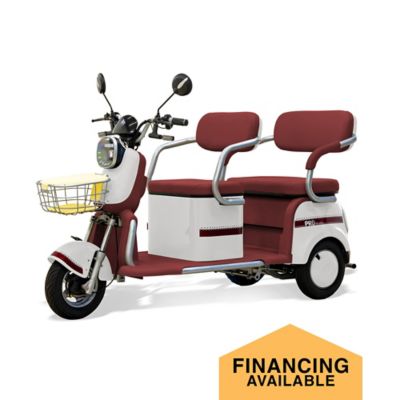
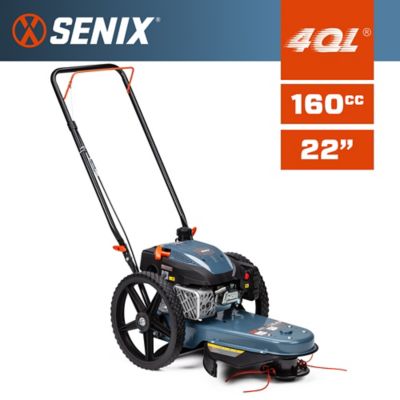
Cargo space is a big part of the appeal of adult three-wheeled tricycles. A rear basket can hold a grocery bag, a small picnic tote or a few essentials for a visit down the lane, leaving the handlebars free for steering. Basket dimensions, attachment points and the cycle’s stated weight limits help determine what belongs aboard. The rider limit and cargo limit may be listed separately, and neither should be treated as permission to overload the other. Loads belong low, centered and secured so they cannot shift into a wheel or catch in the drivetrain. A basket is not a passenger seat unless the manufacturer specifically designs and rates it for that purpose. Overall width matters off the riding route, too. A tricycle that feels comfortable in an open driveway still needs enough clearance through the shed doorway, around a parked mower and into its storage spot. Folding designs can help in some spaces, but folded dimensions and lifting weight remain important considerations. Routine care helps keep the ride smooth: tires need the specified pressure, chains need lubrication suited to the drivetrain, and brakes need inspection for wear and proper operation. A soft cloth can lift dust from the frame, while gentle cleaning around bearings and moving parts avoids forcing water where it does not belong. Loose hardware, cracked tires or a brake that feels different deserve attention before another ride. Clear paths matter around a busy property as well, and riding areas should stay separate from active yard work with equipment such as
Wheeled Trimmers. For a birthday gift or a child’s first pedal cycle, the best choice reflects the recipient’s size, confidence and riding space rather than appearance alone. Whether the plan is a short neighborhood loop or carrying a few belongings along a suitable path, a well-matched tricycle brings together comfortable fit, manageable controls and practical carrying space.