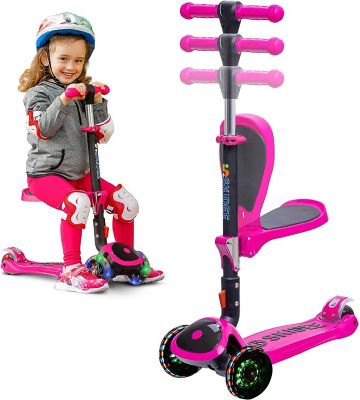
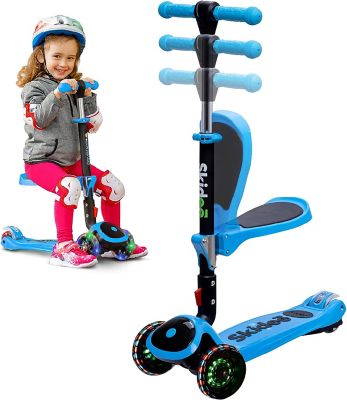
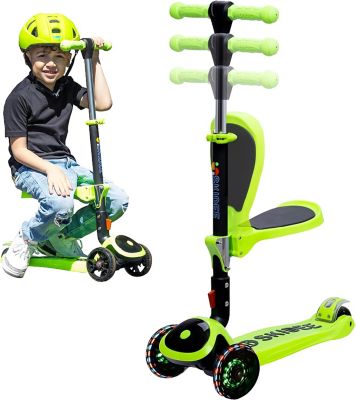
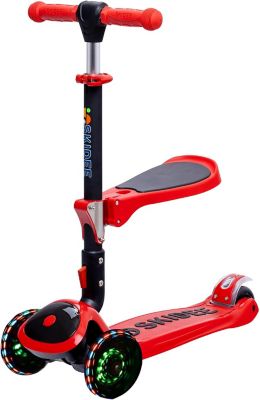
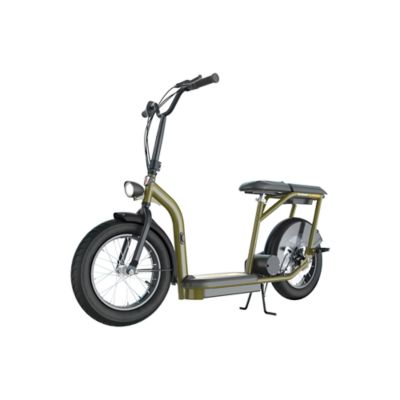
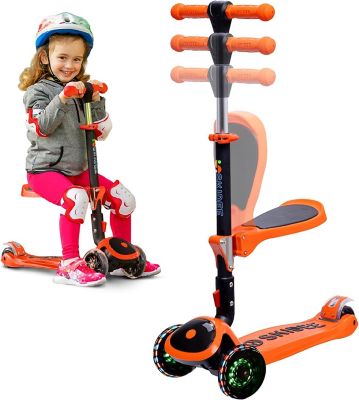
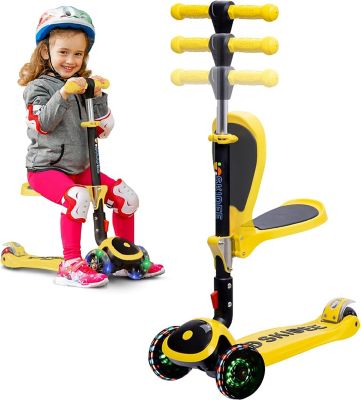
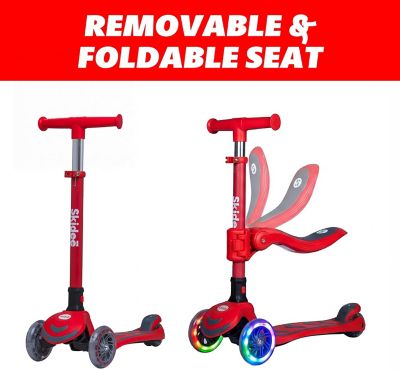
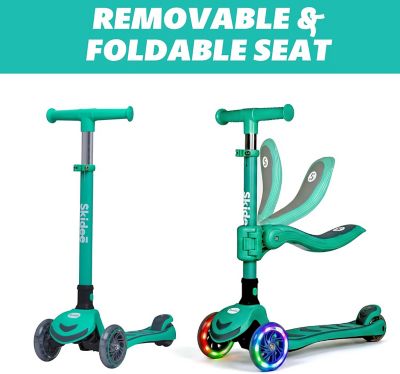
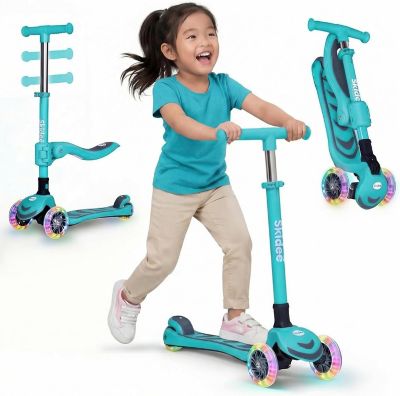
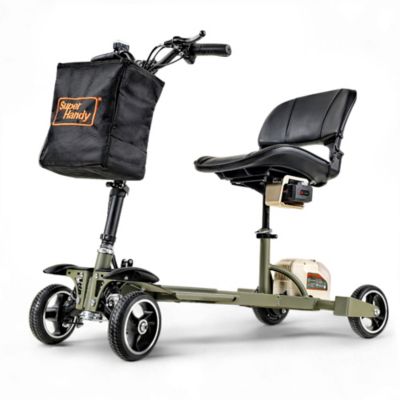
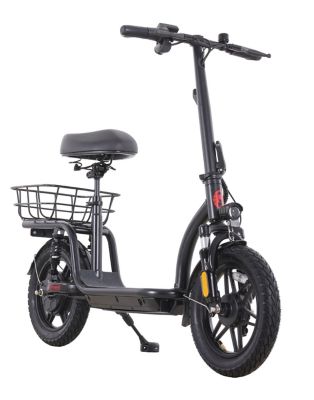
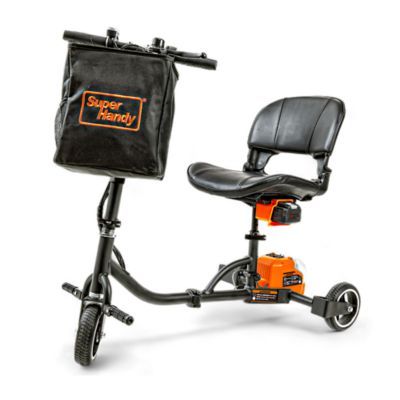
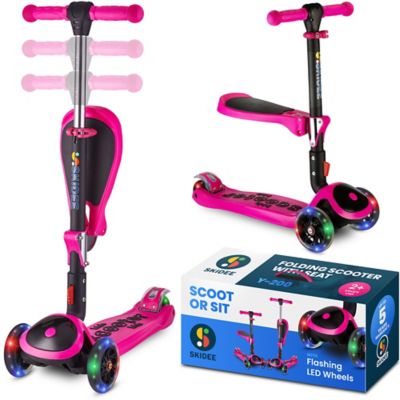
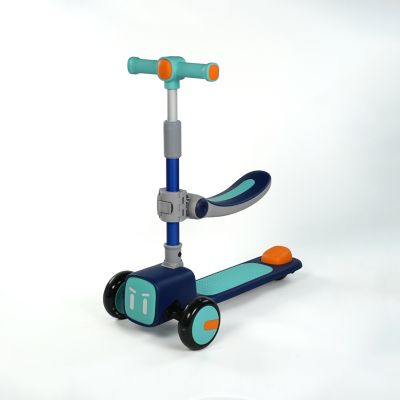
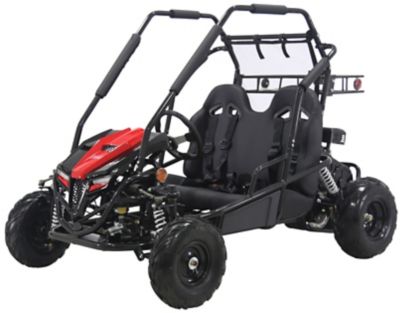
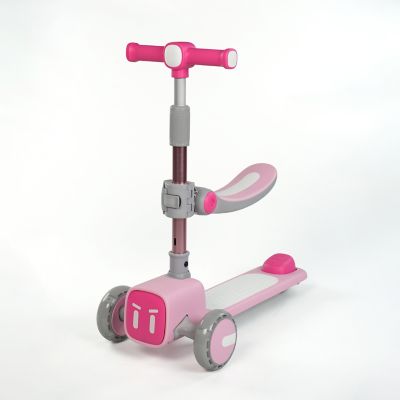
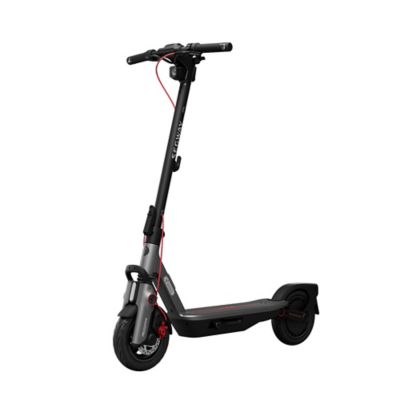
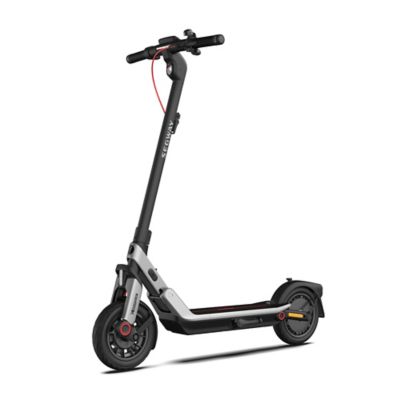
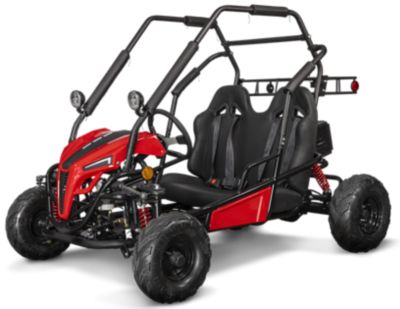
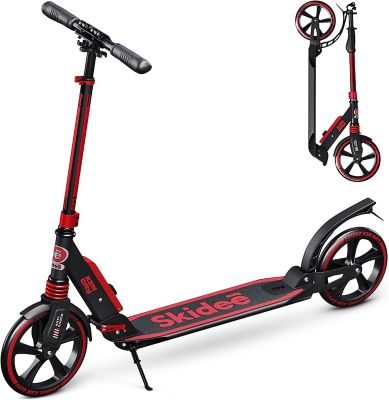
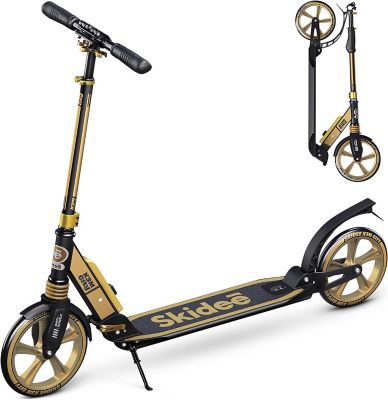
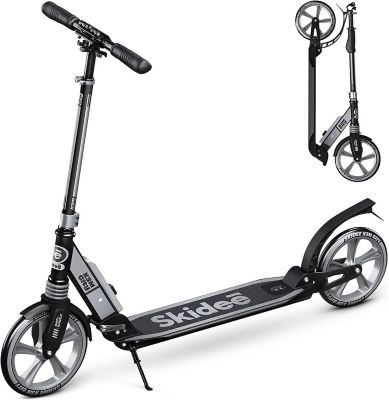
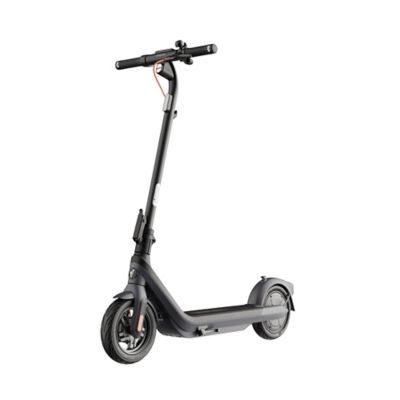
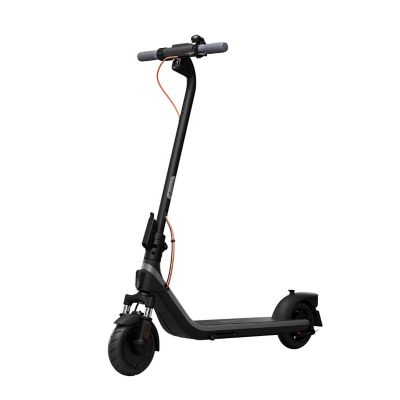
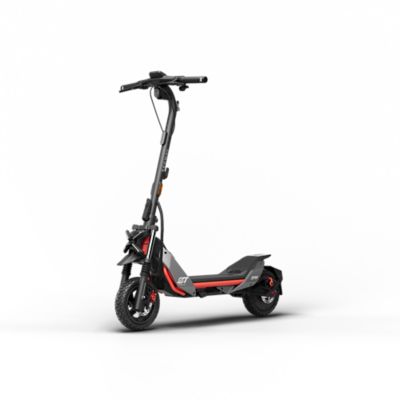
Scooters with seats give riders a place to sit while traveling short distances, whether that means rolling along a paved driveway, crossing a large property on an approved route, or making a short trip through town where scooter riding is permitted. Electric scooters with seats pair motor-powered travel with seated support, which can reduce the need to stand throughout a ride. That makes them worth a look for adult commuters, recreational riders, and people who prefer a seated position for everyday outings. The seat is only part of the picture, though. Frame size, foot space, handlebar reach, and the way the scooter carries its load all help determine how comfortable it feels from the first stretch of pavement to the last turn home. Some designs put the rider upright with both feet resting on a deck, while others have a different frame layout or seating position. A seat alone does not make a scooter a medical mobility device, and different scooter categories have different operating requirements. Intended age range, rider weight limits, and manufacturer guidance matter more than a general adult or youth label. For a trip to a nearby destination, a seated electric scooter may offer a convenient alternative to taking a larger vehicle, provided the route and local rules allow it. For a leisurely ride around the home place, easy steering and a comfortable pace may matter more than maximum speed. Motor output, battery capacity, and braking design should suit that actual riding routine rather than simply looking impressive on paper. A higher advertised speed is not automatically a better match for a narrow path or frequent stops. The most useful scooter with a seat is one that fits its rider, handles the planned route, and offers controls that feel straightforward enough to operate without awkward reaching or shifting around.
A comfortable seated riding position starts with the relationship between the seat, handlebars, and foot platform. Seat height should allow the riding posture described by the manufacturer, with enough room for the knees and a relaxed reach to the grips. An adjustable seat or handlebar can help accommodate different body sizes when that feature is part of the design, but adjustment range still has limits. Seat width, padding, and support also affect comfort, especially when a ride involves more than a quick loop down the drive. Extra cushioning cannot make up for a frame that is too small or controls that sit too far away. Getting on and off deserves attention, too; frame openings, deck height, and seat placement can make that movement feel quite different from one scooter design to another. Aluminum and steel are common frame materials, each with its own balance of weight and construction needs. Aluminum can help keep carrying weight down, while a steel frame may add heft; the complete design and stated load rating tell more than the material name alone. Total load includes the rider and any belongings carried within the scooter’s specified limits. Tires make another noticeable difference. Air-filled tires can soften small bumps but need pressure checks and may require puncture repair. Solid tires avoid air-pressure maintenance, though they can pass more vibration through the frame. Suspension, where fitted, can help manage uneven pavement without turning a road-oriented scooter into an off-road machine. Loose gravel, ruts, deep grass, and steep grades may be outside its intended use. Wheel size, ground clearance, and the manufacturer’s terrain guidance help set realistic expectations for a property with mixed surfaces. Brakes deserve the same attention as comfort features: their type, placement, and operation should suit the rider’s strength and coordination. A stable seat and roomy deck feel even better when the rider can reach the controls easily and bring the scooter to a controlled stop.
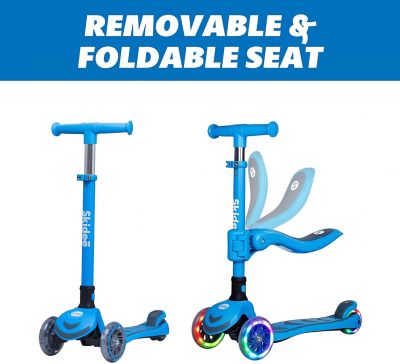
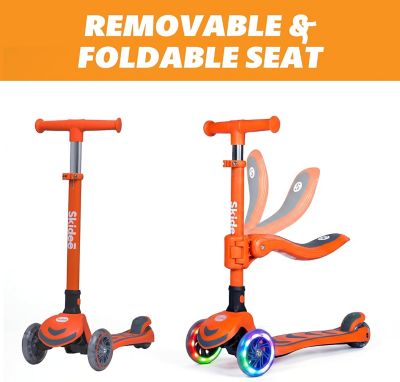
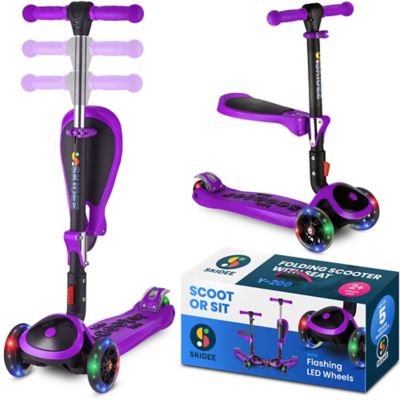
Battery range and day-to-day handling often determine how well a seated scooter fits into a routine. Advertised range generally reflects specified test conditions, not a promise for every trip. Rider weight, hills, tire pressure, speed, and frequent starts can all affect how far an electric scooter travels on a charge. A route with several inclines and repeated stops may call for more battery capacity than a level, steady ride of the same distance. Charging time, charger compatibility, and access to a suitable charging location belong in that everyday picture as well. The manufacturer-approved charger and instructions should guide charging, storage, and battery care. For riders who need to load a scooter into a vehicle or move it through a doorway, overall weight and folded dimensions can matter as much as riding range. A folding handlebar or removable seat, when included in the design, does not necessarily make the whole scooter easy for one person to lift. Storage space should accommodate the scooter without putting strain on cables, controls, or the seat assembly. Routine care usually includes checking fasteners, inspecting tires, keeping braking surfaces in the condition specified by the manufacturer, and wiping away dirt without directing water into electrical parts. Seat covers and grips benefit from cleaning methods suited to their materials rather than harsh cleaners. For visibility features worth considering alongside seated comfort,
Scooters With Lights offers a related category to explore; lighting does not replace an approved helmet, attentive riding, or compliance with local requirements. Before a seated scooter becomes a gift for an adult family member or a younger rider, age guidance, physical fit, permitted riding locations, and storage arrangements deserve a little homework. The right match leaves room for the practical details: a comfortable seat, manageable controls, enough range for the planned outing, and a straightforward place to park and charge between rides.