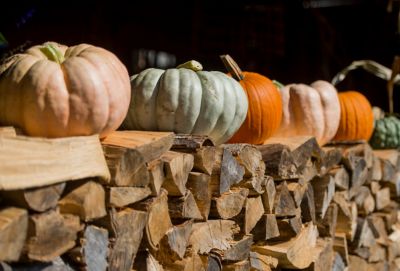
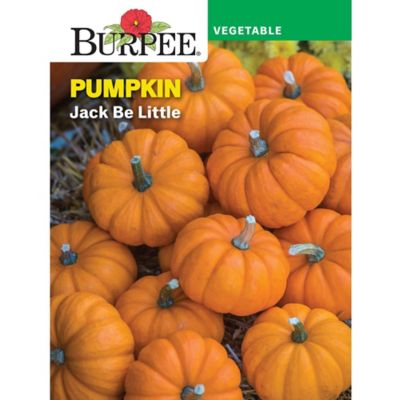
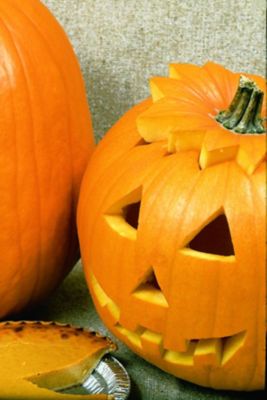
Thanksgiving pumpkins bring the harvest to the supper table, whether they’re part of the meal or part of the welcome at the front door. Their rounded shapes, ribbed sides and earthy colors fit comfortably alongside a farmhouse table, a wooden porch bench or a sideboard set for a family gathering. The main distinction is intended use: edible pumpkins belong in the kitchen, while artificial pumpkins and pumpkins with painted or treated surfaces belong in displays, not recipes. For cooking, varieties grown for eating generally offer sweeter flavor and thicker, less stringy flesh than large carving types. Small sugar pumpkins are a familiar choice for Thanksgiving pumpkin pie, cheesecake, breads and other baked desserts. Their flesh also works well in savory dishes, including roasted pumpkin soup and stuffed roast pumpkins filled with bread, mushrooms, herbs or cheese. A smaller edible pumpkin can serve as an individual portion, while a larger cooking pumpkin may suit a shared side dish. Flesh texture matters as much as size because excess moisture can affect a pie filling, and a firm shell helps a stuffed pumpkin hold its shape during roasting. Pumpkin flavor pairs comfortably with cinnamon, ginger and nutmeg, but it also stands up to sage, thyme, onions and a little browned butter. That range makes edible pumpkins useful for hosts planning a traditional Thanksgiving dinner as well as cooks setting out a vegetable-centered main dish. A pumpkin chosen for the porch, however, isn’t automatically a good match for the oven. Food use should be clearly established, and pumpkins with unknown coatings or treatments should stay out of the meal. Keeping that distinction in mind makes it easier to choose Thanksgiving pumpkins for the job at hand, from a smooth pie filling to a simple harvest arrangement beside the entryway. It also helps keep the holiday table practical: food stays in serving dishes, and display pieces have their own space away from plates and utensils.
For Thanksgiving displays, material, size and placement make a bigger difference than an elaborate arrangement. Natural pumpkins have variations in shape, color and surface texture that give a grouping a relaxed, straight-from-the-patch feel. They also need regular attention, since soft spots, mold or leaking moisture can damage the surface beneath them. A protective tray provides a barrier between a real pumpkin and a wood table, though it’s still worth checking underneath. For a display that can return for another gathering,
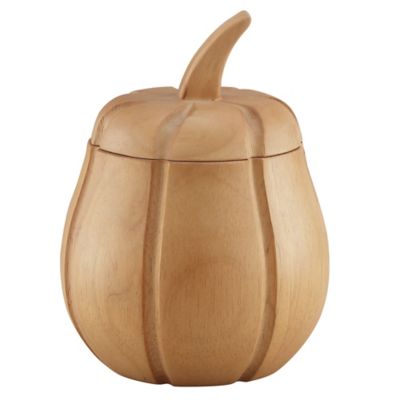
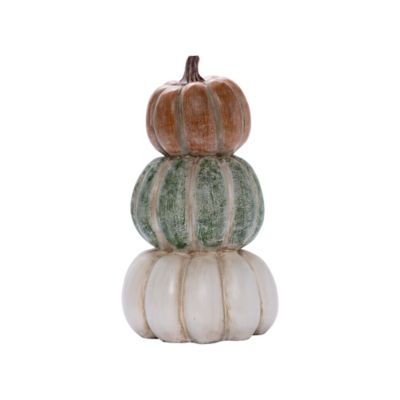
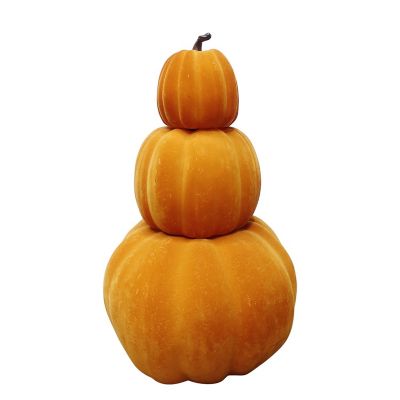
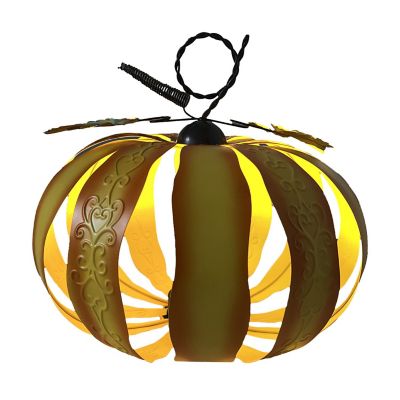
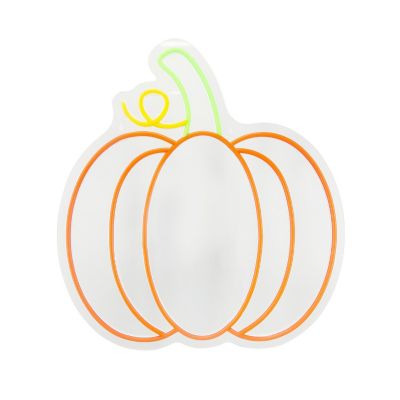
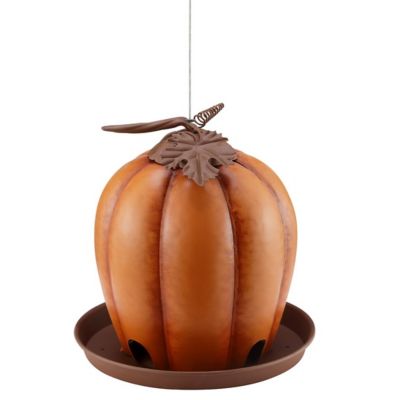
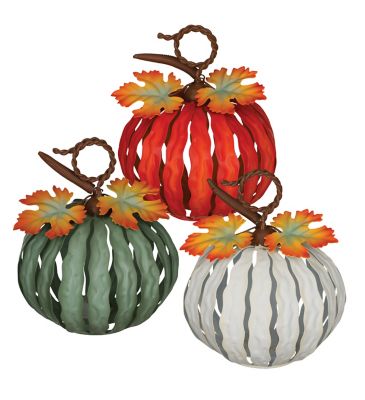
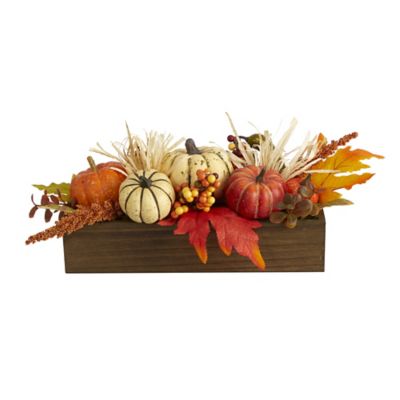
Artificial Pumpkins offer an alternative without the spoilage concerns of fresh produce. Depending on their construction, these accents may feature foam, resin, ceramic, fabric or other materials, each with different handling and care needs. Lightweight foam is easy to move between a shelf and a table, but it may need shelter from wind. Ceramic brings a solid feel to an indoor arrangement, although a fall from a mantel or narrow ledge can cause chips or breakage. Resin pieces vary in weight and finish, so their care directions and placement ratings matter more than appearance alone. Fabric pumpkins can soften the look of a wooden bench or entry table, but they generally belong away from food spills and damp conditions unless their care information says otherwise. An outdoor rating matters for porch placement; an indoor accent shouldn’t be expected to handle rain, frost or prolonged sunlight. Size deserves the same attention. A broad pumpkin may look right beside a hay bale yet take up too much room on a crowded dining table. Low profiles leave guests a clear view across the table, while taller stems need enough clearance beneath shelves or cabinets. Flat, stable bases help keep arrangements steady when children brush past or a serving platter lands nearby. Orange shades bring a familiar harvest look, while cream, green and muted brown tones sit easily beside everyday dishes, woven runners and wood grain. A few well-proportioned pumpkins can make a room feel ready for Thanksgiving without crowding the places where people gather.
The best fit for a Thanksgiving pumpkin depends on how the household celebrates and how much handling the piece will get. A busy home hosting cousins, grandparents and neighbors benefits from arrangements that leave room for elbows, coats and extra chairs. On a dining table, a small grouping toward the center can frame the meal without competing with the turkey platter, gravy boat and bowls passed from hand to hand. On a porch, pumpkins look at home beside a bench or along a broad landing, provided they don’t narrow the walking path, block a handrail or interfere with the door swing. Real pumpkins outdoors may attract wildlife, and damaged ones can become messy underfoot, so location and routine checks matter. Inside, artificial accents should stay clear of open flames, hot cookware and heating equipment, with particular care around fabric and foam. Homes with pets or young children may favor larger, securely assembled pieces over accents with loose stems or small attachments. For someone bringing a host gift, a compact pumpkin accent can be easier to place than a sprawling arrangement, while an edible pumpkin suits a recipient who enjoys cooking from scratch. In either case, the recipient’s space and habits matter: a farmhouse with a deep front porch has different needs from a small kitchen with limited counter space. Care and storage also shape how well a pumpkin accent lasts between celebrations. A soft cloth is often suitable for removing dust from hard surfaces, but finish-specific directions should guide cleaning, especially around painted details, seams and glued stems. Fabric care varies, and soaking or machine washing may not suit the construction. Before storage, pieces should be clean and completely dry, with breakable surfaces cushioned and stems protected from pressure. Fresh pumpkins need a different approach, with sound skins, careful handling and timely removal at the first signs of decay. Whether the focus is Thanksgiving baking, a welcoming entry or a table set for a long afternoon together, matching the pumpkin to its purpose keeps the gathering comfortable, inviting and easy to enjoy.