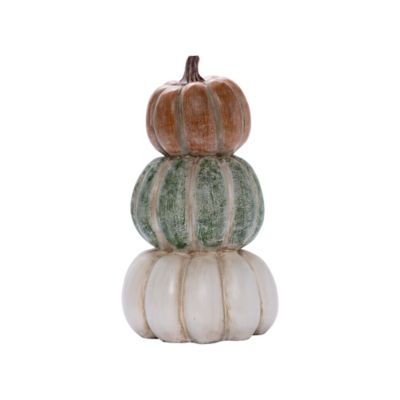
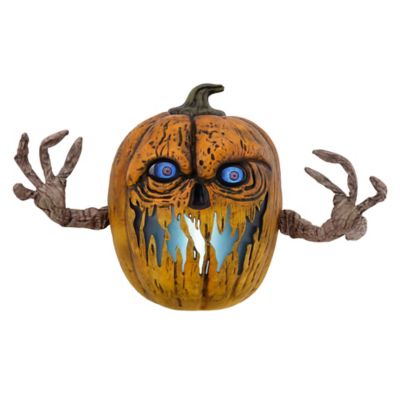
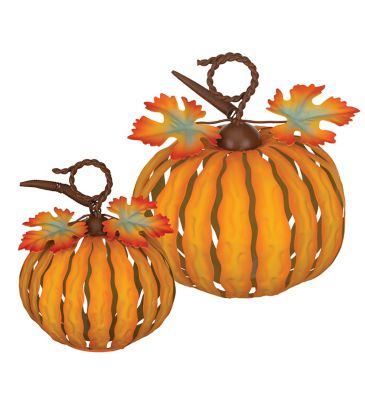
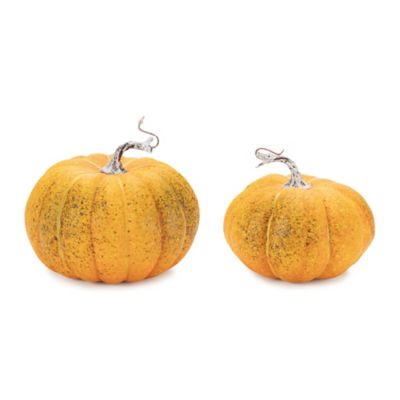
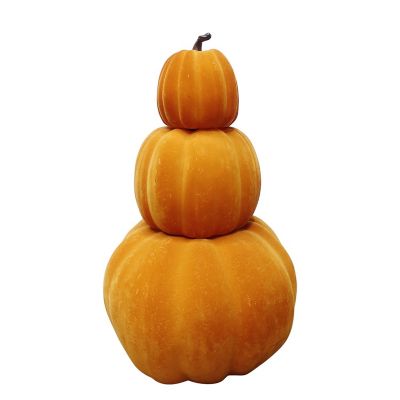
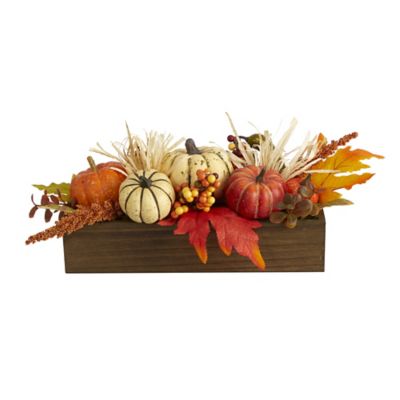
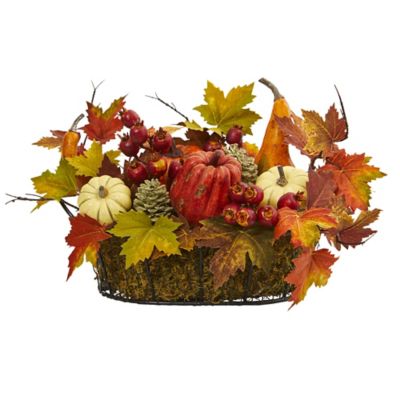
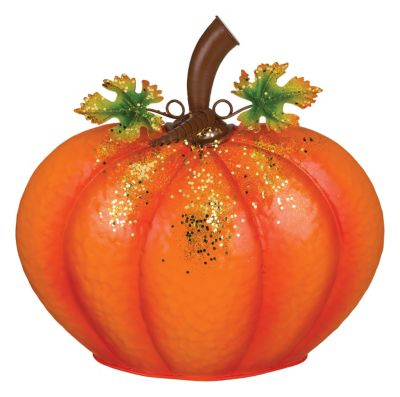
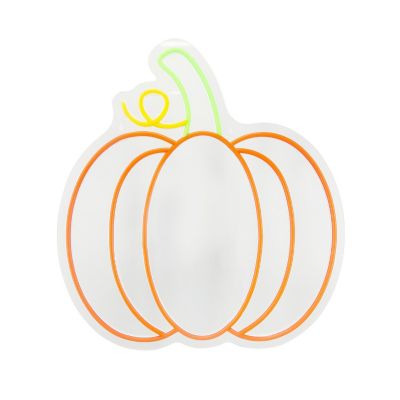
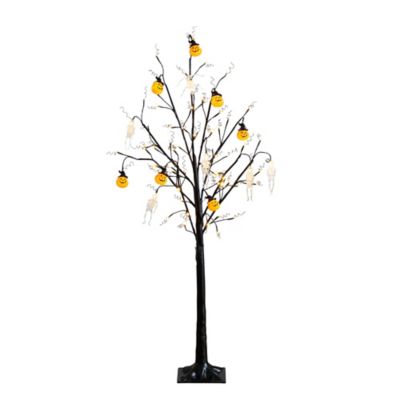
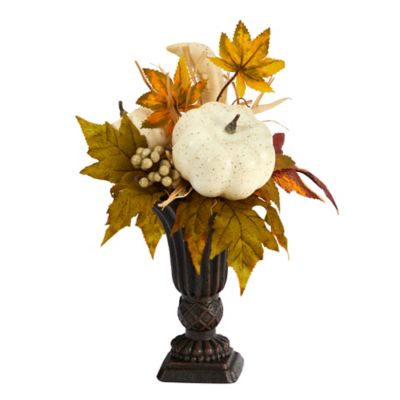
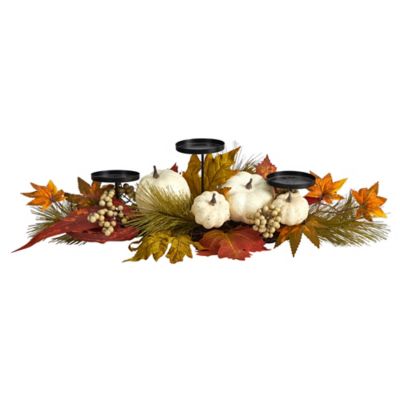
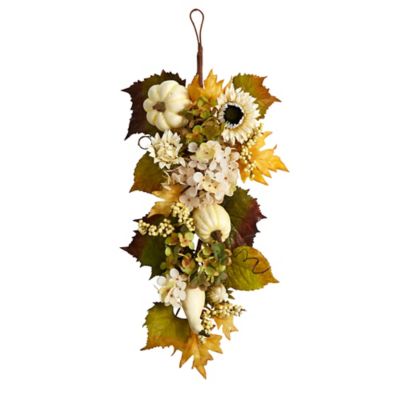
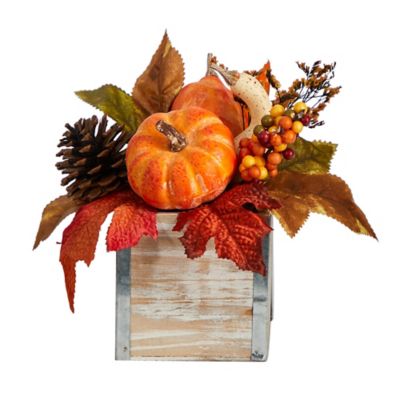
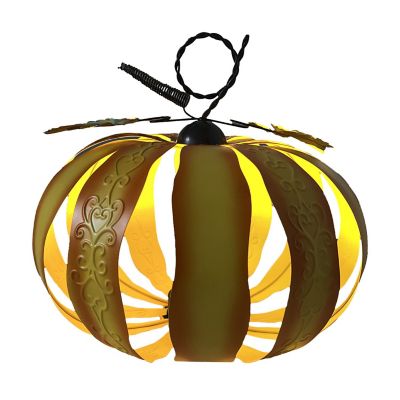
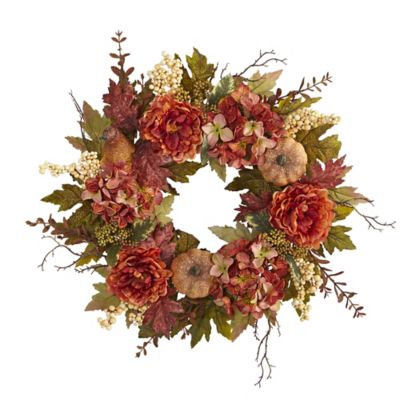
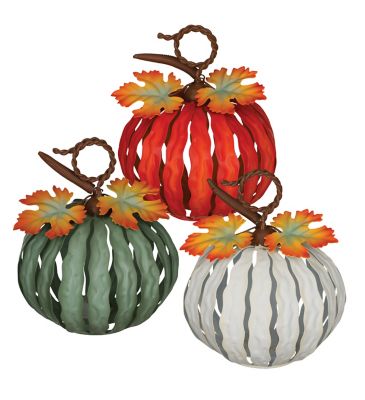
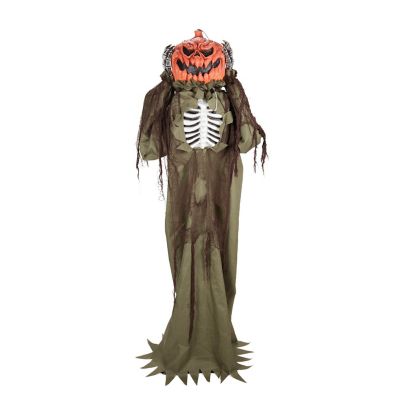
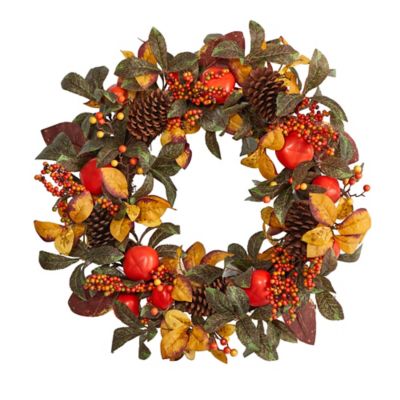
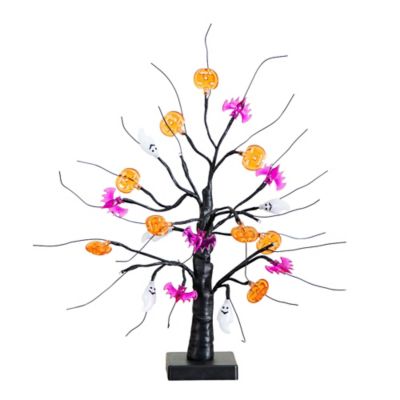
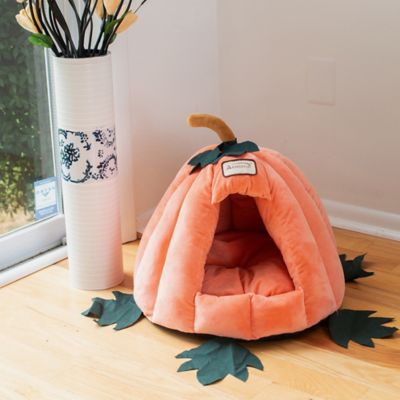
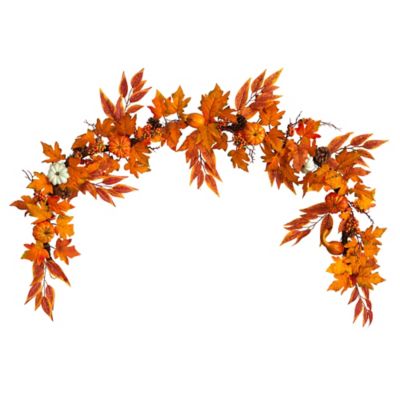
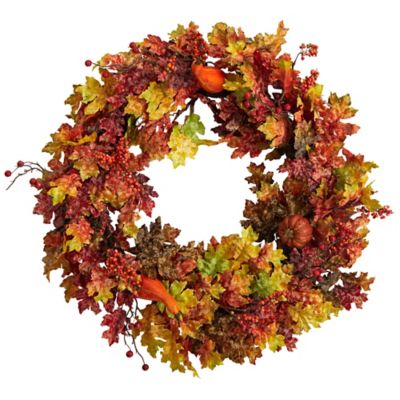
Artificial pumpkins bring the look of a full fall harvest indoors or onto the porch without the mess, soft spots or quick cleanup that come with fresh produce. They can help set the tone in an entryway, dining room, kitchen, mudroom or covered outdoor space as cooler weather settles in, and they fit naturally into seasonal displays that stay in place from early fall through the winter holidays. Look for a mix of sizes, shapes and finishes to create a display that feels gathered over time rather than lined up in a row. Larger pumpkins can anchor a front step, porch corner or hay bale arrangement, while smaller ones work well in a bowl, on a mantel or along the center of a table. A range of warm orange, cream, green and earthy tones can blend with wood, metal, plaid fabrics and other fall accents. If your home has a farmhouse feel, natural-looking stems and muted colors may sit comfortably beside galvanized planters, woven baskets and lanterns. For a more colorful setup, brighter shades can bring energy to a family room or covered porch. Since artificial pumpkins do not need watering or special handling, they are a handy choice for busy households, guest areas, offices, retail spaces and seasonal gatherings. They also make a thoughtful gift for someone settling into a new home, refreshing a porch or building a collection of fall pieces one season at a time. A small grouping can welcome visitors at the door, while a larger assortment can add warmth to a farm stand, church hall, community space or family party. When Halloween approaches, pair pumpkin displays with black, white or deep purple accents, then shift the surrounding pieces as the season moves along. For more ways to build a festive setup, visit
Halloween Pumpkin Decorations.
When choosing artificial pumpkins, think first about where they will go and how much space you have to work with. Measure a porch ledge, shelf or tabletop before shopping, especially if the display will sit near a doorway, railing or walkway. Pieces for an uncovered outdoor area should be placed with weather and wind in mind, while items kept inside can be selected mainly for size, color and texture. A heavier base or a low, stable shape can help on a porch where breezes may catch lightweight items. For a raised display, place the largest pieces toward the back, add medium sizes in front and fill open spots with smaller pumpkins so the arrangement has depth without blocking steps or sightlines. Check the material and care instructions, and bring pieces indoors if the maker recommends protection from rain, snow, strong sun or freezing conditions. Wiping away dust with a soft, dry cloth can keep surfaces looking fresh, and storing the pumpkins in a lidded tote or sturdy box during the off-season helps prevent scuffs and dents. Keep stems and textured surfaces from rubbing against one another, and avoid stacking heavy items on top. Artificial pumpkins are also useful for seasonal photos, classroom tables, buffet areas and office reception spaces because they can be arranged ahead of time and moved when needed. A few pieces on a counter can make a kitchen feel ready for cooler days, while a fuller display near the entry creates a warm welcome for neighbors, friends and family. As winter arrives, pumpkins can remain part of a harvest-inspired arrangement alongside pinecones, greenery, woven textures or simple lights, giving the display a natural transition rather than requiring a complete changeover. Whether you are adding one pumpkin to a small apartment shelf or building a broad porch arrangement at a country home, choose pieces that suit the surroundings, leave room for everyday traffic and make seasonal decorating easy to enjoy year after year.