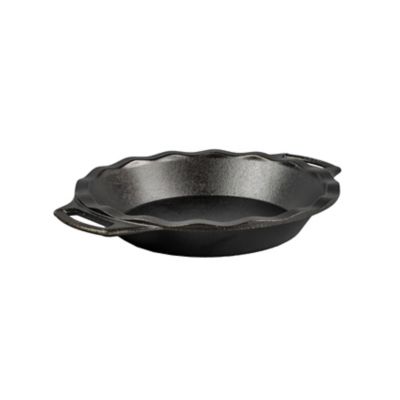
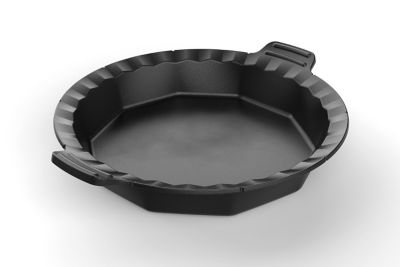
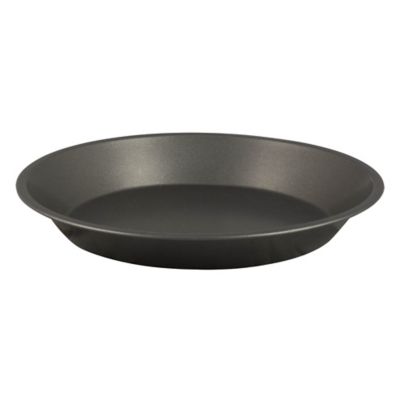
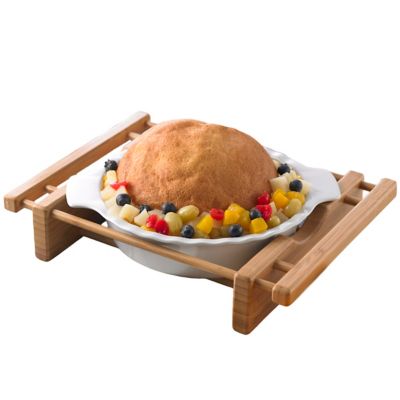
Thanksgiving pie baking dishes and tools help turn a family recipe into the kind of dessert that brings folks back to the kitchen after supper. Whether the plan calls for apple pie with a bubbling cinnamon filling, pumpkin pie with a smooth custard center, pecan pie with a glossy top, or a savory pot pie for the main meal, the right baking gear makes each step feel more manageable. Start by thinking about the size of the pies you bake most often. A standard 9-inch pie plate fits many recipes, while a deeper dish gives extra room for generous fruit fillings, tall meringue, or a thick layer of streusel. The shape of the rim matters, too. A broad, raised edge gives you something to hold while crimping dough and makes it easier to carry a hot pie with oven mitts. Glass lets you check the color of the bottom crust as it bakes, which can help when you are watching for a golden base instead of a pale, soft one. Metal pans heat quickly and can help create a crisp crust, while ceramic and stoneware dishes hold heat steadily and can move from the oven to the table once they have cooled according to the maker’s directions. Think about storage space, oven size, cleaning instructions, and whether the dish will serve as part of the table setting. If several pies will be baking in a busy kitchen, having dishes in more than one material or size can make it easier to stagger baking times and keep the oven moving.
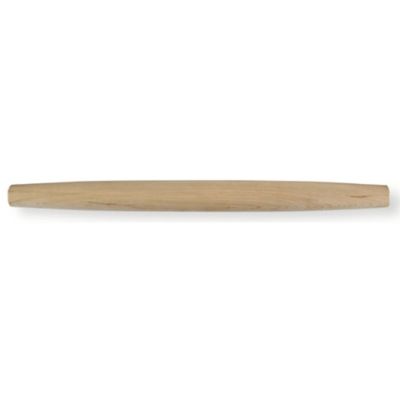
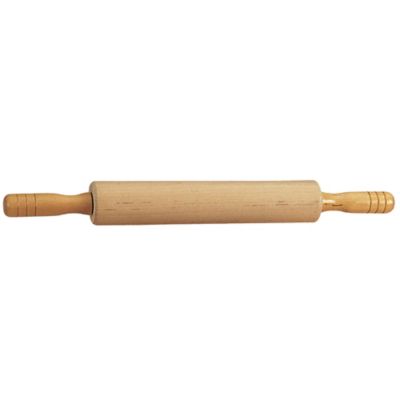
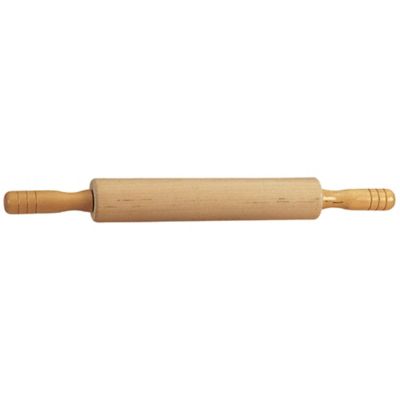
A rolling pin is one of the first tools to consider when building a pie-baking setup. A straight or tapered pin gives you control over the dough, while a comfortable grip helps you roll from the center outward without pressing too hard. Pair it with a pastry mat or lightly floured work surface, a bench scraper for lifting dough, and a pastry cutter for blending cold butter or shortening into flour. A sturdy mixing bowl, measuring tools, and a flexible spatula help with both crust and filling preparation. For a lattice top or a neatly trimmed edge, a wheel cutter or small sharp knife can make clean lines. A pastry brush spreads egg wash, milk, or melted butter over the crust for a browned finish, and a pie shield helps protect the rim when the center needs more time in the oven. Foil can work in a pinch, but a fitted shield is easier to place and remove without disturbing the crust. Double-crust pies may benefit from a small vent in the top, and a ceramic steam vent can give escaping moisture a clear path while adding a bit of charm to the finished pie. A cooling rack lets air circulate beneath the dish, helping the crust settle instead of turning damp from trapped heat. Keep a sturdy pie server nearby as well; a firm, angled edge can slide beneath the first slice and help it hold together when the filling is still tender. For broader meal planning, explore
Cookware For Thanksgiving Feasts to pair pie baking pieces with cookware suited to the rest of the gathering.
These baking dishes and tools can be a thoughtful gift for a new homeowner, a college student learning family recipes, a neighbor who enjoys bringing dessert to the table, or an experienced baker who is getting ready for a full holiday spread. A pie plate paired with a rolling pin, pastry brush, and server makes a practical housewarming gift, while a crust shield, vent, or extra-deep dish can fill a gap in an established kitchen. For someone who bakes only during the cooler months, choose pieces that store easily and serve more than one purpose. A pie dish can hold fruit crisps, quiche, cobbler, or baked pasta, and a rolling pin can flatten biscuits, crackers, and cookie dough. When choosing among materials, consider the baker’s habits: glass suits someone who likes to see the crust as it colors, metal works well for quick heat response and crisp edges, and ceramic or stoneware may appeal to someone who likes to carry the baked pie straight to the table. Check heat limits and care instructions before placing any dish under a broiler or into a hot oven, and allow a hot plate to cool before setting it on a cold surface. For a flaky crust, keep the fat cold, avoid overworking the dough, and chill the shaped crust before baking when the recipe calls for it. Fillings should be spread evenly, and pies should cool long enough for juices to thicken before slicing. A little planning goes a long way when the kitchen is full of roasting pans, simmering pots, and guests waiting for dessert. With a suitable dish, a few steady tools, and room for the pie to rest, bakers can carry on family traditions and bring a warm, homemade finish to Thanksgiving gatherings throughout the cooler season.