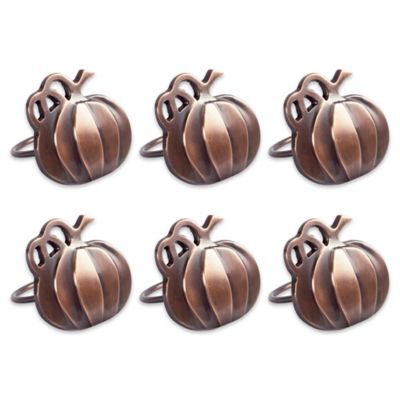
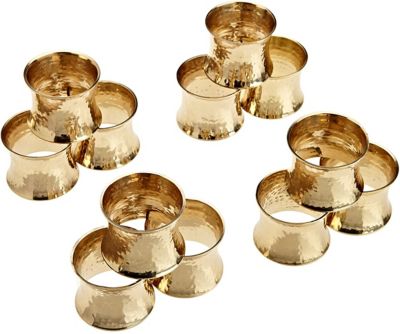
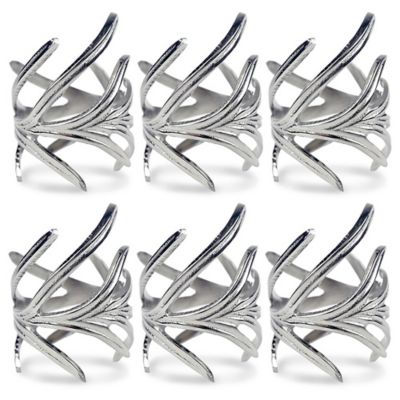
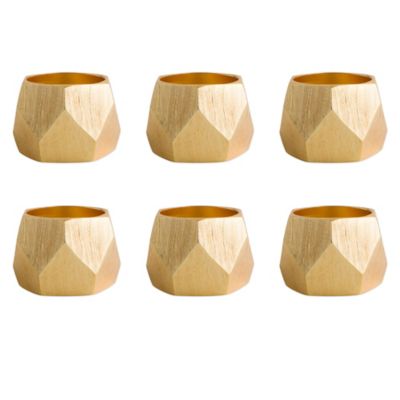
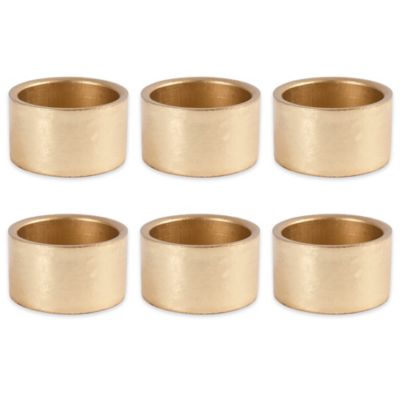
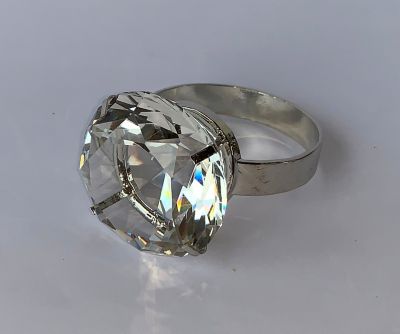
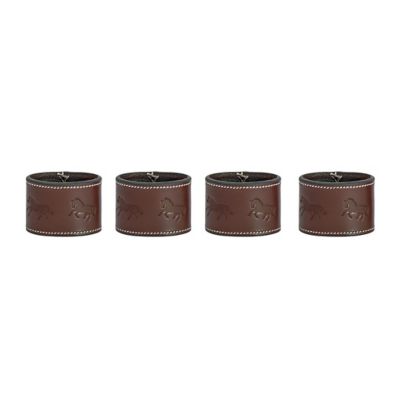
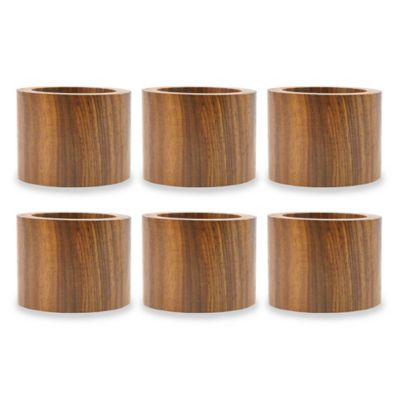
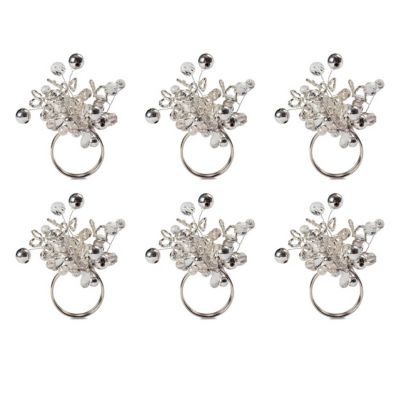
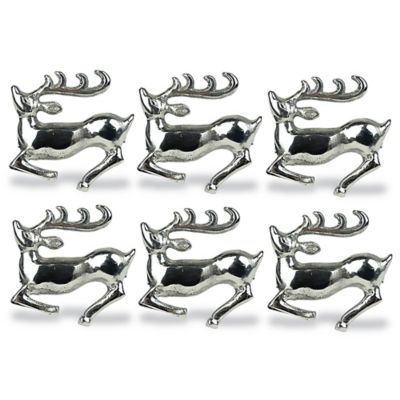
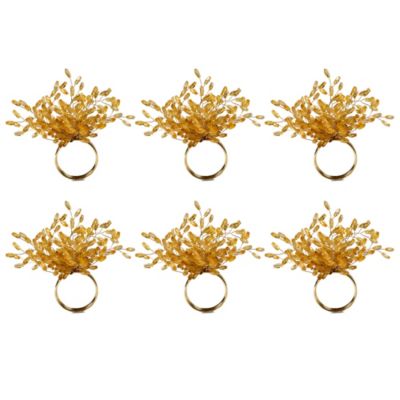
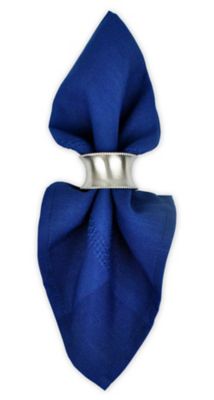
Thanksgiving napkin rings bring a little harvest character to the table without taking up the room needed for turkey, mashed potatoes, and all those serving bowls passed from hand to hand. A ring around each napkin gives a place setting a finished look, whether supper means six people at the kitchen table or a houseful gathered around tables pulled end to end. Pumpkins, leaves, acorns, and wheat-inspired shapes suit the holiday, while simple circles in warm metal tones or natural wood let patterned linens carry more of the look. Burnished finishes feel right beside stoneware plates; lighter wood and woven textures sit comfortably with cream-colored napkins and a checked tablecloth. The effect can be dressy or easygoing, depending on what surrounds it. Matching every piece isn’t necessary, either. A shared color or material can tie together dishes collected over the years, including the serving platter that only comes out for family meals. Napkin rings also help keep rolled or gathered napkins together while the table is being set, which comes in handy when cooking and hosting are happening at the same time. For a buffet, a neatly wrapped napkin at each seat leaves guests free to carry their plates from the food line. At a sit-down meal, the napkin can rest across the plate or beside the fork, keeping the center of the table open. Pairing rings with
Thanksgiving Place Settings can help bring the linens, dishes, and small finishing touches into the same look. A broad farmhouse table can handle larger shapes, while a narrow dining table often calls for slimmer rings that won’t crowd the silverware. The best match feels at home with the meal and the people around it, from a quiet Thanksgiving lunch to a lively gathering with extra chairs borrowed from the porch.
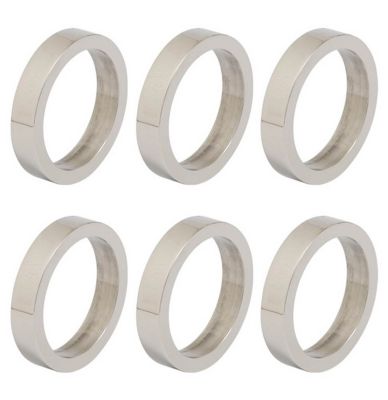
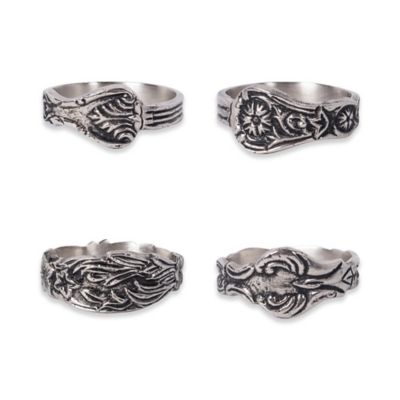
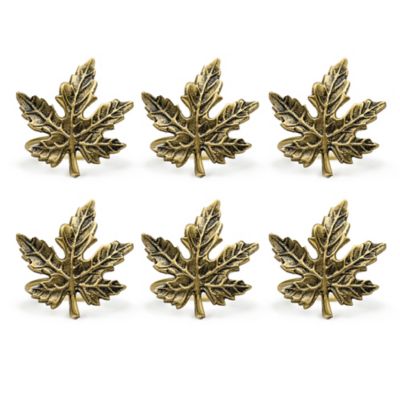
Material makes a real difference in how Thanksgiving napkin rings look, feel, and hold up between gatherings. Wood brings visible grain and a warm, understated finish, though stain color and grain patterns may vary from piece to piece. A smooth inner surface matters as much as the outside appearance, especially with loosely woven linen or napkins with embroidered edges. Rough spots can catch threads as the fabric slides through. Metal rings offer anything from a plain, polished circle to a more detailed leaf or harvest shape, with weight and finish varying by construction. Heavier pieces may sit more steadily on a plate, but edges and projecting details deserve a close look when delicate dishes or linens are involved. Woven fibers bring a relaxed texture that pairs nicely with cotton, although open weaves can catch crumbs and need a gentle touch during cleaning. Ceramic and glass can add color or shine, but they call for careful handling when plates are cleared or children help set the table. Molded materials can carry detailed seasonal shapes, with care needs that depend on the finish and construction. Fit comes down to the opening inside the ring, not just its overall size. A thick cotton dinner napkin gathered loosely needs more room than a thin napkin rolled tightly, and a ring that works with everyday linens may feel snug around a larger holiday napkin. Paper napkins can work, too, though lightweight sheets may crumple inside a narrow opening or slip through one that’s too wide. Think about the fold as well as the fabric: a simple roll creates a different bundle than a gathered fan. Rings with large top accents need enough space to sit flat without tipping into the flatware. For a table where elbow room is already tight, a compact shape is often easier to manage than a tall or wide accent. Checking measurements against the napkins already in the linen drawer helps keep the finished setting comfortable rather than crowded.
Care and storage are worth considering for pieces intended to return to the Thanksgiving table year after year. Napkin rings sit close to gravy, butter, cranberry sauce, and busy hands, so an easy-to-clean surface can be a practical choice for a family meal. Follow the care directions for the material and finish rather than treating every ring like dinnerware. Many styles call for a soft cloth instead of soaking, and painted surfaces, glued accents, woven fibers, and unfinished wood may need extra care around moisture. Metal should be dried promptly after cleaning when its care instructions permit damp wiping; glass and ceramic need protection from knocks against other pieces. Let everything dry fully before packing it away, then separate rings with raised details so their edges don’t rub against neighboring finishes. A divided container or individual wrapping can help protect fragile shapes, while a labeled box keeps the full set together with the holiday linens. Set size matters beyond the first round of invitations. A few additional rings can cover an extra guest, a second table, or a piece that gets misplaced during cleanup, provided the total fits the household’s usual hosting needs. For children’s places, smooth, lightweight shapes without small detachable accents are a more practical consideration than intricate designs, though napkin rings should stay out of reach of little ones who mouth objects. A simple ring can also hold a small place card against a folded napkin, helping guests find their seats without adding another object to the table. As a host gift, napkin rings paired with cloth napkins make sense for someone who enjoys gathering family for a meal, especially when the colors suit dishes they already own. Harvest motifs keep the focus on Thanksgiving, while plain wood, simple metal, and quiet earth tones can fit other shared meals as well. Whether the table holds matching china or everyday plates, these small pieces can bring a sense of care to each seat without making a down-home holiday meal feel fussy.