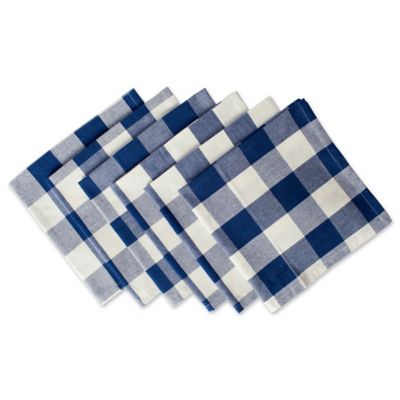
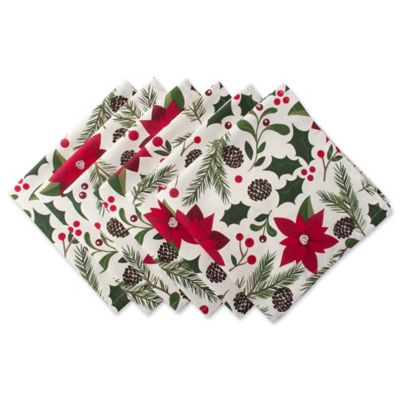
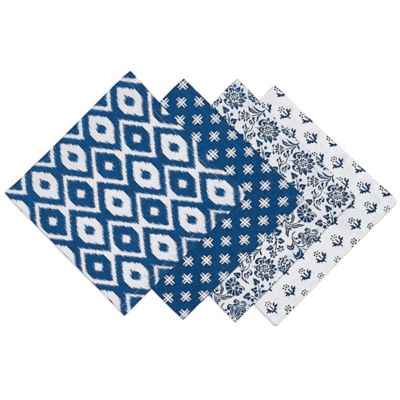
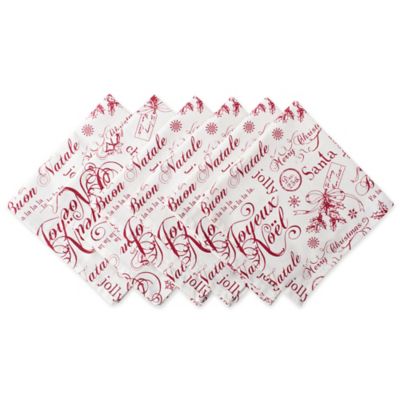
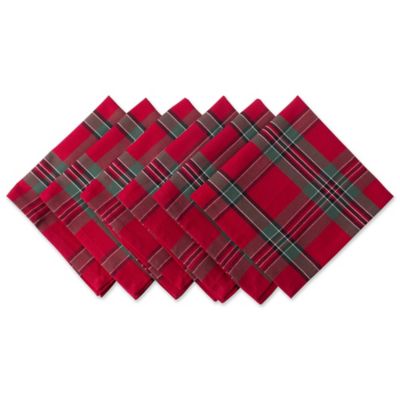
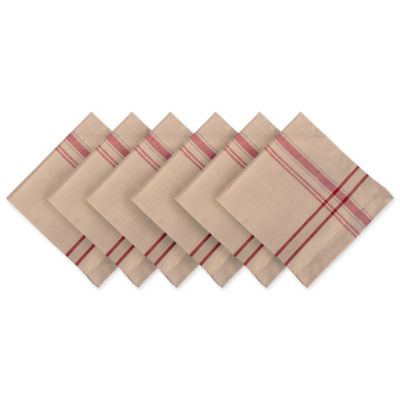
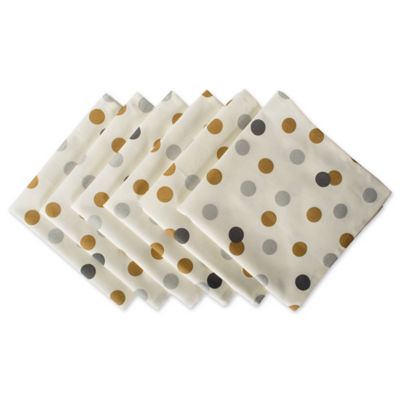
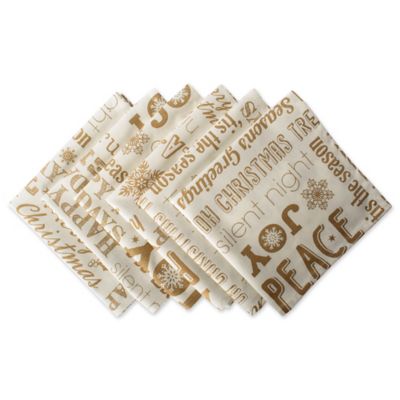
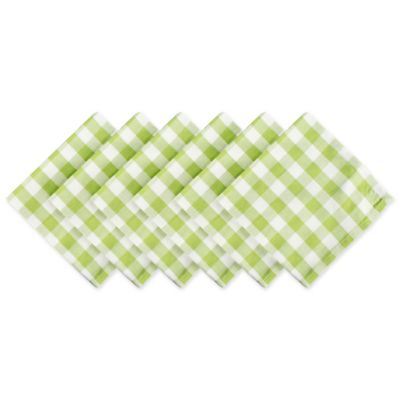
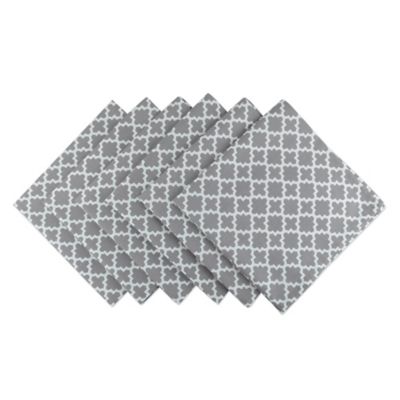
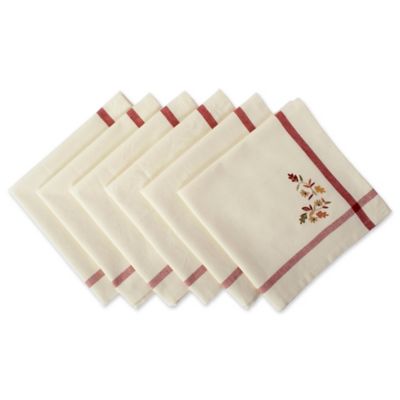
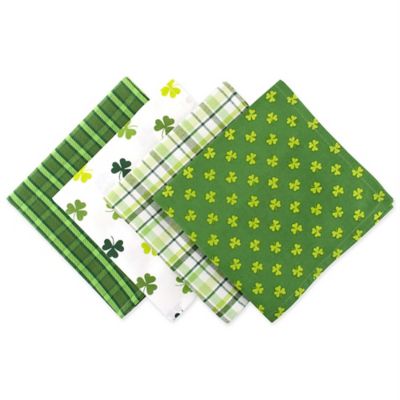
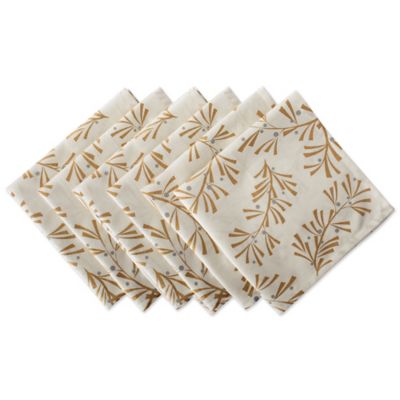
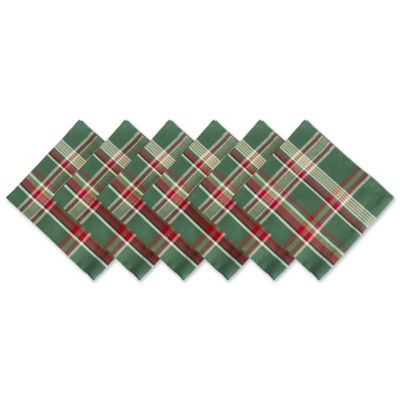
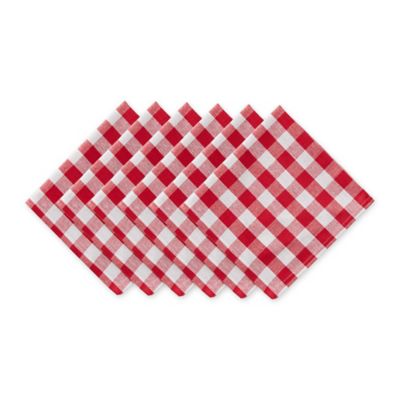
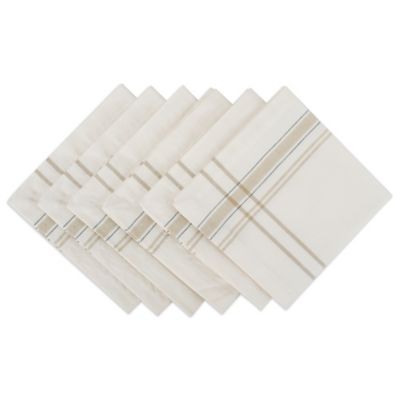
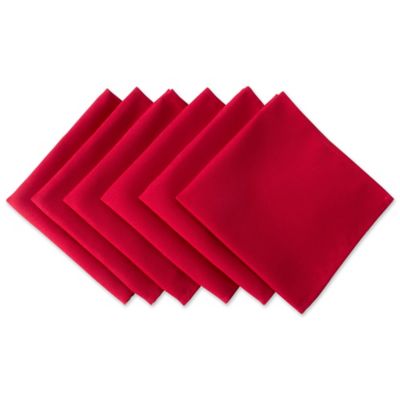
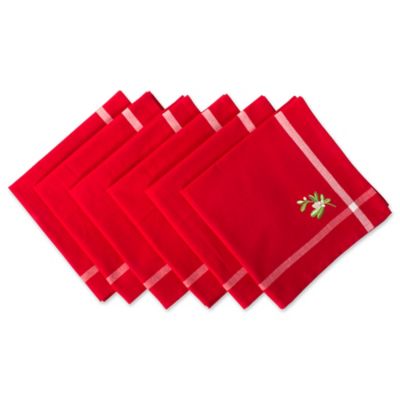
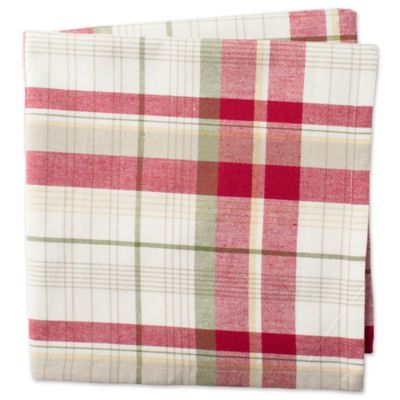
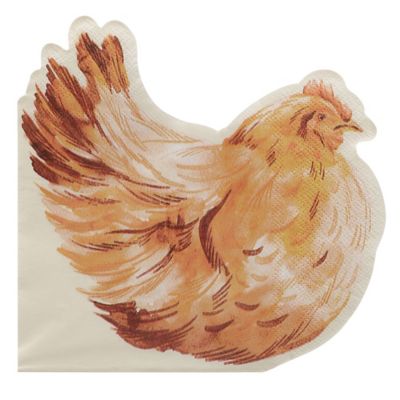
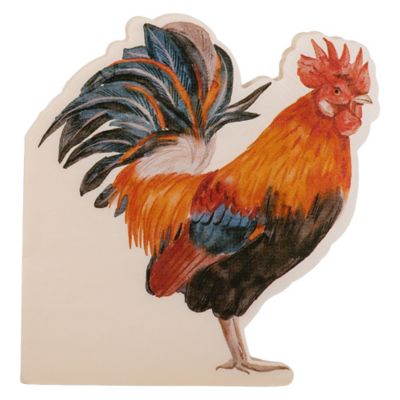
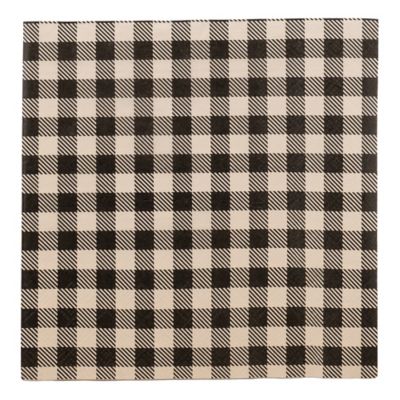
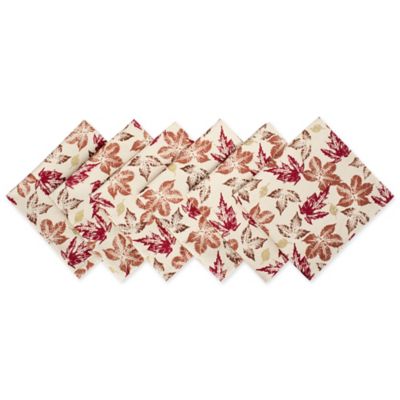
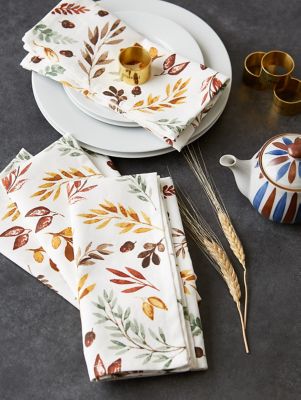
Holiday napkins bring a little celebration to the table while handling the everyday work of catching crumbs, wiping fingers, and keeping laps covered. They fit just as naturally beside a pan of cornbread at a family Thanksgiving as they do beneath a slice of pie at a church supper or next to a tray of Christmas cookies. A harvest print can bring together simple plates and a wooden serving board, while snowflakes, evergreen branches, checks, and solid colors offer different ways to set a festive mood. Halloween gatherings may call for playful pumpkins and bold orange-and-black combinations; Christmas meals often lean toward reds, greens, snowy whites, or patterns that echo favorite table linens. The pattern matters, but so does how it looks once the napkin is folded. An allover print stays visible in several arrangements, while a larger central image may show best with the napkin laid flat or folded only once. On a busy buffet, a neat stack near the plates helps guests get settled without reaching across serving dishes. At a seated dinner, napkins beside the forks or across the plates make each place feel ready for company. Smaller beverage napkins suit cider, punch, appetizers, and little bites passed around before supper, while larger luncheon and dinner sizes offer more coverage for a full plate. Actual dimensions matter more than the name alone, especially when the napkin needs to hold silverware or sit comfortably across an adult’s lap. A generous square gives more room for folds and utensil wraps; a smaller square takes up less space on a crowded snack table. For households hosting several kinds of get-togethers, different napkin sizes can serve different parts of the day, from coffee and cinnamon rolls in the kitchen to a long evening meal with extra chairs pulled up to the table. That balance of appearance and purpose makes holiday napkins part of the gathering rather than just another finishing touch.
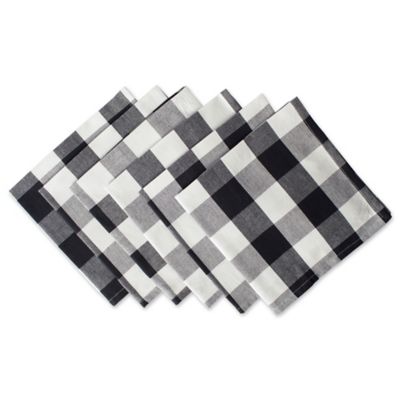
Material makes a noticeable difference in how holiday napkins feel and how they fit into the meal. Paper napkins keep cleanup straightforward for open houses, classroom celebrations, potlucks, and gatherings where guests move between the kitchen, dining room, and living room. Their thickness, softness, and absorbency vary, and the number of layers is only one part of how they perform. A thin beverage napkin may be enough beneath a cup, while saucy appetizers and a full holiday dinner generally call for more substance. Paper intended for table use should feel comfortable against hands and faces, with enough strength to handle normal wiping without quickly falling apart. Cloth napkins bring a different feel to the place setting and can return to the table for many celebrations when cared for according to their labels. Cotton is often absorbent and soft, though some cotton fabrics wrinkle or shrink in the wash. Linen has a textured feel and a relaxed appearance that works well with a farmhouse table, but it may need pressing for a crisp fold. Polyester and blended fabrics often resist wrinkling, with absorbency and stain release depending on the weave and finish. Tightly woven fabric, sound seams, and neatly finished hems help a napkin stand up to repeated handling and laundering. Care requirements deserve a little attention before a big gathering: some fabrics tolerate machine washing and tumble drying, while others need gentler treatment. Dark red cranberry sauce, gravy, butter, and candle wax can each leave different marks, so following the fabric’s stain-care directions matters more than treating every spill the same way. Checking for remaining stains before applying dryer heat can help prevent a small spot from becoming harder to remove. Printed details, metallic accents, and stitched designs may also have their own care limits. Cloth napkins that come out of the wash ready for a quick fold suit frequent family meals; fabrics that need ironing may fit better with occasional sit-down celebrations where setting the table is part of the pleasure.
The right holiday napkins also work with the way people actually gather. A family with young children may favor soft, absorbent napkins that can tackle sticky fingers without much fuss, while a host serving several courses may want a larger cloth square that stays comfortable on the lap through dinner and dessert. For a neighborhood cookie exchange or a farm-office lunch, easy-to-grab stacks keep the serving area moving. Setting a few napkins near drinks and another stack beside desserts helps guests find one where they need it, and keeping extras away from wet countertops protects them until the next round of plates comes through. Napkins paired with flatware make sense when table space is tight, but the folded size needs enough room to hold the utensils without straining the paper or bunching the fabric. At a smaller table, a simple fold leaves more space for serving bowls and elbow room. Color can be practical as well as festive: deeper shades and busy patterns may make minor marks less noticeable, while pale solids create a clean backdrop for colorful dishes and food. Coordinating does not have to mean matching every piece. A checked napkin can sit comfortably beside plain dinnerware, and a quiet solid can balance a lively tablecloth. Similar colors can carry the celebration from the dining table to the kitchen, where
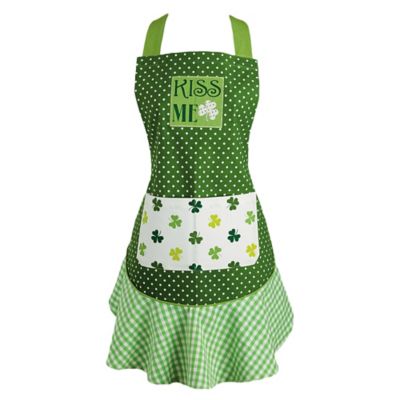
Holiday Aprons bring another festive touch to baking, carving, and serving. Cloth napkins can also make a thoughtful host gift for someone who enjoys gathering family around a meal, particularly when their care needs suit that person’s routine. A washable set in a familiar color often has a place beyond one celebration, whether tucked beside Sunday supper plates or brought out for another holiday. Between gatherings, clean, fully dry cloth napkins store best in a dry spot, and paper napkins benefit from protection against moisture, dust, and crushed corners. From a casual kitchen spread to a table set for the whole extended family, holiday napkins help make room for good food, lively conversation, and the inevitable second helping.