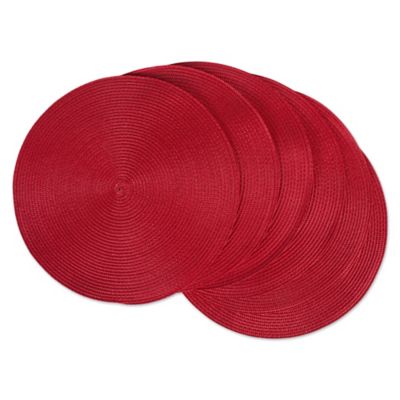
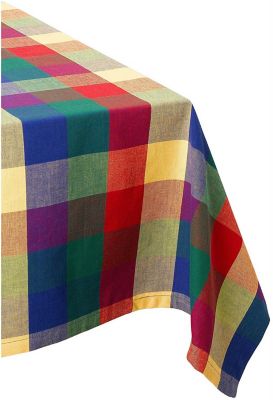
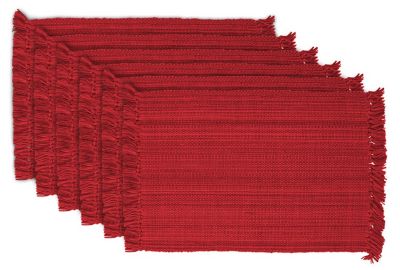
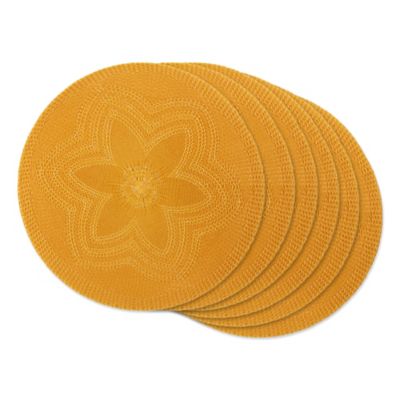
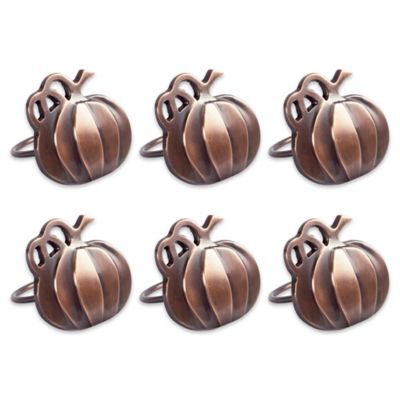
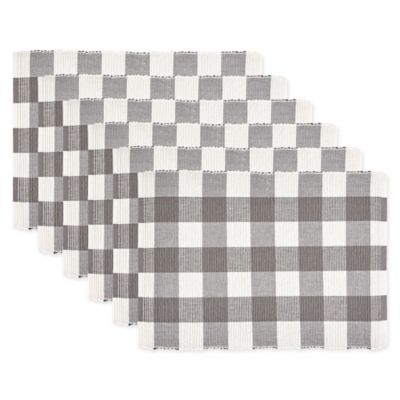
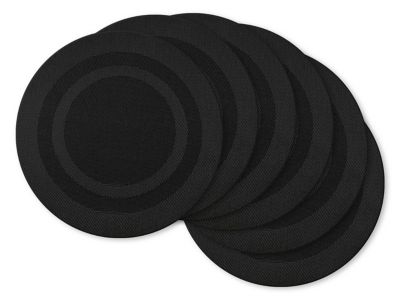
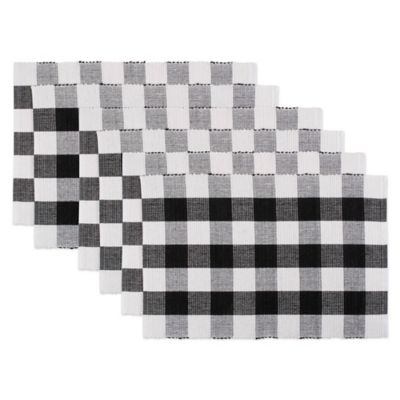
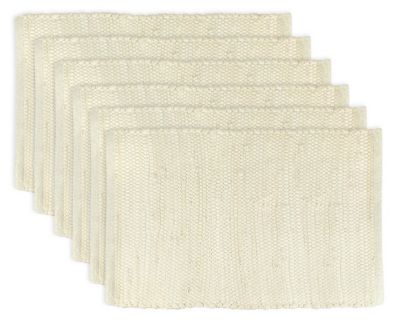
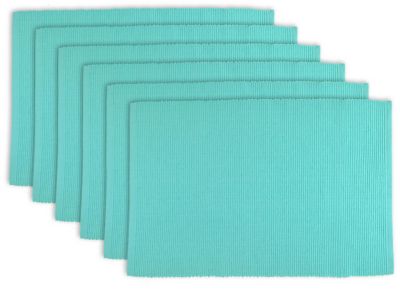
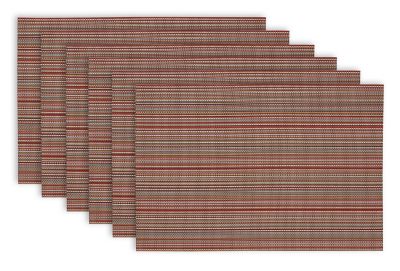
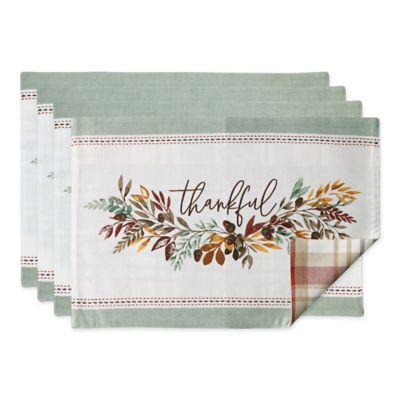
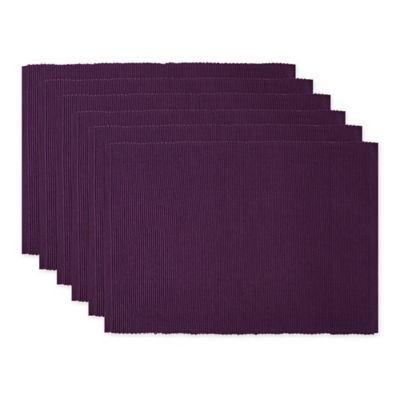
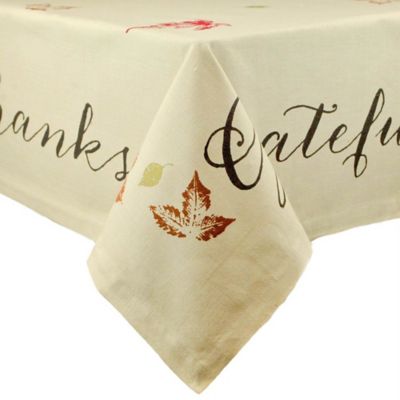
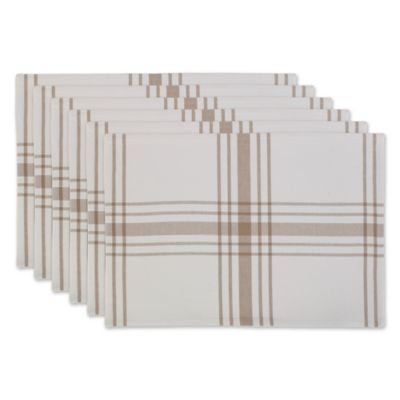
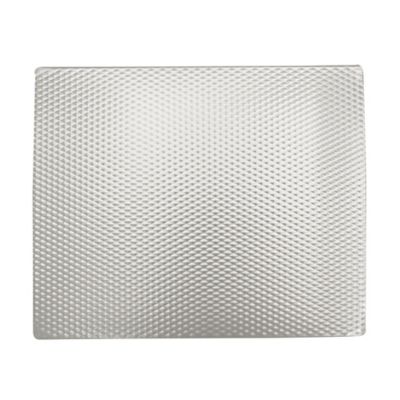
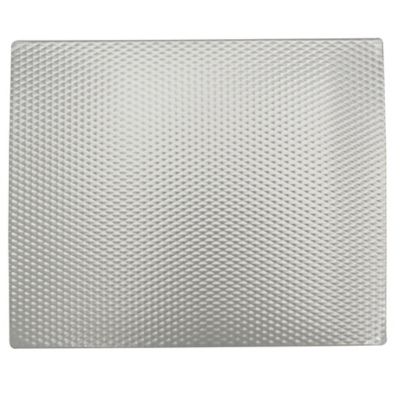
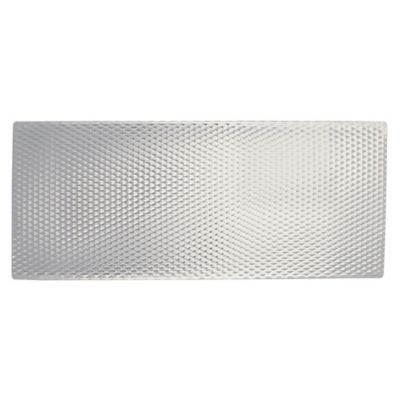
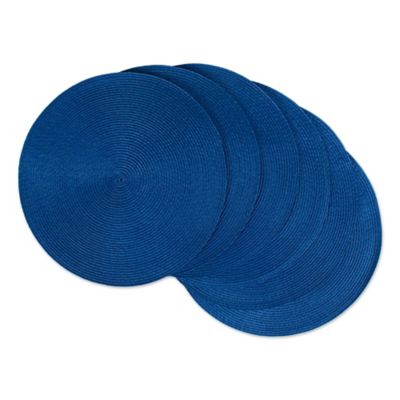
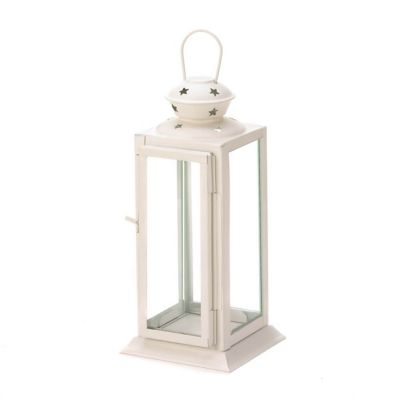
Thanksgiving place settings help turn an everyday table into a warm gathering spot for family, friends and neighbors. Whether dinner is served on a farmhouse table, a kitchen island or a folding table stretched across the living room, the right combination of tableware and accents gives each guest a comfortable place to settle in. A classic setting often starts with a charger or other base layer, followed by a dinner plate and a smaller plate or bowl for salad, bread or dessert. Layering adds color and texture without making the table feel fussy, and it gives each place a finished look before the food even comes out of the kitchen. Warm harvest shades such as rust, mustard, brown and crimson pair naturally with wood tones and greenery, while cream, ivory and other neutral colors offer a clean backdrop for copper, gold or brushed metal accents. For a more rustic table, natural textures such as rattan, woven fibers, linen-look fabric and unfinished wood bring an easygoing country feel that works well with a long family-style meal. A more polished setting can use simple shapes, coordinated colors and understated metallic details. When choosing Thanksgiving place settings, consider how many people you usually host, how much room each guest needs and whether the pieces should work for casual weeknight meals beyond the holiday. Durable materials, stackable shapes and easy-care finishes are especially handy when the table is full and the kitchen is busy. It also helps to measure the dining surface before shopping, since generously sized chargers and layered dishes can take up more room than expected. A crowded table can make passing the gravy difficult, while a little breathing room keeps elbows, serving dishes and conversation moving comfortably.
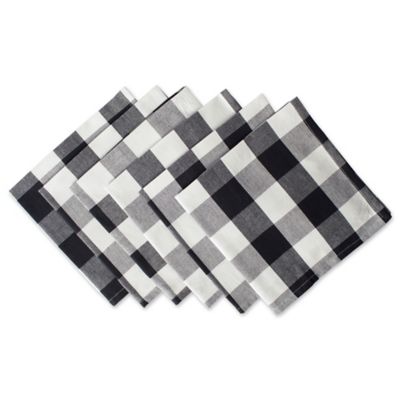
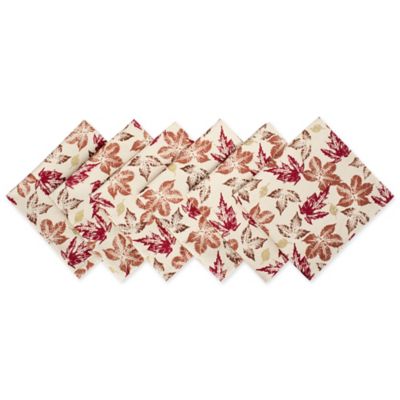
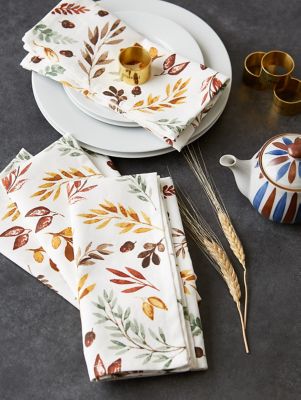
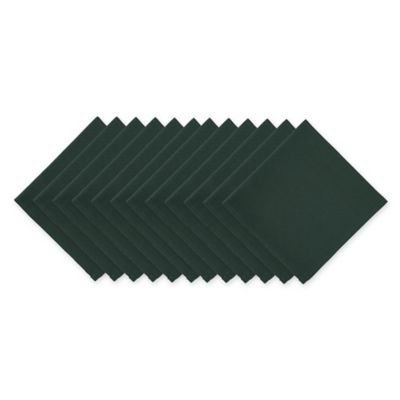
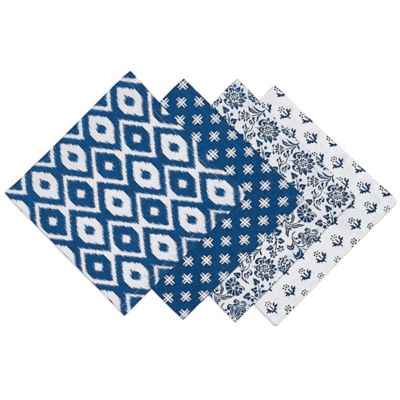
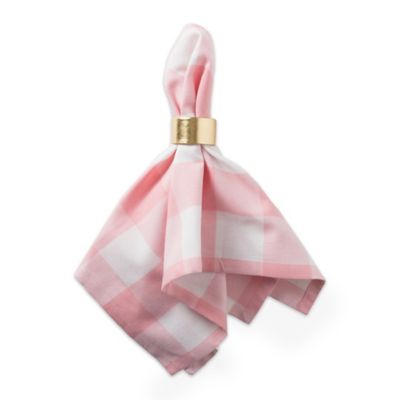
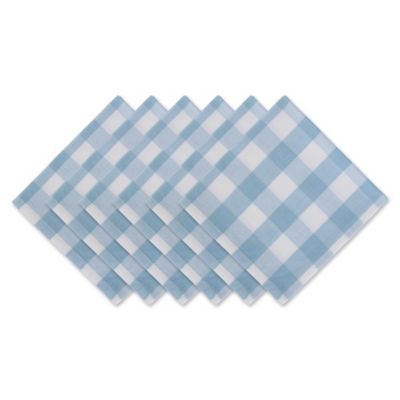
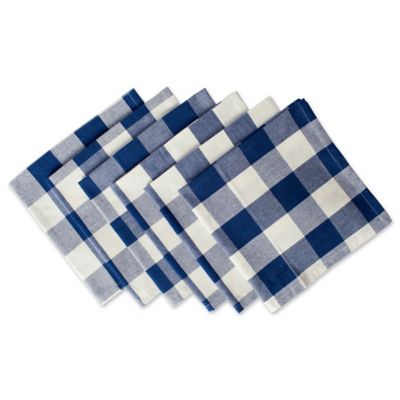
Small details make a place setting feel personal without requiring a lot of extra work. Folded napkins can rest on a plate, sit beside the forks or tuck beneath the top layer of dishes, and a coordinated set of
Thanksgiving Napkins can add color and softness to the whole arrangement. Flatware is generally placed with the forks on the left and the knife and spoon on the right, with the knife closest to the plate and its cutting edge turned inward. Glasses typically sit above the knife, leaving enough space for guests to reach them without brushing against the serving dishes. These simple arrangements are useful whether the meal is formal or relaxed, and they give children and first-time hosts an easy pattern to follow. A name card, a small branch, a pinecone, a little pumpkin or a piece of dried greenery can serve as a cheerful finishing touch, as long as it stays low enough for guests to see across the table. Natural accents also pair nicely with everyday items such as pears, apples, clementines or grapes, creating a centerpiece that feels welcoming rather than overly staged. If the table will be used for several courses, choose pieces that can be moved or cleared without disturbing the entire arrangement. Lightweight chargers, nesting bowls and plates with a steady rim can make serving smoother, especially when the cook is carrying a hot dish from the oven while guests are finding their seats. Families with young children may prefer sturdy, easy-to-clean materials and less breakable glassware, while hosts who enjoy a traditional dinner may look for coordinated pieces that create a more formal appearance. Mixing old and new can work beautifully, too. A set of everyday dishes may look fresh with seasonal colors, woven accents or a few heirloom serving pieces handed down through the family.
Thanksgiving place settings can also make a thoughtful gift for a new homeowner, a young couple building a collection of entertaining essentials or anyone who enjoys gathering people around the table during the cooler months. Sets in neutral shades are easy to pair with existing dinnerware, while harvest-inspired colors make a cheerful present for a host who likes to decorate for the season. When giving table accents, think about the recipient’s space and habits: compact pieces suit apartment kitchens and smaller dining areas, while larger households may appreciate durable settings that can handle a crowd. A coordinated group of place-setting essentials can be used for Thanksgiving dinner, harvest potlucks, family reunions and Sunday suppers, making the gift useful long after one celebration has passed. For hosts, keeping a few extra settings on hand is practical for unexpected guests, last-minute additions to the table or a child who needs a clean replacement after a spill. Look for colors and patterns that complement the room instead of competing with the food, especially when the centerpiece includes colorful vegetables, flowers or baked dishes. A balanced table usually has one or two main visual themes, such as natural textures with warm colors or neutral tableware with metallic accents. With the right mix, each guest has a clear place to sit, eat and enjoy the conversation. From a simple family meal to a full table where cousins, friends and neighbors linger over dessert, Thanksgiving place settings bring a sense of welcome to the gathering and help make the meal feel worth remembering.