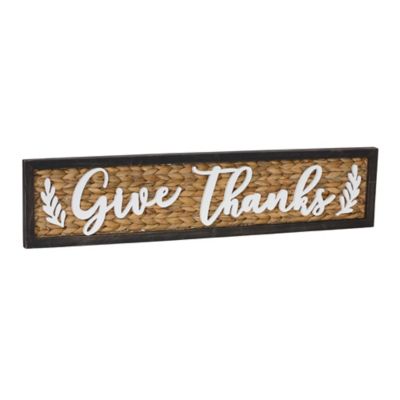
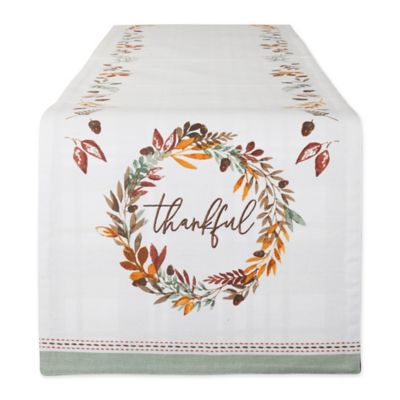
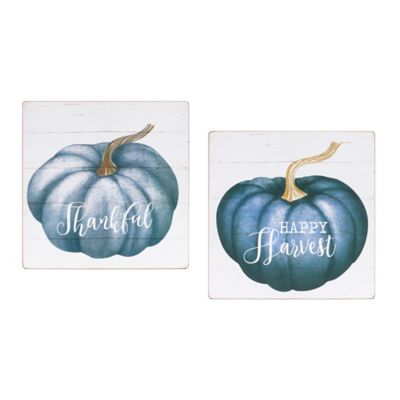
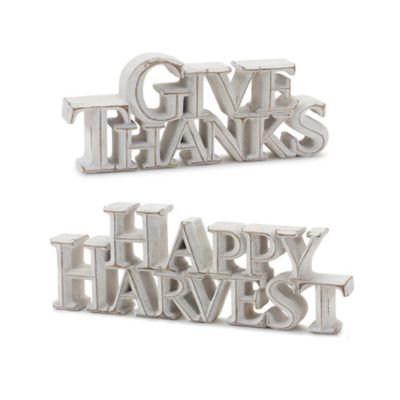
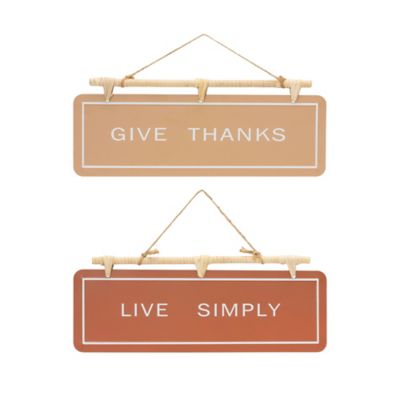
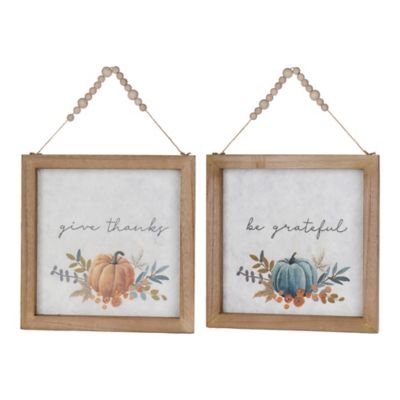
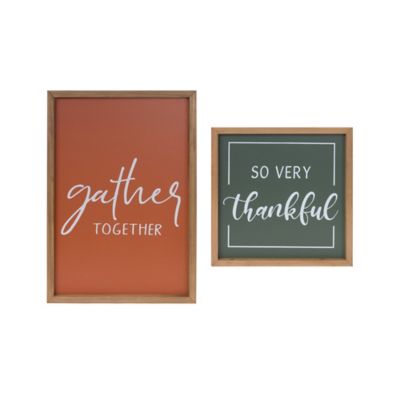
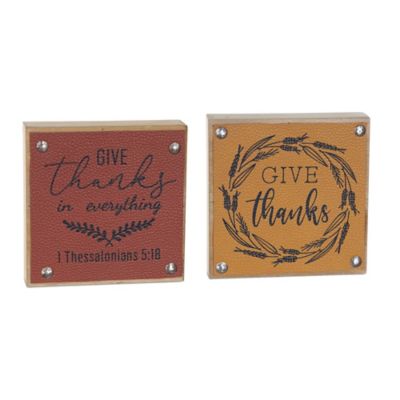
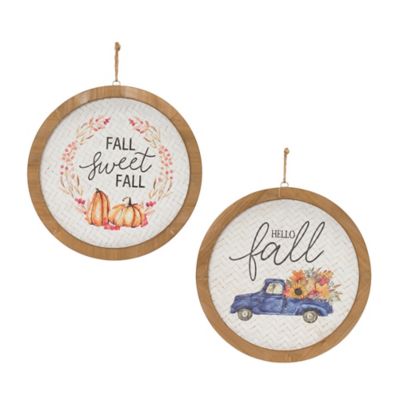
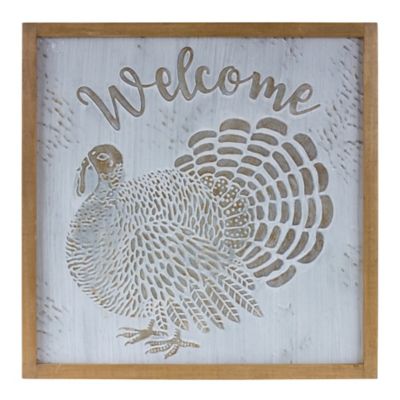
Thankful signs bring a warm, welcoming touch to the places where family, friends, and neighbors gather. Whether you are dressing up a front porch, adding character to a kitchen wall, or giving a room a little seasonal color, these signs help set an easygoing mood centered on gratitude. Rustic wood lettering fits right in with farmhouse décor, while painted finishes, framed designs, and metal wall art can work with everything from a country cabin to a more modern home. Look for colors that blend with your existing space, such as warm neutrals, soft cream, muted green, rich brown, gold, or autumn-inspired shades. A sign with simple lettering may have a clean, timeless look, while distressed edges, natural wood grain, raised details, or a weathered finish can give it the feel of a well-loved piece found at a roadside craft fair. Before ordering, consider where the sign will hang or stand and measure that area so the finished piece does not crowd nearby shelves, doors, windows, or wall décor. Check whether it is designed for indoor use, covered outdoor areas, or more exposed locations, and pay attention to hanging hardware, mounting instructions, and the weight of the material. A lightweight sign is handy for changing seasonal displays, while a sturdier piece may be a better choice for a mudroom, porch wall, or gathering space that sees plenty of daily activity. If you are decorating outdoors, a covered entryway can help protect the sign from rain, direct sunlight, and sharp changes in temperature. Even a small piece can make a noticeable difference when placed above a bench, near a wreath, beside a front door, or on a shelf with lanterns, greenery, baskets, and family photos.
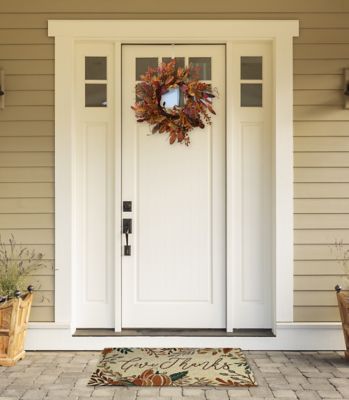
Thankful signs are especially fitting as the weather shifts and homes begin to feel more inviting for shared meals, visits, and slower evenings indoors. They can be used as part of a seasonal display without being limited to one particular holiday, making them useful through late summer, the cooler months, and the transition into winter décor. On a porch, pair a sign with a durable mat, a few planters, or a bundle of dried grasses for a relaxed country welcome. Inside, try placing one in a dining area where it can be seen during everyday breakfasts as well as larger get-togethers. A sign above a buffet, coffee station, or kitchen worktable can add a little heart to the room without taking up useful counter space. For a farmhouse table, a smaller design can sit among candles, a low bowl of pinecones, or a simple centerpiece, while a larger wall piece can anchor an otherwise empty section of wall. These signs also make thoughtful gifts for a new homeowner, a host, a family member, a teacher, a neighbor, or anyone who enjoys decorating with meaningful words. They are easy to give on their own, or you can tuck one into a housewarming basket with a cozy throw, kitchen towels, a candle, or a few pantry treats. When choosing a gift, think about the recipient’s home and habits. A neutral design is a safe fit for many decorating styles, while a more weathered or colorful finish may suit someone who enjoys a strong seasonal look. For additional ways to carry a welcoming theme throughout your home, browse
Holiday Signs. A well-chosen thankful sign does not need to be fancy or oversized; often, the most appealing piece is the one that feels natural in the space and brings back a good memory every time you pass it.
The phrase “thankful sign” can also refer to the American Sign Language sign for “thankful,” rather than a piece of home décor. In ASL, the sign is generally made with an open, flat hand with the fingers held together and the thumb extended, similar to a flat “B” handshape. The hand starts near the upper chest or chin and moves slightly forward and downward toward the person being addressed. Hand position, movement, facial expression, and context all matter, and signing can vary by region or personal preference, so learners should use a trusted ASL resource or practice with a qualified signer for accurate instruction. For shoppers looking for home accents, however, thankful signs usually mean decorative pieces featuring words connected with appreciation, gratitude, family, or blessing. When selecting one, consider the message along with the construction. Smooth surfaces are easy to dust, textured finishes add visual interest, and framed designs can protect the lettering while giving the sign a finished appearance. Metal pieces may offer a thinner profile and a bit of contrast against painted walls or wood siding, while wood designs tend to bring a softer, more traditional feel. Think about how the sign will look from across the room, especially if it will be placed above a mantel, on a tall wall, or near an entry where guests see it at a distance. If it will be moved from one seasonal display to another, choose a size and shape that are easy to handle and store between uses. Keep hanging pieces secure, use the right hardware for the wall or surface, and place freestanding décor where it will not block a walkway or create a hazard for children, pets, or working animals. With a little planning, a thankful sign can become a simple part of the home’s everyday rhythm—a friendly reminder above the coat hooks, beside the back door, or near the table where folks gather after a long day.