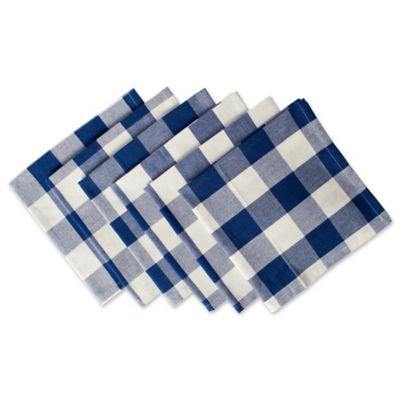
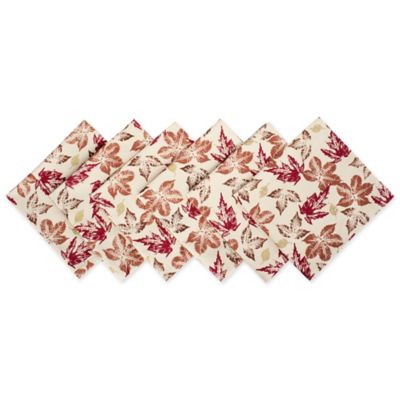
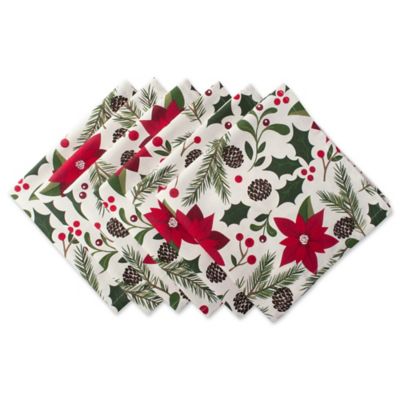
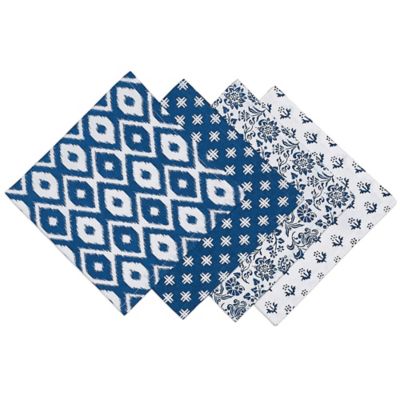
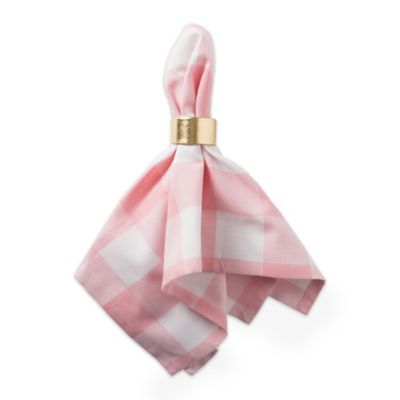
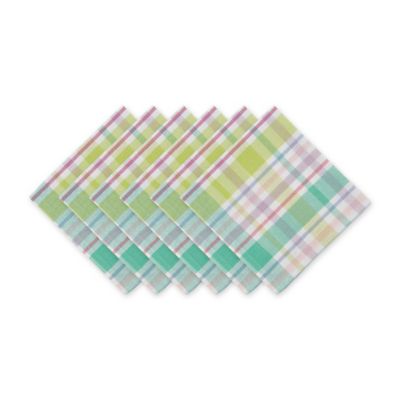
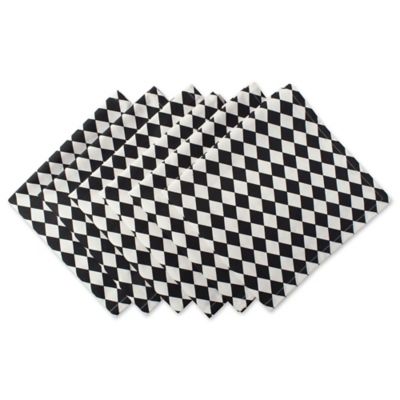
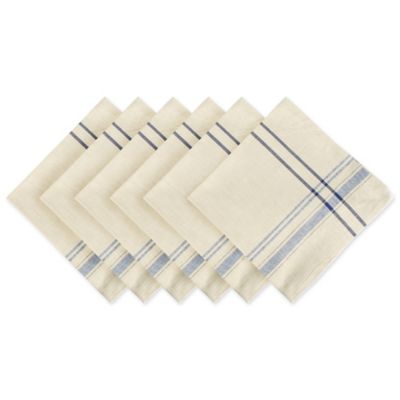
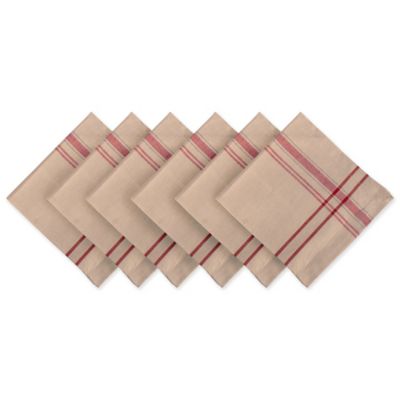
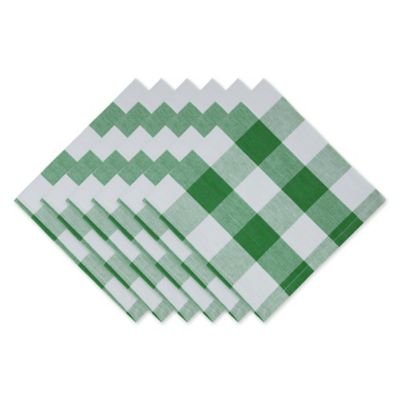
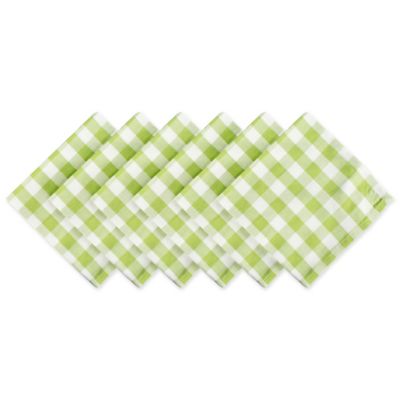
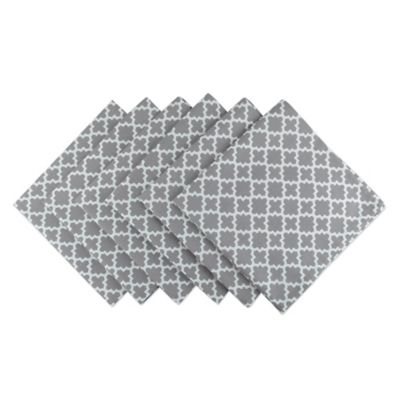
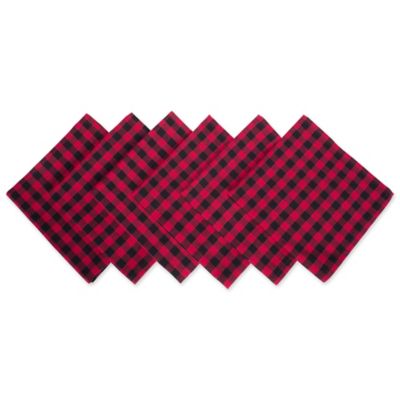
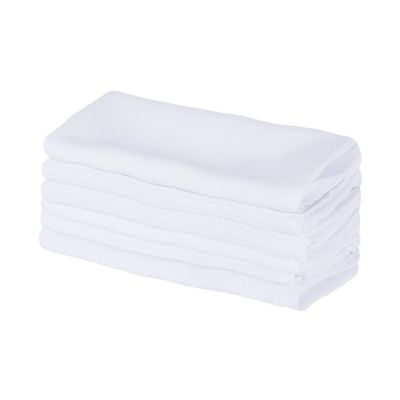
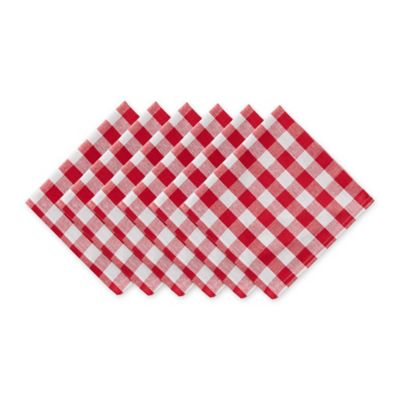
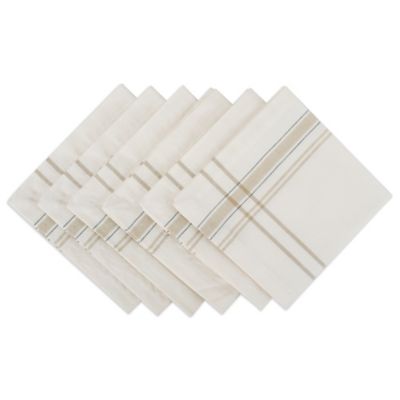
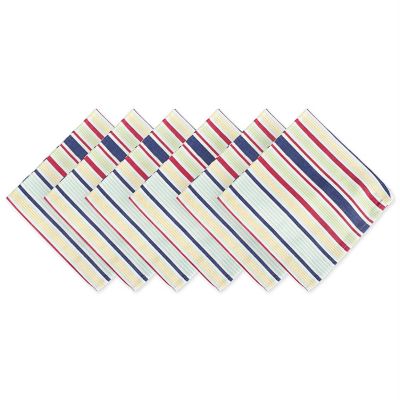
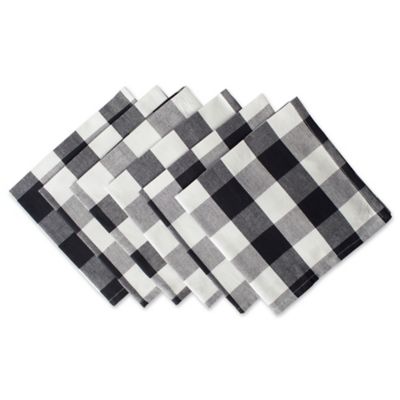
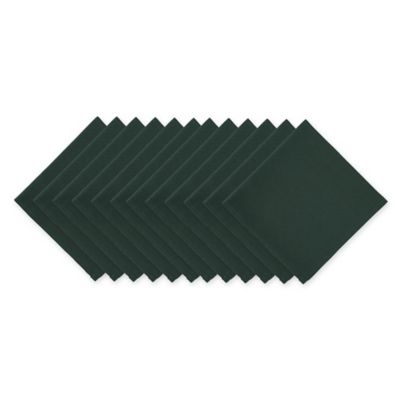
Outdoor napkins for Easter bring a little holiday cheer to porch lunches, picnic tables, and backyard meals while giving guests something practical for sticky fingers and small spills. Paper and cloth are the main options, with the best fit depending on the food, the setting, and how much cleanup the host wants afterward. Paper napkins suit egg-hunt refreshments, church picnics, and family gatherings where folks move between the serving table and the yard. Cloth napkins lend a more settled-in feel to a seated Easter dinner, especially when the meal stretches from baked ham and rolls to coffee and carrot cake. Both can look right at home beside a gingham tablecloth, a basket of eggs, or a simple vase of flowers. Bunny prints, scattered egg patterns, soft pastels, and floral designs keep the Easter theme clear without needing every part of the table to match. Plain green, yellow, cream, or pink napkins also work well when the plates already carry a busy pattern. For a long picnic table shared by adults and children, a simple color scheme can tie together different place settings without making the meal feel fussy. Smaller beverage napkins fit beneath cups or alongside a cookie, while luncheon and dinner sizes offer more coverage for a full plate and a lap. Dimensions matter more than the name alone: folded measurements describe the space a napkin takes at the place setting, while unfolded measurements show how much material there is for wiping hands or covering clothing. That difference becomes noticeable with barbecue sauce, buttery corn, or a generous slice of pie. Pairing napkin colors and patterns with
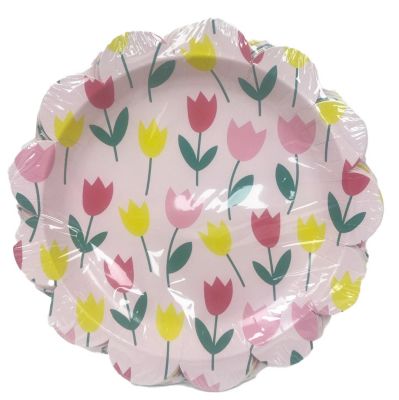
Dinnerware For Easter helps give the table a coordinated look, whether the gathering is a small lunch on the porch or a full family spread beneath the shade trees.
Materials make a real difference in how Easter napkins feel and hold up through a meal outside. Paper napkins vary in thickness, texture, and absorbency; multiple layers generally offer more substance than a thin single layer, though layer count alone does not tell the whole story. A soft surface feels better against the face, and a napkin that stays together when damp is helpful around lemonade cups, juicy fruit, and children with frosting on their hands. Embossed textures can add body, while printed patterns provide color without requiring extra pieces on the table. Scalloped borders and bunny-shaped outlines add a playful touch, but an interesting edge is not a substitute for a holder when a breeze comes through. For cloth, cotton is often chosen for its soft feel and absorbency, while linen brings a textured appearance that suits a relaxed farmhouse table. Cotton blends and polyester fabrics may offer easier wrinkle care, depending on their construction and finish. Fabric weight, weave, and stitching all affect performance: a closely woven napkin with neatly finished hems is better suited to repeated washing than loosely woven fabric with fraying edges. A generous dinner-size square gives adults room to cover a lap, while a smaller square can be less cumbersome at a children's table or a standing dessert station. Cloth does not need an elaborate fold to look welcoming; a simple rectangle beside the plate leaves the pattern visible and keeps the setting easy to manage. Care labels deserve attention, particularly for dyed fabrics, embroidered details, and contrasting trim. Some napkins tolerate machine washing and tumble drying, while others call for gentler handling or ironing. Prompt attention to food marks can help prevent lasting stains, and following the fabric's care directions helps limit shrinkage and fading. Reusable cloth makes sense for households that enjoy setting a holiday table year after year, while disposable paper keeps the after-meal workload lighter at larger gatherings without adding another basket of laundry.
An outdoor Easter table asks a little more of a napkin than an indoor place setting does. Even a light breeze can scatter loose paper across the yard, and cloth can slide from a smooth tabletop if nothing holds it in place. A weighted napkin holder, a covered dispenser, or an edge tucked securely beneath a plate helps keep napkins close at hand. Fabric has more heft than lightweight paper in many cases, but it still benefits from a secure spot. Napkin rings keep cloth folds together, though they should not be counted on as wind protection by themselves. On a buffet, a sheltered stack near the end of the serving line gives guests a place to pick one up after filling their plates. Keeping a separate supply by drinks and desserts saves trips across the yard when someone needs a fresh napkin for a spilled splash of punch or a second helping of cake. For planning purposes, two luncheon napkins per guest is a reasonable starting point for a casual meal, with additional napkins for beverages, dessert, and messy foods; a seated cloth setting generally starts with one per person and a few replacements nearby. The right count depends on the menu and the length of the gathering rather than a single fixed rule. Hosts serving finger foods after an egg hunt may go through more than those offering a short sit-down brunch. Paper napkins also need a dry storage spot away from damp grass, splashing drink dispensers, and uncovered food trays. Disposal claims merit a close look, too: compostability depends on the material, any inks or coatings, and the requirements of the receiving facility, so a floral print or a paper label alone does not establish how a napkin should be discarded. Cloth napkins can make a thoughtful Easter host gift for someone who enjoys family meals and can keep using a simple spring color beyond the holiday. Whether the setting is a farmhouse porch, a neighborhood potluck, or a picnic beside the pasture, practical sizing, comfortable materials, and a secure place on the table help Easter napkins earn their spot beside every plate.