Temporary fencing for events creates defined perimeters, directs foot traffic and separates public areas from spaces reserved for staff, equipment or activities. At a county fair, community concert, farm show or hometown fundraiser, those boundaries help make a busy property easier to navigate without installing a permanent fence. A clearly marked entrance gives guests a place to gather, while a separate exit helps keep departing visitors from crossing the ticket line. Behind the scenes, temporary barriers can distinguish a loading area from a walkway or keep guests from wandering into a space where crews are working. The best fit depends on what the boundary needs to accomplish. A visible divider for a quiet picnic area has a different job than fencing around a ticketed concert, and a line beside a livestock exhibit needs consideration of both visitor access and animal handling. Event fencing should match the activity rather than simply follow the edge of the grounds. For organizers, fair committees, school groups and property managers, useful considerations include the length of each fence run, the number of entrances and the room needed at corners. A wide opening may be necessary for equipment deliveries, while a pedestrian entrance needs enough clear space for guests arriving with strollers, wheelchairs or mobility aids. Gate placement also affects how easily staff can reach supplies without weaving through a crowd. Fence height, opening size and visibility all shape how a boundary functions, but height alone does not establish security or crowd resistance. Light boundary fencing marks space; systems intended to handle crowd pressure require specifications suited to that task. Local event requirements, accessibility rules and emergency access plans remain part of the layout. A well-matched temporary fence arrangement supports those plans while leaving guests a clear view of where to enter, where to walk and which areas are off limits.
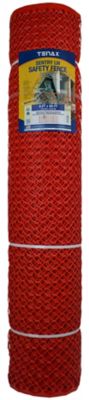
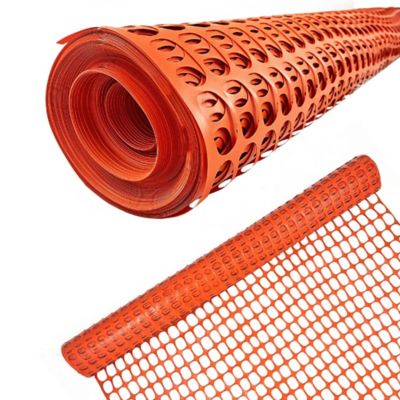
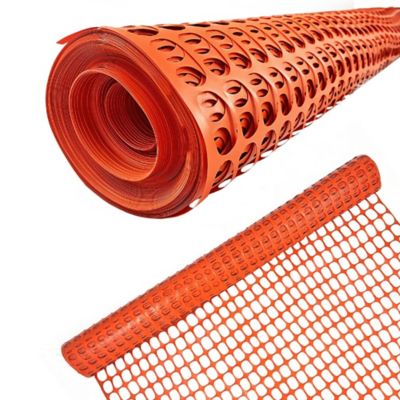
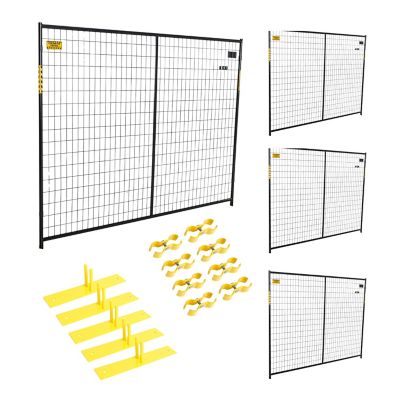
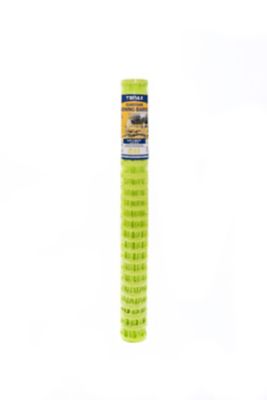
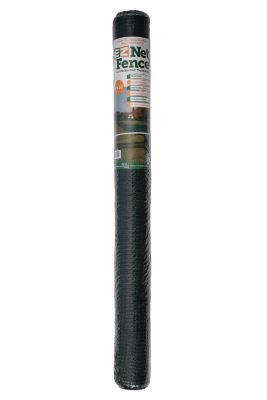
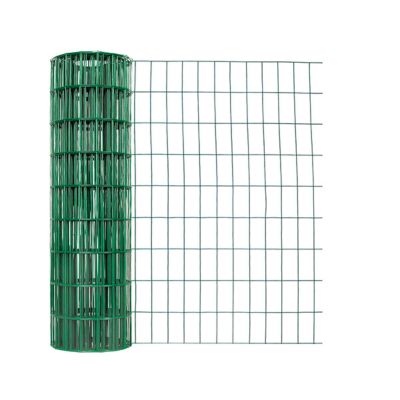
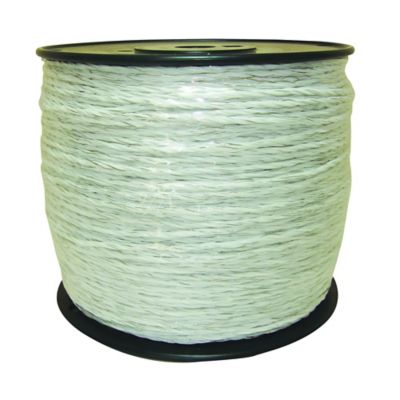
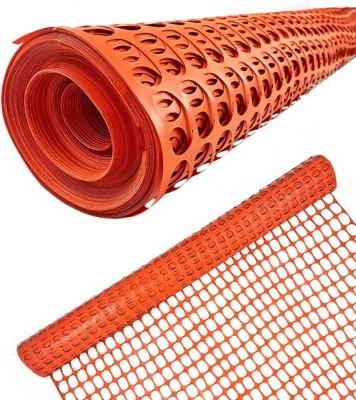
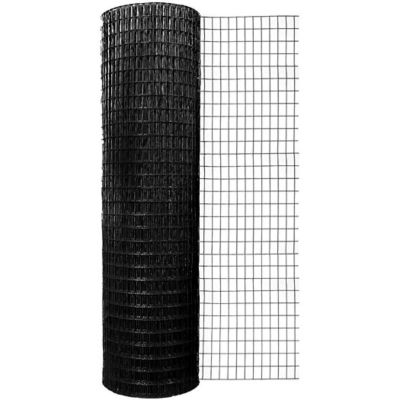
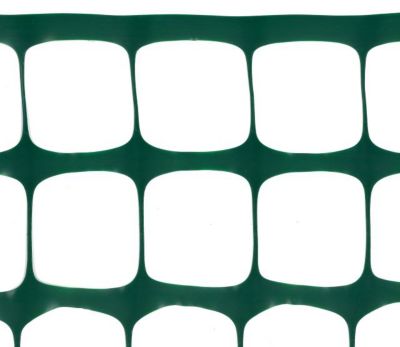
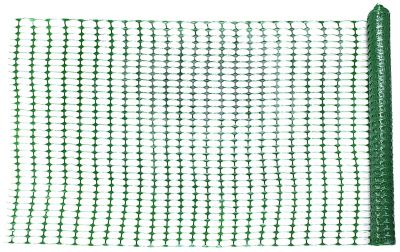
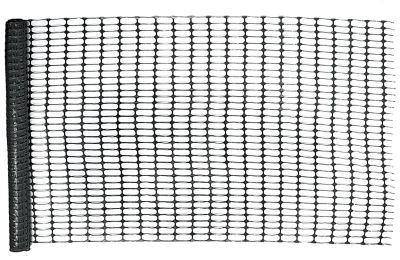
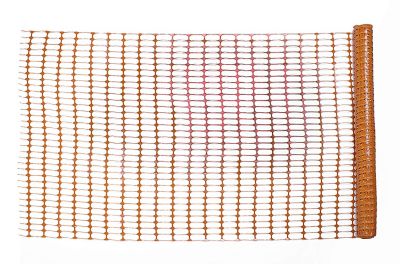
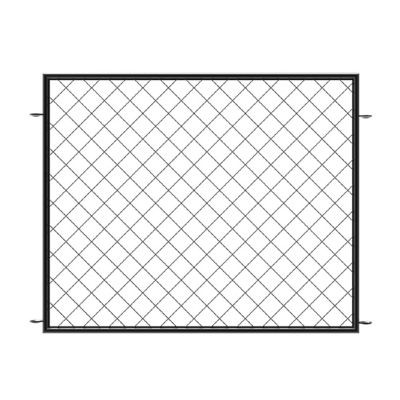
Materials and construction make a noticeable difference in how temporary event fencing handles setup, visibility and repeated transport. Steel-framed fencing with wire mesh offers a defined physical boundary with open sightlines, helping attendants see activity on the other side. Galvanized finishes and other protective coatings help limit corrosion, although scratches, worn connections and exposed metal still deserve attention. Plastic mesh offers a lighter option for marking activity zones or guiding traffic where a substantial barrier is not required. Mesh alone should not be treated as a crowd-control system, a security fence or a substitute for appropriate animal containment. Connected
Temporary Fence Panels can form straight runs and enclosed spaces, with the overall layout depending on compatible connections, supports and gates. Panel width affects how many sections a perimeter needs, while panel height influences the visual boundary and handling requirements. Narrower sections can suit tight turns or restricted storage spaces; larger sections can cover more ground with fewer connections but may take more room to carry and stack. Published dimensions matter here, especially when a layout has to fit between a building, a driveway and an existing fence. The support footprint matters just as much as the fence line itself. Feet and bases may extend beyond the face of a panel, so their placement needs to account for nearby walking lanes. Gravel, grass and paved surfaces can call for different support arrangements, and uneven ground can leave gaps beneath otherwise aligned sections. Manufacturer-approved bracing, ballast and connectors help keep the system working as intended; improvised attachments can change its performance. Where a boundary meets a gate, compatible hinges and latches help preserve the intended opening and keep adjoining sections aligned. Signs, screening or other attachments also need to suit the fence system rather than turn a simple boundary into something its supports were not designed to handle.
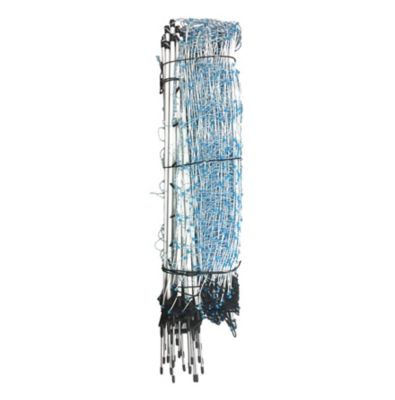
For groups that put on several gatherings a year, ease of handling and care can matter as much as the initial layout. A fair committee may need a perimeter for a livestock show, then a separate arrangement for a community auction or school carnival. Fencing that breaks down into manageable sections makes those different layouts easier to accommodate, provided the connections and supports remain suitable for each use. Storage space, carrying weight and access to a trailer or loading area all affect how practical a system will be for the people doing the work. Smooth frame surfaces, sound welds and connections without sharp projections are worth attention anywhere volunteers and guests may pass close by. Gates need room to swing or slide as designed, without blocking a walkway or narrowing an emergency route. Along a food service area, a fence can separate a delivery path from the line at the serving window; beside an activity ring, it can establish a viewing boundary while leaving designated access for staff. Animal areas need fencing selected for the species and setting, with visitor separation considered alongside the containment system. Between events, removing dirt and debris, following the manufacturer’s cleaning directions and storing components in a suitable space can help extend service life. Bent frames, cracked bases, loose fittings and damaged coatings warrant attention before the next setup, and replacement parts need to match the system. Organized storage also makes it easier to keep connectors, gate hardware and supports together instead of discovering missing pieces at the grounds. Once installed, the perimeter still needs oversight, since an open gate or a shifted section can change the way people move. Temporary event fencing works best as part of a coordinated site layout: visible enough to guide guests, suited to its assigned job and arranged so the people running the event can keep things moving.