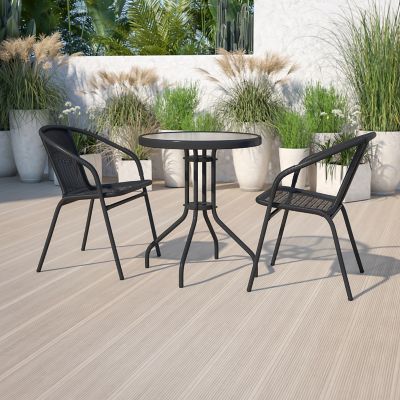
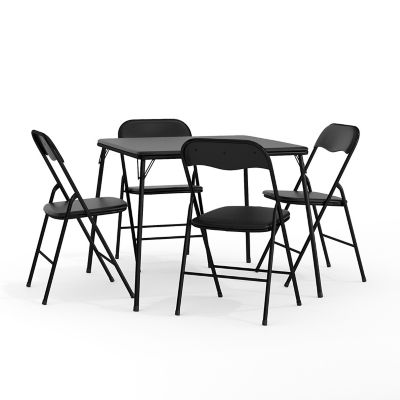
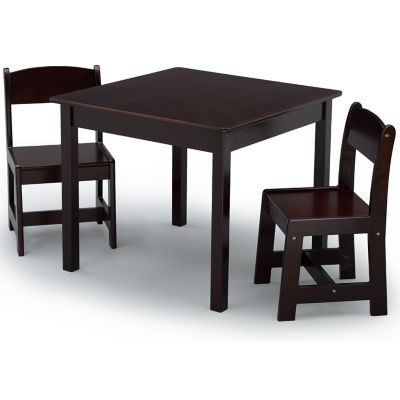
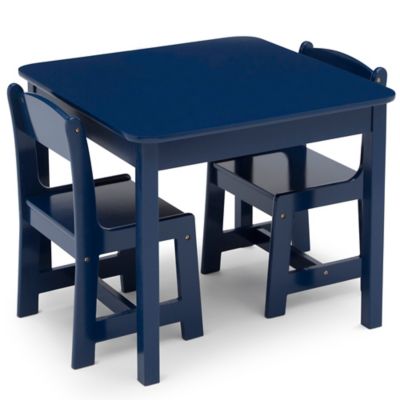
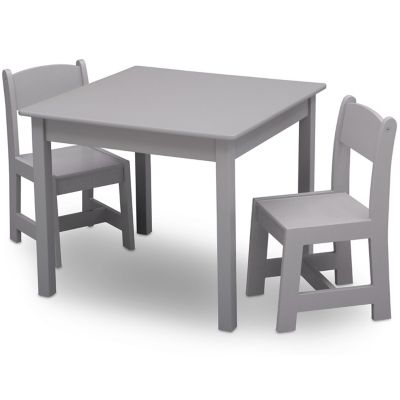
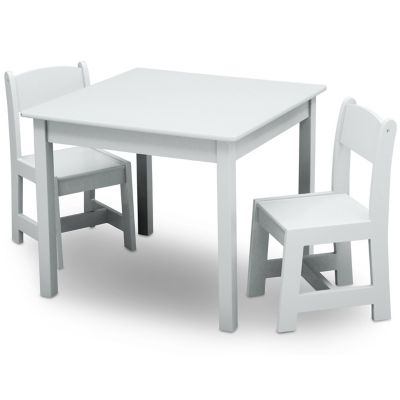
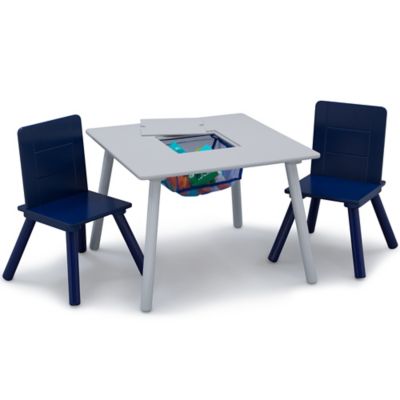
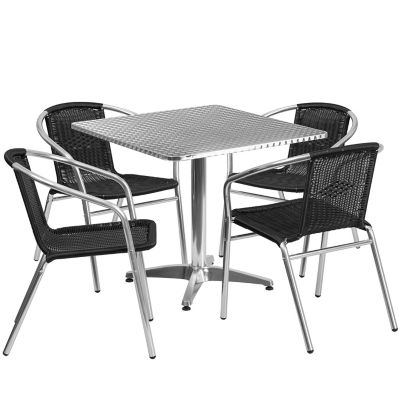
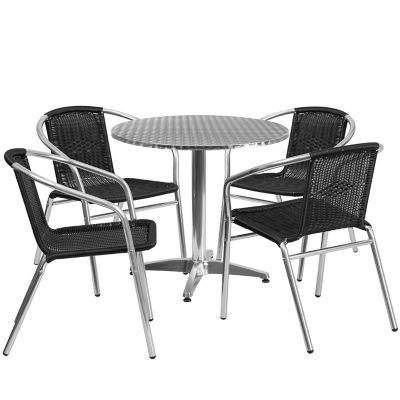
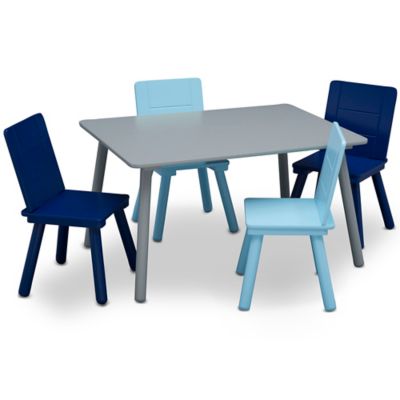
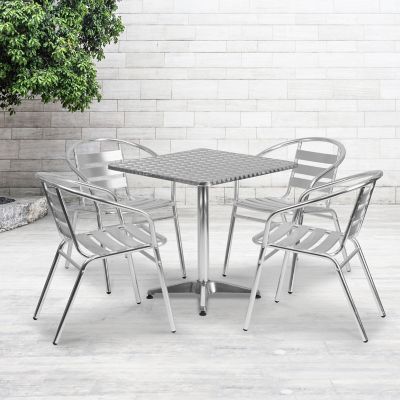
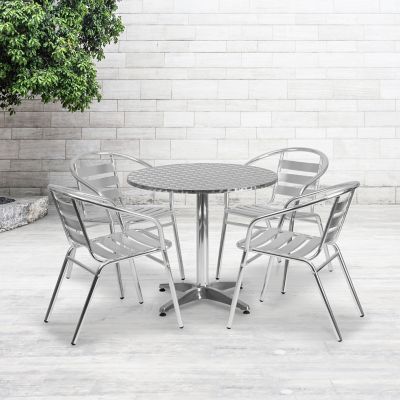
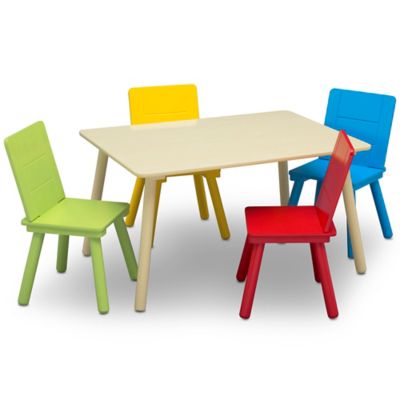
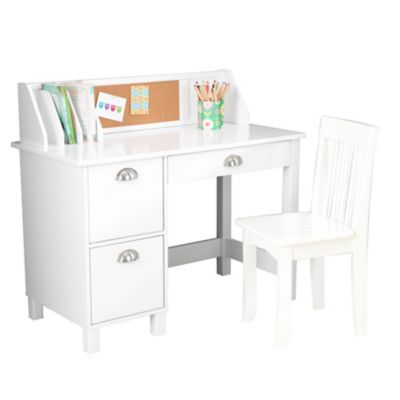
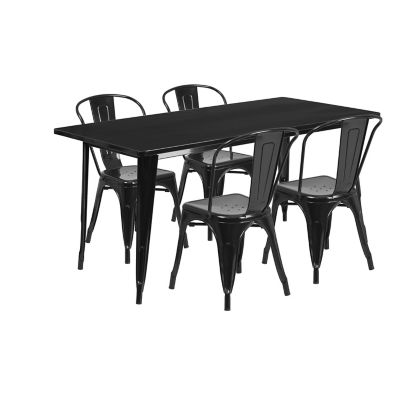
A table and chair set brings a table and coordinating seats together for meals, conversation, and the everyday work that lands on the kitchen table. It can be the spot for coffee before chores, homework after school, or a big Sunday supper with family down the road. The right fit starts with the number of people sitting down most days and the space needed around them. A three-piece set generally includes one table and two chairs, while a five-piece set commonly pairs a table with four chairs. Piece count describes the furniture included, not necessarily the number of people it seats, so check the seating arrangement and dimensions together. Small kitchen table sets suit breakfast nooks, apartments, and cabins, while larger dining table sets give growing households more room to spread out. Round tables make conversation easy and eliminate sharp corners along the tabletop, though their chairs still need room to pull back. Square tables work well in compact, evenly shaped spaces. Rectangular tables often fit longer rooms and leave a clear center stretch for serving dishes. An oval tabletop offers a similar layout with rounded ends. For comfortable seating, allow roughly 24 inches of table edge per person, with extra space for broad chairs or larger place settings. Aim for about 36 inches between the table edge and a wall or nearby furniture so chairs can slide out; busy walkways may need 42 to 48 inches or more. Actual clearance depends on chair depth, the room layout, and the people moving through it. A kitchen table and chair set should leave access to cabinets, appliances, and doorways, even with someone seated. Measuring the footprint with chairs pulled out gives a better picture than tabletop measurements alone. An extension table can accommodate extra company without taking up its full length every day, provided there is room to open it and a practical place to keep any removable leaves.
Materials shape how a dining table and chair set looks, feels, and holds up to regular activity. Solid wood brings visible grain and a substantial feel to a farmhouse kitchen or dining room. Species, construction, and finish all affect resistance to dents and scratches, and some solid-wood surfaces can be refinished when their finish allows it. Wood veneer offers a real-wood surface over a supporting core, but that thinner outer layer requires a different approach to repair. Engineered wood with a laminate surface can provide a smooth, easy-wipe eating area; protecting edges and seams from standing liquid helps prevent swelling. Metal frames often have slim profiles that leave a room feeling more open, while their weight and resistance to corrosion depend on the metal and finish. Glass tabletops create an airy look and make spills easy to spot, though fingerprints show readily and edges deserve attention in households with young children. Molded plastic seating can be practical where light weight and straightforward cleanup matter. Across materials, sound joints, stable legs, secure hardware, and stated weight limits matter more than appearance alone. A table should sit steadily without rocking, and chairs should support their intended occupants without loose connections. Standard dining tables are often about 28 to 30 inches high, paired with seats roughly 17 to 19 inches high. Around 10 to 12 inches between the seat and the underside of the tabletop is a common starting point for comfort, but a deep apron can reduce thigh space. Counter-height sets sit higher and create a different seating experience, so seat height, footrests, and ease of getting on and off the chair deserve a close look. Armchairs need enough clearance to tuck beneath the table. A pedestal base can free up space near the corners, while a wide base or low stretcher may compete with feet. Upholstered seats add cushioning for lingering over a meal, and smooth wood or molded seats simplify cleanup after a busy family breakfast.
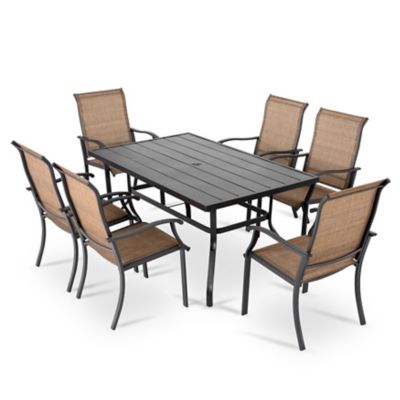
Daily routines help narrow down the details that make a table and chairs set a good match for home. A household with small children may value rounded edges, wipeable surfaces, and chairs that are easy for adults to move without being tippy. For someone who needs a steadier place to sit and stand, a supportive back, suitable seat height, and well-positioned arms may matter more than fitting another chair along the table. Benches can tuck beneath some tables and keep the arrangement looking tidy, but diners still need enough elbow room, and a backless bench offers less support for a long meal. A compact dining set makes a thoughtful housewarming gift for a first home or small cabin when the recipient’s measurements and preferences are known. For shared spaces that handle meals, paperwork, and craft projects, a smooth tabletop without deep grooves makes writing and wiping up crumbs easier. Placemats, coasters, and trivets help protect finishes from scratches, moisture rings, and hot serving dishes. Routine care usually starts with a soft cloth and a cleaner approved for the surface, followed by drying rather than leaving liquid behind. Abrasive pads and harsh cleaning products can damage finishes, so the maker’s care directions should guide cleanup. Check assembly hardware periodically and tighten it as directed, especially on chairs that move back and forth every day. Lift furniture rather than dragging it, and add floor protectors suited to the flooring beneath it. If the table and seating will go on a patio or porch, choose furniture specifically rated for that setting rather than assuming an indoor dining set belongs outside. A separate
Set of Two Patio Chairs can create a nearby conversation spot, while chairs intended to join an outdoor table need compatible seat heights and adequate legroom. Whether the setting is a small eat-in kitchen, a roomy dining area, or a porch gathering place, the most practical set leaves people comfortable, keeps pathways open, and fits the way the household comes together.