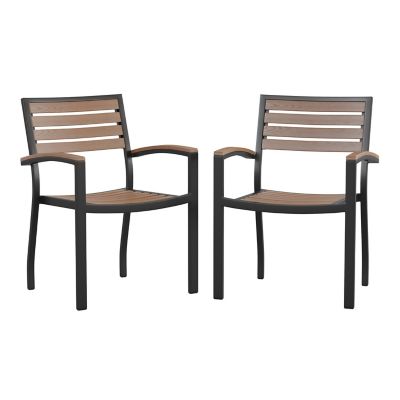
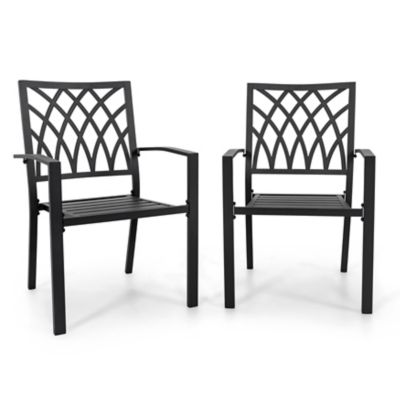
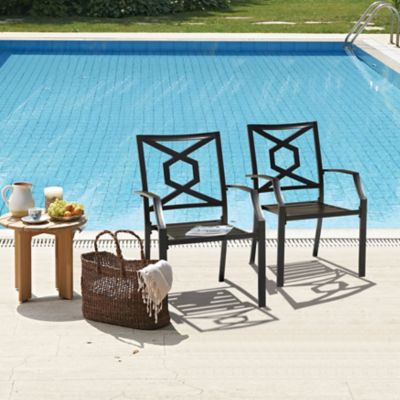
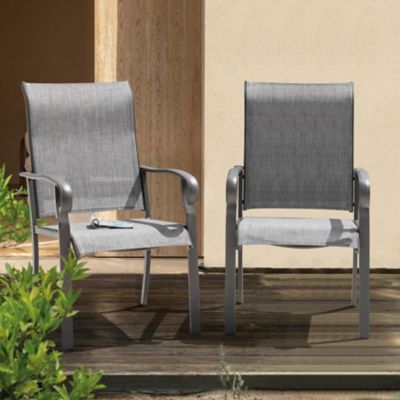
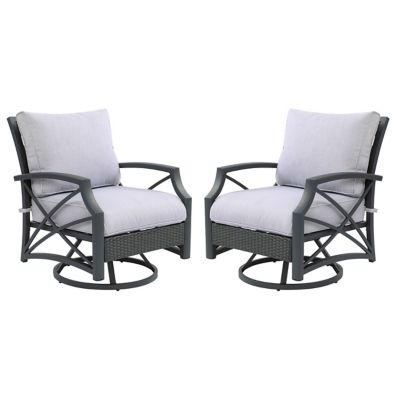
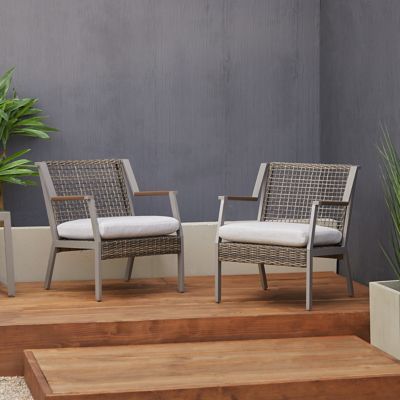
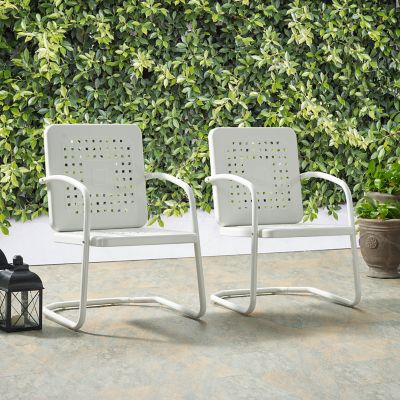
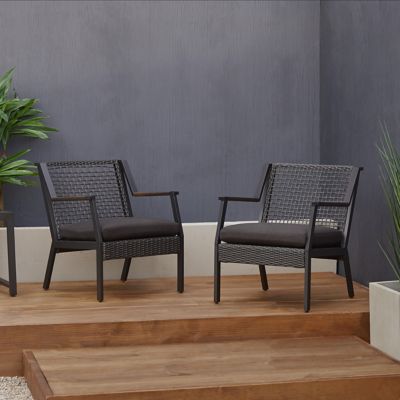
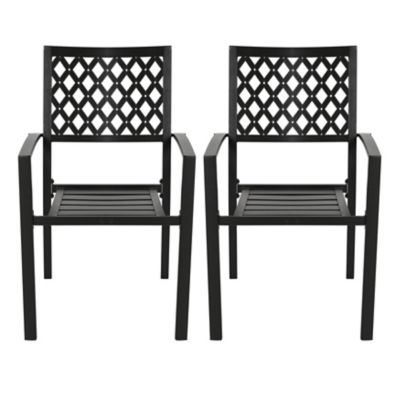
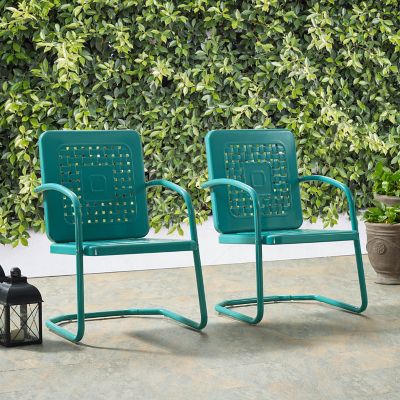
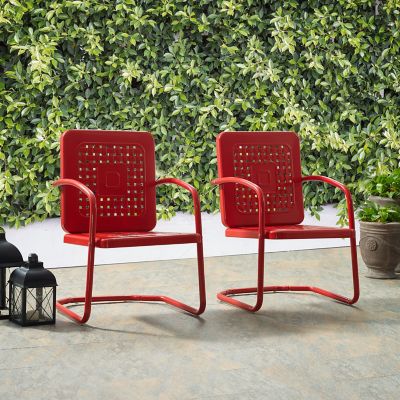
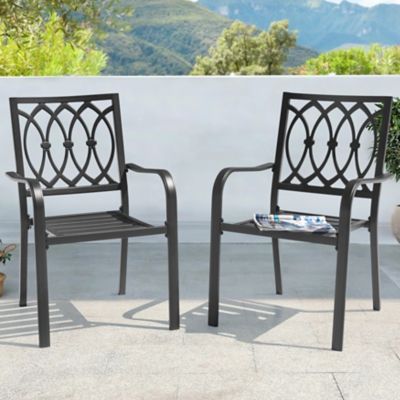
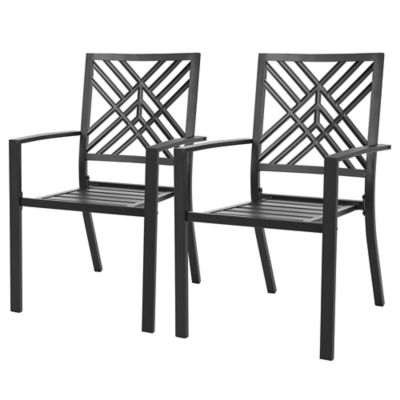
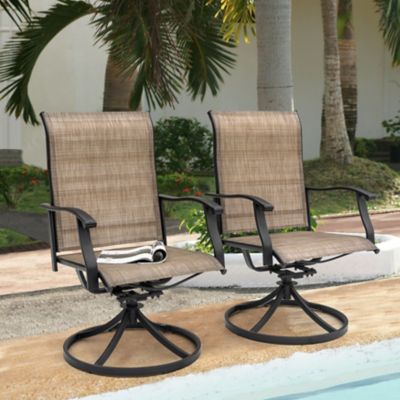
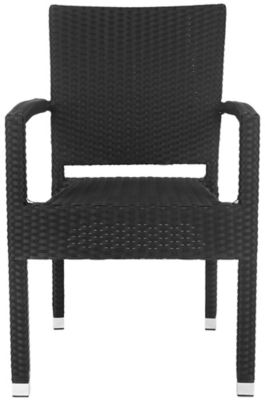
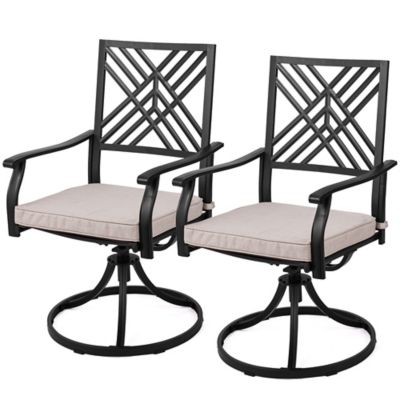
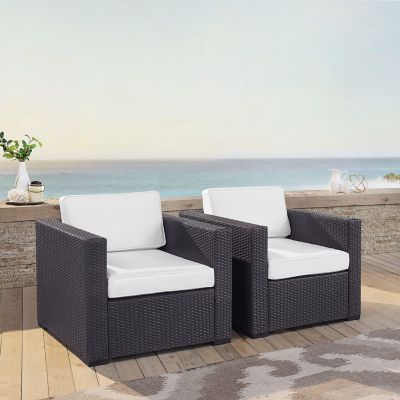
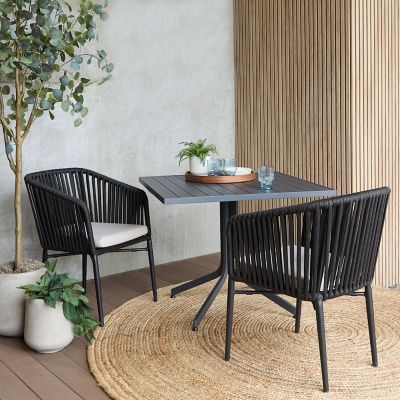
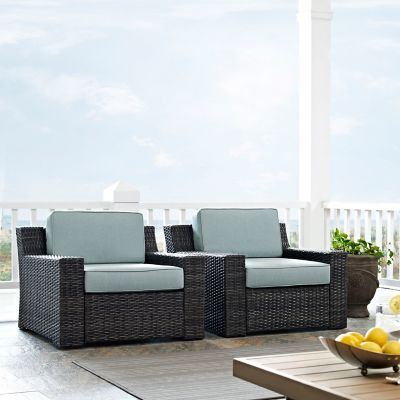
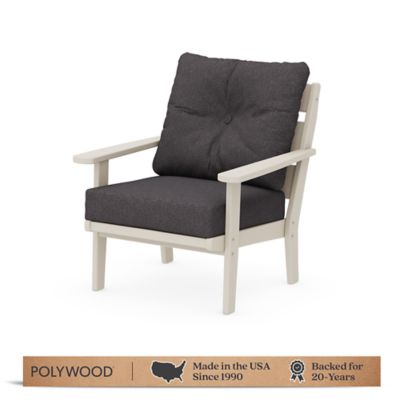
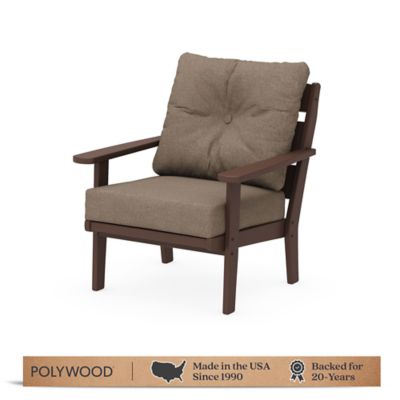
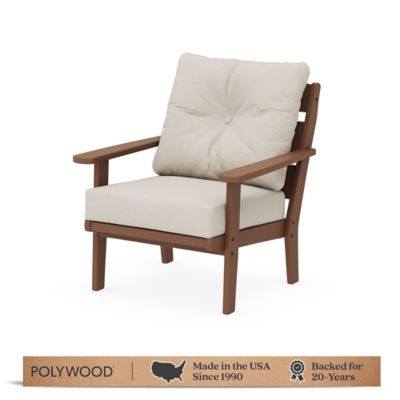
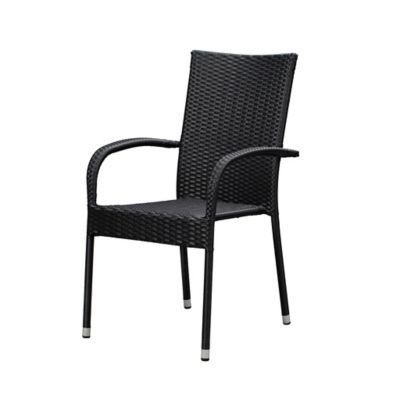
A set of two patio chairs gives a porch, deck, or backyard sitting area a pair of seats without making the whole space feel crowded. Two chairs can flank a small side table for coffee before chores, face each other for an easy conversation, or join an outdoor dining table when family comes over. Matching seats help a small space look pulled together, though their shape matters just as much as their appearance. Upright patio dining chairs support meals, card games, and time at a table, while deeper lounge chairs leave more room to settle back with a book. A rocking pair brings gentle movement to a sitting area, and swivel chairs make it easier to turn toward the conversation without dragging the frame across the floor. Each style needs a different amount of room: a stationary chair stays within a fairly predictable footprint, while a rocker, swivel chair, or reclining design needs clearance around its moving parts. Overall width and depth show how much floor space the pair will take up, but seat width, seat depth, and back height tell more about how each chair will feel. A broad frame does not always mean a broad seat, especially when thick arms or cushions take up part of that space. For chairs going beside a table, seat height should leave comfortable legroom, and armrests need enough clearance to slide beneath the tabletop if that is how the setup will be arranged. A low, laid-back seat suits lounging better than eating at a standard dining table. Taller seats and supportive arms may make sitting down and standing up easier for some people. Checking the stated weight capacity for each chair also helps match the pair to the people who will sit there. The best fit leaves room for both a comfortable seat and the everyday movement around it, whether that means carrying supper outside or walking from the back door to the yard.
Materials shape the feel, weight, upkeep, and long-term performance of a two-chair patio set. Aluminum frames are generally lighter than comparable steel frames and do not develop iron rust, making them practical when seating gets moved between a porch and a patio. Steel can give a chair a substantial feel, though its protective finish needs attention wherever scratches expose the metal beneath. Welds, fasteners, frame joints, and the support beneath the seat all matter alongside the frame material. Wood chairs bring visible grain and a familiar look that fits comfortably beside a farmhouse table or on a plank porch. Their care requirements depend on the wood species and finish; some need periodic treatment, while painted finishes may eventually need touch-ups. Woven chairs can have natural fibers or synthetic strands, so the word “wicker” alone does not tell the whole story. Synthetic wicker is commonly woven around a supporting frame, and both the weave and that frame affect how the chair holds up. Molded resin and plastic chairs offer another option, with care needs that differ from wood or metal. Seating surfaces matter, too. Textilene-style mesh provides a taut, breathable seat without relying on a thick cushion, while cushioned chairs add padding and may have removable covers. Cushion thickness can change the effective seat height and reduce usable seat depth, so frame measurements alone may not describe the sitting position. Care is usually simplest when it follows the manufacturer’s directions for each material. Mild soap and a soft cloth may suit some surfaces, while abrasive cleaners can damage certain coatings or fabrics. Spills should be addressed promptly, removable covers need their own washing instructions, and cushions should be thoroughly dry before storage. Occasional checks of screws, joints, and feet help catch looseness before it becomes a bigger problem. For a pair that sees regular use after chores or around the supper table, straightforward cleaning and accessible hardware can make everyday upkeep less of a fuss.
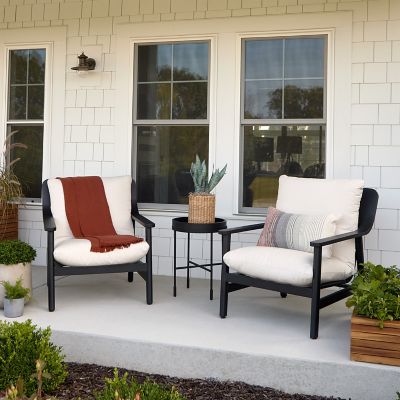
The layout around a pair of patio chairs can make a modest corner feel like a proper place to sit. A small table between two lounge chairs gives each person a spot for a mug, a book, or a plate, while chairs positioned at an angle keep conversation comfortable without requiring a large footprint. Table height should suit the seating: a low side table works beside a lounge chair, but it can be awkward next to a taller dining seat. On a narrow porch, room to walk past the chairs matters more than squeezing in the largest frames possible. Doors need a clear swing, steps need an open approach, and a walkway should stay clear even when someone is seated or a dining chair is pulled back. Level placement matters for stationary chairs and moving styles alike, and chair feet should suit the surface beneath them. Foot caps can help protect some flooring, while narrow legs may settle unevenly on soft ground. Folding or stacking designs make sense where the same space serves several jobs, such as a porch that doubles as a gathering spot and a route to the barn.
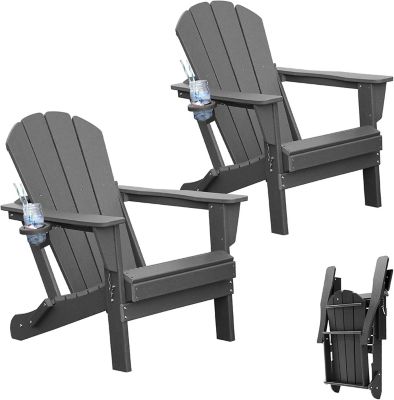
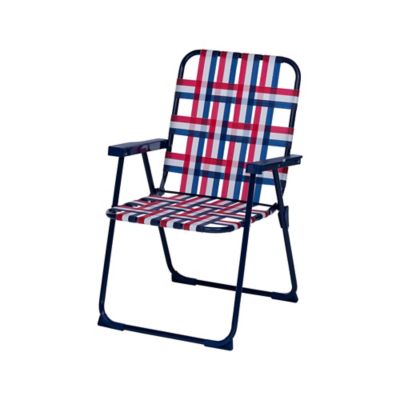
Patio Furniture Folding Chairs can be especially handy when seating needs to move aside between visits; folded dimensions, chair weight, and the locking mechanism deserve the same attention as comfort. A set of two also makes a thoughtful housewarming gift for a couple settling into a place with a porch or patio, provided the dimensions and care needs fit their home. Some sets include cushions or other components, but a two-chair description alone should not be taken to mean a table or accessories come along. Whether the pair is meant for daily meals, a quiet break after feeding animals, or catching up with a neighbor, seating that fits the space and the routine earns its place without getting in the way.