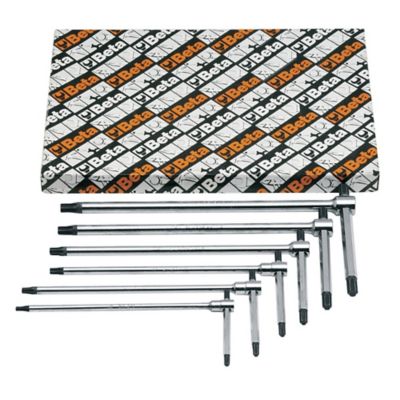
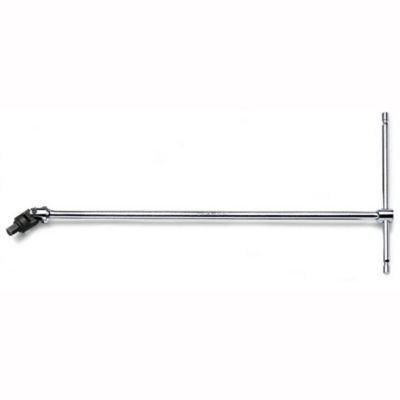
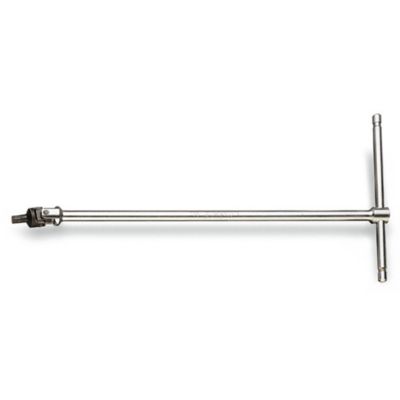
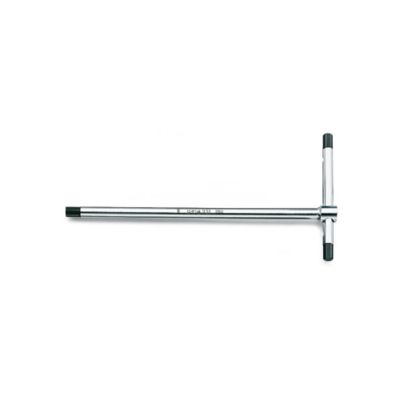
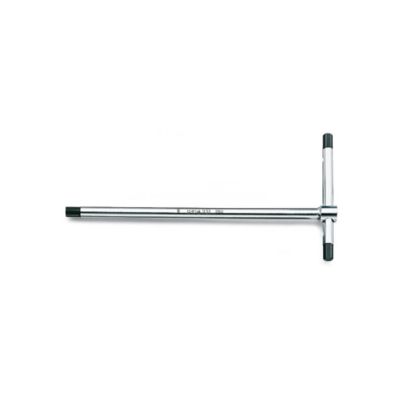
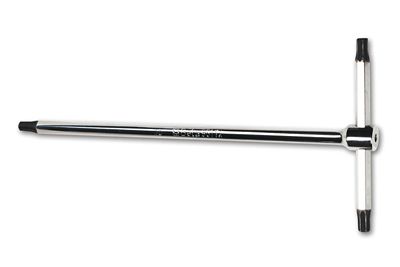
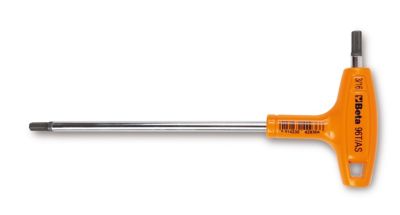
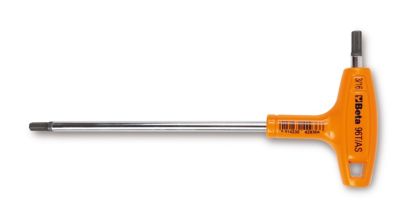
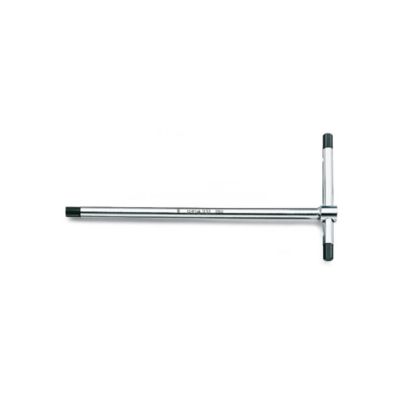
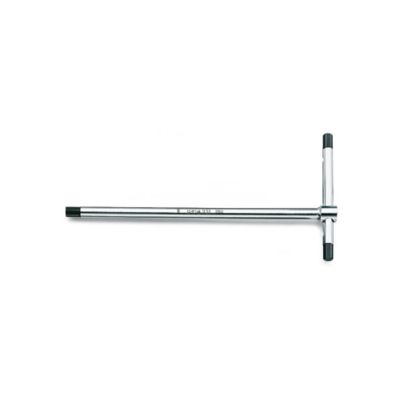
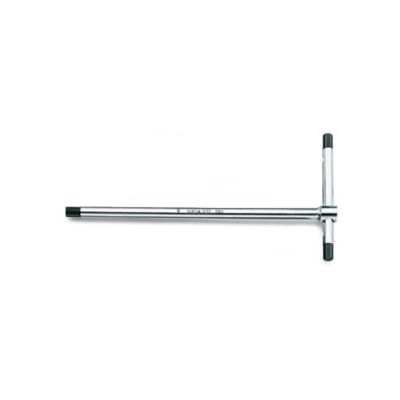
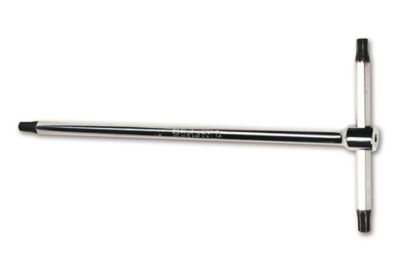
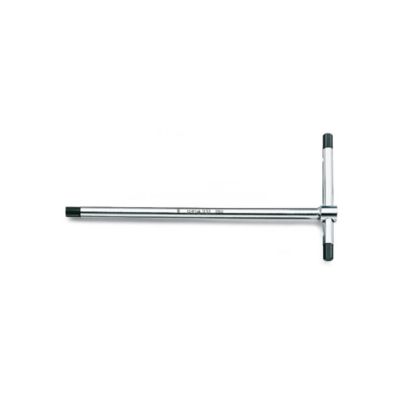
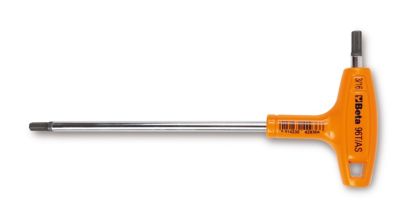
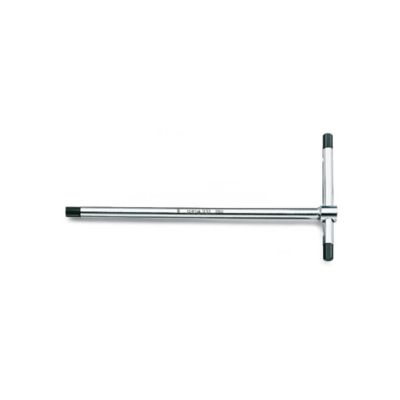
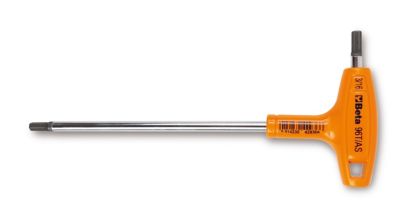
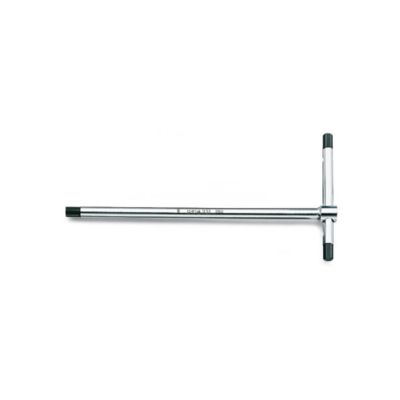
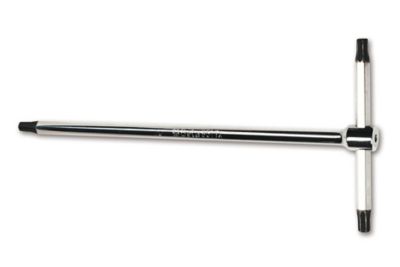
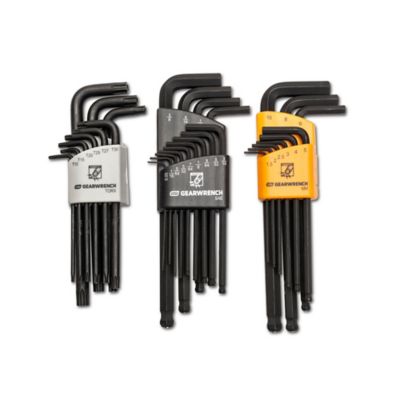
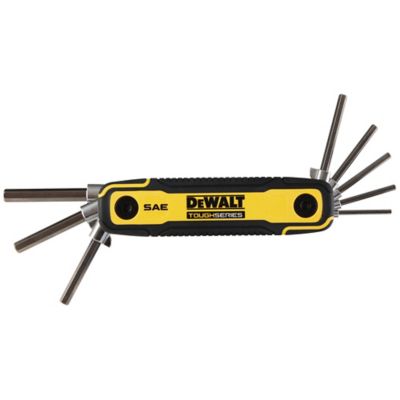
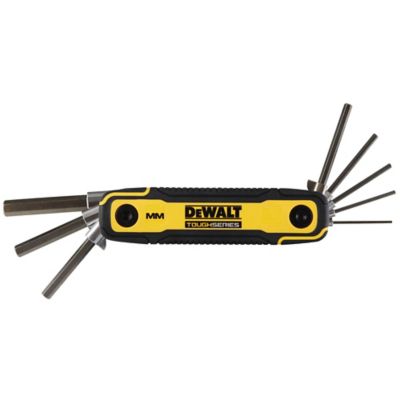
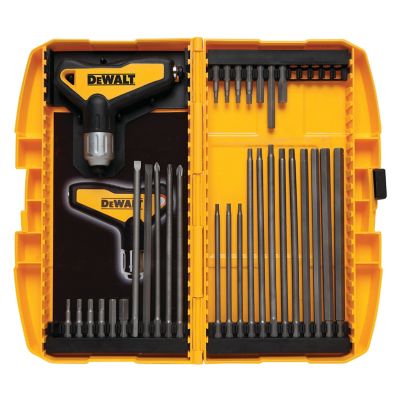
T-handle wrenches are valued for the simple, practical way they fit the hand. A crossbar across the top forms the familiar T shape, giving you a broad grip for turning fasteners while the shaft reaches down into the work. That shape lets you spin a bolt or screw quickly with your fingertips when the threads are moving freely, then shift your hand across the bar and press with your palm when more turning force is needed. On a farm, in a shop, or beside a workbench in the garage, that combination of speed and leverage can make a routine repair feel a whole lot less tiring. T-handle designs are often found as hex drivers for Allen-style fasteners, socket wrenches for nuts and bolts, tap wrenches for threading holes, and three-way tools with several working ends built into one handle. Some have a fixed crossbar, while others let the bar slide through the shaft so you can center it for a quick spin or offset it when space is tight. Long shafts can reach recessed fasteners on equipment, bicycles, engines, and furniture, while a shorter end or offset grip can help when a stubborn fastener needs extra force. Before choosing a wrench, take a close look at the fasteners you expect to work on. Hex sizes may be listed in SAE measurements, which are common on many American-made machines, or metric sizes, which are found on plenty of vehicles, bicycles, tools, and equipment. The right fit should seat fully in the fastener without rocking or slipping. A set with several sizes can cover everyday jobs around the shop, but a smaller set may be all you need for a particular machine or repair. It also helps to check the shaft length, handle shape, finish, and storage method. A longer reach is handy for deep-set bolts, while a compact shaft is easier to manage around crowded engine bays, brackets, and assemblies. If you work with several kinds of fasteners, a set that includes both common and less common sizes can help keep a repair moving instead of sending you back to the store halfway through the job.
These wrenches suit anyone who spends time taking things apart, putting them together, or keeping equipment in working order. A rancher might reach for one while adjusting machinery, servicing a gate latch, or tightening hardware on a piece of outdoor equipment. In a home garage, a T-handle hex wrench can be useful for bicycle maintenance, shop fixtures, exercise equipment, furniture assembly, and small engine work. Mechanics and maintenance workers often appreciate the quick-turning action when a job involves a long row of fasteners, while woodworkers and metalworkers may use tap-style T-handles to start and guide threads in a prepared hole. They can also be a thoughtful present for a new homeowner, a student setting up a first toolbox, a cyclist, or someone who enjoys keeping an older tractor, mower, or pickup in good running shape. A well-planned set takes up little room compared with a full collection of separate tools, and the T-shaped grip is easy to recognize when the toolbox is crowded with wrenches, pliers, and sockets. For regular maintenance, look for handles that feel comfortable when you apply steady pressure and shafts that match the depth of the fasteners you work on most often. A textured or shaped grip may be easier to hold with work gloves, while a smooth bar can make quick spinning simple when your hands are clean and dry. Keep the wrench seated straight in the fastener, especially when loosening a tight bolt, and clear dirt, paint, or packed grease from the opening before turning. If a fastener refuses to move, a penetrating lubricant and a little patience are usually better than leaning hard on a tool that does not fit. T-handle wrenches are meant for controlled hand work, not as a replacement for a breaker bar or a hammer. Store them where the sizes are easy to see, wipe away grime after shop or field use, and keep the working ends free of burrs so they are ready for the next repair. For jobs that call for other slim, specialized hand tools, browse
Precision Wrenches to round out the toolbox.
Choosing the right T-handle wrench comes down to the fastener, the available room, and the kind of force the job calls for. A bicycle or furniture project may mainly call for hex sizes and a comfortable, quick-spinning handle. Automotive and equipment work may be better served by socket-compatible designs, deeper reach, or a sliding bar that gives you more options around brackets and housings. Tap work calls for a handle made to hold the tap securely and keep it straight as you cut threads, while a three-way wrench can be convenient when several common sizes are needed in a compact form. Think about where the tool will live and how often it will travel. A set kept in a service truck or tractor cab should stay organized and easy to grab when a loose fastener shows up during a chore. A set for the home shop may benefit from a stand, case, or marked storage tray so each size has a clear place. During the cooler months, when indoor shop projects and equipment upkeep often move to the front of the list, having the right T-handle nearby can save a trip across the yard for another tool. As outdoor work picks up again, the same set can go along for adjustments and repairs around fences, trailers, lawn equipment, and farm machinery. Whether you are tightening a bike stem, assembling a workbench, servicing a small engine, or keeping a dependable machine ready for the next task, a T-handle wrench gives you a straightforward grip, quick turning action, and useful leverage in one hand tool.