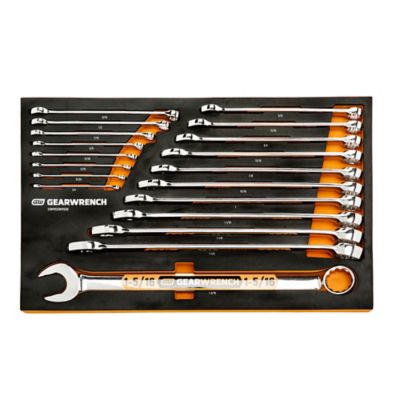
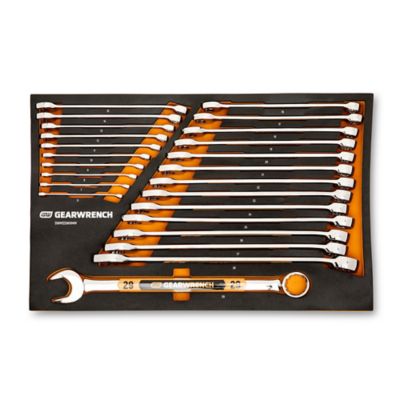
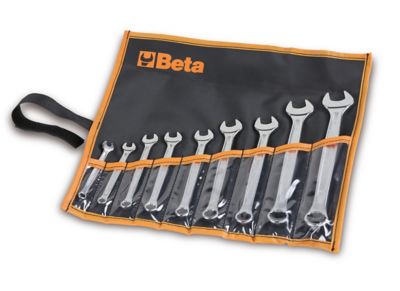
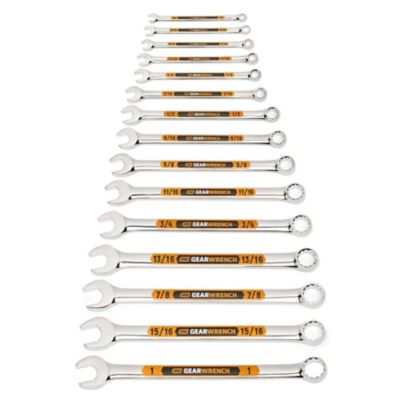
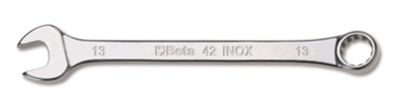
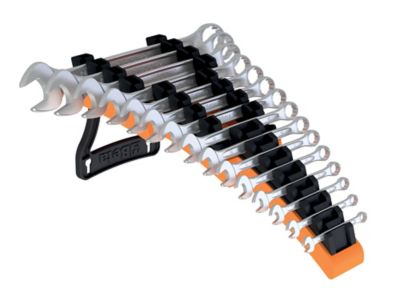
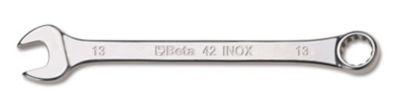
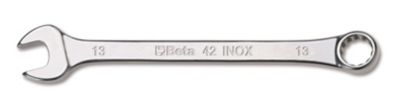
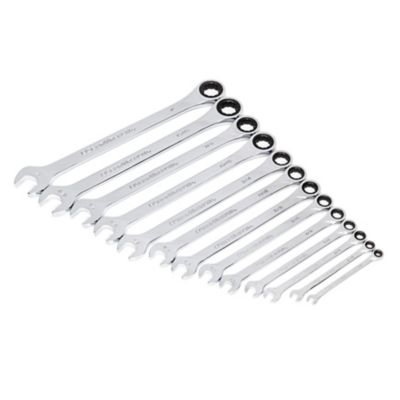
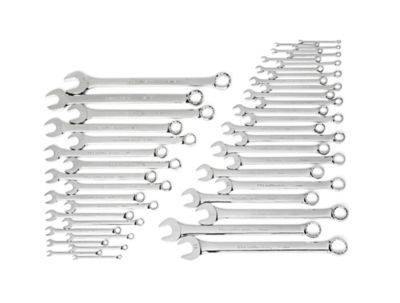
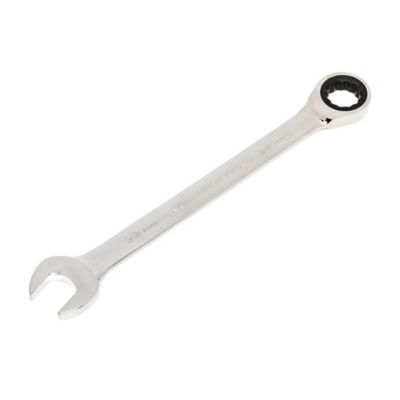
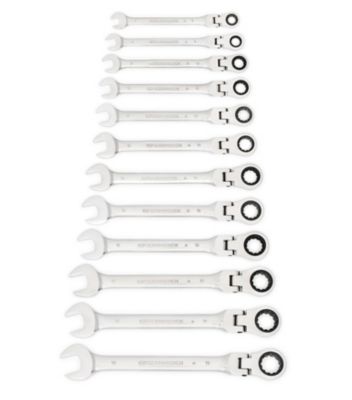
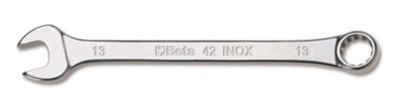
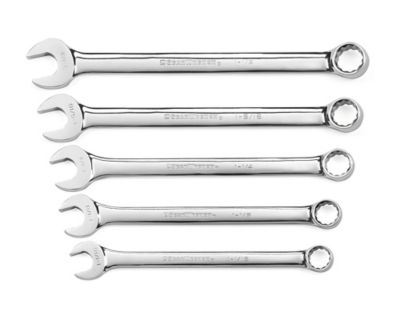
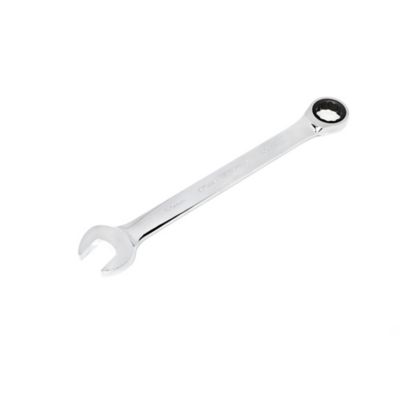
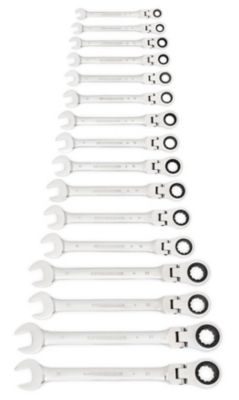
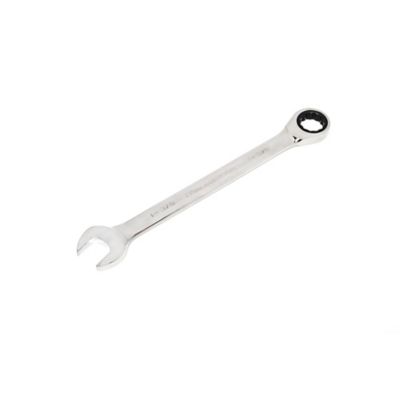
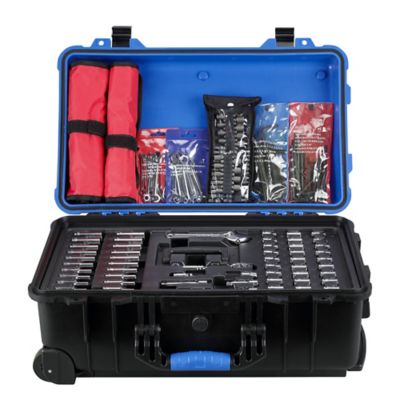
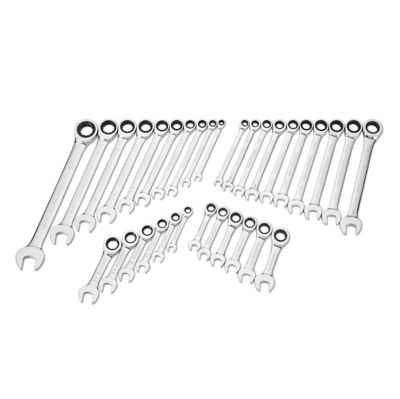
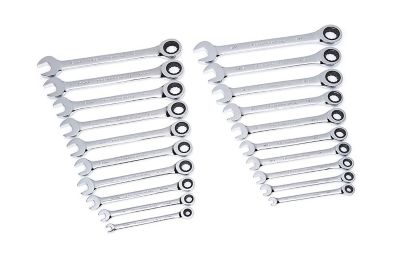
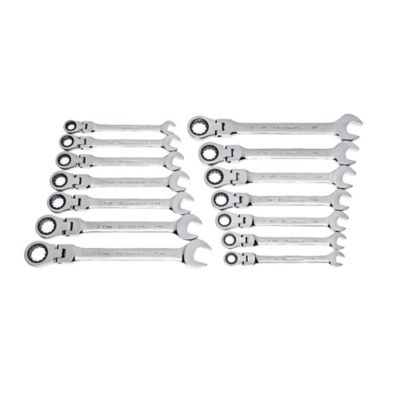
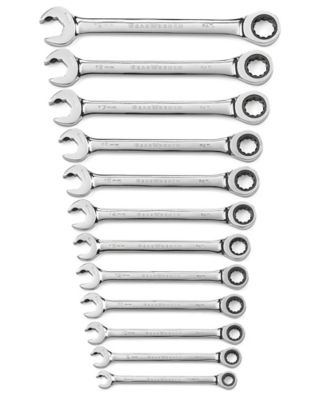
Combination wrenches for mechanics bring an open end and a box end together on one handle, typically with the same fastener size at both ends. That arrangement earns its place in a shop drawer: the open end can reach a nut from the side, while the enclosed box end provides contact around the fastener when there’s room to slip it over the top. On a pickup, tractor, mower or utility trailer, those two approaches often come into play during the same repair. A wrench can hold a bolt steady while a socket turns the nut, reach a bracket tucked beside an engine or handle hardware where a ratchet head won’t fit. Standard combination wrenches have a fixed box end, while ratcheting combination wrenches let the handle swing back without lifting the box end off the fastener. For repeated turns in a cramped engine compartment, that difference can save a fair bit of repositioning. Neither style replaces every other wrench in the drawer; each suits a different mix of access, turning room and everyday work. SAE sizes follow inch measurements, while metric sizes follow millimeters, and a mixed equipment lineup may call for both. An older implement and a newer truck can have very different hardware, so the fasteners on the equipment matter more than a broad “standard” or “metric” label alone. A close fit is important because a loose wrench can slip and round a nut or bolt head. Neighboring SAE and metric sizes aren’t necessarily interchangeable, even when they look close. For a working set, the included size range and any gaps between sizes deserve as much attention as the piece count. A smaller selection that covers the equipment’s common hardware can be more useful than a larger assortment that misses a frequently needed size. Mechanics, farm operators and folks maintaining their own vehicles all benefit from having the right fit within easy reach rather than making do with whatever happens to be lying on the bench.
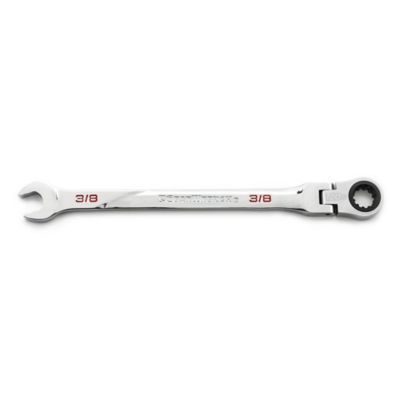
The details of the wrench head and handle make a noticeable difference once a job gets tight. A six-point box end engages a hex fastener in fewer possible positions and can provide strong purchase when the fit and condition are right. A twelve-point box end offers more starting positions, which can help when nearby parts limit where the handle can sit. Some wrench profiles direct force farther from the fastener’s corners to help reduce rounding, though that feature doesn’t make the wrong size suitable or restore badly damaged hardware. With ratcheting combination wrenches, tooth count relates to the mechanism’s nominal return swing: a 72-tooth design, for example, corresponds to a five-degree arc. That figure describes the movement needed for another ratcheting engagement, not the total clearance required for the wrench head, handle and hand. Head width, head thickness and nearby obstructions still matter. Reversible designs change direction with a selector, while other ratcheting designs require turning the wrench over. A fixed head keeps a consistent angle; a flex head can approach a fastener from different angles, with locking designs offering another way to control its position. These distinctions matter around crowded accessories, mounting brackets and recessed hardware, where a straight approach may not be possible. Handle length affects reach and leverage, too. A longer wrench can put a fastener within reach and provide more leverage, but it also needs space to move and can apply more force than the joint requires. A shorter handle offers better clearance in confined areas, making
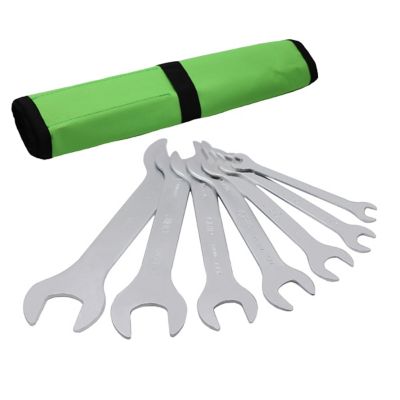
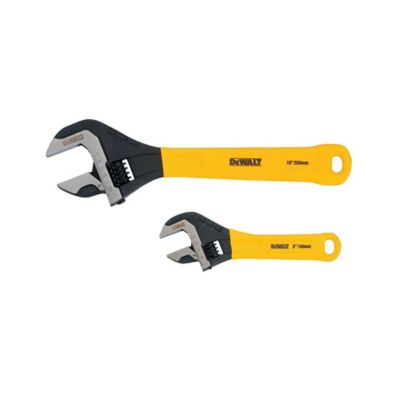
Compact Wrenches a useful consideration for close quarters under a dash or beside a small-engine housing. A modest box-end offset can help keep knuckles clear of a flat surface, although the surrounding parts determine whether that angle helps or gets in the way. Slim heads can reach narrow gaps, while broader handle surfaces may feel more comfortable under steady hand pressure. The practical choice comes down to how the tool fits both the hardware and the space around it, not a single specification.
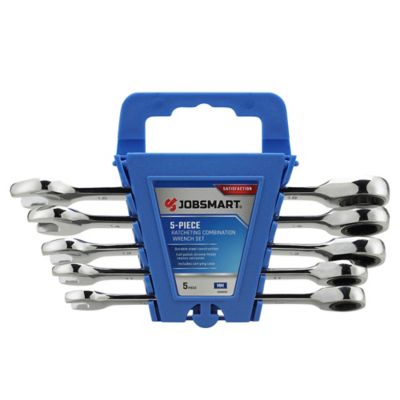
Materials, finish and care all contribute to how combination wrenches hold up through regular shop work. Forged alloy steels, including chrome vanadium steel, are common because their properties can support strength and resistance to wear when paired with appropriate manufacturing and heat treatment. The steel designation alone doesn’t tell the whole story; head geometry, machining, finish and the wrench maker’s stated operating limits matter as well. Chrome plating helps resist corrosion and makes oily residue easier to wipe away, while satin and polished surfaces offer different feels in the hand. Smooth jaw faces, clear size markings and a comfortable beam are everyday details worth noticing, especially when hands are greasy and several neighboring sizes are spread across the bench. Ratcheting mechanisms add convenience but also moving parts, so cleaning and lubrication should follow the maker’s directions rather than a one-size-fits-all approach. Wiping away dirt and oil after a job, keeping tools dry before storage and checking for cracked heads, distorted jaws or a slipping ratchet help protect both the tools and the next repair. A tray, rack or tool roll keeps sizes in order and makes a missing wrench easier to spot before the tractor leaves the shop. For field repairs, a roll also keeps loose tools from knocking around in a carry box. Ordinary combination wrenches are hand tools, not substitutes for impact-rated equipment, striking wrenches or breaker bars; adding a pipe to the handle or hitting the wrench with a hammer can overload it. Where a service specification calls for a particular tightening torque, a suitable torque wrench belongs in the job. Those limits leave plenty of everyday work for a well-matched combination wrench assortment, from holding accessible mounting hardware to working through routine equipment repairs. For an apprentice mechanic, a family member setting up a home garage or a farm hand building a field kit, combination wrenches can also make a practical gift. Matching the size system, handle style and storage format to the recipient’s equipment gives that gift a clear purpose long after it reaches the toolbox.