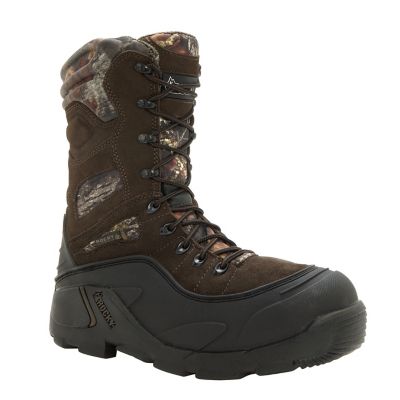
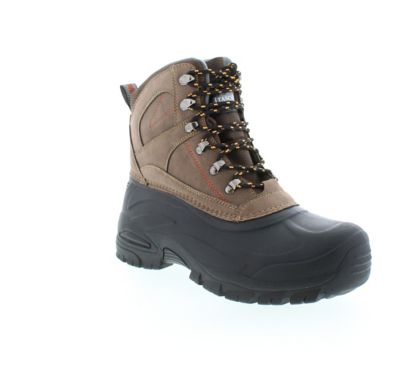
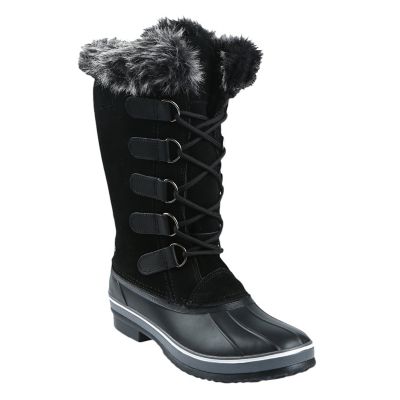
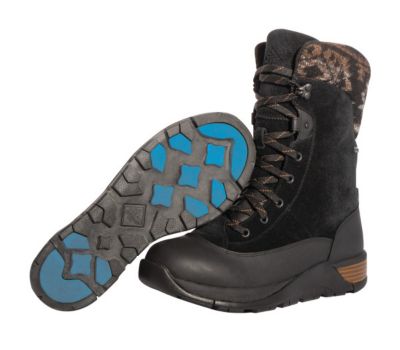
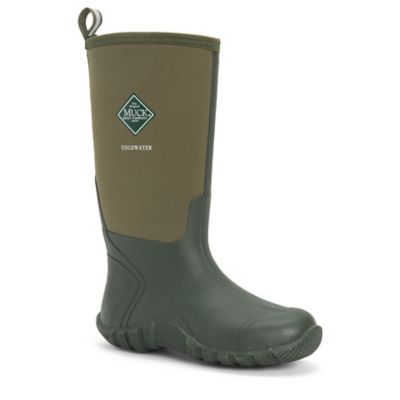
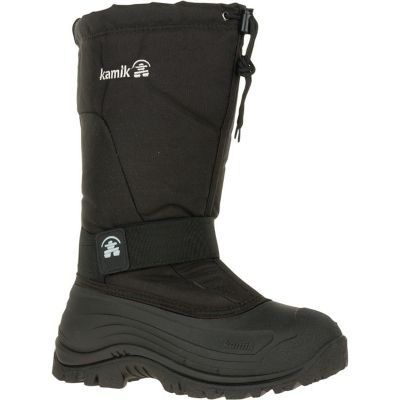
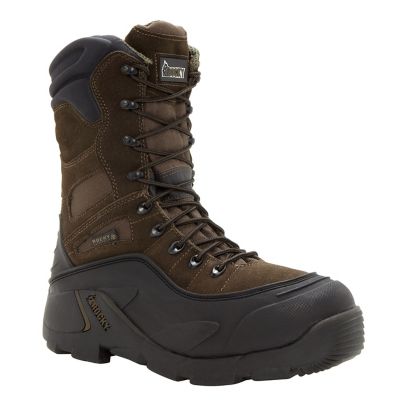
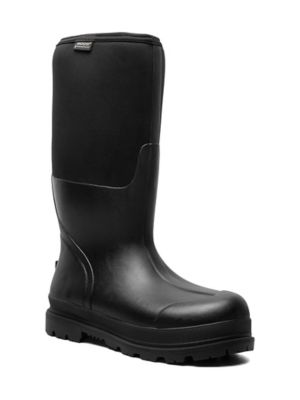
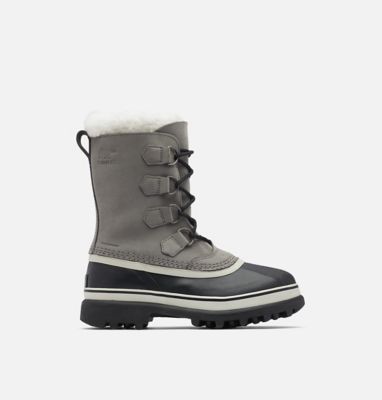
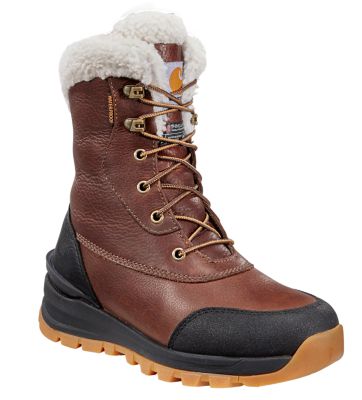
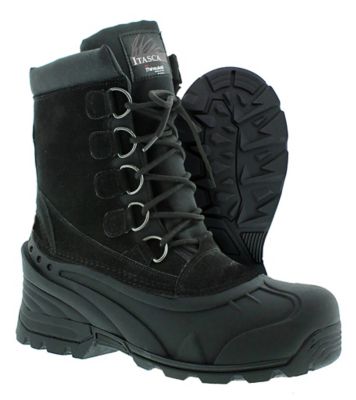
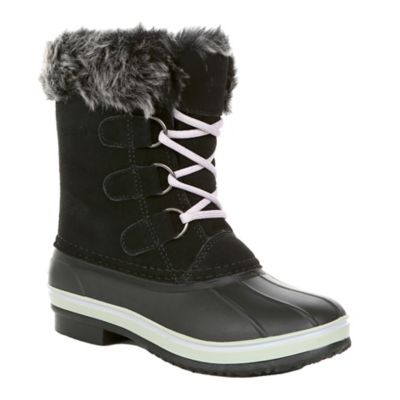
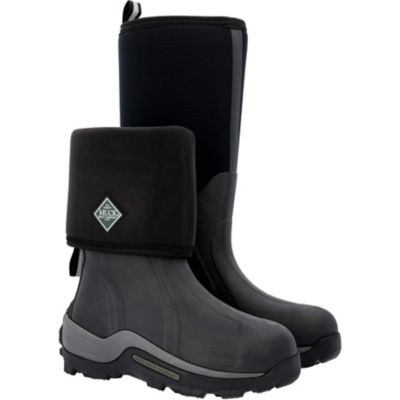
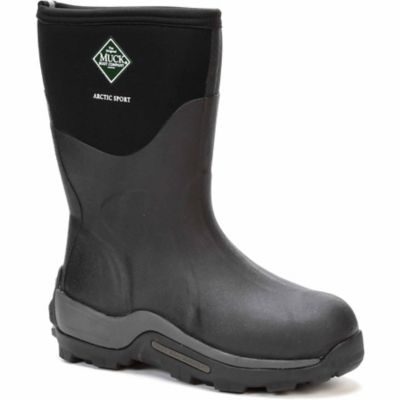
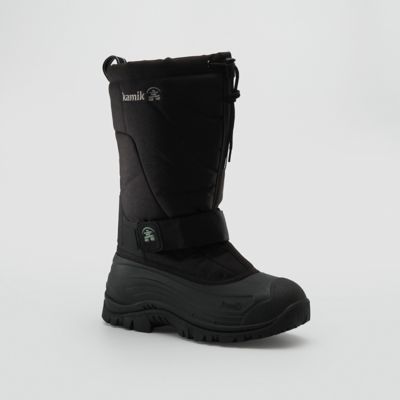
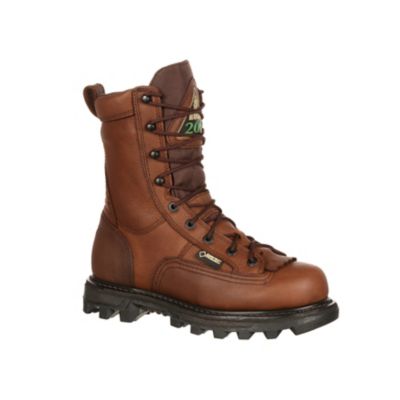
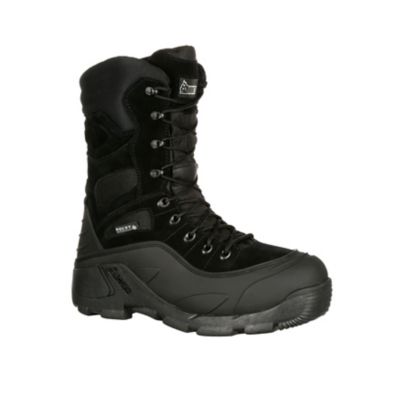
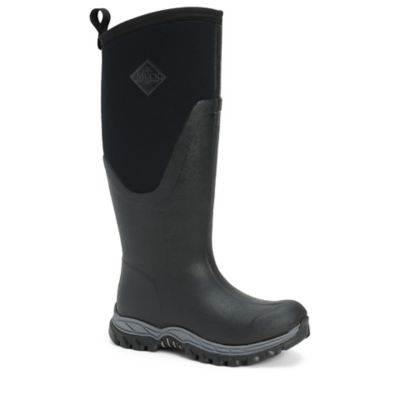
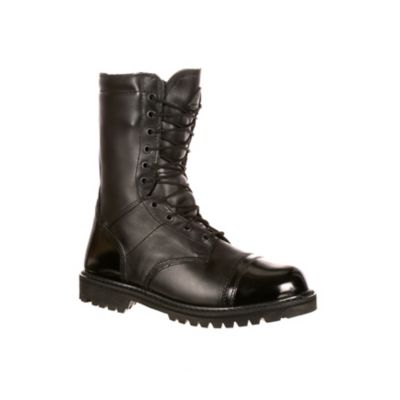
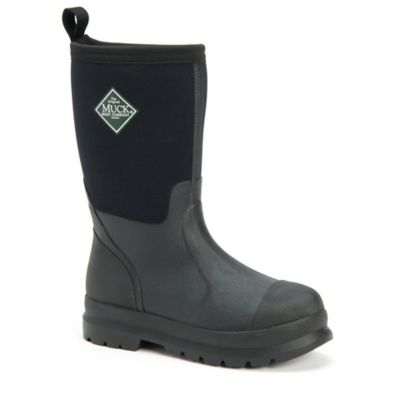
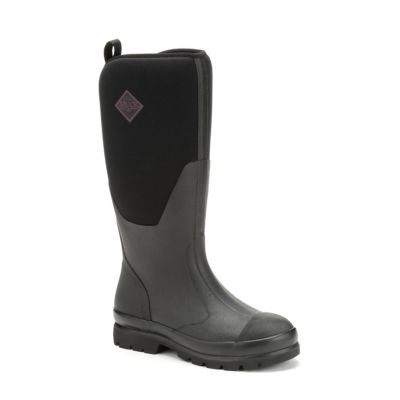
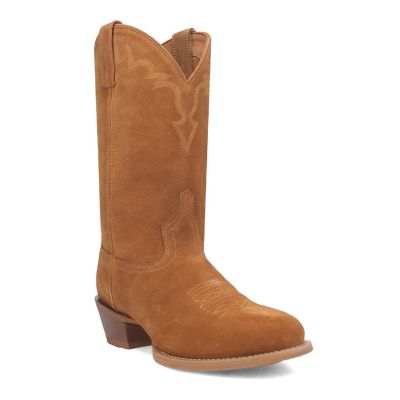
Suede winter boots bring together the soft, broken-in look of suede with the warmth and coverage needed for cooler weather. They can be a good fit for everyday errands, school drop-offs, trips to the feed store, walks with the dog, and outdoor chores when the ground is cold but conditions are manageable. Suede has a napped finish that feels softer and looks more textured than smooth leather, giving winter outfits a relaxed, lived-in feel. Depending on the design, these boots may include cozy faux-fur or shearling-style linings, cushioned footbeds, supportive midsoles, side zippers, pull tabs, or laces that help create a secure fit. Boot height also makes a difference. Ankle boots are easy to slip into and pair well with jeans, while mid-calf styles offer more coverage around the lower leg and can help keep warmth in when walking through cold grass, light snow, or slushy sidewalks. Look closely at the sole, too. A treaded rubber outsole can provide steadier footing on damp pavement, packed snow, and muddy ground, while a thicker platform may add insulation between your feet and the frozen ground. Suede winter boots can make a thoughtful gift for someone who spends the cooler months on the go, especially when you know their usual size and whether they prefer a roomy fit for warm socks. They are also a practical choice for teens and young adults who want a boot that feels comfortable enough for daily wear without looking too rugged for casual outings. For growing children, fit matters even more; if you are shopping for a younger family member, browse
Boys Winter Boots for additional cold-weather options suited to active days.
When comparing suede winter boots, start with the weather and ground conditions they will face most often. Water-resistant suede can handle brief contact with light moisture, such as a damp parking lot or a short walk through melting frost, but it is not necessarily built for standing water, deep snow, or extended exposure to slush. If you expect wet conditions, check the product details for waterproof construction, sealed seams, gusseted tongues, or treated materials. A boot with a warm lining may feel comfortable in a chilly barn aisle or on an early morning walk, but insulation levels vary, so pay attention to how much room remains inside once you add thick socks. Too much extra space can let the heel lift and make each step less secure, while a snug boot can leave toes cold and uncomfortable. Try boots on later in the day, when feet may be slightly larger, and wear the type of socks you expect to use during the cooler months. Walk across a hard floor and notice whether the heel stays in place, the toes have room to move, and the ankle feels supported without rubbing. A side zipper can make frequent changes easier, while laces allow more adjustment around the ankle and instep. Pull-on styles are handy for quick chores, but a firm opening and stable heel counter help prevent the boot from sliding around. Think about your usual routine, as well. Someone moving between a heated truck and indoor spaces may prefer a lighter ankle boot, while a person clearing a porch, checking a pasture, or walking a long gravel lane may appreciate added height, insulation, and a more aggressive sole. Style is part of the decision, but comfort, traction, coverage, and moisture protection will determine how often the boots actually get worn.
Suede needs a little extra care to keep its texture looking good through the season. Before the first outing, apply a suede-safe water- and stain-repellent spray according to the care instructions, testing it on a hidden area if recommended. This can help reduce the effect of light moisture and everyday marks, but it does not turn every suede boot into a fully waterproof boot. Try to avoid puddles, deep slush, and wet grass whenever possible, and brush away loose dirt after each wear instead of allowing grit to settle into the nap. If the boots become wet, remove the insoles if they are designed to come out, gently blot the surface with a clean cloth, and let the boots dry naturally at room temperature. Stuffing them loosely with plain paper can help hold their shape, but avoid newspaper if ink transfer is a concern. Keep suede away from radiators, wood stoves, hair dryers, and other direct heat sources, which can dry the material too quickly and leave it stiff, shrunken, or uneven. Once the boots are fully dry, use a suede brush with gentle strokes to lift the nap and loosen dried dirt. Small scuffs may improve with careful brushing, while salt marks from winter roads may need a cleaner made specifically for suede. Always follow the care directions provided with the boots, since finishes and materials can differ. Store them in a dry, ventilated spot with the shafts supported so they do not slump or crease. With the right fit, dependable traction, sensible moisture protection, and regular upkeep, suede winter boots can carry you comfortably from crisp mornings and frosty chores to casual evenings during the cooler months.