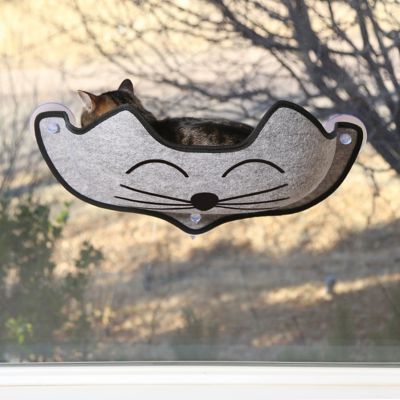
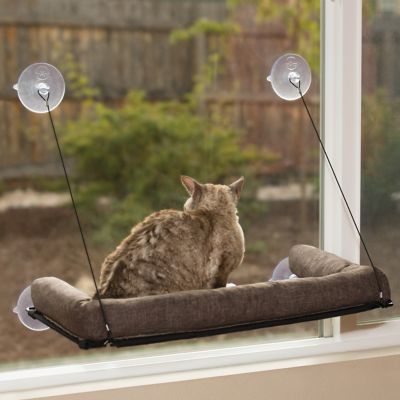
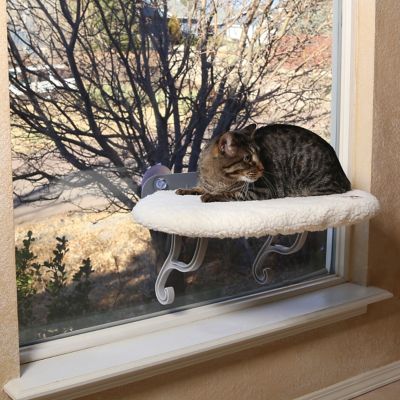
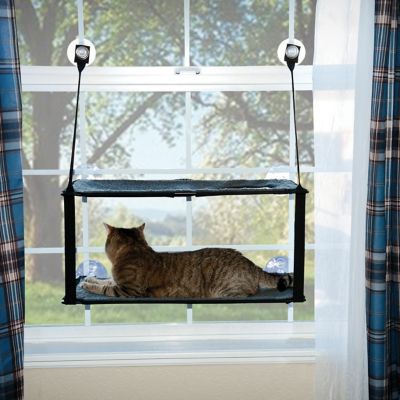
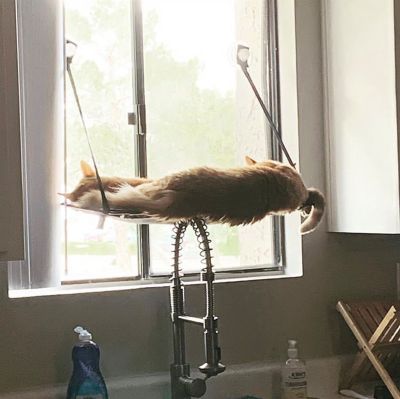
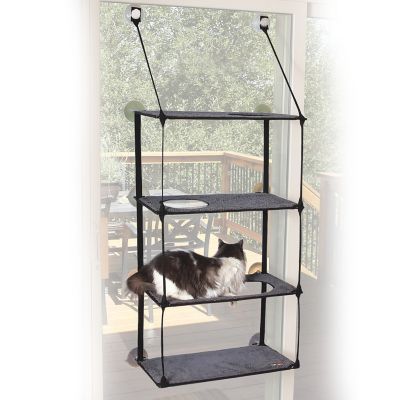
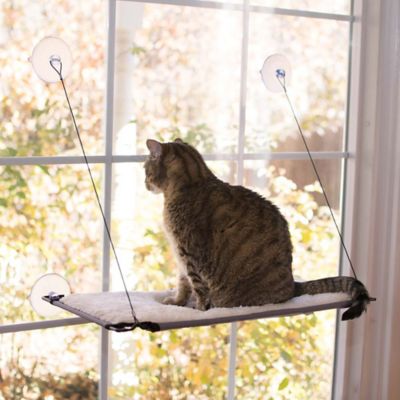
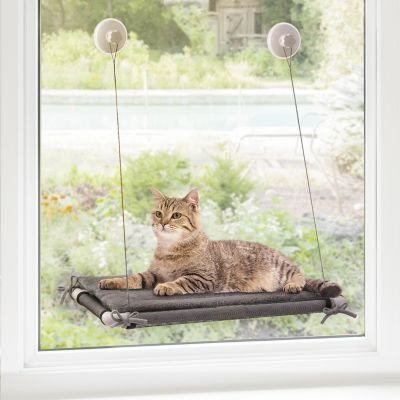
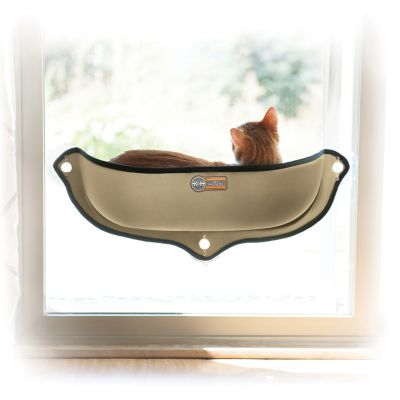
A suction cup cat bed is a window-mounted resting platform that attaches to compatible, smooth glass with suction cups, giving cats an elevated place to lounge and watch outside without taking up floor space. For a cat that spends half the day following birds along a fence line or keeping tabs on the front porch, that window seat can become a favorite spot in the house. The raised position gives curious cats a clear view while keeping their sleeping area away from foot traffic, swinging doors, and the bustle around a kitchen table. It can also make good use of a room where there is little space for a freestanding cat tree. Some cats prefer a flat perch where they can stretch from nose to tail, while others settle better into a sling-style bed that cradles their body. A broad sleeping surface suits a sprawler; a deeper shape may appeal to a cat that curls into a tight little ball. Dimensions matter just as much as the stated weight limit, since a long-bodied cat needs room to turn around and lie down without hanging over the edge. The usable resting area may be smaller than the frame’s outside measurements, especially when raised edges or support cords surround it. Window size and placement matter, too. A bed should fit the available glass without crowding handles, locks, or nearby furniture, and its projection into the room should leave a clear walking path. In a breakfast nook, beside a home office desk, or near a favorite living room window, a well-placed perch lets a cat stay close to the household while having a spot of its own. For indoor cats, the view adds interest to an ordinary day, with passing birds, moving branches, and activity around the yard offering plenty to watch. That makes the bed both a resting place and a simple way to add another level to a cat’s indoor space.
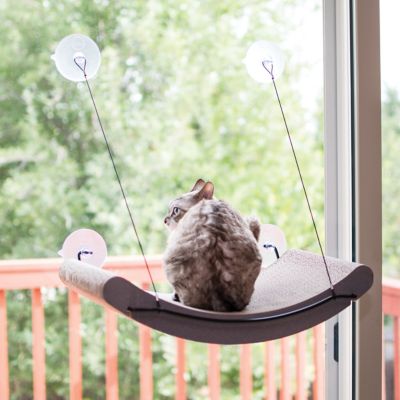
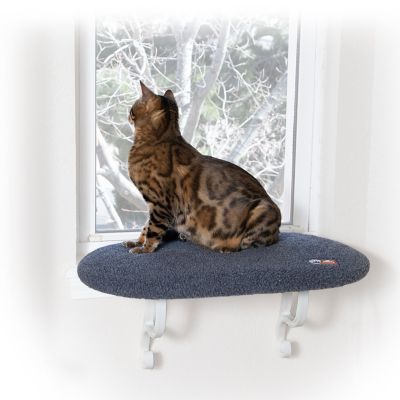
Construction affects how a suction cup cat bed feels, how it supports a resting cat, and how much attention it needs over time. Frames may be made from metal or rigid plastic, with fabric, mesh, or a padded cover forming the sleeping surface. Mesh can keep the platform lightweight and make loose fur easy to spot, while a fabric sling offers a softer, hammock-like feel. Padding adds cushioning, but it should fit the bed as intended rather than bunching beneath the cat or interfering with the supports. Support arrangements vary, with some designs relying on cords above the platform and others placing braces beneath it. That layout changes the space needed around the bed and the opening a cat has for climbing aboard. The suction cups themselves need the smooth, nonporous surface specified by the manufacturer; textured, cracked, or otherwise unsuitable glass is not a place to improvise a mounting setup. Clean glass and clean cups help the attachment work as designed, and any preparation, mounting, or waiting time should follow the bed’s directions. A listed weight capacity applies to the complete setup, including bedding and every cat that might climb onto it. Two cats sharing a window seat can put a very different load on the supports than one cat sleeping alone, and jumping onto the platform adds movement that deserves consideration. A lower position near a stable step or sturdy piece of furniture may make access easier for a hesitant cat, though cats with mobility concerns may be better suited to a bed closer to the floor. Nearby blind cords should stay out of reach, and the perch should not interfere with window operation or create access to an unsecured opening. Window screens are not a substitute for a secure barrier. Regular checks for shifting cups, loose connections, worn fabric, and cracked parts help catch changes before the next nap, especially in a busy home where the perch gets plenty of daily traffic.
Everyday care is part of keeping a window cat bed comfortable and ready for regular lounging. A removable cover can make cleanup simpler, but washing instructions differ: some fabrics allow machine washing, while others call for spot cleaning or hand washing. Following the care label helps protect the fit of the sleeping surface and any seams that carry weight. Loose hair, tracked litter, and the occasional paw print are easier to manage when the fabric is easy to reach and the frame can be wiped down without soaking parts that should stay dry. Suction cups also need periodic attention, since dust, fur, and residue can affect their contact with the glass. The bed’s instructions should determine how the cups are cleaned, checked, and reattached. Worn cups, fraying supports, or stretched fabric are reasons to stop access until the affected parts are addressed according to the manufacturer’s directions. For households with several cats, separate resting places can give each animal room to settle without competing for a single lookout. A cat that already naps on a windowsill may take to a mounted perch readily, while a cautious cat may need time to investigate it from a nearby stable surface. Leaving the bed accessible without placing the cat on it by force allows that choice to happen at the cat’s own pace. For gift giving, this type of bed makes the most sense when the recipient has a suitable window and a cat that enjoys climbing, perching, or watching the yard. Window measurements, the cat’s size, and the recipient’s comfort with routine attachment checks matter more than appearance alone. For another gift-focused starting point,
Cute Cat Bed for Holiday Gifts keeps the focus on a comfortable place to rest. Whether the bed is for a porch-watching tabby or a curious indoor companion, the best fit brings together enough lounging room, suitable support, manageable care, and a window worth watching.