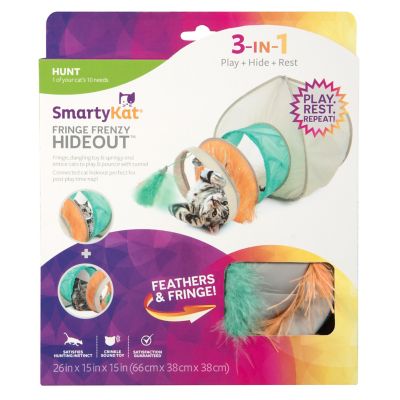
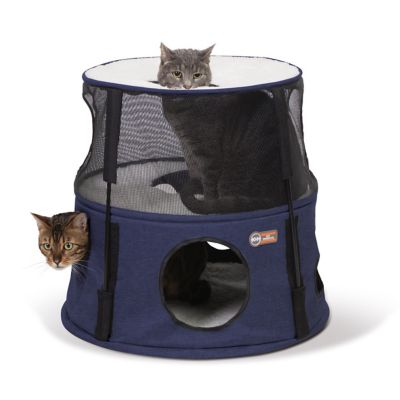
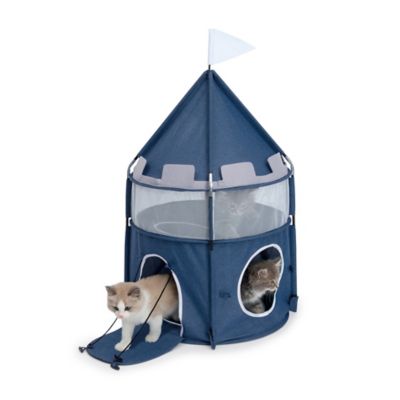
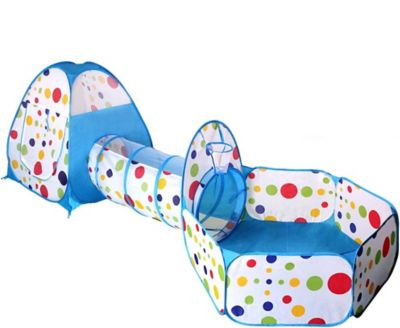
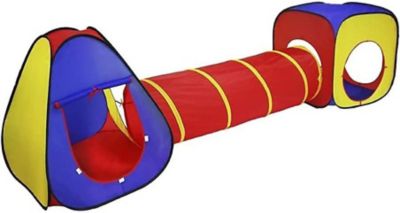
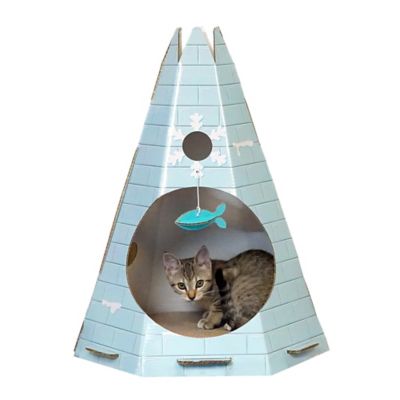
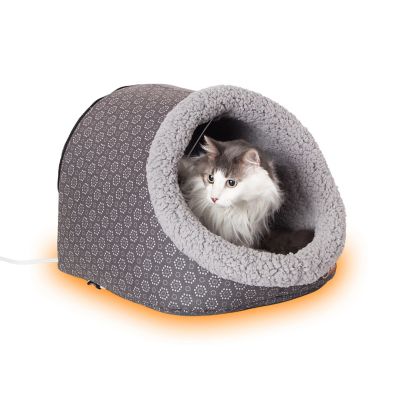
Cat play tents give cats a little space of their own for hiding, lounging, and turning an ordinary stretch of floor into a place to explore. These fabric or mesh structures range from compact indoor hideaways to larger enclosed playpens, with some designs connecting to tunnels for more room to roam. A tent can satisfy several familiar cat habits at once: slipping out of sight, watching the room from a sheltered spot, and waiting for just the right moment to pounce on a passing toy. For a cat that likes curling up beneath a chair or peeking out of a cardboard box, a covered play space offers a similar sense of shelter with a setup made for repeat visits. Indoor cat tents often have fabric walls and an open doorway, while outdoor cat enclosures generally have mesh panels and zippered openings. That distinction matters because a cozy hideout with an open front is not meant to keep a cat contained. Tunnel-and-tent combinations add another kind of play, giving curious cats somewhere to stalk, chase, and duck around a corner. A kitten may spend more time dashing through the entrance than resting inside, while an older cat might appreciate a quiet nook beside the family's favorite sitting spot. In a farmhouse living room, an apartment, or a tucked-away home office, the best fit depends less on the look of the tent than on how the cat likes to spend its day. Some cats want a clear view of everything happening nearby; others settle more readily behind mostly solid walls. Mesh offers visibility and airflow, while fabric panels create a more screened-off retreat. Neither style suits every cat, and a tent should offer a comfortable choice rather than become a place where an unwilling pet gets shut away. A familiar blanket and an open entrance can make that first inspection feel less like a big event and more like another stop on the cat's daily rounds.
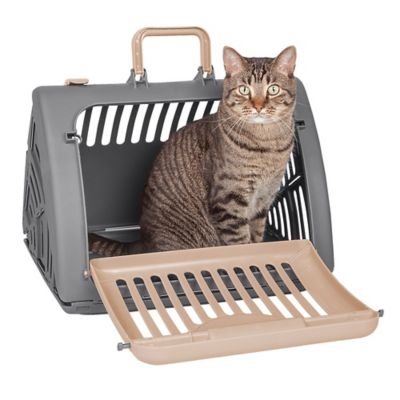
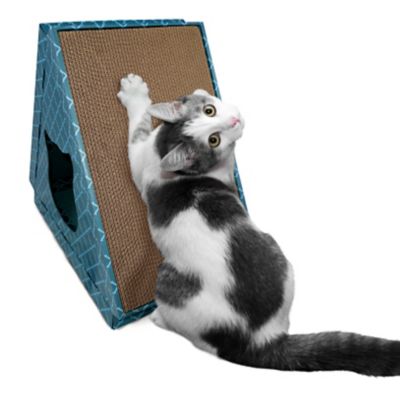
Size, construction, and placement all shape how well a cat play tent works at home. Floor measurements should leave enough room for the cat to stand, turn around, and stretch out without pushing hard against the sides. Entrance height matters, too, especially for a broad-shouldered cat or a senior pet that prefers stepping through a low opening instead of climbing over a raised edge. In a home with more than one cat, extra space and multiple exits can help keep a playful chase from leaving one pet cornered. Even then, separate resting spots may suit cats that do not enjoy sharing close quarters. Polyester and nylon fabrics are common choices for lightweight tents, and mesh panels let a cat look out while a person keeps an eye on the activity inside. Fabric weight alone does not tell the whole story about how a tent will hold up. Reinforced seams, firmly attached panels, protected frame ends, and smoothly closing zippers all deserve attention, particularly with cats that paw at corners or lean against the walls. No fabric tent is claw-proof, so keeping a scratching surface nearby gives those stretching paws a more suitable target. A flat base helps the tent sit properly, and a washable pad, where the design allows one, can add comfort without crowding the doorway. Pop-up frames can make setup straightforward, while pole-supported styles may take a little more assembly and provide a different shape or amount of headroom. Folding size also matters when the tent needs to tuck onto a closet shelf between play sessions. A carrying bag can keep the folded structure and its parts together, but a portable play tent is not a substitute for a pet carrier during a drive. Indoors, placement along a wall or near a familiar resting spot can feel more inviting than the middle of a busy walkway. Keep the entrance clear of doors, cords, and foot traffic, and allow enough surrounding space for the frame to open fully. A tent that gets squeezed between furniture may lose usable floor space or put unnecessary strain on its seams.
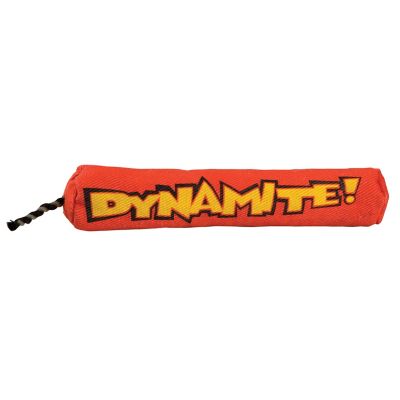
Play, cleanup, and supervision are part of getting everyday enjoyment from a cat tent. A small toy rolled just outside the entrance can encourage a hesitant cat to investigate without being lifted or pushed inside. For cats that enjoy batting and chasing,
Cat Spring Toys can add movement around an indoor tent, turning the doorway into a lookout for the next bounce across the floor. Match toys to the cat's size and habits, remove damaged pieces, and put away anything the cat tries to chew apart or swallow. Tunnels can extend the play area, but connecting openings need to match and fasten as intended; loose gaps or improvised attachments can create trouble. For outdoor use, only an enclosure specifically intended for that setting should serve as a contained play space. Set it on level ground away from vehicles, livestock, unfamiliar animals, and sharp objects, with shade and drinking water accessible. Follow the enclosure's anchoring directions and stay close enough to intervene. Mesh walls are not protection against a determined animal, and an outdoor tent should never become unattended housing. Back inside, routine care usually starts with shaking out loose litter and hair, wiping the floor, and checking folds where debris collects. Cleaning methods vary by fabric and frame, so follow the care label rather than assuming the whole tent can go in the washing machine. Removable bedding may have separate washing directions. Let every part dry completely before folding it away, and inspect mesh, seams, fasteners, and frame sleeves before the next setup. Stop play if a wire pokes through, a zipper separates, or a torn panel leaves an opening. For a gift, a cat play tent makes the most sense when the recipient's floor space, storage space, and cat's temperament are familiar. An easygoing lounger and a full-speed tunnel runner may enjoy very different layouts. With room to move, a suitable setting, and a little patient introduction, a tent can become that familiar place a cat heads for after making the rounds through the house.