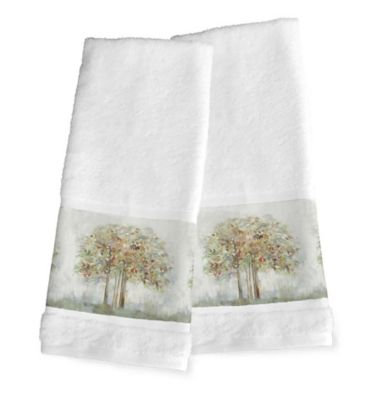
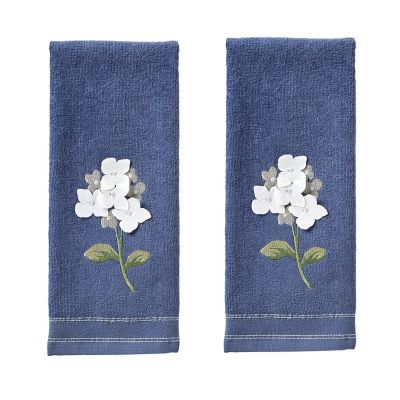
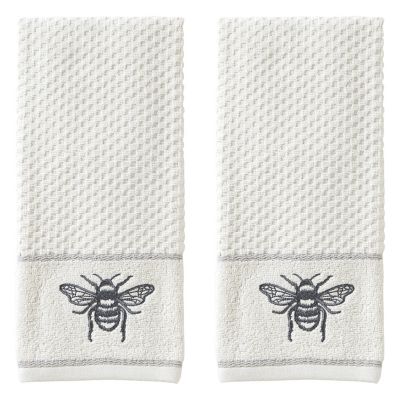
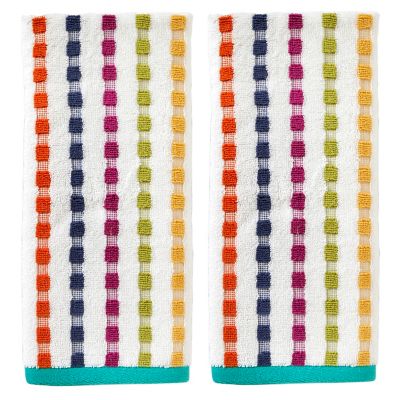
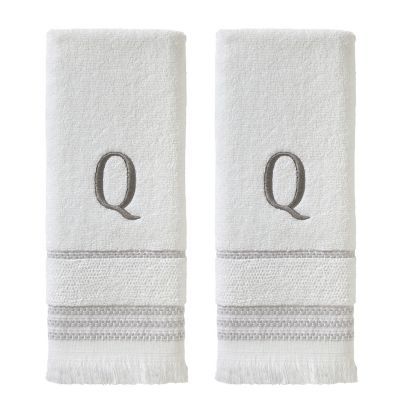
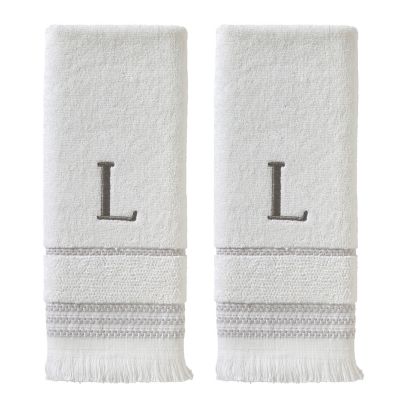
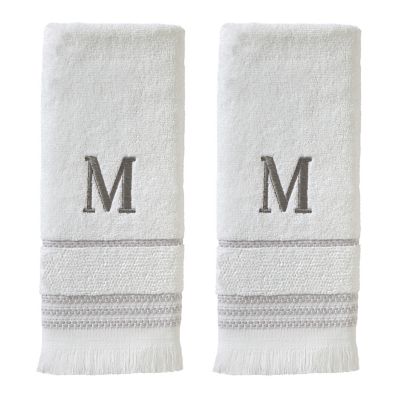
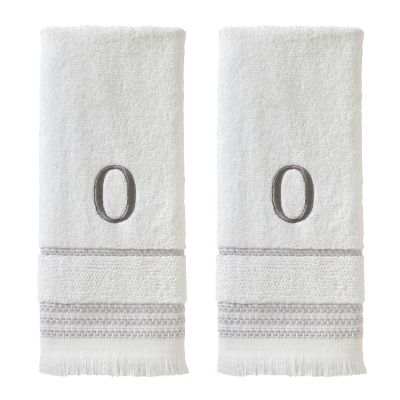
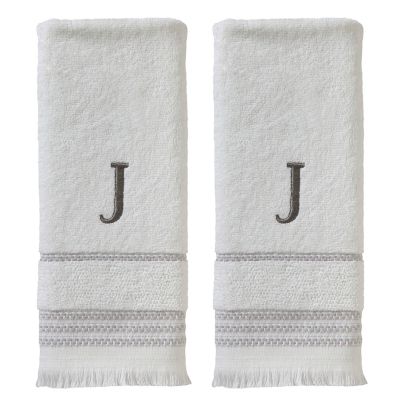
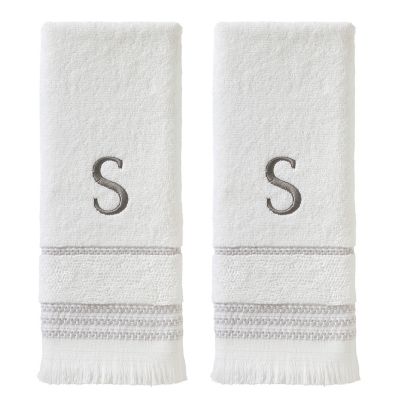
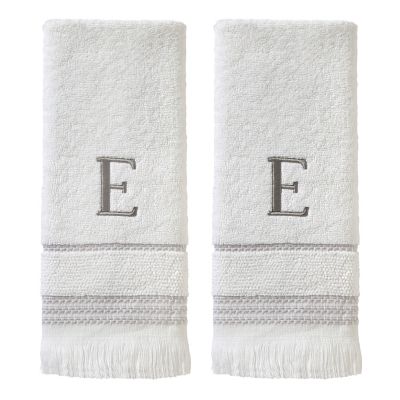
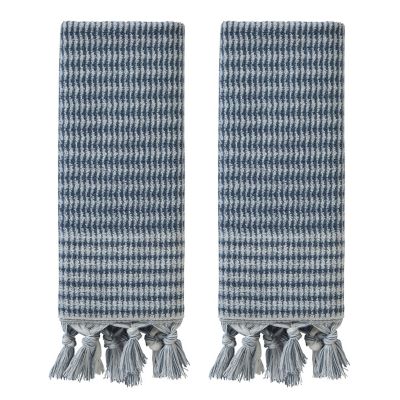
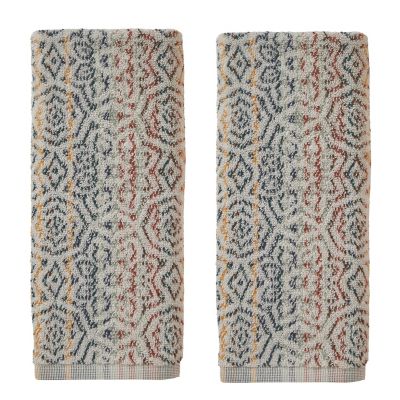
Spring bathroom hand towels bring soft color and garden-inspired patterns to the sink while giving family and guests a practical place to dry their hands. Florals, leafy stems, soft greens, pale blues, butter yellows, and blush pinks all fit the theme, whether the bathroom looks out over a pasture or sits down the hall from a busy family kitchen. These towels can lend a lighter feel to a room during the cooler months, too; a small spray of flowers against an ivory background doesn’t need warm weather outside to look at home. Their everyday job stays the same: absorbing water, feeling comfortable against the skin, and hanging neatly within reach of the faucet. Cotton terry is a familiar choice because its loops provide plenty of surface area to take up moisture. Cotton velour has a sheared, smoother face that can show off a design, often paired with a looped reverse for drying. Waffle weaves offer a textured alternative and may dry faster than thicker terry, depending on their fiber content, weight, and construction. Jacquard patterns are woven into the fabric, while printed designs put the artwork on its surface. Embroidery adds stitched detail, often near a lower border, leaving the main body of the towel open for drying. Each construction brings a different look and feel, so the fabric matters just as much as the flowers. A towel beside the main household sink gets a different workout from one hanging in a guest half bath. Frequent handwashing calls for an absorbent fabric with enough open drying space, while a lightly visited powder room leaves more room for detailed stitching or a bold border. For either setting, spring hand towels work best when their cheerful appearance goes hand in hand with a comfortable, useful drying surface. A pattern that looks good folded over a towel bar can bring a little color to a small bathroom without taking up any extra counter space.
Size, thickness, and placement make a real difference once a hand towel becomes part of the daily routine. Many bathroom hand towels measure around 16 by 28 inches or 16 by 30 inches, though dimensions vary, so measurements are worth checking against a narrow towel ring or a short wall bar. A longer towel can brush a wet countertop when folded through a low ring, while a thick towel may bunch tightly in a small holder. Enough clearance below the fabric helps keep the ends away from sink splashes and soap residue. Plush terry offers a cushioned feel, but more thickness isn’t always the better match for a bathroom with little airflow. A lighter or midweight weave can be easier to hang open between handwashing trips, particularly in a shared bath where someone is always coming in from chores, school, or the garden. Neat hems, even stitching, and firmly finished edges are useful details for towels headed into a regular laundry rotation. The layout of the pattern matters as well. A floral border near one end stays visible when the towel hangs lengthwise, while an allover leaf pattern can show through several different folds. Pale backgrounds bring an airy look, although they can make soil and makeup marks more noticeable. Multicolor patterns may make small marks less conspicuous, but any soiled towel still belongs in the wash. For a bathroom with wood cabinetry, cream-colored walls, or a simple metal towel bar, green stems and muted flowers can add color without making the room feel busy. Brighter blooms can stand out against plain tile, while a restrained stripe or woven botanical pattern suits a quieter setting. Coordinating doesn’t require matching every bath linen exactly; repeating one color from a shower curtain, bath mat, or wall finish can tie the space together. In a compact bathroom, a single patterned hand towel may be enough to carry the spring theme, with solid bath towels keeping the rest of the room easy on the eyes.
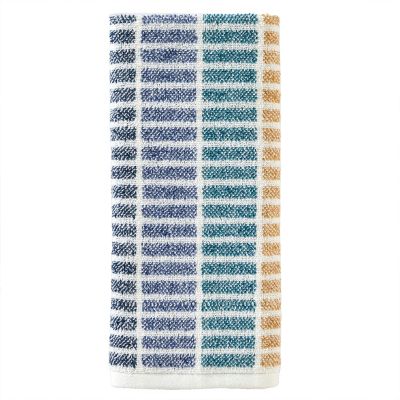
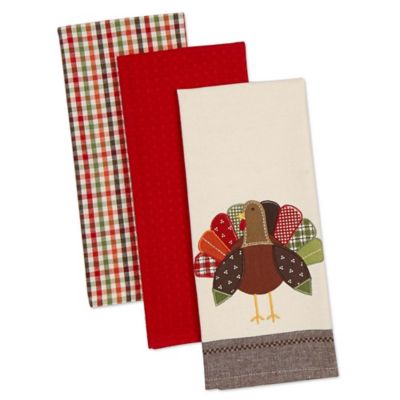
Care is part of what keeps spring bathroom hand towels pleasant to reach for after repeated washing. The care label should settle questions about water temperature, bleach, and drying heat, especially when a towel combines colored fabric with embroidery or trim. Washing before the first use helps remove loose lint and manufacturing finishes, and separating light fabrics from deeper colors can help prevent color transfer. Too much detergent can leave residue, while fabric softener can coat fibers and reduce absorbency. Towels need room to move in the washer and should dry fully before going into a linen closet. On a bar, spreading the fabric out gives moisture more room to escape than leaving it crumpled on the vanity. Switching to a fresh towel whenever one stays damp, develops an odor, or becomes visibly soiled keeps a busy sink more inviting. A few towels in rotation also make it easier to keep one by the faucet while another is in the laundry. That matters in a household where muddy boots stop at the back door but handwashing continues all day, from feeding animals to getting supper started. Spring-themed bathroom towels can also make a thoughtful housewarming or host gift, especially for someone who enjoys gardening, soft colors, or a country-style home. Simple patterns and straightforward care requirements tend to make gifting easier when the recipient’s bathroom layout or laundry habits aren’t familiar. For a guest bathroom, placing a fresh towel where it is easy to spot helps visitors feel comfortable without having to search through a cabinet. Seasonal textiles can carry a different mood in each room, with flowers by the bathroom sink and
Fall Dish Towels bringing harvest colors to the kitchen. Bathroom hand towels and kitchen dish towels serve different jobs, so keeping separate sets makes sense even when their colors coordinate. Softness, absorbency, manageable care, and a pattern that feels at home are what turn a spring accent into an everyday part of the house.