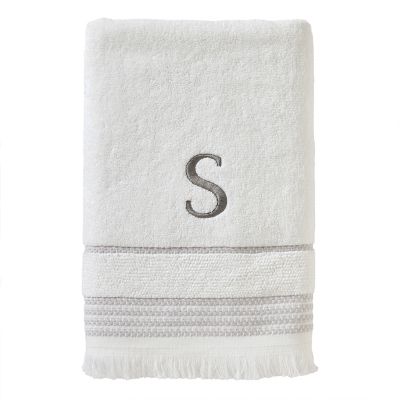
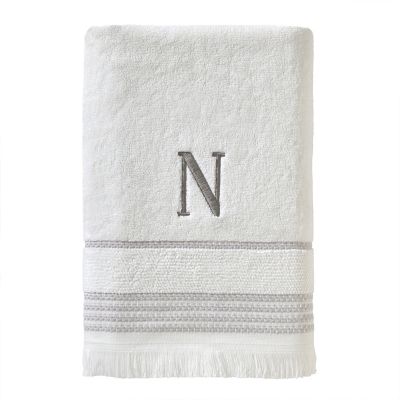
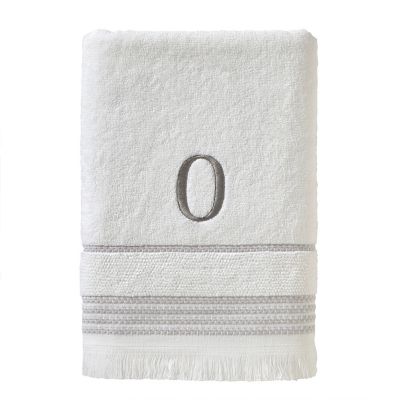
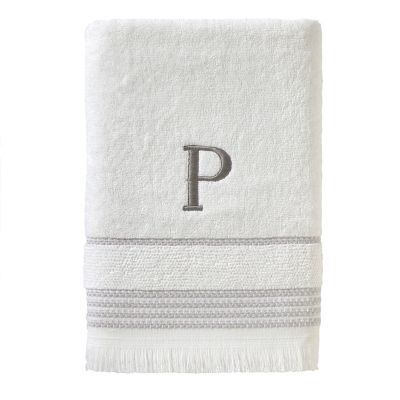
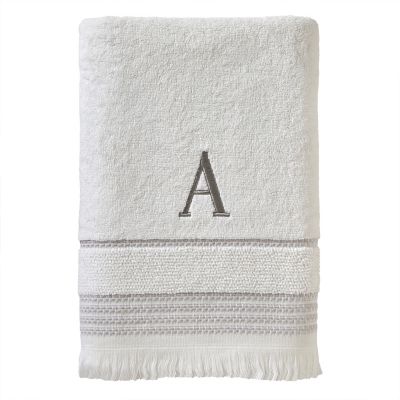
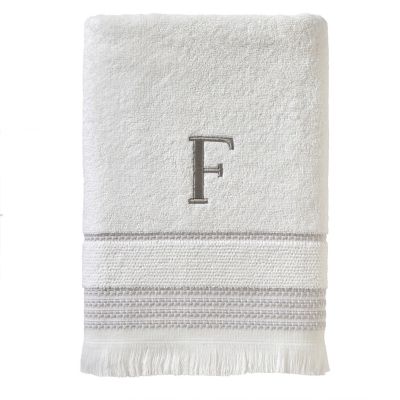
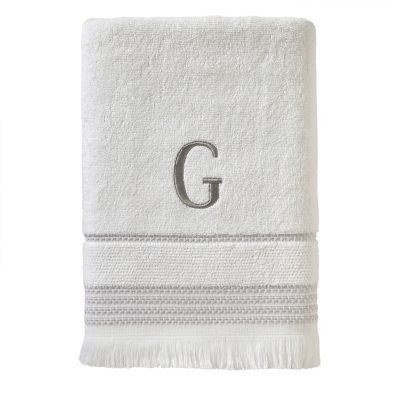
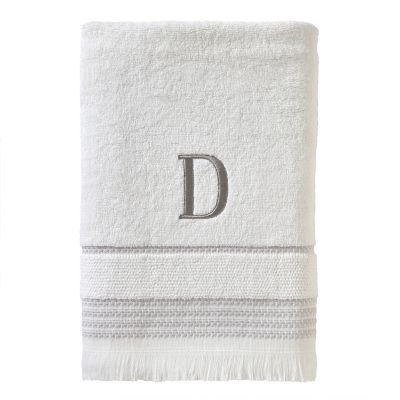
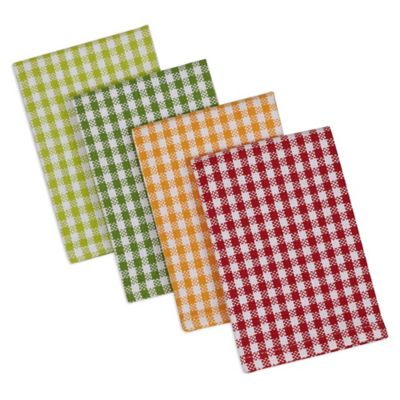
Bath towels are absorbent fabric towels made for drying your body after a bath or shower, most often from cotton or cotton blends. The right towel feels comfortable against your skin, gives you enough coverage and fits into the way your household handles laundry. For a shower after chores, a child’s bath before bed or a guest settling in for a visit, those everyday details matter more than fancy descriptions. Cotton terry is a familiar choice because its raised loops provide plenty of surface area to take up water. A 100% cotton towel can offer a soft feel and good absorbency, though the yarn, weave and fabric weight also affect its performance. Long-staple cotton has longer fibers that can be spun into smoother yarns, while ringspun cotton describes a spinning process that helps create a smooth, consistent yarn. Egyptian and Turkish cotton are common material descriptions, but fiber origin alone does not tell you how thick, soft or absorbent a finished towel will be. Cotton blends may include polyester or other fibers that influence drying time, wrinkle resistance and feel, so the fiber label is worth a look. Microfiber towels offer another option when a lighter, compact towel suits the job, although their texture differs from cotton terry. Size makes a difference, too. Many standard bath towels measure roughly 27 by 52 inches to 30 by 58 inches, while bath sheets often start around 35 by 60 inches and provide more room to wrap up. Dimensions vary, so actual measurements are more helpful than the size name alone. A standard towel is easier for many children to manage and takes less space on a bathroom hook. A larger bath sheet offers extra coverage for adults but needs more room in the washer, on the towel bar and in the linen cabinet. Hand towels and washcloths serve separate jobs, making them useful companions rather than replacements for a full-size bath towel.
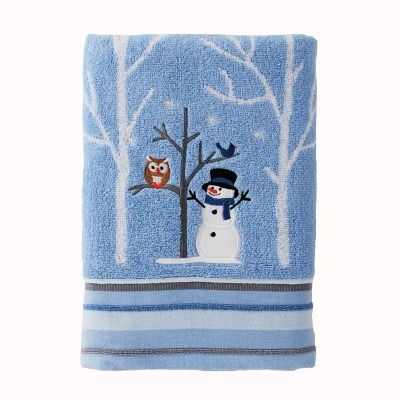
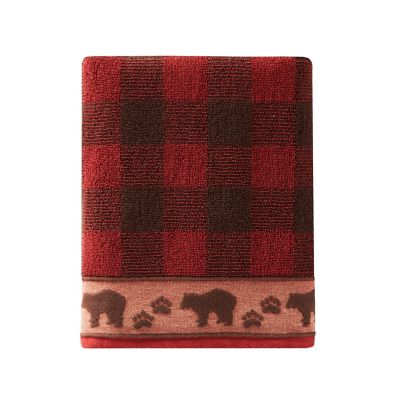
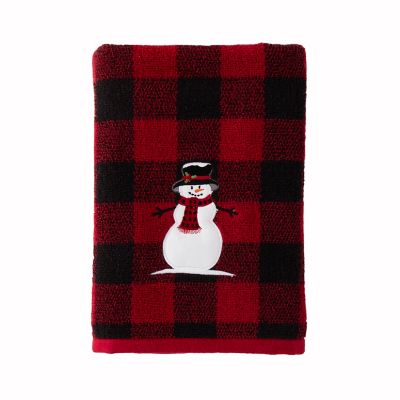
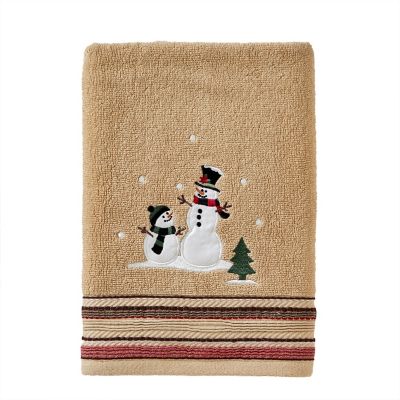
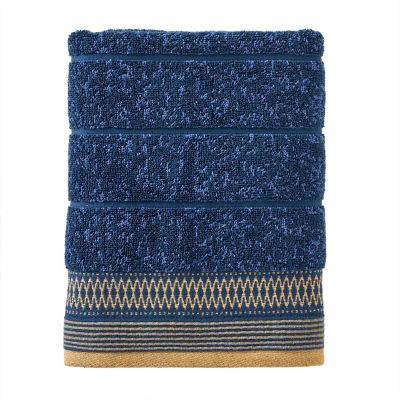
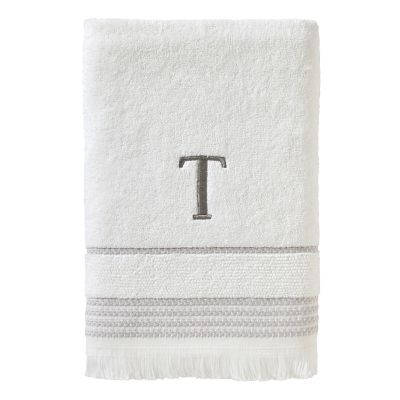
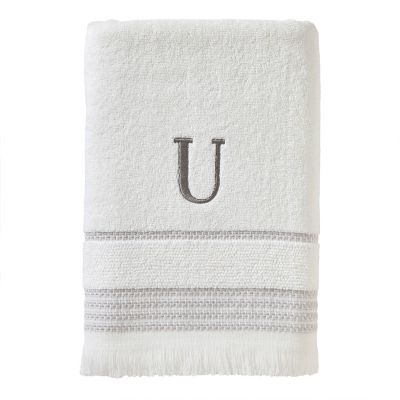
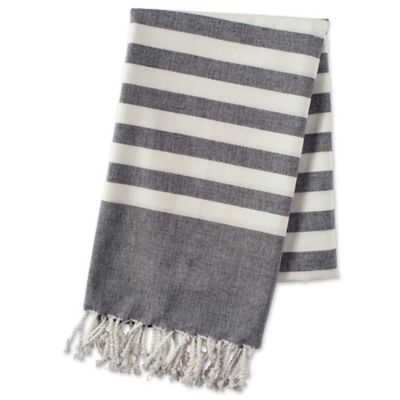
Fabric weight helps explain why two bath towels of the same size can feel so different. GSM stands for grams per square meter and measures the weight of the fabric over a set area. Towels around 300 to 400 GSM generally feel lighter and tend to dry sooner than heavier towels of similar construction. A range of about 400 to 600 GSM often provides a middle ground between absorbency, thickness and drying time, while towels around 600 to 900 GSM tend to feel fuller and more plush. These ranges are general comparisons, not a promise of softness or performance; fiber content, loop structure, airflow and laundering all play a part. A thick towel can feel pleasant after a long shower, but a lighter towel may be a better match for a shared bathroom where several towels need room to dry. Terry cloth has loops across its surface for a cushioned feel, while waffle weave has a textured grid and generally offers a lighter, less bulky feel. Some towels combine a terry body with a flat woven border, adding a different texture along the edge. Firm hems, tidy stitching and securely formed loops are worth considering for towels that will go through frequent wash cycles. Long loops can feel plush, though they may catch on jewelry or rough surfaces. Color and pattern have practical roles as well. Different colors can help family members keep track of their own towels, and a coordinated set gives a guest bathroom a tidy, settled look. White towels make stains easy to spot, while darker shades may show lint or fading more readily. Neither choice replaces regular washing. Bath towel sets can also make a thoughtful gift for a wedding, a first apartment or a move into a new home, especially when the sizes and care needs fit the recipient’s routine. For someone heading to college or sharing a bathroom, manageable dimensions and straightforward laundering may matter more than extra thickness.
How bath towels hold up depends partly on their construction and partly on everyday care. Washing new towels before their first use helps remove finishing residues and loose lint, allowing the fabric to settle into its regular feel. The care label should set the washing and drying routine, including water settings, bleach restrictions and whether machine drying is appropriate. Too much detergent can leave residue behind, and fabric softener or dryer sheets can coat fibers and reduce absorbency. Towels need enough room to move through the wash and rinse rather than being packed tightly into the drum. Washing them apart from garments with hooks, open zippers or rough fasteners can help prevent snags, while separating light and dark colors helps limit color transfer. Some shedding can happen with new cotton towels, but ongoing heavy lint or unraveling edges deserves attention. High dryer heat and unnecessary drying time can be hard on fibers, so a label-approved setting and removal once the towels are dry can help preserve their feel. Between washes, spread a damp towel over a bar or rack where air can reach it instead of leaving it bunched on the floor or folded over itself. A thick bath sheet needs enough hanging space to open out; a narrow hook may leave several layers pressed together. Clean towels should be completely dry before going into a cabinet, since trapped dampness can lead to musty odors. For bathrooms short on open shelving,
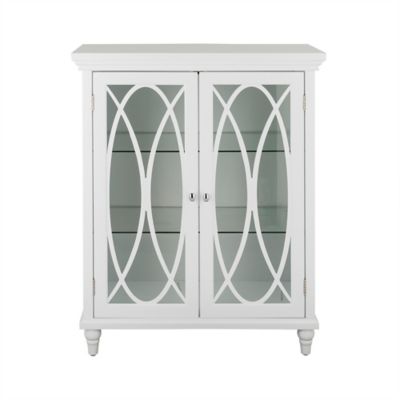
bathroom towel storage cabinets can keep folded towels together and within easy reach. Shelf depth and spacing matter when storing larger bath sheets or thick terry stacks. Keeping a clean towel ready while another is in the wash makes everyday routines easier, whether the bathroom serves one person or a houseful. With the right balance of size, absorbency, fabric weight and manageable care, bath towels can earn their place in the daily rotation without making laundry or storage more complicated.