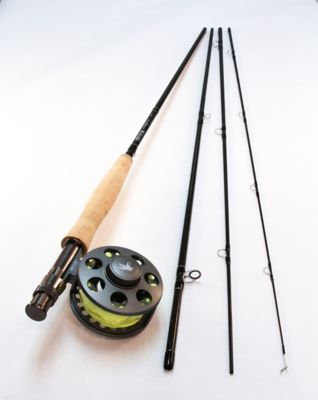
Fishing gear should feel right whether the plan is an hour at the farm pond, a walk along a creek bank, or a full day on the lake. A well-matched rod, reel, and line make casting more comfortable and help keep a hooked fish under control. Rod length matters around familiar fishing spots: a shorter rod is easier to handle beneath overhanging limbs or beside a crowded dock, while a longer rod can provide extra casting reach and line control from an open bank. Power describes the load a rod is built to handle, and action describes where it bends, so both deserve attention alongside the recommended line and lure ranges. Exploring
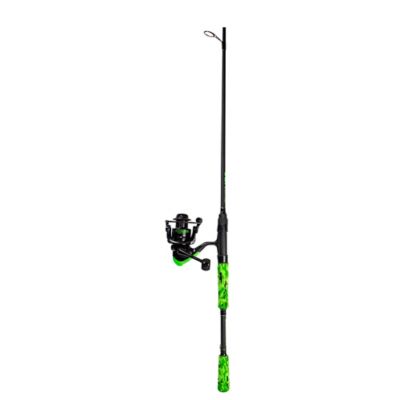
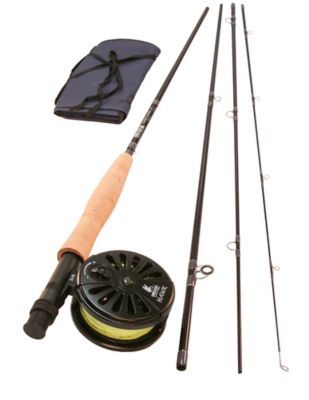
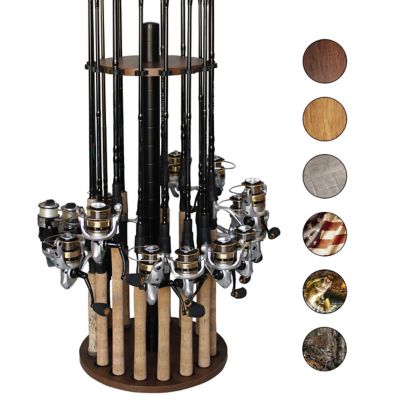
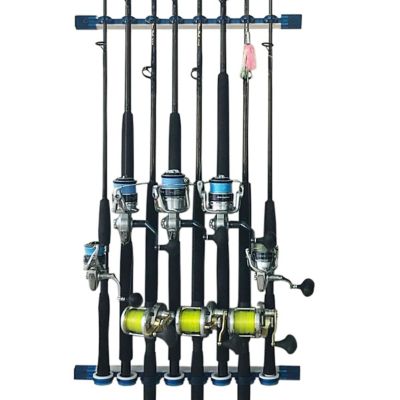
fishing rods for fishermen with those details in mind helps connect the equipment to the way someone actually fishes. Fiberglass generally offers a forgiving bend, graphite often provides a lighter feel and greater sensitivity, and composite construction balances characteristics of both materials. Comfortable cork or EVA foam grips can make a difference through repeated casts, especially when handle length and reel placement suit the angler’s hands. Reel choice belongs in that same conversation. Spincast designs offer straightforward operation for newcomers, spinning reels work well across many lighter presentations, and baitcasting reels give practiced anglers direct control over spool speed. A smooth drag helps manage sudden pulls without putting all the strain on the line. Reel weight, handle position, line capacity, and the balance of the assembled outfit matter more than looks alone. Children and smaller anglers benefit from manageable rod lengths and grips that do not force an awkward reach. For anyone spending long stretches casting, equipment that rests comfortably in the hand can mean less fatigue and better control. A setup matched to its purpose feels at home from the first cast, rather than making every retrieve a chore. Line choice rounds out that balance, with the rod’s guides and reel spool working best when line diameter and strength stay within the equipment’s stated range.
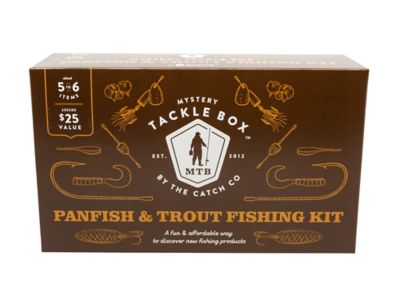
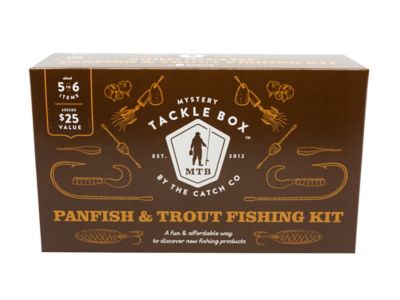
The smaller pieces of fishing tackle have a big job, from presenting bait naturally to keeping the connection secure when a fish heads toward cover. Hooks, sinkers, floats, swivels, and leaders serve different purposes, and the right combination depends on the target fish, water depth, current, and bait or lure. A modest float can make a light bite easier to notice, while properly matched weight helps a bait reach the intended depth without overwhelming the rest of the rig. Hook size should complement both the bait and the fish rather than simply being as large as possible. Sharp points, sound knots, and line without nicks help the whole setup work together. Nylon monofilament offers stretch and straightforward handling, braided line provides strength in a thin diameter with little stretch, and fluorocarbon can serve as a less noticeable leader in clear water. Each material has its place, and knot compatibility matters when different lines meet. Artificial lures bring another layer of choice through profile, movement, running depth, and retrieve speed. Small presentations can suit panfish near a dock, while heavier tackle may be appropriate for larger fish or dense cover. Bright finishes, natural patterns, rattles, and soft materials give anglers ways to match different water conditions without needing every style in the tackle box. Metal components deserve attention, too. Corrosion-resistant finishes and stainless steel parts can help limit rust, though no finish replaces routine care. Saltwater outings call for equipment intended for that environment and a gentle freshwater rinse afterward, following the maker’s care directions. Freshwater gear also benefits from having mud, grit, and plant debris removed before storage. Hooks and split rings need occasional inspection for bent sections, rust, or damage. Keeping tackle clean and dry helps preserve its function and prevents one wet compartment from becoming a box full of rusty points. That practical upkeep supports dependable performance without making fishing feel like another long chore list.
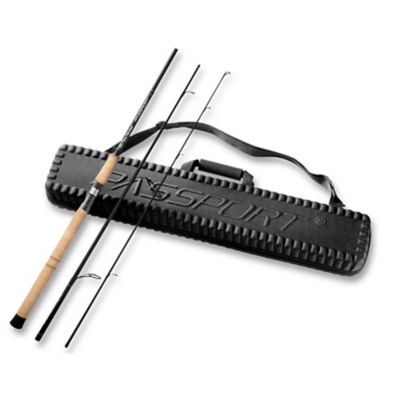
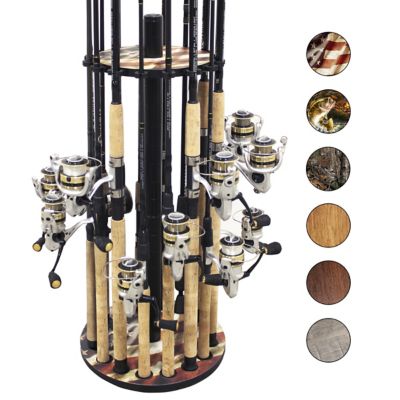
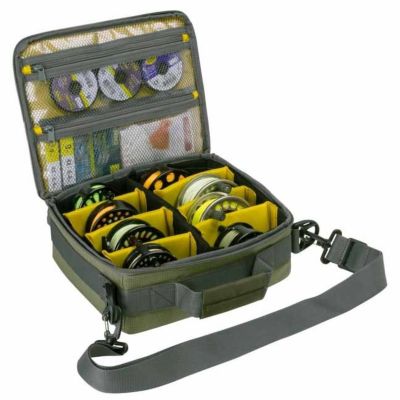
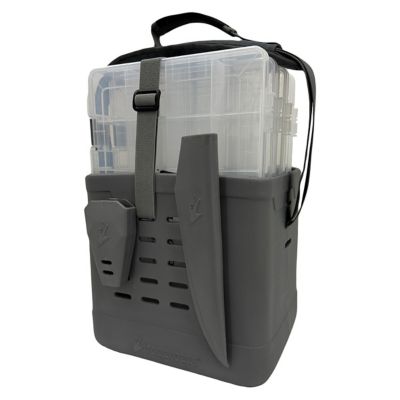
Good fishing equipment also includes the pieces that make getting there, staying organized, and heading home less of a hassle. A tackle bag with a comfortable strap suits a walk down a pond path, while a box with firm latches and divided compartments keeps small tackle separated during a truck ride. Removable trays make it easier to carry only what fits the trip, and compartments sized for longer lures help protect finishes and hooks from tangling together. Tough fabric, reinforced seams, sturdy hinges, and easy-to-clean surfaces are worth considering anywhere gear may meet gravel, mud, or a crowded boat deck. Rod sleeves and protective cases help shield guides and tips in transit, especially when fishing equipment shares space with tools or other outdoor gear. A landing net matched to the fish’s size can make bringing it alongside the bank or boat more manageable, and a smooth, fish-friendly mesh helps reduce tangles and contact with the fish’s protective slime layer. Pliers, line cutters, and hook-removal tools belong within easy reach, with sharp edges and exposed points secured away from children. On the water, a properly fitted, Coast Guard-approved life jacket is an essential part of the outfit; the right fit allows movement without riding up or slipping off. Fishing licenses, local regulations, access rules, and harvest limits remain part of planning any outing, even at a familiar spot. For gift giving, a recipient’s usual fishing location, experience level, and existing equipment provide better direction than appearance alone. A comfortable, straightforward outfit may suit someone learning to cast, while an experienced angler may appreciate gear that fits an established technique. Care after the trip ties it all together: loosen the reel drag for storage when recommended, let bags and tackle dry, and support rods where tips will not be crushed. Equipment chosen around real habits and cared for between outings stays ready for another stop at the water, whether that means a quiet hour alone or time spent helping a youngster land a first fish.