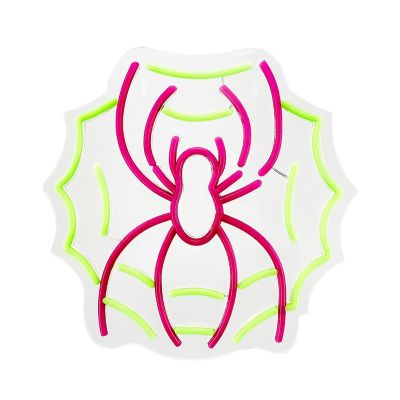
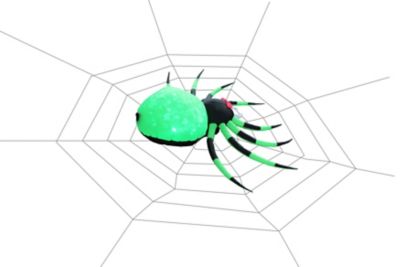
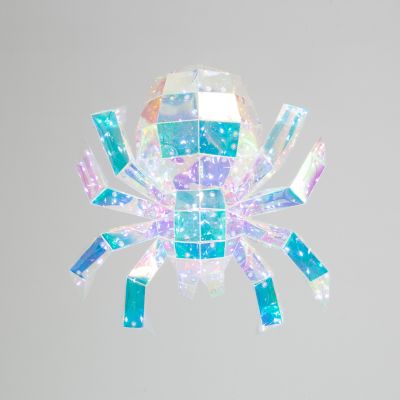
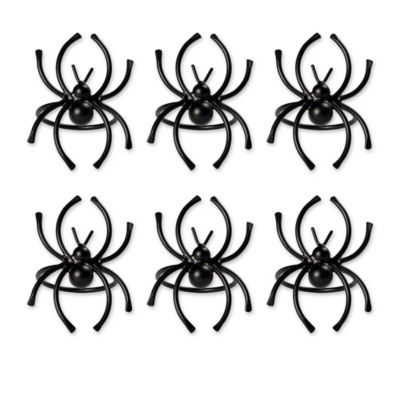
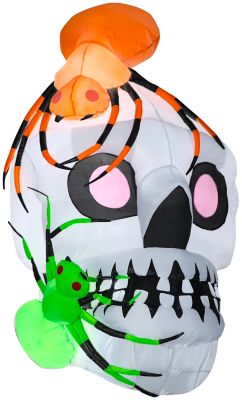
Spiders for Halloween displays range from small tabletop accents to yard-size props with legs that stretch across a porch rail. The same eight-legged shape that gets a laugh next to the candy bowl can look downright spooky perched high against a light-colored wall. Size has a lot to do with where the spider will be seen. A little one tucked among pumpkins is easy to spot at arm’s length, while a wide-legged spider is easier to make out from the end of a long driveway. For a display meant to be seen from the road,
Giant Halloween Spiders can set the scale for the whole scene. The body measurement tells only part of the story: the full leg span is what matters along a narrow porch, across a picture window or above a doorway. Poseable legs can sit low on a shelf or arch up for a taller profile. A spider with fixed legs takes up the same amount of room no matter how it’s turned, which makes it easier to plan a spot on a mantel crowded with pumpkins. Color affects how well the shape shows up, too. Black legs stand out against white siding or a pale web, but they can all but disappear against dark barn boards. Brown and gray bodies blend in with straw and leaves, giving folks something to spot on a second look. Big eyes and a round body give a spider a friendlier look for a family gathering, while long, sharply bent legs are more at home in a spooky barn scene. One big spider can fill an otherwise bare stretch of fence, and a row of smaller spiders in a front window can look like they’re headed somewhere without taking up much room.
Molded plastic can give a Halloween spider a crisp outline, right down to the tips of its legs, and a smooth surface is generally easier to wipe down than a fuzzy one. Fabric-covered spiders show more texture up close, especially when the porch light catches the fuzz along the legs. A lightweight foam body makes sense for a hanging display where weight matters, while a firmer body may be a better fit for a tabletop that gets bumped now and then. In some poseable spiders, a flexible wire inside each leg helps it hold a bend, though bending the same spot over and over can wear it out. Sturdy seams and solid leg connections are worth a look on pieces that come out for Halloween year after year. Where the spider goes matters just as much as what it’s made of. A fabric spider that does fine in a window might not be made to spend a night out in the rain, and even a covered porch can catch wind and blowing rain. Open lawns and fence lines call for spiders rated for outdoor placement, with a way to secure them so a gust doesn’t send them skittering across the yard. A hanging loop lets the body carry the weight instead of putting it all on one leg. A spider looks right at home against a web, but wispy webbing works better as a backdrop than as a support for a heavy prop. At a busy entry, a good fit leaves room for the screen door to swing and keeps the steps clear for trick-or-treaters who can’t always see their feet beneath a costume. Smaller spiders can perch on a side table or shelf, with loose parts and thin legs kept out of reach of young children and curious pets. For light-up styles, the power source and any cord need to suit the spot, especially outdoors where the ground may be damp.
At a Halloween supper, a low spider can peek out from between gourds without blocking anyone’s view across the table. At a trunk-or-treat, a bold shape perched high at the back of the trunk can still show above a line of costumed kids, while a hanging spider fits a community party backdrop where the floor needs to stay clear. In a front window, wide gaps between the legs make for a clearer silhouette than legs pulled in tight to the body. That can make more of a difference after dark than fuzzy feet or markings on the back, details that are easier to appreciate indoors or on a well-lit porch. For a gift, a small spider with a playful face is a good fit for a Halloween host who likes to dress up the snack table. A big yard spider suits somebody who looks forward to giving the neighbors a good scare every year. It’s worth thinking about where that spider will live between Halloweens, too. A wide body with rigid legs needs more space on a shelf than a flexible style with legs that tuck in without sharp bends. After the display comes down, a soft brush can lift dust and bits of webbing from fabric, and a damp cloth can clean many hard surfaces if the care directions allow it. Outdoor props need time to dry all the way through before they go into a closed tote, particularly around seams or folds where moisture can linger. A little room around a fuzzy body keeps it from getting mashed flat, and a bin that closes keeps stray legs from snagging on other pieces. That makes it easier to pull the spider out by the body, legs and all, when it’s time to give it another spot on the porch.