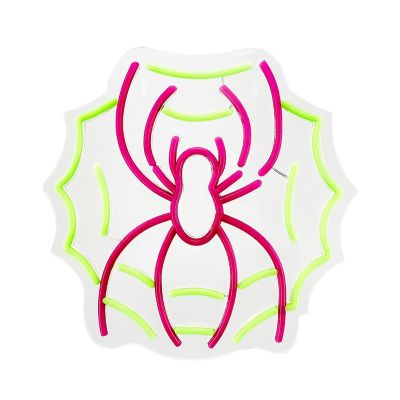
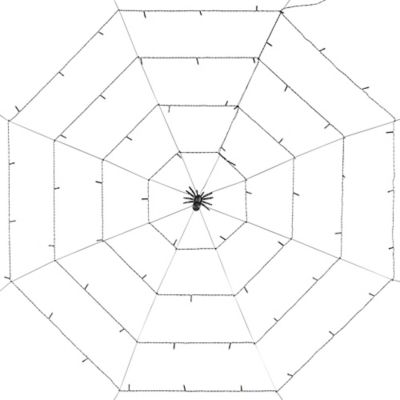
Giant Halloween spiders are oversized spider props that turn a porch, yard or party space into a spooky scene with one big focal point. Their long legs and broad silhouettes make them easy to spot from the driveway, while hairy bodies, dark coloring and oversized eyes add detail for visitors coming up the walk. Designs can range from soft-bodied spiders with bendable legs to rigid figures and air-filled shapes that stretch several feet across. A stated size may refer to the full leg span rather than the body alone, so the overall measurements tell more about how a spider will fit than a photo by itself. A wide spider can fill an open patch of lawn, while a smaller footprint may suit a porch corner without crowding the steps. The effect depends on placement as much as size: a spider crouched beside a fence feels different from one positioned near a web stretched between porch posts. On a property with a long approach, a bold outline carries farther than fine details; near the front door, fuzzy legs and a convincing crouch give guests something to notice up close. Black and brown spiders blend into shadowy scenes, while brighter accents can stand out against siding, straw bales or a pale fence. Giant Halloween spiders work for neighborhood trick-or-treating, barn parties, school celebrations and home displays, with the level of fright matched to the crowd. A still, cartoonlike spider generally creates a gentler welcome than a figure with sudden movement or startling sounds. A coordinated spread of
Halloween Outdoor Spider Decorations can carry the theme from the yard to the porch, with the largest spider serving as the centerpiece. Leaving some open space around that main figure helps its legs and shape stand out instead of disappearing into a crowded scene.
Materials and construction make a difference in how a large spider looks, feels and holds its position. Fabric-covered bodies may have a fuzzy finish that softens the outline, while molded plastic parts can give eyes, fangs and joints a more defined shape. Foam components keep some designs light enough to reposition easily, and internal wire or metal framing may support bendable legs. Poseable legs allow a crouching stance, a reaching gesture or a broader spread, although they still need the support described in the product’s setup directions. A leg that bends for shaping is not necessarily a hanging point, and lightweight construction does not mean a spider can sit unsecured in an open yard. Outdoor suitability depends on the whole design, including its covering, seams, frame and any electrical components. An indoor-only spider belongs in a sheltered indoor setting rather than on a porch exposed to blowing rain. Even outdoor-rated figures can have limits for wind, moisture and placement, so the stated care and exposure requirements matter. A broad body and long legs can catch gusts, especially beside an open field or at the end of a driveway. Ground stakes, tethers or mounting hardware need to match the design and the surface beneath it. Porch rails, siding and fence boards also call for attachments that hold without damaging the surface; a mounting method intended for soil will not solve the same problem on concrete. Fit includes the space around the spider, not just the spot beneath its body. Doors need room to swing, handrails need to stay within reach, and walkways need enough clearance for visitors carrying treat bags or helping young children. Legs and webbing look best when they stay out of foot traffic rather than reaching across the path. For a busy front entry, a spider set beside the steps can deliver plenty of fright while keeping the route to the door clear.
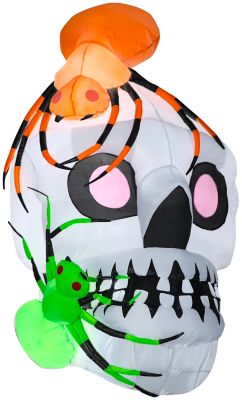
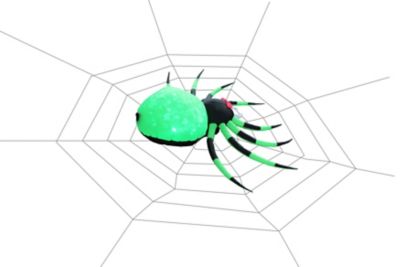
Lighting, movement and power needs shape how giant Halloween spiders function after dark. A static figure can make a strong impression with nearby lighting that catches the body and leg edges, especially against a plain wall or open section of lawn. Too much light behind a fuzzy spider can hide its face, while a light aimed toward arriving guests can create glare instead of highlighting the scene. Designs with built-in lights, sound or motion add another layer, but their features bring practical considerations such as battery access, outlet distance and activation settings. Sound effects that suit a large party may feel out of place on a quiet porch where small children stop for candy. Inflatable designs generally need a blower and a steady power supply to hold their shape, along with the anchoring specified for the figure. Outdoor electrical connections and extension cords need ratings suited to their location, with cords routed away from walking areas and protected as directed. A convenient outlet is only part of the picture; there also needs to be room for the blower intake and an unobstructed area around the figure. Care after Halloween helps preserve the spider’s shape and finish for another display. Fabric, faux fur, plastic and electrical parts have different cleaning needs, so a gentle wipe or light brushing may be suitable where soaking is not. Drying everything fully before storage helps prevent trapped moisture from becoming a problem. Bendable legs are better folded along their intended joints than forced into sharp kinks, and bodies benefit from storage that keeps heavier boxes from crushing them. Stakes, cords and fasteners are easier to find again when packed with the figure. For a friend or neighbor who enjoys setting up a Halloween yard, a giant spider can also make a fun gift when its footprint, setup demands and storage needs suit the space. The best match is a spider that looks right in the scene and fits comfortably into the way that household celebrates.