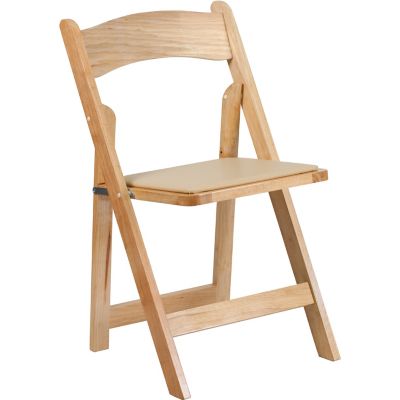
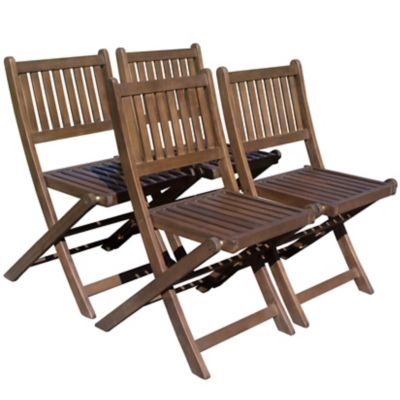
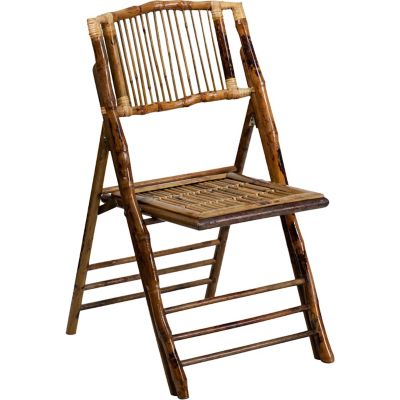
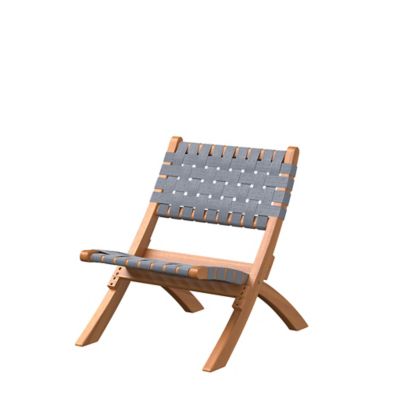
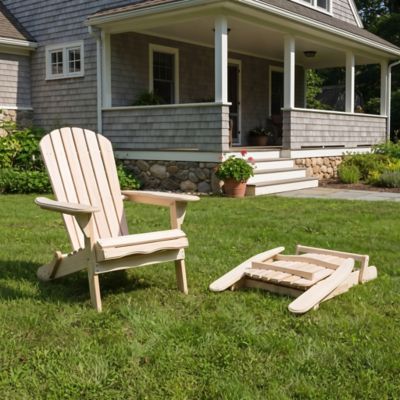
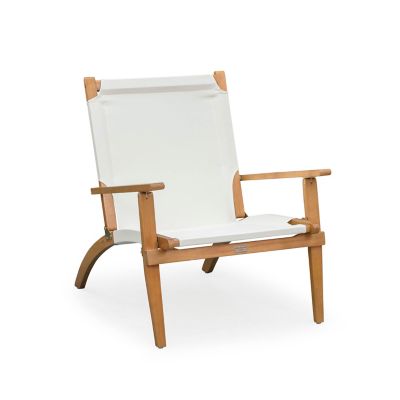
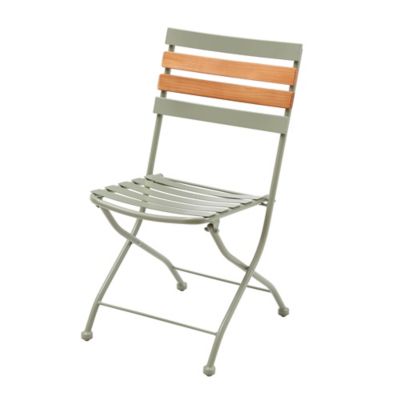
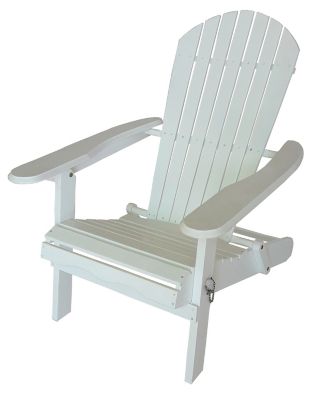
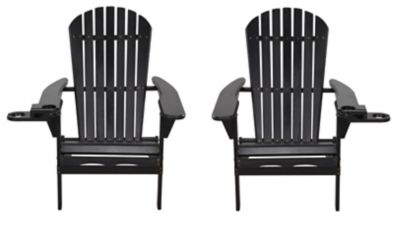
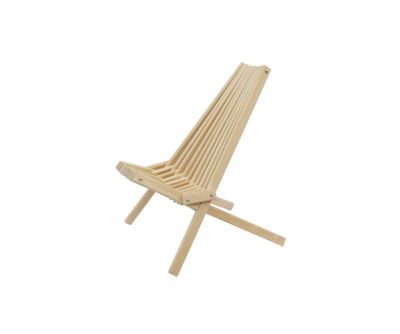
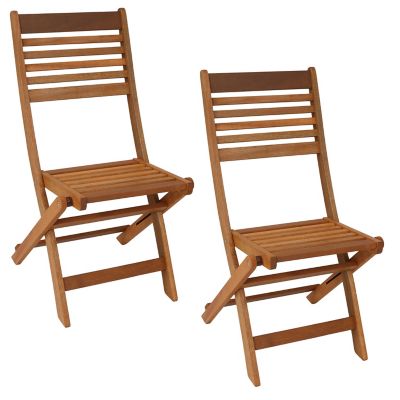
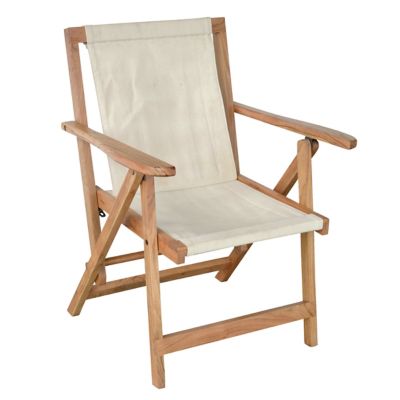
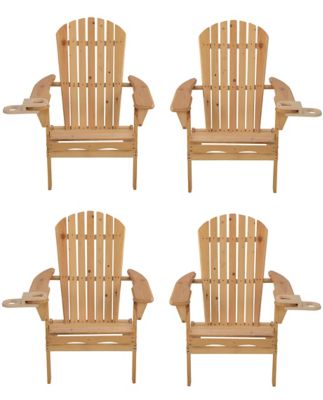
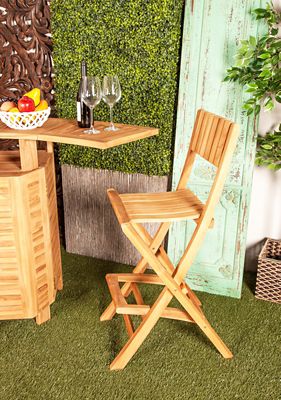
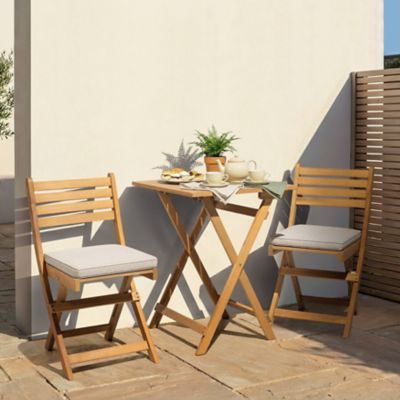
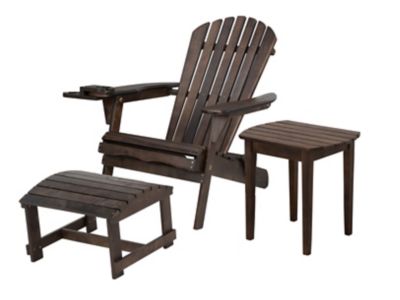
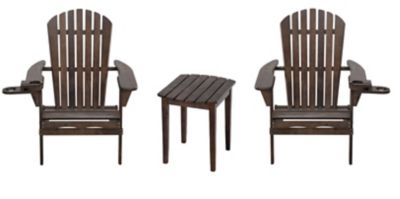
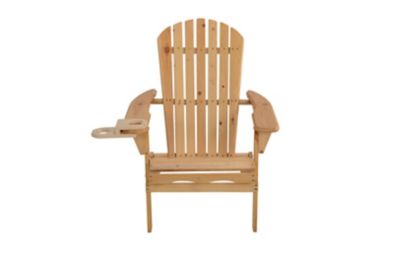
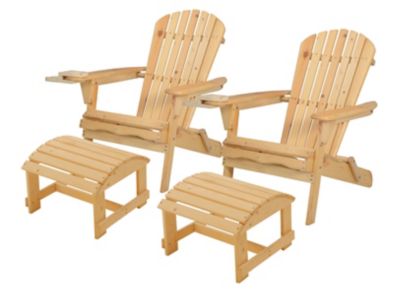
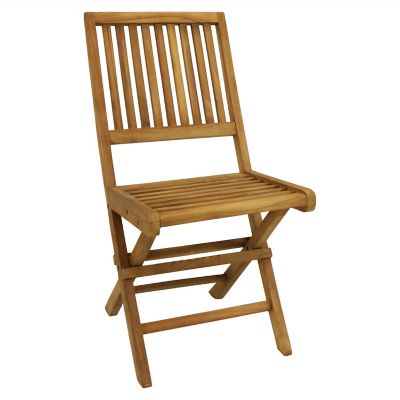
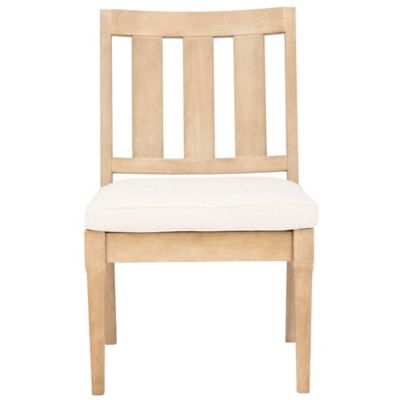
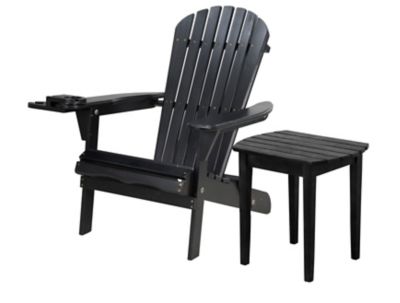
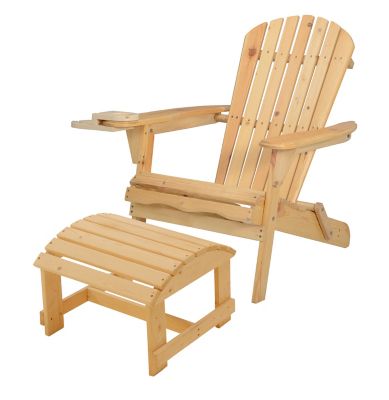
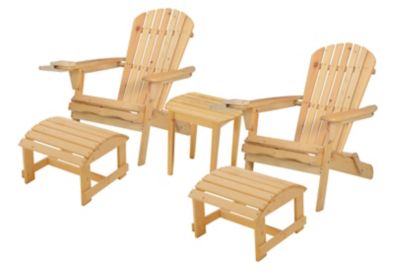
Natural wood folding chairs bring the warmth of wood to the table without asking for a permanent spot on the floor. They fit the kind of home where a quiet supper can turn into a full house, with neighbors stopping by and family pulling up another seat. The grain, color variations, and simple lines of wood work comfortably alongside a farmhouse table, a painted kitchen island, or a long serving table set out for a gathering. A natural-looking finish can keep the character of the wood in view, though that appearance may come from a clear coating, a light stain, or another treatment rather than bare wood. Depending on the construction, shades can range from pale honey to deeper brown, and grain patterns may look fairly even or show more contrast from chair to chair. That variation is part of the appeal when the goal is a room that feels lived in rather than overly matched. Folding construction adds a practical side: extra seating can come out for a family meal, a card game, or a craft night, then tuck away when the floor needs clearing. In a smaller dining area, that means room to walk around between gatherings. In a country home with a multipurpose mudroom or enclosed porch, it can mean keeping a seat nearby without leaving it in the way of boots, baskets, and everyday traffic. Some styles have slatted backs and seats for an open, airy look, while others feature broader panels or shaped seating surfaces. Those details affect both appearance and how the chair feels over the course of a meal. For a housewarming gift, a pair can be a thoughtful choice for someone setting up a first home or settling into a place where guests tend to stay awhile. Seat size, storage space, and the way the chairs fit the recipient’s table matter more than matching every piece of furniture in the room.
The best fit for everyday life comes down to more than the finish. Wood species, frame thickness, joinery, and hardware all play a part in how a folding chair handles regular opening, closing, and sitting. Hardwood construction does not automatically mean a chair belongs outside, and a clear finish alone does not establish weather resistance. The stated setting and care directions are the better reference for deciding whether a chair belongs in the dining room, on a sheltered porch, or in an outdoor seating area. For a table that stays out in the open,
Outdoor Wooden Dining Chairs offer a related category to consider, with each chair’s stated outdoor suitability still worth checking. Around any table, seat height needs to leave comfortable room for knees beneath the apron, not just beneath the tabletop. Overall width matters, too, especially when several people are sharing a bench-length table or when place settings sit close together. A wider seat may feel roomier, but it also takes up more space between table legs. Backrest angle, seat depth, and the shape of the front edge can make a noticeable difference during a long supper. A cushion can soften a wood seat, provided its dimensions and attachment method suit the chair and do not interfere with folding. Weight capacity should come from the manufacturer’s specifications, never from the chair’s appearance. A properly opened frame should sit evenly on a level surface, with any locking or support mechanism fully engaged. Folding joints deserve particular attention in homes with children, since moving parts can pinch fingers during setup and storage. For gatherings where chairs move from the kitchen to another room, the chair’s own weight and folded shape also matter. A frame that is manageable to carry and easy to grip makes setting another place at the table less of a chore.
Storage and care have a lot to do with how natural wood folding chairs look and function over time. Folded dimensions are worth comparing with the actual space at home, whether that is a hall closet, a corner of the dining room, or a clean storage area off the kitchen. A folding chair may flatten considerably without becoming especially narrow, and hinges or curved backs can add depth to a row of stored chairs. Keeping them secure helps prevent a leaning stack from sliding when someone reaches for the next seat. Unless the design specifically allows stacking, placing chairs on top of one another can put pressure on parts that were not built to carry that load. A soft layer between finished surfaces can help limit scuffs during storage, while a dry, ventilated location helps protect the wood from lingering dampness. For routine cleanup, a soft cloth and a cleaner suited to the finish are generally a better starting point than an abrasive pad or a strong household chemical. Spilled cider, gravy, and muddy fingerprints are easier to address before they sit, but the surface should not be left wet after cleaning. Wood responds to changes in moisture and temperature, so a spot beside a woodstove, against a damp wall, or in an unprotected shed can be hard on joints and finishes. Any oiling, sealing, or refinishing should follow the maker’s directions; not every coating accepts the same treatment. Hardware also benefits from an occasional check, particularly after chairs have been carried out and put away repeatedly. Loose fasteners, cracks, or a folding mechanism that no longer holds its position are reasons to set a chair aside until the problem is addressed. With the right construction for the setting and a little regular attention, these chairs can serve as useful extra seating through cooler-weather gatherings and ordinary evenings alike. Their appeal is straightforward: the familiar feel of wood, a place for another guest, and the freedom to fold things away when the visiting is done.