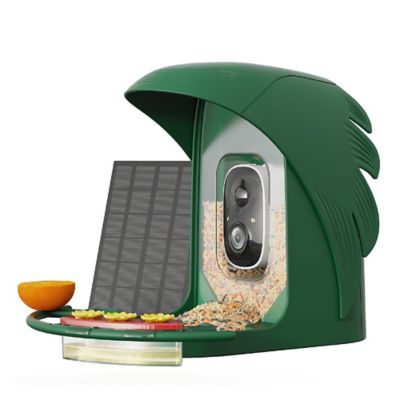
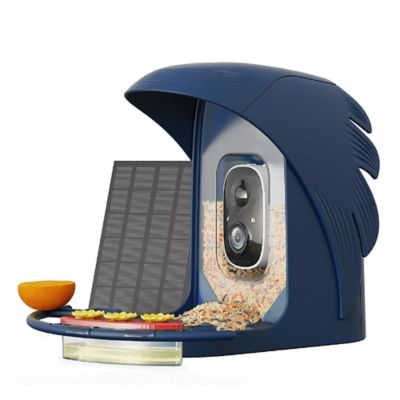
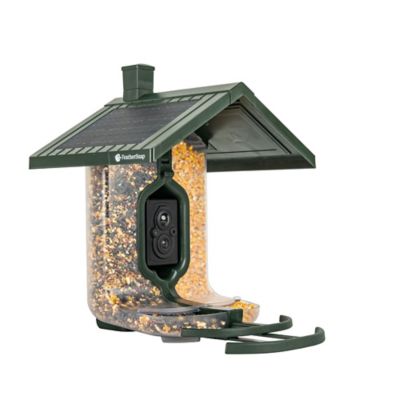
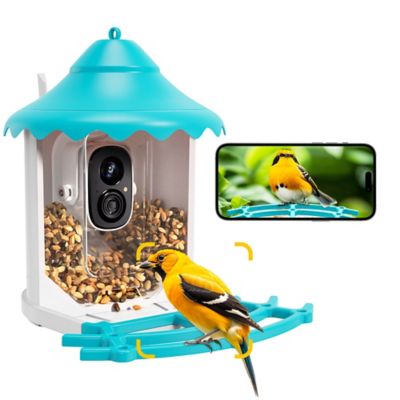
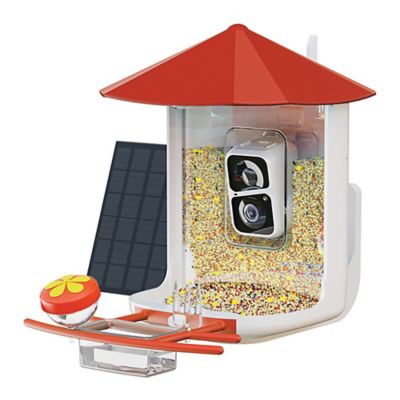
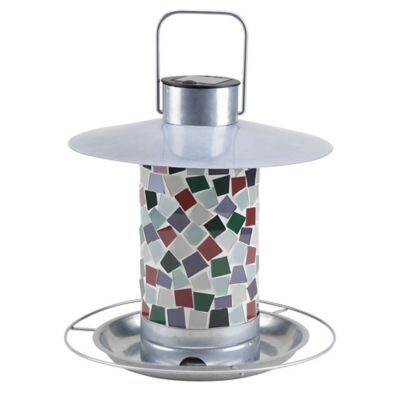
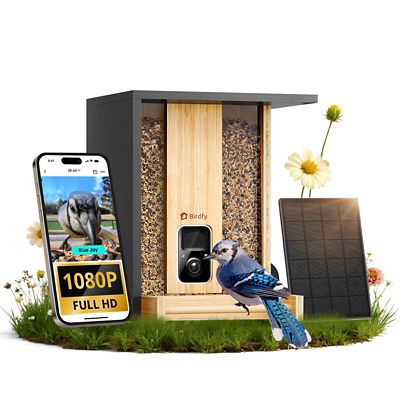
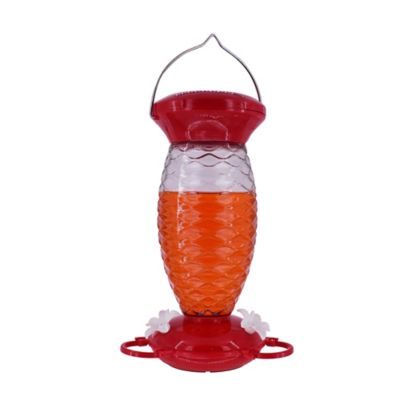
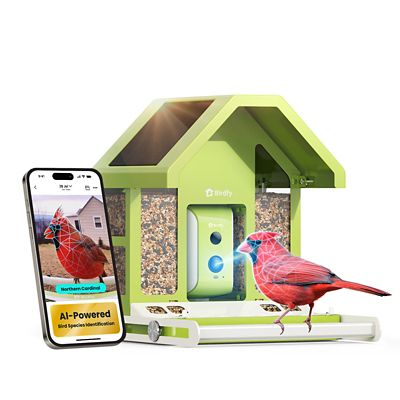
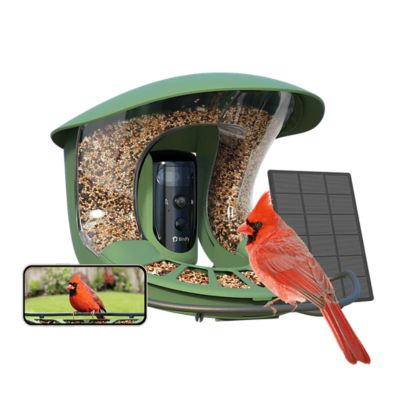
Solar smart bird feeders bring a close-up view of backyard birds to a phone, pairing a seed feeder with a camera, a rechargeable battery and a solar panel that helps replenish power when sunlight reaches it. Depending on the model, motion detection can trigger recordings and phone alerts, while a connected app may offer live viewing, saved clips and AI-assisted bird identification. That means a cardinal cracking seed beside the porch or a chickadee stopping by near the garden can become more than a quick glimpse through the kitchen window. The camera catches feather markings, feeding habits and those little back-and-forth exchanges that are easy to miss from across the yard. Solar charging reduces the need to bring a battery indoors for charging, but it does not guarantee uninterrupted operation. Cloud cover, shorter daylight hours, cold temperatures and frequent camera activity all affect how much power a feeder collects and consumes. Some designs have a panel built into the roof; others have a separate panel that can sit in a sunnier spot while the feeding station stays where birds feel comfortable. For a yard with mature trees, that difference can matter more than a long list of camera features. These feeders suit backyard birdwatchers, families who enjoy watching wildlife together and folks who want to keep an eye on the feeder while tending to other chores. They can also make thoughtful gifts for someone who already keeps seed by the back door, provided the recipient has a compatible phone, a suitable mounting spot and the connection the feeder requires. Through the cooler months, a camera-equipped feeding station offers a way to notice changes in visiting birds without spending every morning outside. The appeal is simple: a familiar backyard routine gets a closer view, with less guesswork about what landed on the perch while nobody was looking.
The feeder itself matters just as much as the camera. Outdoor housings may include molded plastic, metal components or a combination of materials, and their weather resistance should match the exposure at the intended location. A covered porch edge presents different conditions from an open fence line facing wind-driven rain. Roof coverage, drainage openings and protected battery compartments help manage moisture, while a feeding tray that comes apart makes regular washing easier. Weather-resistant construction does not mean every part can be submerged; cameras, charging ports and electrical connections need the care specified by the manufacturer. Seed capacity is another practical consideration. A larger hopper can stretch the time between refills, but seed still needs to stay dry and move through the feeding area before it spoils. A smaller reservoir may make more sense where only a few birds stop in each day. Perch size, tray depth and dispensing openings influence which birds can feed comfortably and which seed types flow properly. Black-oil sunflower seed attracts many familiar feeder birds, while other seed mixes need openings that accommodate their shape and size. A seed feeder is not automatically suited to nectar, suet or every other bird food. Mounting hardware deserves the same attention as the feeding tray: pole diameter, bracket fit, feeder weight when filled and access for refilling all affect everyday convenience. A firm mount helps limit swaying and keeps the camera aimed at the feeding area rather than the ground. Tree-mounted designs need an attachment method that follows the feeder’s directions without harming the tree. Squirrel pressure also varies by yard, and a camera alone will not keep squirrels out of the seed. Compatible baffles and thoughtful placement can help, though no setup should be assumed squirrel-proof without supporting product information. For a broader look at feeder styles alongside camera-equipped options,
Best Bird Feeder offers another place to explore what fits a backyard feeding routine.
Smart features work best when they match the property and the person watching. Many connected bird feeders require a 2.4 GHz Wi-Fi network, so the signal at the mounting spot matters more than the signal beside the router indoors. A feeder beyond a metal outbuilding or down by a distant gate may sit outside a home network’s reach even when the location looks ideal for birds. Connection requirements vary, and phone compatibility, app setup and account requirements are worth checking before choosing a feeder as a gift. Camera resolution helps determine how much detail appears in a clip, but lens placement, viewing angle and lighting also shape the picture. A wide view can show birds arriving and moving around the tray; a closer view may reveal the fine streaks on a sparrow’s breast. Strong backlighting can leave a bird in shadow, while a perch positioned outside the main camera view can lead to recordings with little to see. Motion sensitivity and notification controls help tailor alerts to the setting, especially where waving branches or frequent visitors could keep a phone busy. AI bird identification can suggest a species from an image, but similar-looking birds, partial views and poor light can lead to mistaken labels. Those suggestions are a starting point for learning, not a substitute for checking field marks and local range. Video storage, clip sharing and access to identification features differ by app and model, so those details belong alongside charging and mounting considerations. Everyday upkeep remains part of feeding birds, even with a solar-powered camera. Removable trays, easy-to-reach hoppers and accessible charging connections make it simpler to empty damp seed, clean feeding surfaces and let parts dry thoroughly before refilling. Solar panels collect more light when kept clear of leaves, dirt and snow, and the camera lens needs gentle cleaning to keep the view clear. Placement should also account for nearby windows, roaming cats and a clear flight path to shelter. With the right fit for the yard, solar smart bird feeders combine familiar bird-feeding chores with a front-row view of the activity just outside.