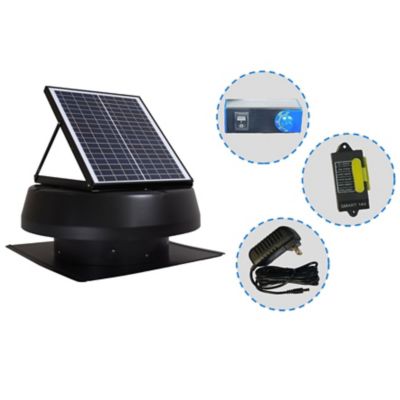
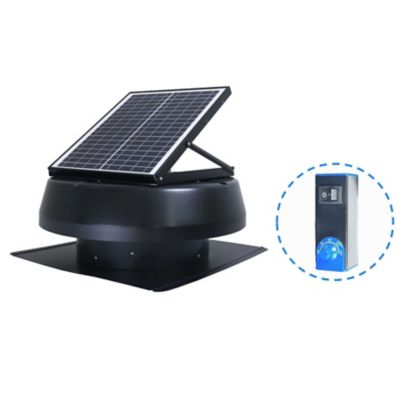
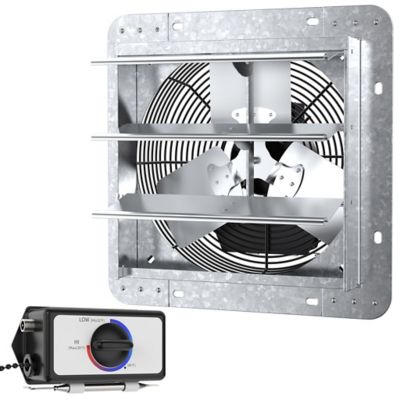
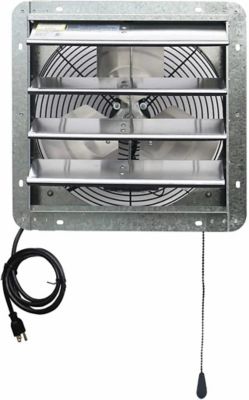
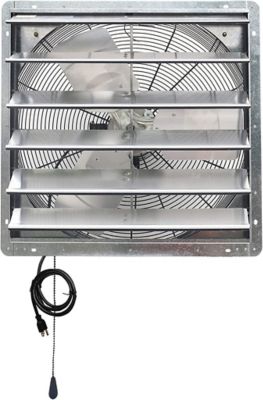
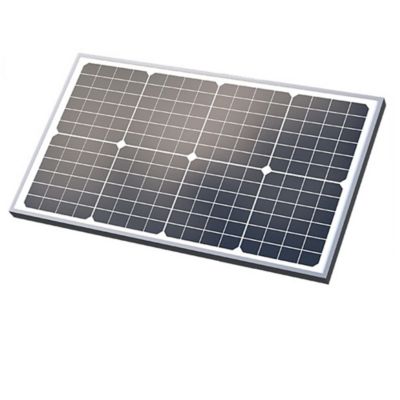
If you’re looking to keep your attic cooler when the sun’s beating down or help manage moisture as the seasons shift, solar attic fans are a handy upgrade for just about any home, barn, or outbuilding. Folks out in the country know how quickly an attic or loft can turn into a stifling oven by midafternoon, and that trapped heat doesn’t just make the upstairs feel stuffy—it can also drive up your cooling bills and put a strain on your roof, insulation, and stored items. Solar attic fans offer a simple, energy-smart way to draw out that hot, stale air and let your space breathe, all without having to tap into your home’s electricity. Since these fans run on sunlight, they’re a great fit for anyone looking to cut down on utility costs or avoid running extra wiring through older buildings. They’re also a solid pick for folks who want to keep their setup low-maintenance, since most models start working as soon as the sun’s up and don’t need much fussing with after installation.
As the weather shifts from the dog days of summer into those brisker fall evenings, a solar attic fan can help keep things balanced up top—pushing out damp air that might otherwise linger and cause mold, mildew, or even ice dams when temps dip. Farmers and rural homeowners often use these fans to protect hay, feed, or stored gear from humidity and heat damage, while folks with workshops or garages appreciate the extra airflow when they’re tinkering or working on projects. If you’re shopping for someone who likes a practical gift—maybe a new homeowner, a DIY enthusiast, or a family member fixing up an old farmhouse—a solar attic fan is the kind of present that keeps on giving, season after season. When picking out the right fan, you’ll want to think about the size of your attic or building, the amount of direct sunlight the roof gets, and whether you need features like a built-in thermostat or humidistat to automate things. Some units are designed for smaller spaces, while others pack more power for larger roofs or barns. There are even hybrid models with backup batteries or AC/DC adapters, which can kick on after dark or during cloudy spells.
It’s worth considering that good attic ventilation is about balance—solar fans work best when paired with proper passive vents like soffit or ridge vents, so you’re not accidentally pulling conditioned air out of the living space below. Most folks find that a solar attic fan is a smart addition to their overall ventilation setup, especially if you’re looking to extend the life of your roof and keep indoor temps more comfortable as the seasons change. If you’re curious about other ways to improve airflow or want to compare different ventilation options, take a look at our full selection of
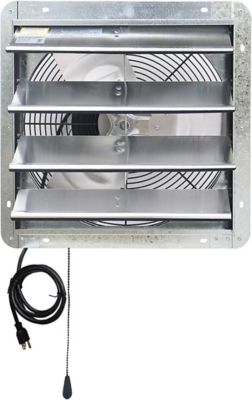
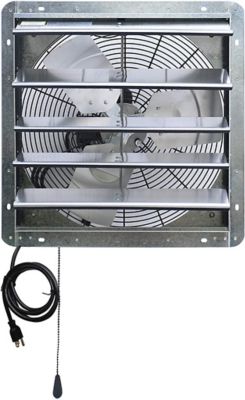
Heat Ventilation Fans to find the right fit for your property. Whether you’re aiming to cut down on energy costs, protect your investment, or just make day-to-day life a little more comfortable, a solar attic fan is an easy upgrade that pays off in the long run.