Socks For Stocking Stuffers
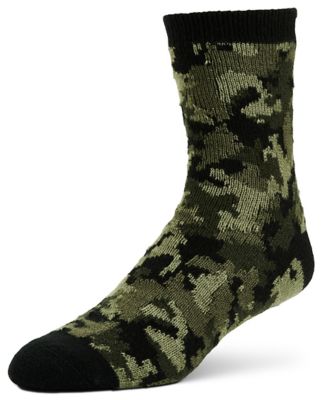
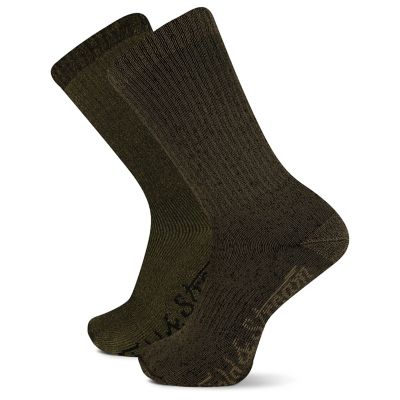
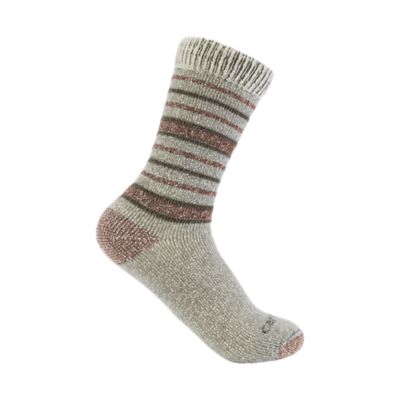
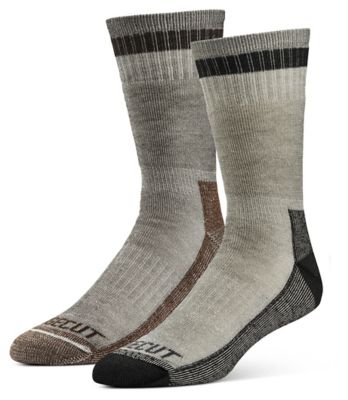
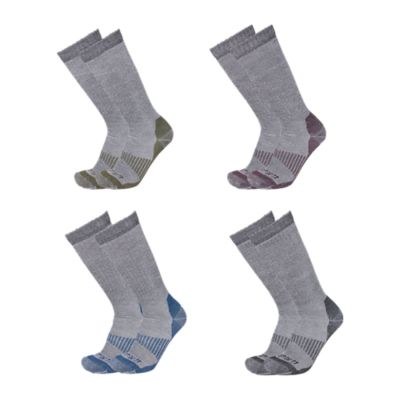
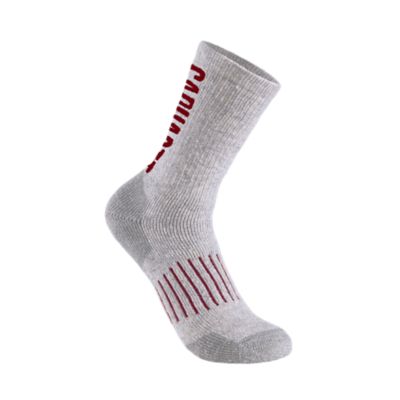
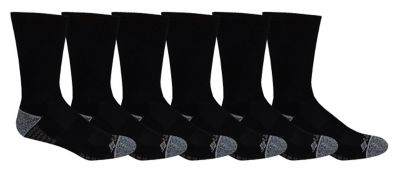
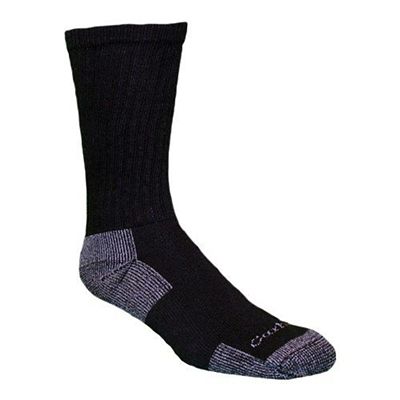
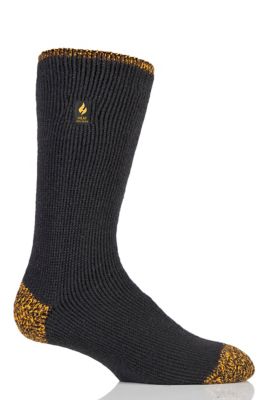
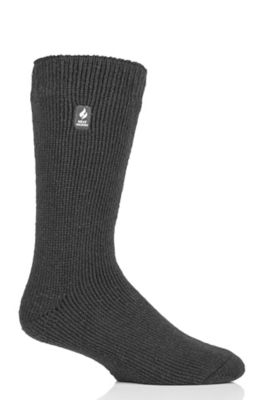
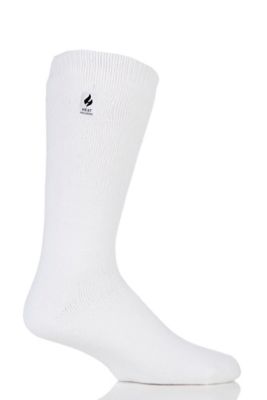
Socks for Stocking Stuffers are the perfect way to add a little warmth and cheer to your holiday season. Whether you’re shopping for hard-working folks or just looking to bring a smile to someone’s face, socks make a classic gift that everyone can use. From cozy nights by the fire to early mornings out in the barn, these small surprises are sure to be appreciated. Fill those stockings with comfort and style, and make your holiday gifting a whole lot easier with our selection of socks for stocking stuffers.
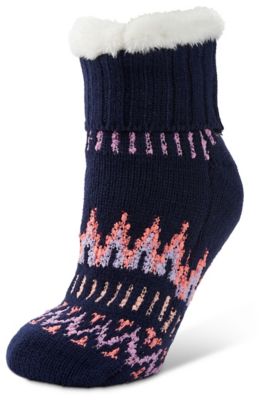
$6
.99
Sale Was $9.99 Save $3.00 (30%)
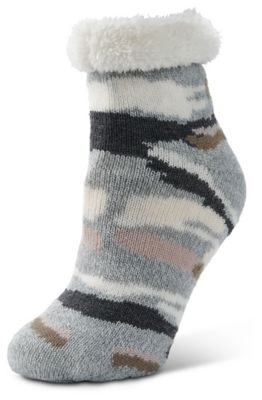
$6
.99
Sale Was $9.99 Save $3.00 (30%)
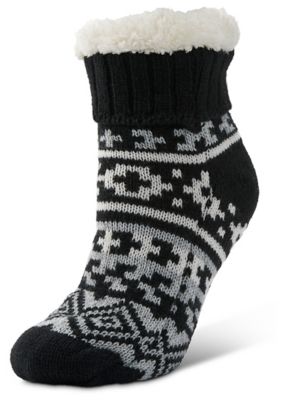
$6
.99
Sale Was $9.99 Save $3.00 (30%)

$10
.49
Sale Was $14.99 Save $4.50 (30%)
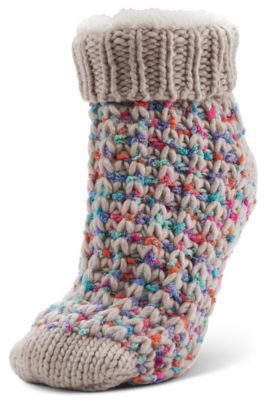
$6
.99
Sale Was $9.99 Save $3.00 (30%)

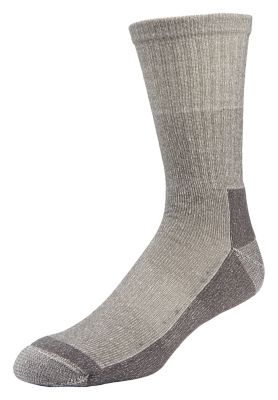
$13
.99
Sale Was $19.99 Save $6.00 (30%)
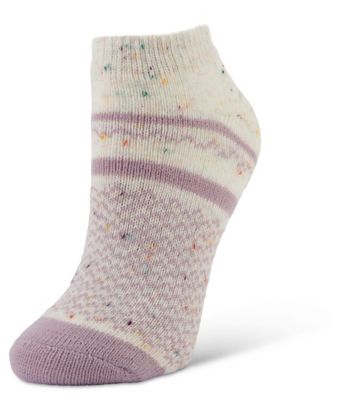
$10
.49
Sale Was $14.99 Save $4.50 (30%)
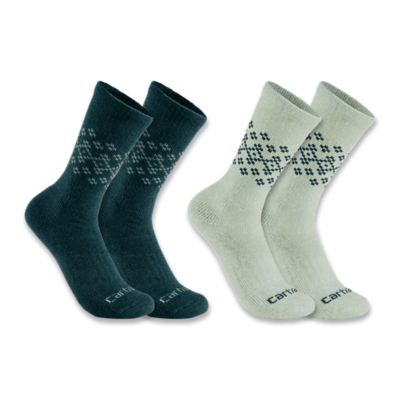
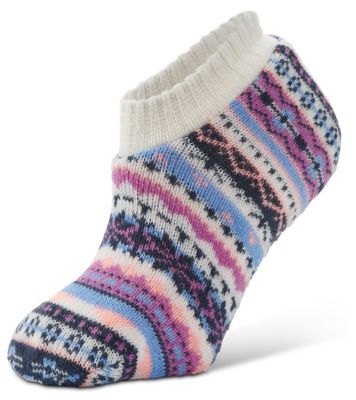
$6
.99
Sale Was $9.99 Save $3.00 (30%)
$6
.99
Sale Was $9.99 Save $3.00 (30%)

$6
.99
Sale Was $9.99 Save $3.00 (30%)


$6
.99
Sale Was $9.99 Save $3.00 (30%)

$10
.49
Sale Was $14.99 Save $4.50 (30%)
$11
.89
Sale Was $16.99 Save $5.10 (30%)
$10
.49
Sale Was $14.99 Save $4.50 (30%)

$6
.99
Sale Was $9.99 Save $3.00 (30%)

$6
.99
Sale Was $9.99 Save $3.00 (30%)
Best Of FAQ
Why are socks a popular choice for stocking stuffers?
Socks are a practical and fun gift that everyone can use, making them a classic choice for stocking stuffers. They come in a variety of colors, patterns, and materials, allowing you to personalize your gift for each recipient.
What types of socks make great stocking stuffers?
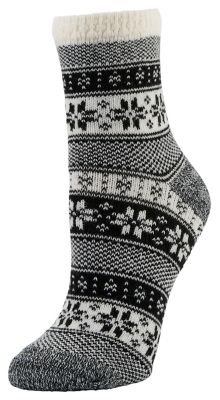
Novelty socks with fun designs, cozy thermal socks, work socks, and boot socks are all excellent options for stocking stuffers. These varieties add both comfort and personality to holiday gifting.
Can I find themed or holiday socks suitable for stocking stuffers?
Yes, many socks feature festive patterns or themes such as winter motifs, animals, or holiday colors, making them perfect for adding a cheerful touch to stockings.
Are there benefits to giving high-quality socks as gifts?
High-quality socks provide extra comfort, durability, and warmth. Gifting premium socks shows thoughtfulness and ensures the recipient enjoys long-lasting wear.
How can I choose the right style of sock for someone’s stocking stuffer?
Consider the recipient’s lifestyle and preferences. For outdoor enthusiasts or workers, durable boot or wool socks are ideal. For those who enjoy lounging at home, soft slipper or fuzzy socks make a cozy gift.
Best Sellers
-
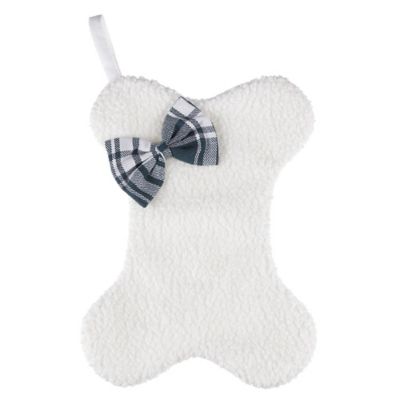
"I purchased this stocking for my dog and absolutely love it! It is very well made and super cute"
-
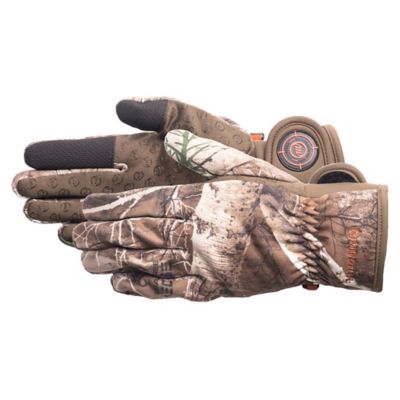
"If you need and want a well made pair of gloves when bow hunting, these are one of the best I have used"
-
"They are always great in the Murphy nc store! Very helpful and knowledgeable"
-
"Easy to find items i needed plus best price I've found in the area"
-
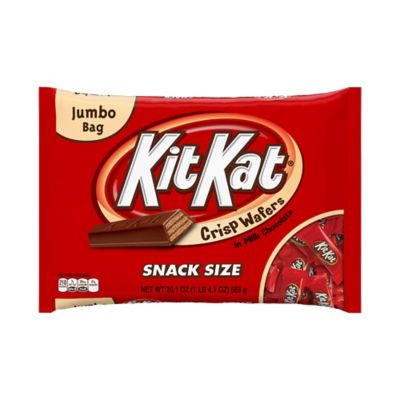
"I love KitKat! I have been eating these since I was a kid. They have the best texture"