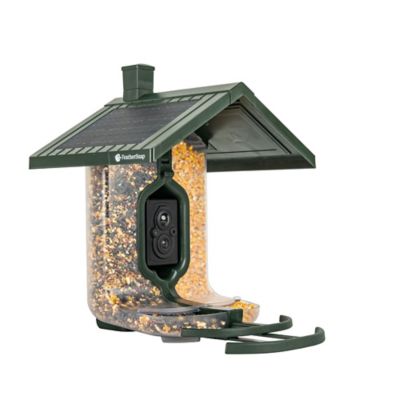
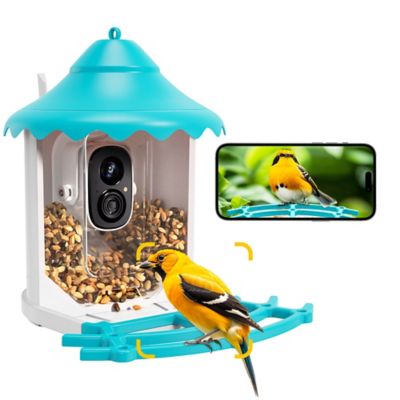
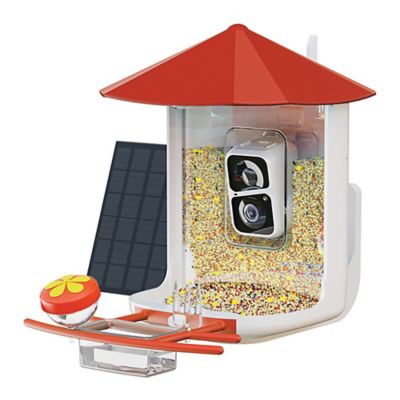
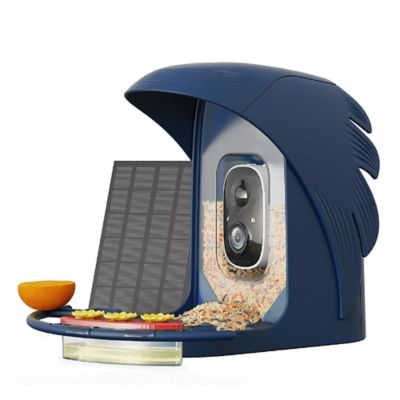
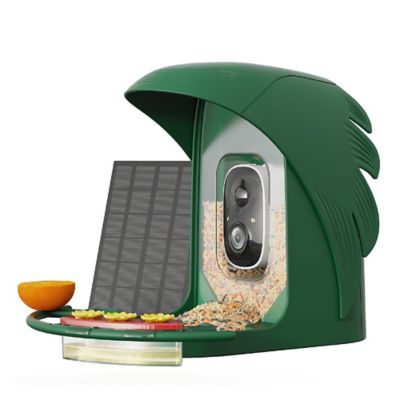
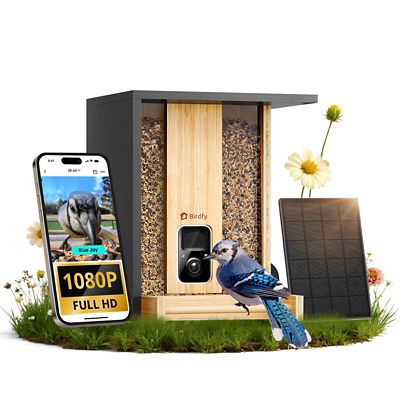
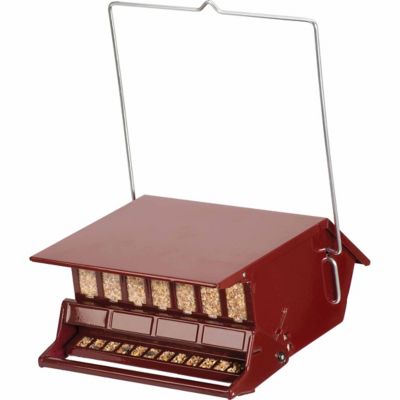
A smart bird feeder brings the activity along a fence line or backyard tree into closer view, pairing a seed feeder with a camera that can send photos, video clips, or motion alerts to a phone. For folks who enjoy watching birds from the kitchen window, that means a better look at a chickadee grabbing a sunflower seed or a cardinal settling onto a perch before dusk. Smart bird feeder setup and placement depend on a few things working together: a steady mount, a suitable feeding area, enough power for the camera, and a strong connection to the home network. Camera feeders, mounting poles, brackets, solar panels, and squirrel barriers each serve a different part of that arrangement. When comparing feeder designs, consider the birds likely to visit and the feed they prefer. A broad landing area gives larger songbirds room to perch, while smaller feeding openings may suit birds that take one seed at a time. The seed compartment should match the feed type; tiny nyjer seed, sunflower seed, and mixed seed do not flow equally well through every opening. Covered feeding areas and drainage holes help keep moisture from collecting, while removable trays and wide fill openings make regular care less of a chore. Materials matter out in the yard, too. Metal mounting hardware offers firm support, plastics rated for outdoor exposure can keep the feeder lighter, and clear seed compartments make it easier to spot an empty hopper from the porch. Look beyond the camera resolution alone: the lens position, perch distance, and field of view all affect how much of a visiting bird appears in the picture. Motion sensitivity settings can help limit clips triggered by swaying branches. Bird recognition features may suggest a species, but lighting, viewing angle, and similar markings can affect those suggestions. App compatibility, recording storage options, and account requirements also deserve a look, especially when choosing a feeder as a gift for someone who enjoys birds but prefers straightforward phone features.
The best spot for a smart bird feeder balances bird safety, camera visibility, wireless reception, and easy access for refilling. A sturdy pole near the house may work better than a picturesque location beyond the garden if the camera cannot maintain its connection there. Many connected feeders require a 2.4 GHz Wi-Fi network, though requirements vary, so network compatibility matters before choosing a mounting location. Walls, metal siding, outbuildings, and distance can weaken reception; checking the connection at the intended spot is more useful than judging it from inside the house. Initial setup generally involves charging the camera according to its instructions, fitting the feeder components together, pairing the camera with its companion app, and confirming a live view before securing the feeder outdoors. Charging time, cable type, and pairing steps vary by design. For placement, roughly five feet above the ground often puts a feeder within comfortable reach for care, but height alone will not keep squirrels away. Open space around a pole, separation from branches and railings, and a properly fitted baffle can make access harder. The
Squirrel Bird Feeder page offers another place to compare feeding arrangements with squirrel activity in mind. Birds also benefit from nearby escape cover, provided the feeder is not tucked against dense ground-level vegetation where a cat could hide. Window safety deserves particular attention around porches and picture windows. Placement within three feet of glass can reduce the speed of a potential impact, while exterior window treatments that make glass visible to birds add protection. Avoid assuming that a feeder several feet farther away is automatically safer. For a clear camera view, leave space in front of the lens and avoid pointing it directly toward harsh sunlight. A spot sheltered from prevailing wind can reduce feeder movement and blowing rain, while an uncluttered background makes visiting birds easier to see. Keep the feeding area away from busy gates, vehicle paths, and places where pets regularly gather.
Mounting fit and everyday upkeep help determine how well a camera feeder settles into the routine around a home, small acreage, or farmyard. Pole diameter, bracket shape, fastener size, and the feeder’s filled weight all matter when matching supports and accessories. A mount needs to hold steady with seed in the hopper and birds on the perch, not just support an empty feeder on a calm afternoon. Wall brackets need suitable fasteners for the mounting surface, while tree straps need periodic checks as bark shifts and the trunk grows. Cables should stay clear of moving parts and chewing animals without creating loose loops near feeding birds. Solar charging can reduce trips outside with a charging cable, but the panel needs compatible connections and enough direct sunlight to contribute meaningful power. A sheltered feeder position and a sunny panel position are not always the same place, making cable length and adjustable panel brackets worth considering. During the cooler months, shorter days, cloud cover, and lower temperatures can affect battery performance; a reachable camera compartment makes occasional indoor charging easier. Weather resistance also has limits, so the feeder’s exposure rating and care directions should match the spot where it will hang. Removable electronics are helpful when washing feeding surfaces, since camera modules and charging ports generally need different care than seed trays. Feeders need regular cleaning, thorough rinsing, and complete drying before refilling, with more frequent attention during wet weather or heavy bird traffic. Damp or moldy seed belongs in the trash, and spilled hulls beneath the feeder need clearing before they build up. A modest hopper can be a good fit for a lightly visited yard because seed turns over sooner; a larger compartment makes more sense where birds empty it steadily. For a gift recipient, accessible mounting and simple maintenance can matter as much as close-up video. The right combination gives a porch sitter, backyard bird watcher, or family learning local species a feeding station that fits the property and stays manageable through changing weather.