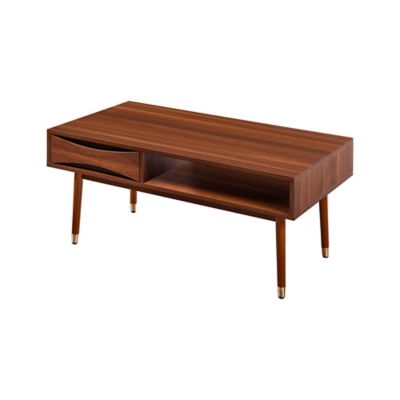
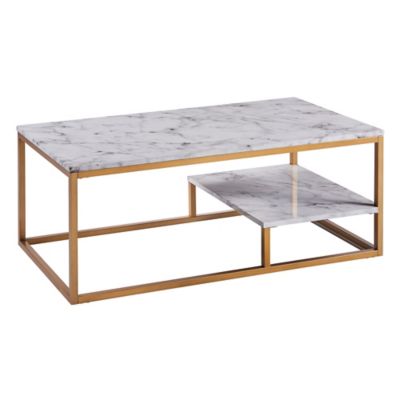
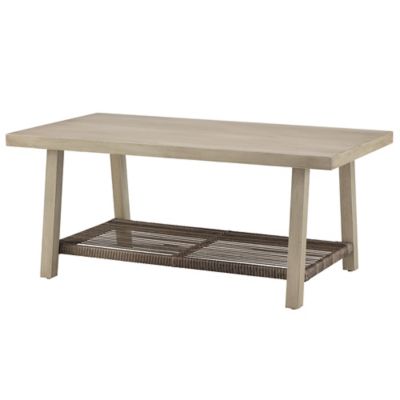
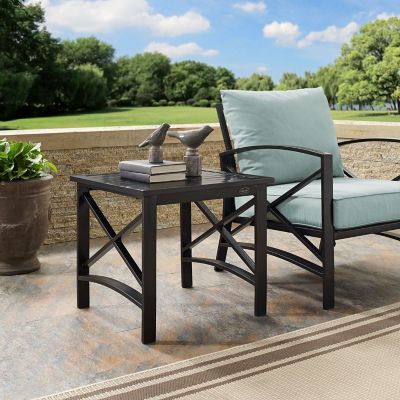
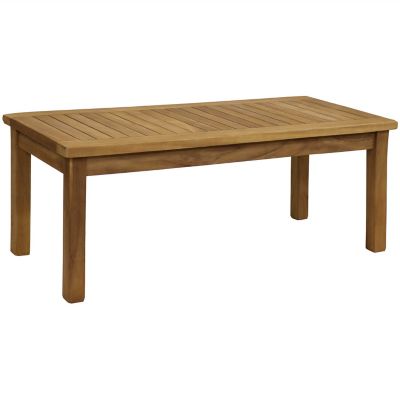
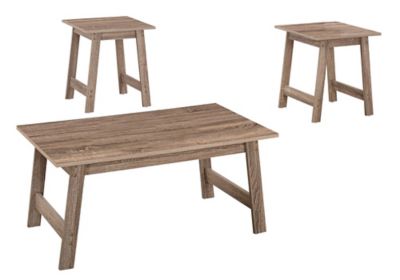
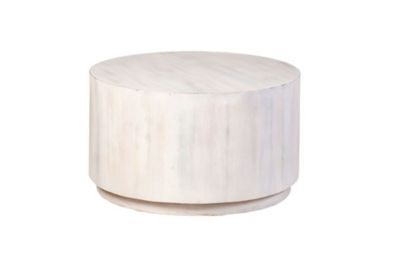
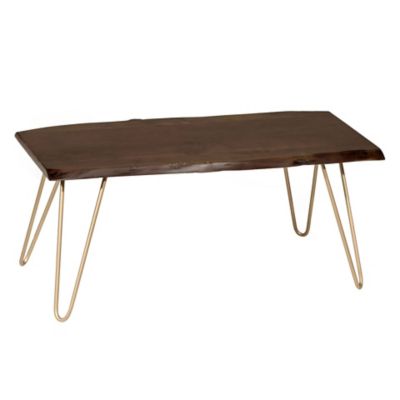
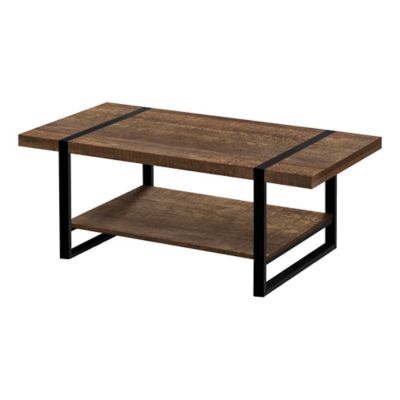
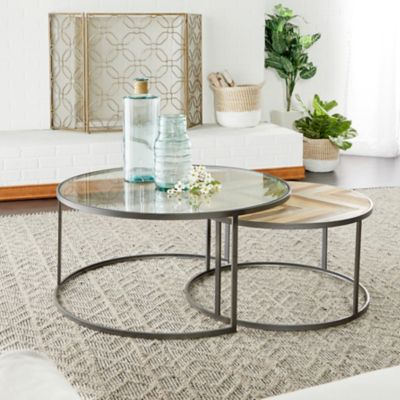
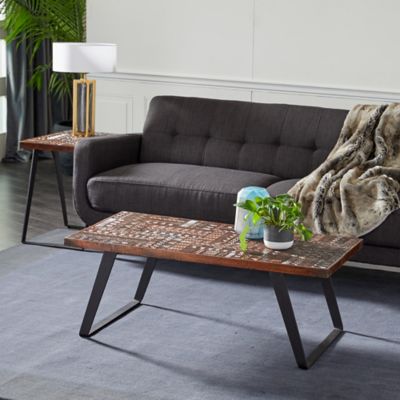
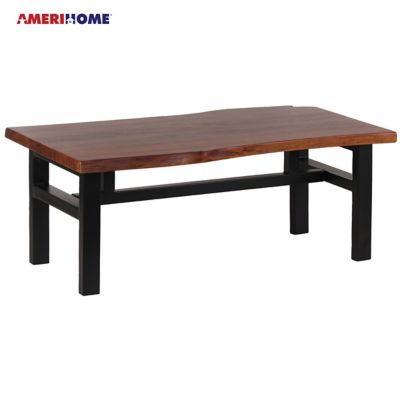
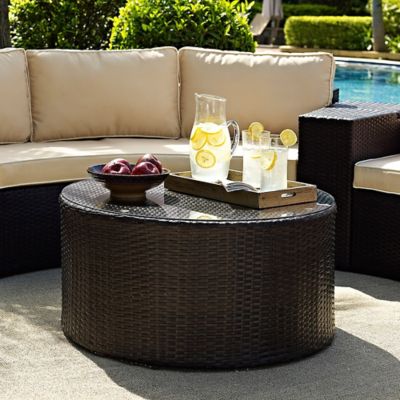
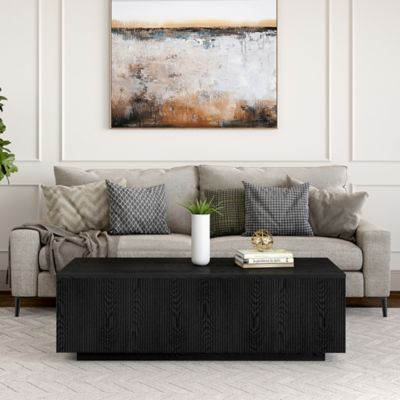
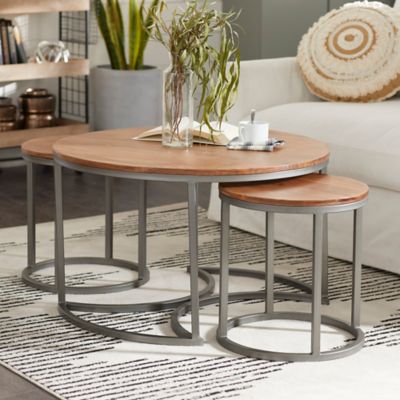
Coffee tables bring the seating area together, with a handy spot for a coffee mug, a board game, or a stack of reading material. Their size, shape, and height affect how comfortably a living room works, whether the space holds a long sofa, a pair of armchairs, or a roomy sectional. A common starting point is a table about two-thirds the length of the sofa, with a top close to the seat height or roughly 1 to 2 inches lower. That proportion keeps the table within reach without letting it crowd the seating. Leaving about 16 to 18 inches between the table and the sofa generally provides room for legs and easy access; main walkways may need more clearance. Measurements should account for open recliner footrests, extended lift tops, and drawers as well as the table’s footprint. Rectangular coffee tables work naturally with longer sofas and narrow seating arrangements, offering a generous surface without extending too far into the room. Round coffee tables soften the layout and make it easier to move around a compact grouping of chairs. Oval tables offer a similar flow with more length, while square tables can balance a large sectional or seating arranged on several sides. Rounded edges may be welcome in homes with children, though they do not replace supervision or secure furniture placement. In a smaller living room, an open base can make the floor feel less crowded, while nesting tables provide separate surfaces that tuck together when company heads home. A quick outline made with painter’s tape helps show how much floor space a table will occupy before furniture gets rearranged. The right fit leaves room to sit down, stretch out, and pass through without turning every trip across the room into a sideways shuffle.
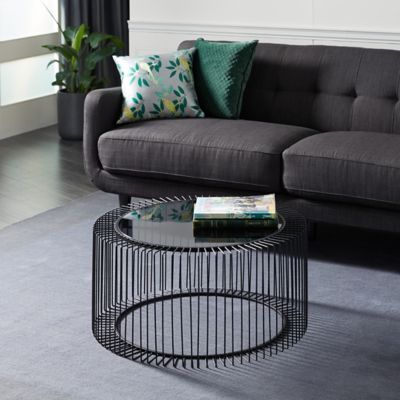
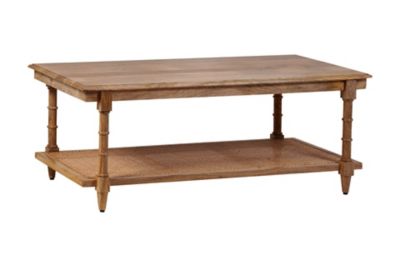
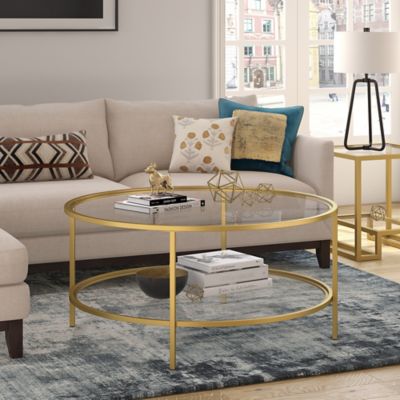
Materials give coffee tables much of their character, but they also influence weight, upkeep, and how the surface handles daily life. Solid wood brings visible grain and a substantial feel that suits everything from a farmhouse sitting room to a simple family den. Natural variation in boards means the grain and color may differ across the top. Wood can dent or scratch, and its movement with changes in indoor humidity makes the finish and joinery worth considering. Wood veneer places a thin layer of real wood over a supporting core, offering the look of wood grain without solid boards throughout. Engineered wood with a laminate surface has a different construction, so care directions matter when comparing materials that look similar in a photo. Metal frames can create an open, straightforward look, while painted or powder-coated finishes need protection from deep scratches that expose the metal underneath. Glass tops keep sightlines open and show off the rug below, though fingerprints and smudges tend to stand out. Tempered glass is a useful specification to look for, but glass furniture still needs careful handling and should never serve as a seat or step. Stone surfaces add weight and natural pattern; marble and other porous stones may need sealing and protection from acidic spills. Across materials, a steady base, secure connections, and a clearly stated weight limit matter more than a hefty appearance alone. Adjustable feet can help steady a table on an uneven floor, while suitable felt pads help protect flooring when the table moves. Coasters, trays, and prompt spill cleanup go a long way toward keeping the surface looking good. A soft cloth and the manufacturer’s recommended cleaner are generally a better match than abrasive pads or a strong all-purpose spray. Finish-specific care is especially important when a table regularly holds drinks, snacks, or a vase that can leave moisture underneath.
Storage and tabletop features make a difference when the living room handles more than sitting and visiting. Coffee tables with drawers keep remotes, charging cords, and playing cards close without leaving everything in plain sight. Open shelves make books and baskets easy to reach, although the shelf height and depth determine what fits. A lower shelf can hold the evening’s reading while leaving the top clear for a serving tray. Lift-top coffee tables bring the surface closer for writing, a light meal, or occasional laptop time from the sofa. Their usefulness depends on the raised height, the direction the top opens, and the space the mechanism needs to move freely. Smooth operation, clear weight limits, and attention to pinch points are important, especially around children. A lift top is not automatically a comfortable desk substitute, so legroom and seated posture still count. Tables with enclosed storage can help shared spaces feel settled after a busy day, while a simple open table leaves more room for feet and easier access beneath it for cleaning. For households with pets, a steady base and a surface that wipes clean can matter just as much as the style. Coordinating furniture does not have to match board for board: a wood top can sit comfortably beside a metal-framed chair, and a dark base can tie in with cabinet hardware or lamps. A consistent finish, repeated shape, or similar visual weight often gives the room enough connection. For a narrow surface behind a sofa or along an entry wall,
Console Tables serve a different purpose and can complement the central seating area without taking over its floor space. A coffee table can also make a thoughtful housewarming gift when the recipient’s measurements and preferences are known. Whether the room hosts family game night or a quiet cup before chores, a well-proportioned table earns its place by keeping everyday essentials close and the room easy to live in.