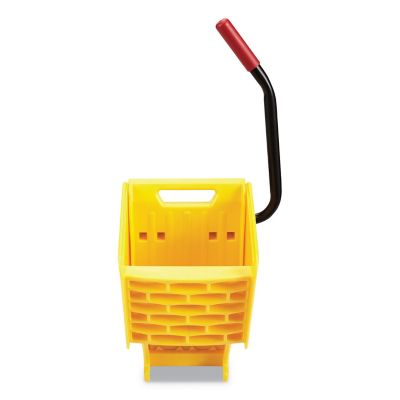
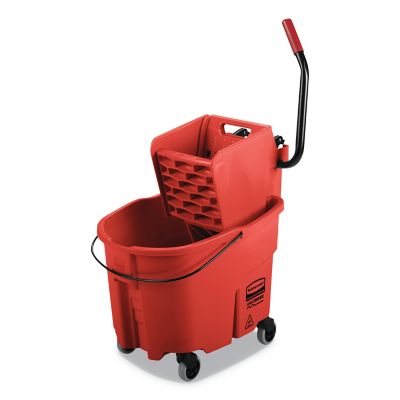
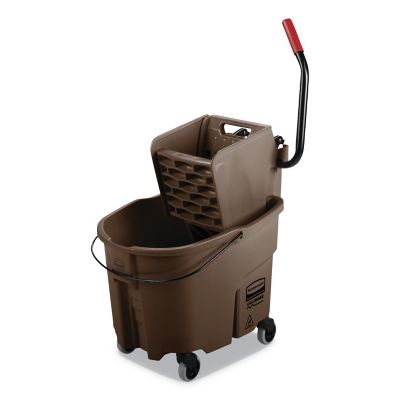
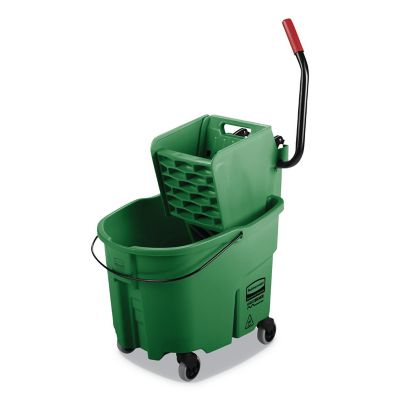
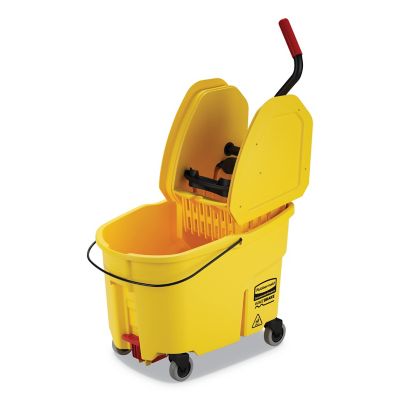
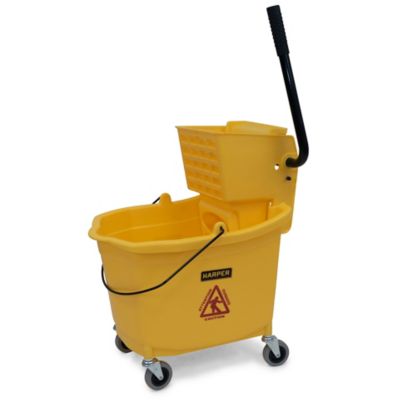
Side press wringers are practical cleaning tools for places where floors, walkways, and work areas need regular attention. Unlike a down-press wringer, which requires pressure from above, a side press model uses a lever or handle positioned beside the bucket. Moving that handle forward or downward brings the internal plates together around the mop head, pressing out water with a smooth side action. The angled handle adds leverage, so the operator can remove moisture without leaning heavily over the bucket or forcing the mop downward. This setup can be a welcome choice for maintenance crews, farm offices, feed rooms, kennels, workshops, schools, stores, restaurants, and busy homes where mopping is part of the regular routine. It also helps keep hands away from dirty rinse water and gives the person cleaning a more upright working position. When the floor needs several passes, that difference can make the task feel less tiring from start to finish.
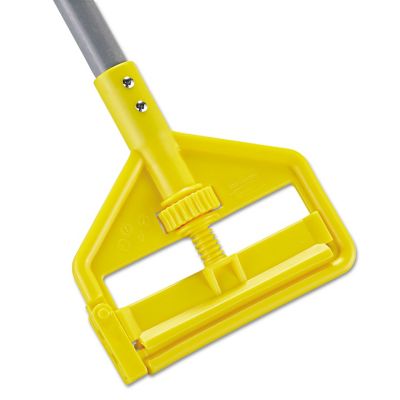
When shopping for a side press wringer, start with the kind of mop head and cleaning area involved. Many models are built to handle string or loop-end mop heads in common sizes from about 16 ounces to 32 ounces, but the bucket opening and wringer dimensions still matter. Check that the mop head can sit fully between the pressing plates and that the handle offers enough room for a natural motion. Bucket capacity is another key detail. A smaller container can be easier to lift, carry, and store in a utility closet, while a larger container means fewer trips to a sink or hose connection during a long cleaning job. Consider the full weight of the bucket once it is filled, especially when several people may move it across a building or around a barn. Caster size, wheel placement, a sturdy push handle, and a secure drain plug can all make a difference when water needs to travel over concrete, tile, sealed wood, or other flooring. Shatter-resistant polypropylene is often chosen for busy cleaning areas because it can stand up to everyday bumps and handling. Baffles inside the bucket may help limit splashing as the mop is lowered into the water or moved toward the wringer, keeping nearby walls, shoes, and equipment cleaner. A side press wringer may be a thoughtful gift for someone setting up a first home, outfitting a small business, or taking on regular care of a workshop, barn, rental property, or community building. It is less about adding another item to a closet and more about making a repetitive chore easier to organize. Pairing the bucket with the right mop head, a floor-safe cleaning solution, absorbent towels, and a place to hang the mop can create a ready-to-go station for muddy footprints, tracked-in rain, spilled feed, and everyday dust.
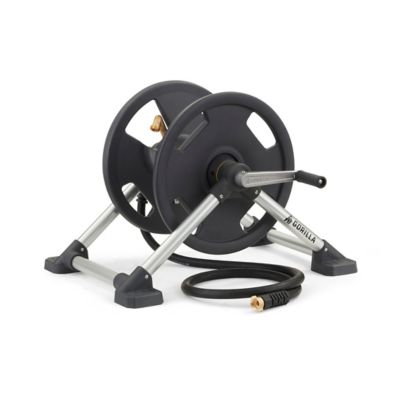
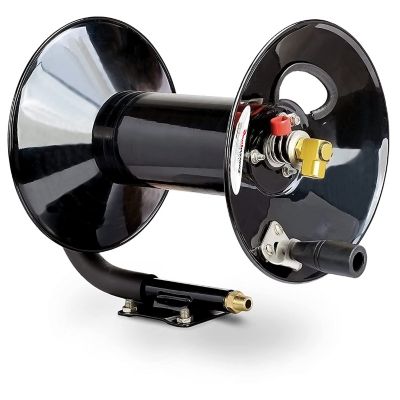
A well-planned cleaning station begins with water access and a sensible path through the work area. Keep the wringer close enough to a sink, utility basin, or hose connection that filling and emptying the bucket does not become a chore of its own. For outdoor rinsing and property care,
Manual Hose Reels can help keep a hose wound neatly and ready for washing down entrances, patios, kennel runs, and other hard surfaces. Inside, place the bucket where it will not block doorways, aisles, ramps, or animal traffic. Before mopping, sweep up grit, straw, shavings, and loose debris so the mop head can focus on lifting moisture and soil instead of dragging particles across the floor. Add the recommended amount of cleaning solution to the water, then lower the mop head without overfilling the bucket. Press the side lever steadily rather than forcing it, and let excess water drain back into the bucket. A mop that is damp instead of dripping usually leaves less standing water and can shorten drying time, which matters in entryways, washrooms, stockrooms, and areas where people or animals pass through. During cooler months, faster-drying floors can also help limit tracked moisture near doors and loading areas. Rinse the mop head as needed, refresh the solution when it becomes cloudy or dirty, and empty the bucket in an approved drain or disposal area. After cleaning, rinse the bucket and wringer, remove trapped fibers from the pressing plates, and allow the mop head to air out fully. Store the bucket where it is protected from freezing temperatures, direct sun, and unnecessary traffic. With the right capacity, mop fit, wheel layout, and side-lever action, a side press wringer can bring a steadier rhythm to daily floor care, whether the job is a quick cleanup after chores or a full pass through a large working space.