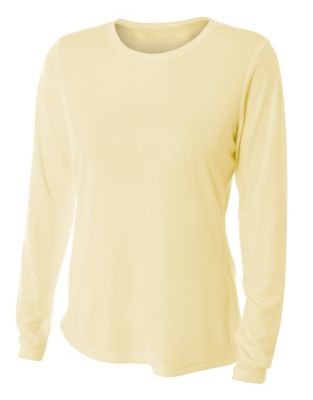
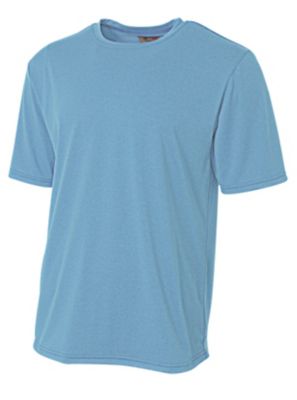
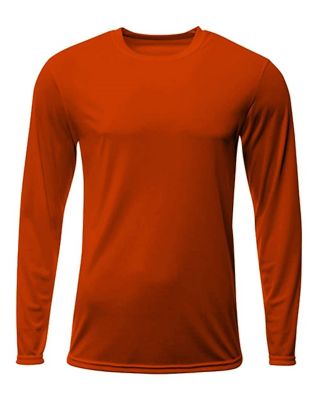
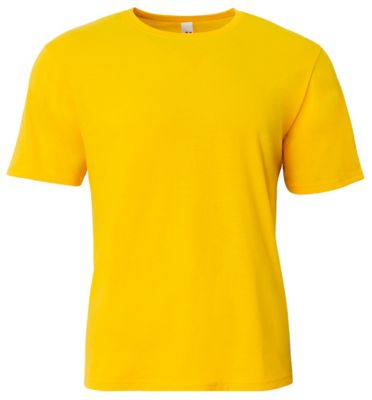
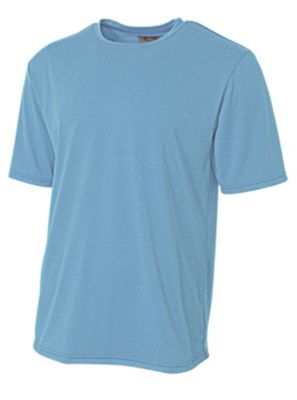
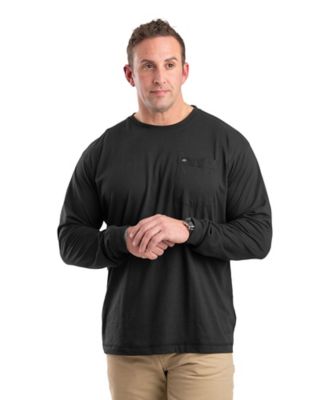
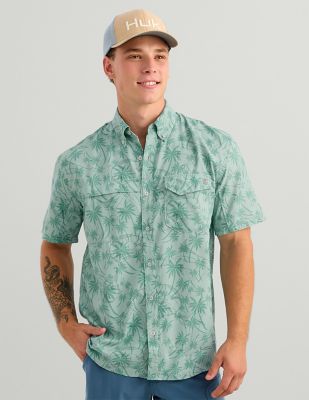
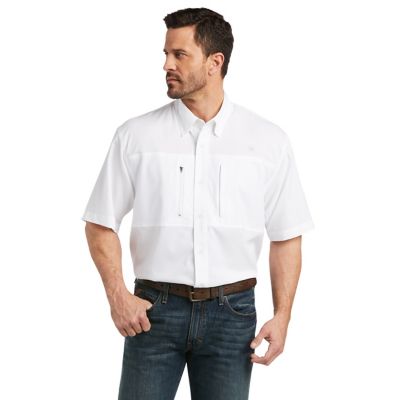
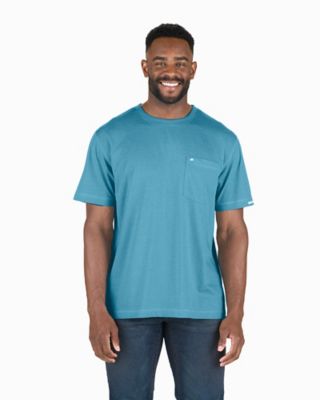
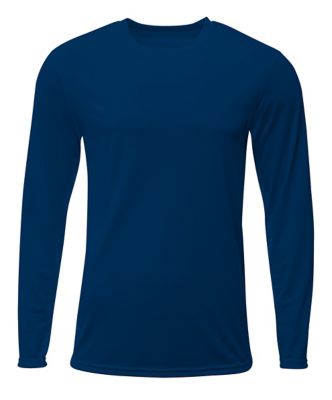
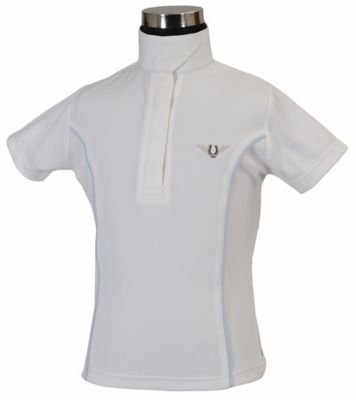
Shirts for soccer players include athletic training tops, match-style jerseys, and casual T-shirts that show a love for the game. Each serves a different purpose, from keeping movement easy through passing drills to bringing a soccer look to school, errands, or a weekend get-together. Training shirts generally emphasize lightweight fabric, sweat management, and room to move, while jerseys often feature team colors, player numbers, or a more athletic silhouette. Casual soccer tees put everyday comfort and graphics at the center, making them a natural fit for players, coaches, and fans away from the field. The difference matters when a shirt needs to handle an hour of footwork rather than a seat on the sidelines. Polyester and polyester blends are common in athletic tops because they tend to dry faster than cotton and can be constructed to move moisture away from the skin. Breathability also depends on the knit, fabric weight, and any mesh panels, not just the fiber listed on the label. A light, open knit can feel less clingy during repeated sprints, while a denser fabric may offer more coverage. Cotton brings a familiar, soft feel that works well for everyday wear and less demanding activity, though it absorbs moisture and can feel heavier once damp. Cotton blends can bring together that familiar feel with the drying characteristics or stretch of other fibers, depending on their makeup. A small amount of elastane adds give for reaching, twisting, and bending, but a shirt does not need a high stretch content to feel comfortable if its cut already allows movement. Short sleeves leave the arms free, while long sleeves provide more coverage for players who prefer it. For a player moving between ball-control practice in the yard, a team session, and everyday chores, the best match is a shirt whose fabric and shape suit the activity. Soccer graphics alone do not tell the whole story; the feel of the material, the construction, and the intended use make a real difference.
Fit has a big effect on how a soccer shirt feels once play gets going. A close athletic fit keeps excess fabric from bunching or shifting, while a relaxed fit offers more room through the chest, shoulders, and waist. Neither is automatically better; the right shape depends on the player’s build, movement, and preference. A youth player learning throw-ins needs enough shoulder room to bring both arms overhead without the hem pulling up too far. An adult working through quick changes of direction may prefer a shirt that follows the body without gripping across the back. Goalkeepers also need freedom to reach and extend their arms, making shoulder construction and sleeve shape worth a close look. Size names alone are not enough to establish fit, since a jersey cut can differ from an everyday T-shirt cut. Chest measurements, shirt length, and the maker’s size chart provide a clearer picture, especially when choosing a gift. Youth and adult sizing should be considered separately, and a little growing room is different from a shirt so oversized that it gets in the way. A neckline that sits comfortably, seams that do not rub, and a hem that stays put help keep attention on the ball instead of constant adjustments. Flat or smoothly finished seams can be particularly welcome where a shoulder strap from a gear bag rests against the shirt. Fabric that is very thin may feel light but offer less coverage, while a heavier tee can have more body for everyday wear. Stitching at the collar, sleeve edges, and hem also affects how well a shirt holds its shape through repeated wear and washing. For organized matches, shirt color, numbering, and other uniform details depend on team or league requirements; a practice top is not always a match jersey. Soccer shirts share many fabric and fit considerations with
Sportswear Shirts, particularly when the same top needs to work for training, gym sessions, and pickup games.
Care is part of keeping soccer shirts comfortable and looking good after the last whistle. Sweat, field dirt, grass marks, and repeated trips through the laundry can all take a toll, so the care label matters as much as the graphic on the front. Many athletic fabrics call for a gentle wash and limited dryer heat, but instructions vary by garment. Fabric softener can interfere with moisture management in some performance materials, and chlorine bleach may affect colors, fibers, or printed details. A damp shirt left wadded up in a gear bag can develop stubborn odors; giving it room to dry before laundry day helps avoid that problem. Grass stains are easier to address before they settle in, with any stain treatment chosen to suit the fabric and care directions. Turning a printed shirt inside out can reduce friction against its design in the wash, and avoiding direct ironing over numbers or graphics helps protect those details. Cotton shirts may shrink if their care instructions are not followed, while stretch fabrics can lose some of their give after repeated exposure to excessive dryer heat. These practical differences make it useful to think about the wearer’s routine. A player with frequent practices may appreciate an easy-care athletic shirt that dries promptly, while someone who mostly enjoys watching matches may prefer the familiar feel of a cotton tee. Shirts for soccer players also make thoughtful gifts for birthdays, a first team roster spot, or recognition after a tournament. A favorite color, a preferred sleeve length, and the right size can matter more than a bold design. Player-name shirts and team-themed jerseys carry a personal connection, but it helps to know which player or team the recipient follows rather than guessing from a passing comment. For coaches, soccer parents, and players alike, a comfortable shirt can move from the practice field to the ride home without feeling out of place. The lasting appeal comes from a straightforward combination: a soccer connection the wearer enjoys, a fit that feels natural, and fabric that suits how the shirt will be worn.