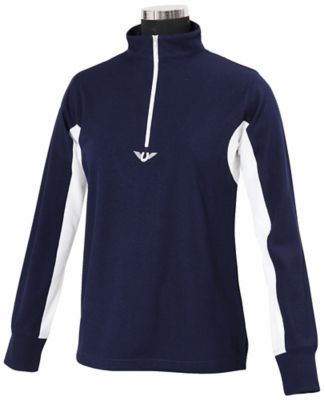
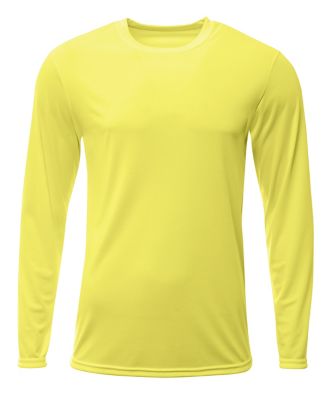
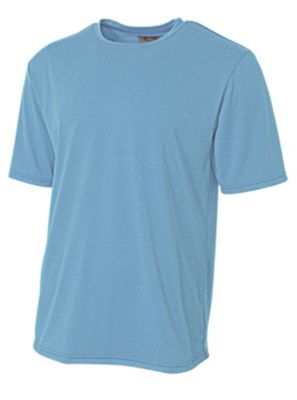
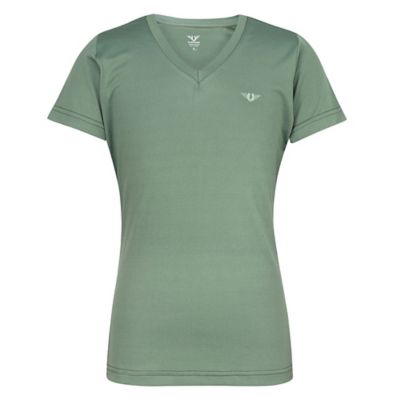
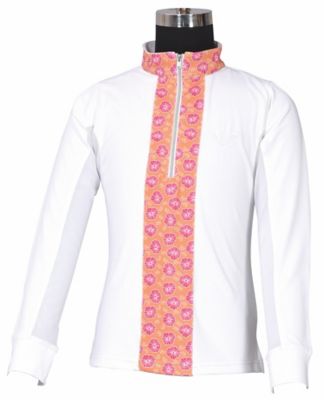
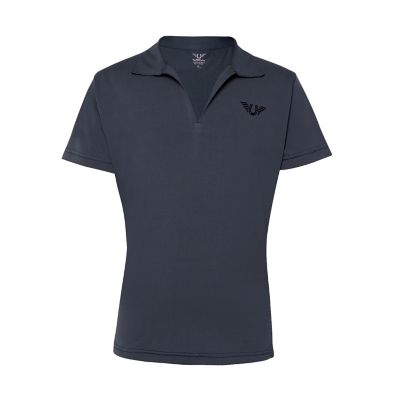
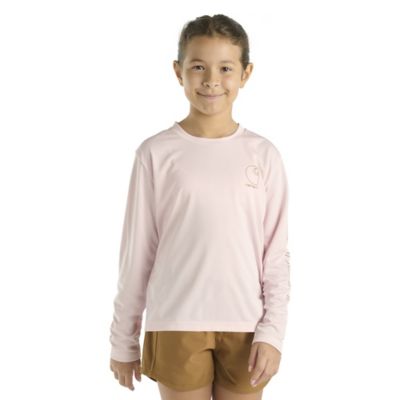
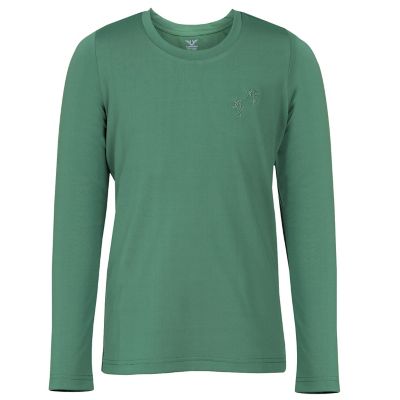
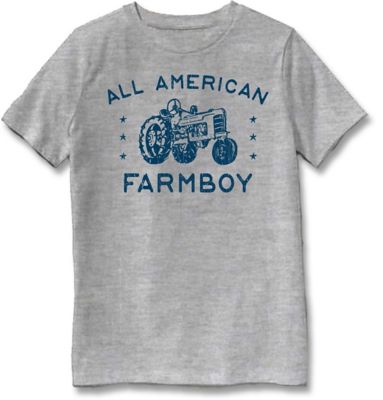
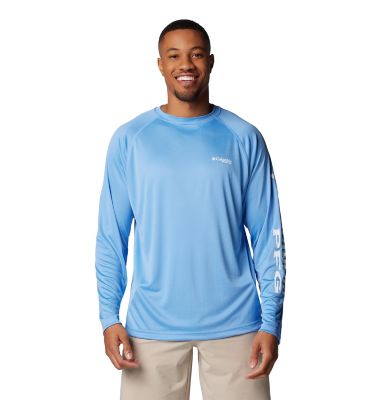
Children’s sports shirts include everyday athletic tees, sport-themed graphic shirts, and performance tops made for running, stretching, and active play. They fit into a kid’s day well beyond practice, from school and gym class to backyard catch and a pickup game at the park. Cotton shirts have a familiar, soft feel that works well for everyday wear, while polyester and other synthetic fabrics often feel lighter and dry faster after a hard-running game. Cotton-polyester blends bring together some of those characteristics, though the feel and care needs depend on the fabric’s makeup and construction. A moisture-wicking shirt is designed to move sweat away from the skin toward the fabric’s outer surface, where it can evaporate. That feature can help with comfort during exercise, but not every synthetic shirt has the same moisture-management properties. Breathable knit fabrics and mesh panels can also help air move through a shirt, especially during activities that keep kids on their feet. A little stretch can make reaching for a rebound or following through on a swing feel less restrictive. For a child who heads straight from the classroom to practice, a soft athletic tee can bridge both parts of the day without feeling like a full uniform. Sport-themed graphics have a different role, giving young fans a way to show what they enjoy even when they aren’t playing. A baseball graphic, for example, can feel just as at home on a trip to the ball field as it does during an afternoon with friends. The distinction comes down to intended use: an everyday shirt puts familiar comfort first, while a training-focused top may place more emphasis on sweat management, stretch, and seam placement. Both belong in a child’s regular rotation, with the best match depending on how that child spends the day. A kid shooting baskets in the driveway may want a different feel than one settling in to watch a game with family.
Fit matters when a shirt has to keep up with a growing kid. Children’s clothing sizes can vary between styles, so chest measurements, body length, and the garment’s size chart tell more than an age label alone. A comfortable sports shirt leaves room through the shoulders and chest without hanging so loosely that extra fabric gets in the way. The hem should offer coverage when a child reaches overhead, and the sleeves shouldn’t tug across the upper arms during a throw. For everyday wear, a relaxed fit can feel easy and familiar; for organized practice, a closer fit may work better beneath a jersey or protective equipment, provided it doesn’t restrict movement. Raglan sleeves, which extend toward the neckline rather than ending at a traditional shoulder seam, can offer a different feel through the shoulders. Stretch fabric and thoughtfully placed seams can also make a difference during repeated movement. Kids who are sensitive to scratchy details may appreciate smooth neck seams, soft printed labels, or other low-friction finishes. Neck openings deserve attention, too, especially for younger children learning to dress themselves. A shirt that slips on without a struggle can make the trip from breakfast to the school bus a little simpler. Short-sleeve and long-sleeve styles offer different amounts of coverage, while crew necks keep the look straightforward for school, recreation, and team activities. Sleeve choice can also depend on uniform requirements or a child’s preference for how fabric feels against their arms. Organized sports may have rules about colors, visible graphics, and layers beneath uniforms, so a practice shirt and a game-day shirt don’t always serve the same job. Within the broader range of
Sportswear Shirts, children’s fits deserve their own attention rather than being treated as smaller adult sizes. Room to grow is helpful, but a shirt that fits comfortably today is more practical than one with a neckline that slips or sleeves that need constant adjusting.
Sports shirts earn their place through repeated wear, and their construction helps determine how well they handle it. Even stitching, neatly finished seams, and a neckline that returns to shape after stretching are useful details in clothing headed for school, practice, and another turn through the laundry. Fabric weight makes a difference without telling the whole story: a lightweight knit can feel easy during active play, while a heavier cotton tee may have a more substantial everyday feel. Neither is automatically the better choice for every child or activity. Care requirements matter just as much in a busy household. The garment’s care label is the starting point for washing and drying, since cotton, synthetic fabrics, stretch fibers, and printed graphics can respond differently to heat and laundry treatments. Turning a graphic shirt inside out can help limit rubbing against the design in the wash. Fabric softener may interfere with the performance of some moisture-wicking fabrics, so the label should settle whether it belongs in the load. Letting a sweaty shirt dry rather than leaving it balled up in a sports bag can help keep lingering odors from taking hold. Grass marks and dirt from a slide into base are often easier to address before they sit through several laundry days. These everyday details matter for families whose shirts make the rounds from the ball field to the back seat and home again. Children’s sports shirts can also make thoughtful birthday gifts for young players and fans, especially when the sport or graphic reflects something they already enjoy. Knowing the child’s usual size, preferred fit, and comfort preferences helps make the gift something they’ll reach for. Some kids favor bold artwork; others want a plain shirt that goes with nearly any pair of shorts or pants. The most practical choice supports their routine, feels good against their skin, and lets them get on with the important part: playing, cheering, and having fun.